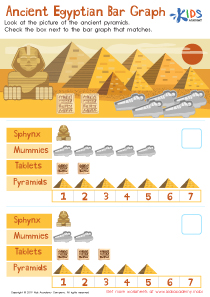
Basic counting skills Easy Math Worksheets for Ages 3-9
5 filtered results
-
From - To
Discover our engaging "Basic Counting Skills Easy Math Worksheets" designed specifically for children aged 3 to 9! These interactive worksheets provide a fun and effective way for young learners to develop essential counting skills, from recognizing numbers to counting objects and beyond. With colorful illustrations and age-appropriate exercises, your child will enjoy practicing numbers in a supportive and stimulating environment. Perfect for classroom settings or home learning, our worksheets help reinforce foundational math concepts while fostering a love for learning. Explore our collection today and empower your child to build confidence in their counting abilities while having fun!
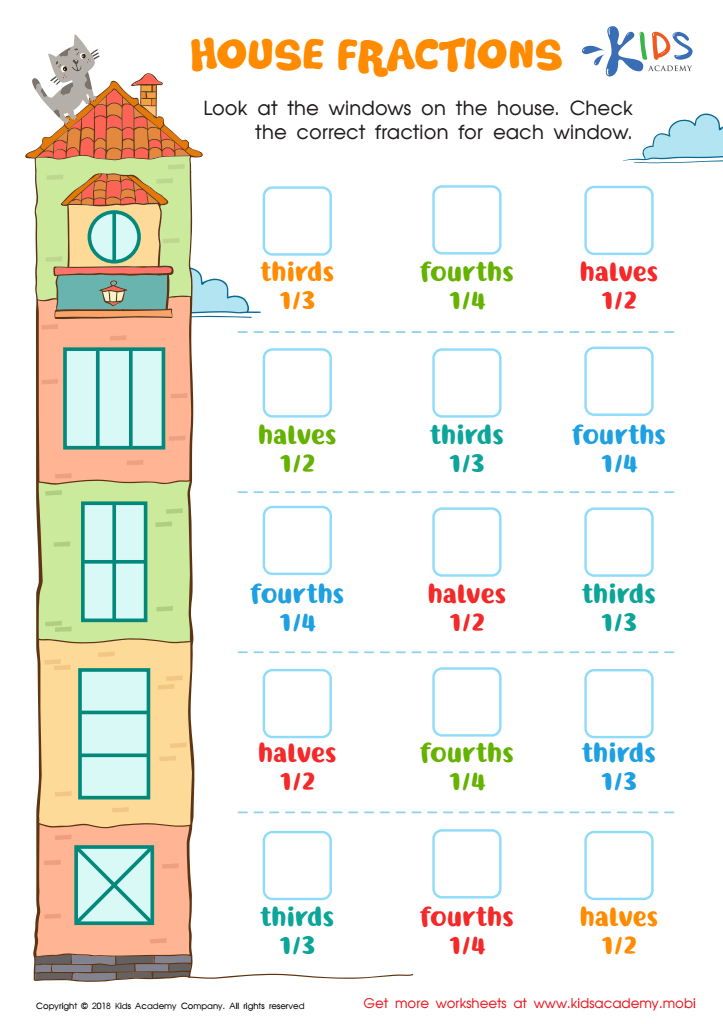
House Fractions Worksheet
 Assign to My Students
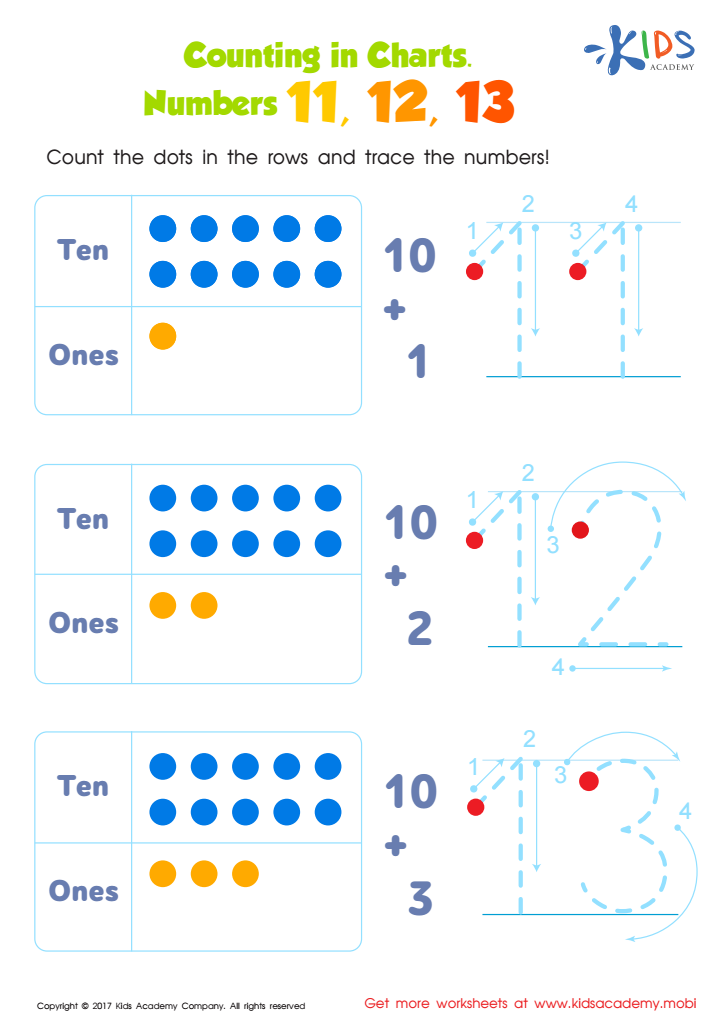
Number Tracing Worksheet For Kindergarten
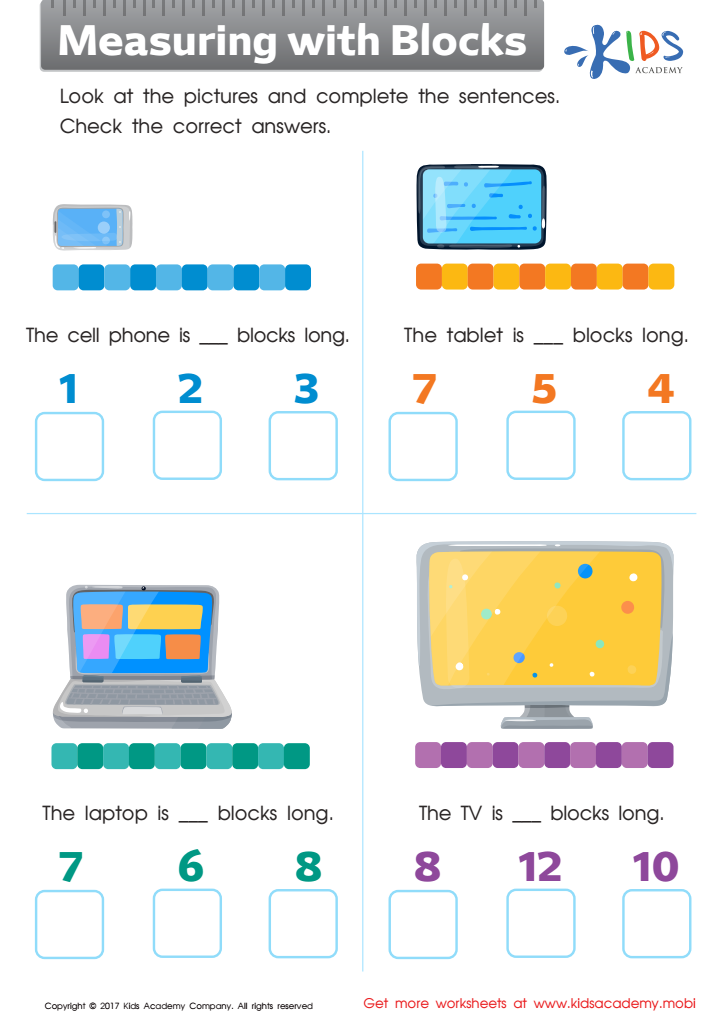
Measuring with Blocks Worksheet
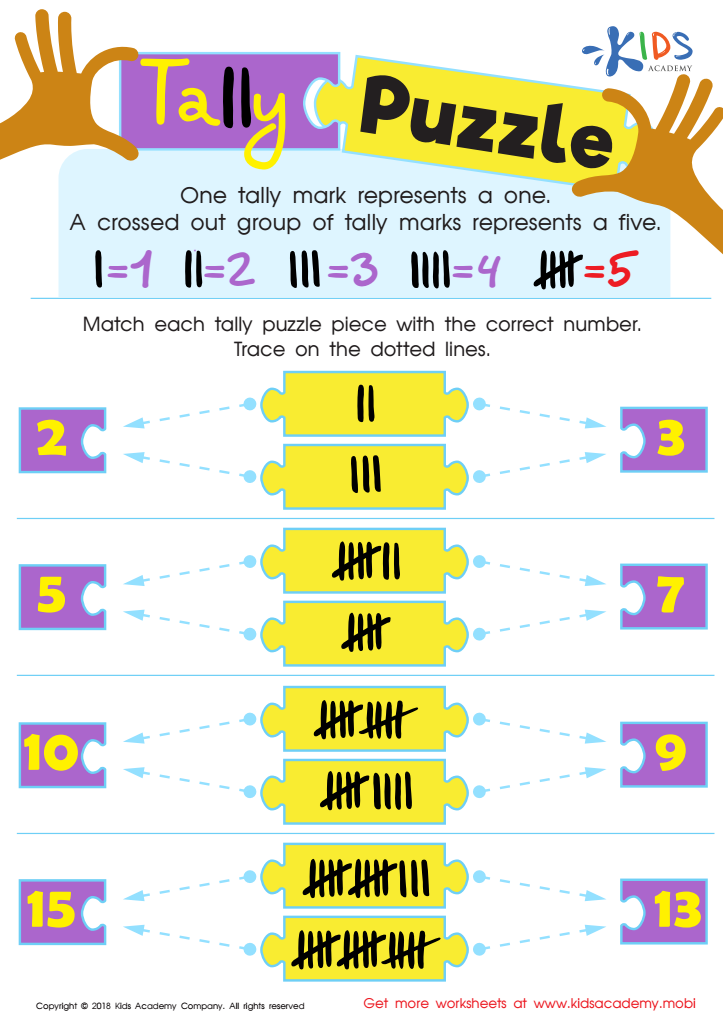
Tally Puzzle Worksheet
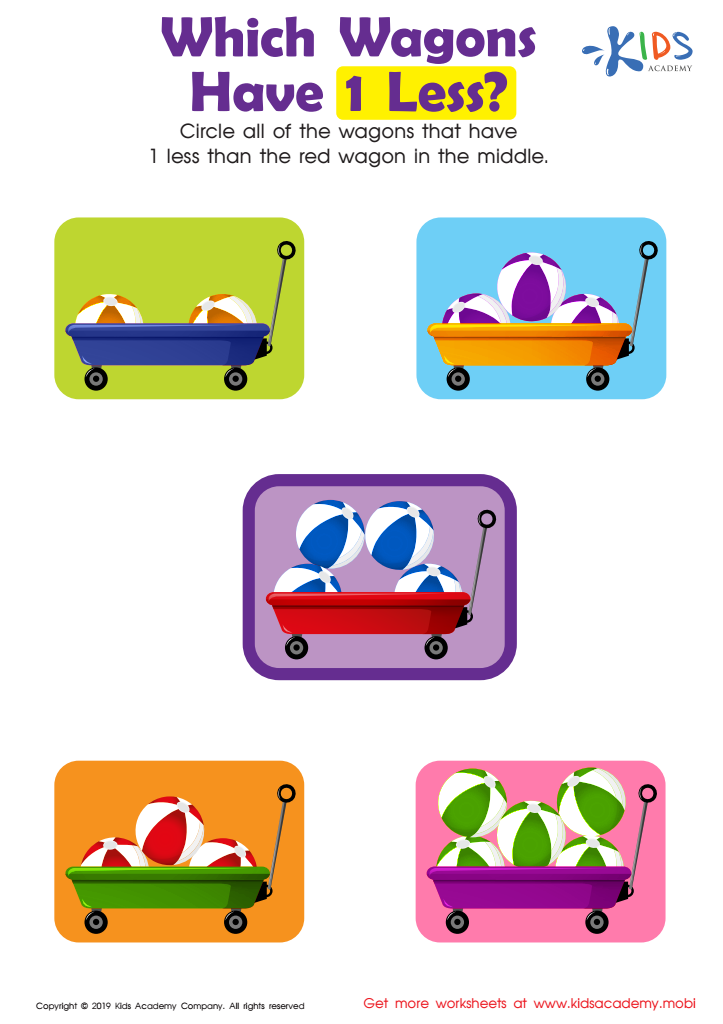
Which Wagons Have 1 Less? Worksheet


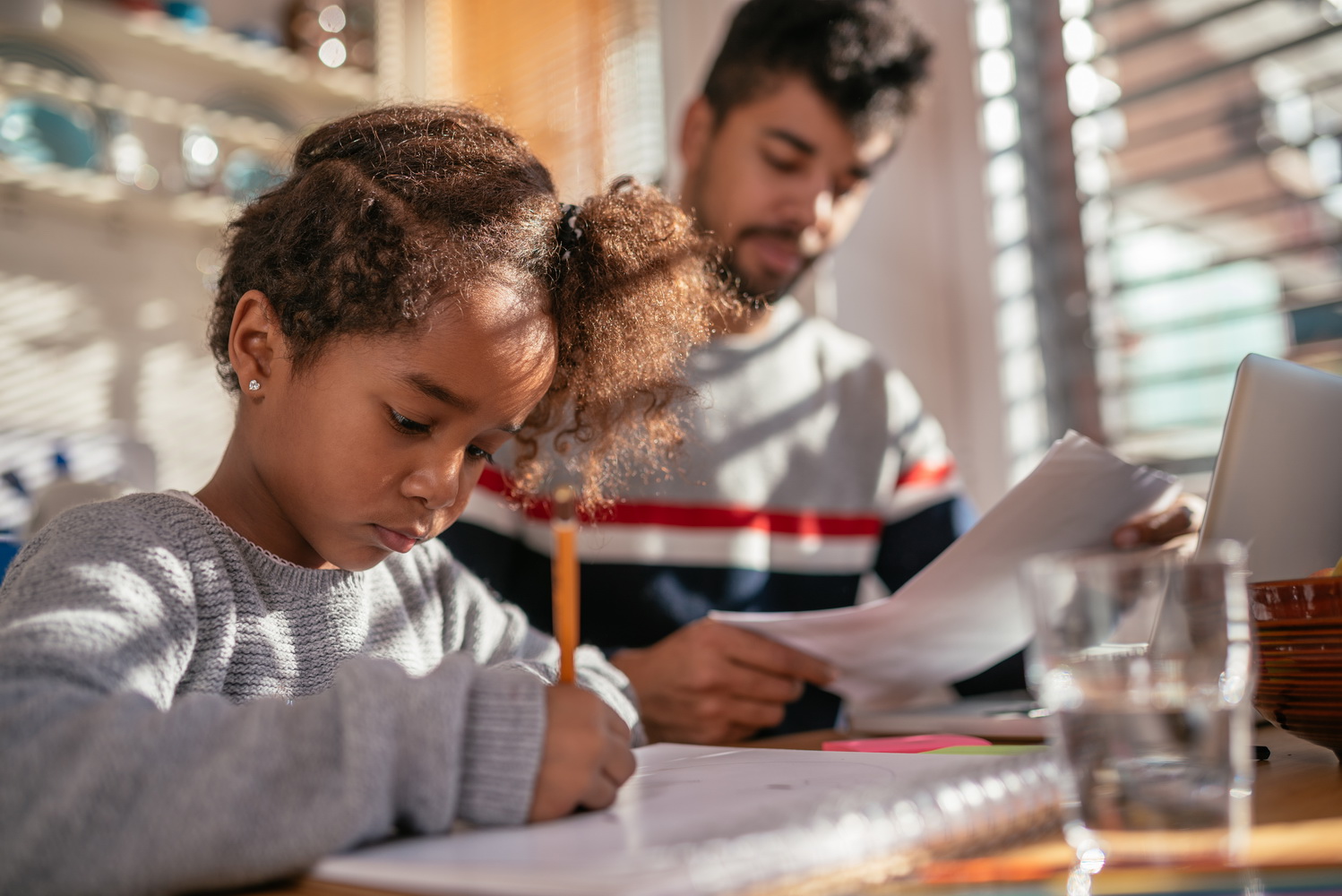





Basic counting skills form the foundation of a child's mathematical understanding and cognitive development. For parents and teachers, nurturing these skills in children aged 3-9 is crucial for several reasons. Firstly, counting serves as the building block for future math concepts, such as addition, subtraction, and more complex problem-solving. When children learn to count, they develop number sense—the ability to understand the relationship between numbers and their quantities.
Encouraging counting makes math engaging and fun. It can be integrated into everyday activities, helping children to see its relevance in real-world contexts, which reinforces learning. Moreover, strong counting skills enhance children’s confidence as learners. A solid understanding of numbers and quantities encourages them to participate actively in math-related activities, paving the way for academic success.
Additionally, basic counting helps improve cognitive skills, fine motor skills, and even language development as children learn to verbalize numbers. Ultimately, fostering counting skills in young learners prepares them for a lifetime of learning in mathematics and beyond. Therefore, parents and teachers should prioritize these skills to equip children with essential tools for their educational journeys.