Easy Numbers 0–10 Worksheets for Ages 3-9 - Page 4
74 filtered results
-
From - To
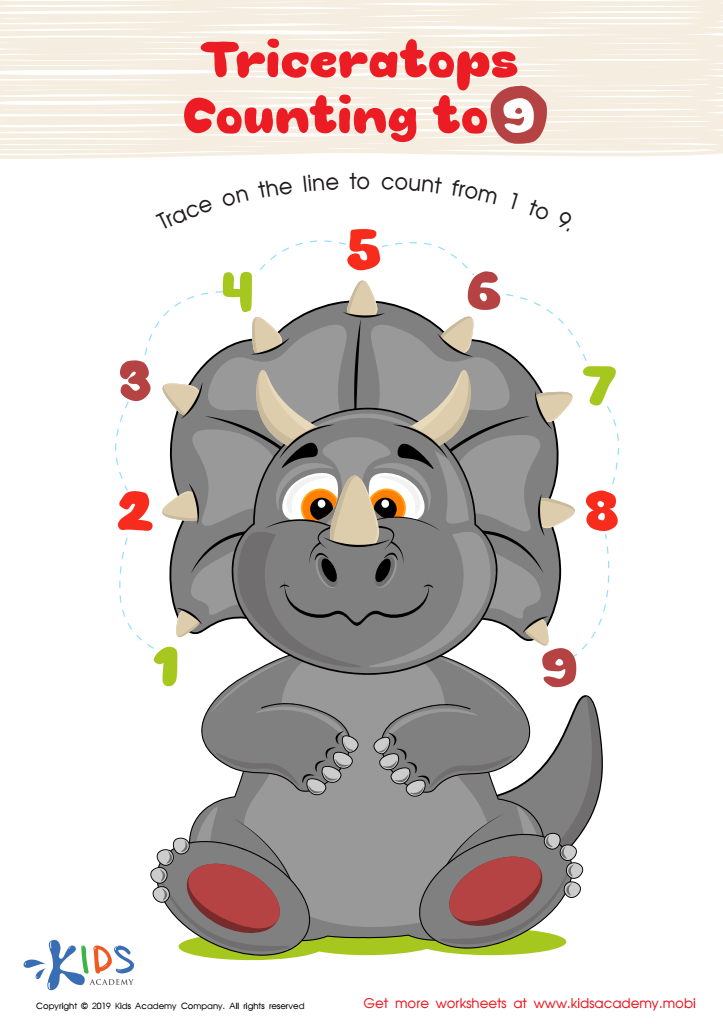
Triceratops Counting to 9 Worksheet
 Assign to My Students
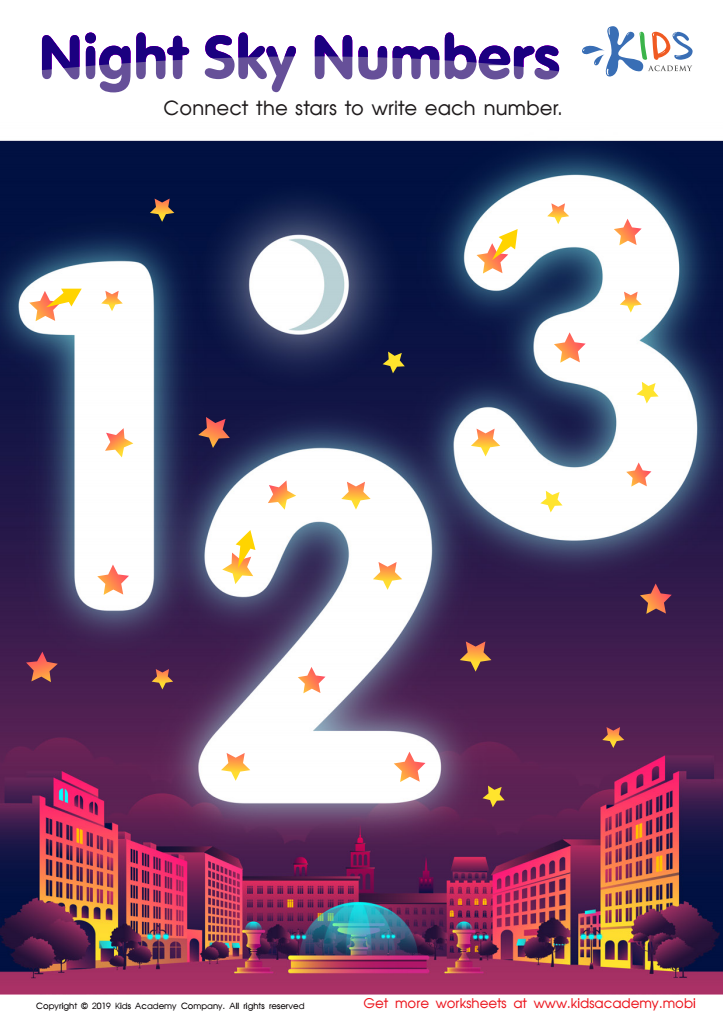
Night Sky Numbers Worksheet








Introducing young learners to Easy Numbers 0–10 between the ages of 3 to 9 is fundamentally important for several reasons. At this developmental stage, children are like sponges, soaking up information and establishing foundational skills that will be crucial for their future academic success. Mastering numbers 0–10 helps build a solid numerical foundation.
Firstly, these early numeracy skills set the stage for more advanced mathematical concepts. Understanding numbers 0-10 is not merely about memorization; it develops cognitive abilities vital for problem-solving, logical reasoning, and critical thinking. When children understand counting, addition, and subtraction basics, they can more easily comprehend complex math later.
Secondly, early exposure to numbers supports language development. Discussing quantities, sizes, and comparisons introduces children to important vocabulary and language structures. This supports better communication skills, enhancing their ability to describe the world around them with precision.
Thirdly, incorporating numbers in everyday activities makes learning practical and fun, offering children real-world applications. For instance, counting fruits, recognizing number patterns in nature, or tallying toys make numbers tangible and relevant.
Lastly, grasping numbers builds confidence. As children master these fundamental skills, they gain a sense of accomplishment, encouraging a positive attitude towards learning in general.
Therefore, encouraging numeracy from a young age sets a comprehensive foundation for a child's educational journey.