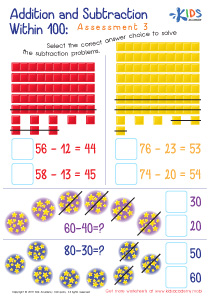
Hand-eye Coordination Easy Numbers up to 100 Worksheets for Ages 3-9
3 filtered results
Difficulty Level
Grade
Age
-
From - To
Subject
Activity
Standards
Discover our "Hand-eye Coordination Easy Numbers up to 100 Worksheets" ideal for children ages 3-9. These engaging resources not only enhance numerical skills but also boost fine motor skills and hand-eye coordination. Perfect for young learners, the worksheets include fun activities like tracing, matching, and counting, keeping kids entertained while they learn. Each worksheet is thoughtfully crafted to support early development, making math practice enjoyable and effective. Whether at home or in the classroom, our worksheets provide the perfect balance of education and entertainment to foster a love for learning in children. Download yours today!
Favorites
With answer key
Interactive
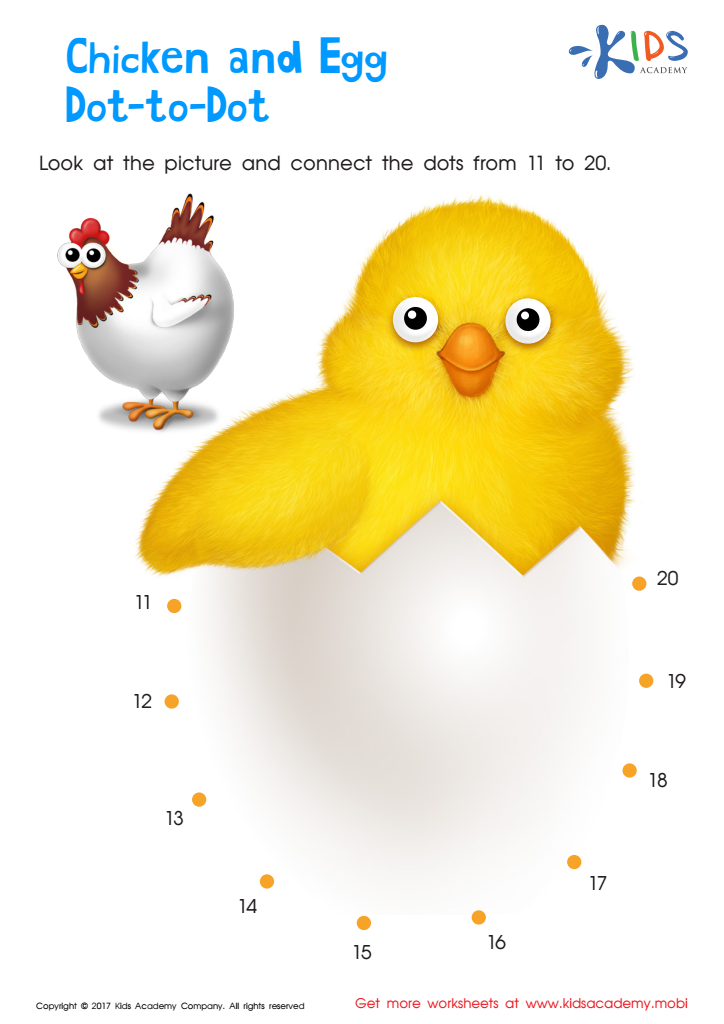
Ordering 11–20: Chicken & Egg Dot–to–dot Worksheet
Help your child hatch the chick and practice their counting skills with this dot to dot worksheet – the chicken came first! Connect the dots 11-20 to have fun and learn at the same time. Experience meaningful practice and gain confidence while drawing great pictures.
 Assign to My Students
Ordering 11–20: Chicken & Egg Dot–to–dot Worksheet
Worksheet
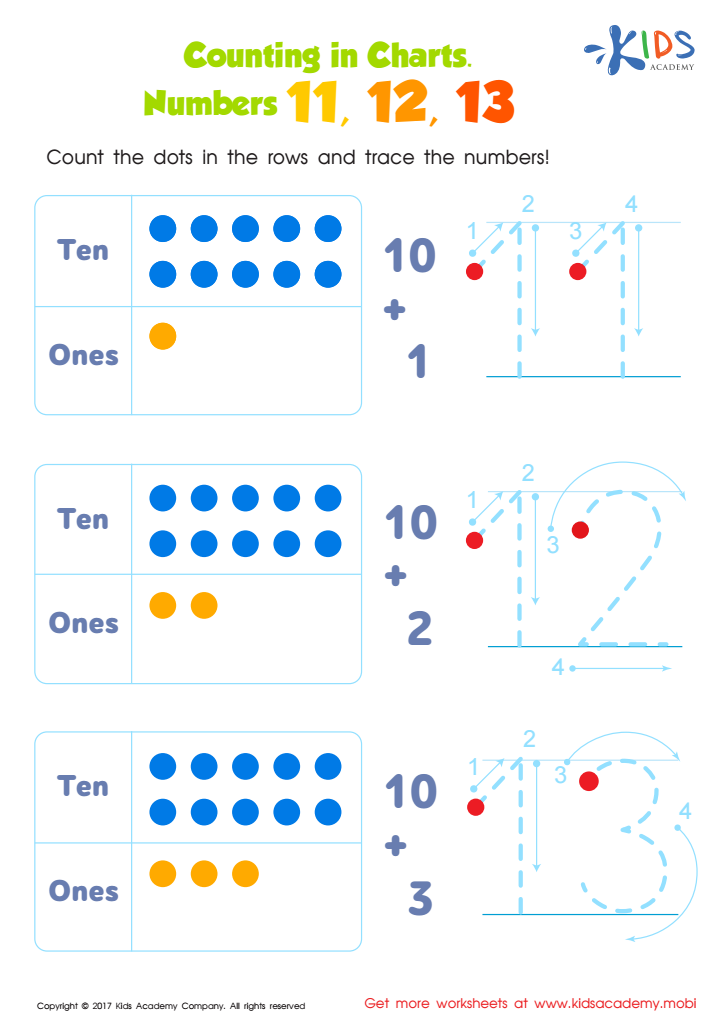
Number Tracing Worksheet For Kindergarten
Help your child develop addition skills and improve number recognition with this easy-to-use worksheet. Have them count the dots and add to solve each problem. Then, trace over the number to complete each row! It's a fun and simple way for kindergarteners to practice their math skills.
Number Tracing Worksheet For Kindergarten
Worksheet
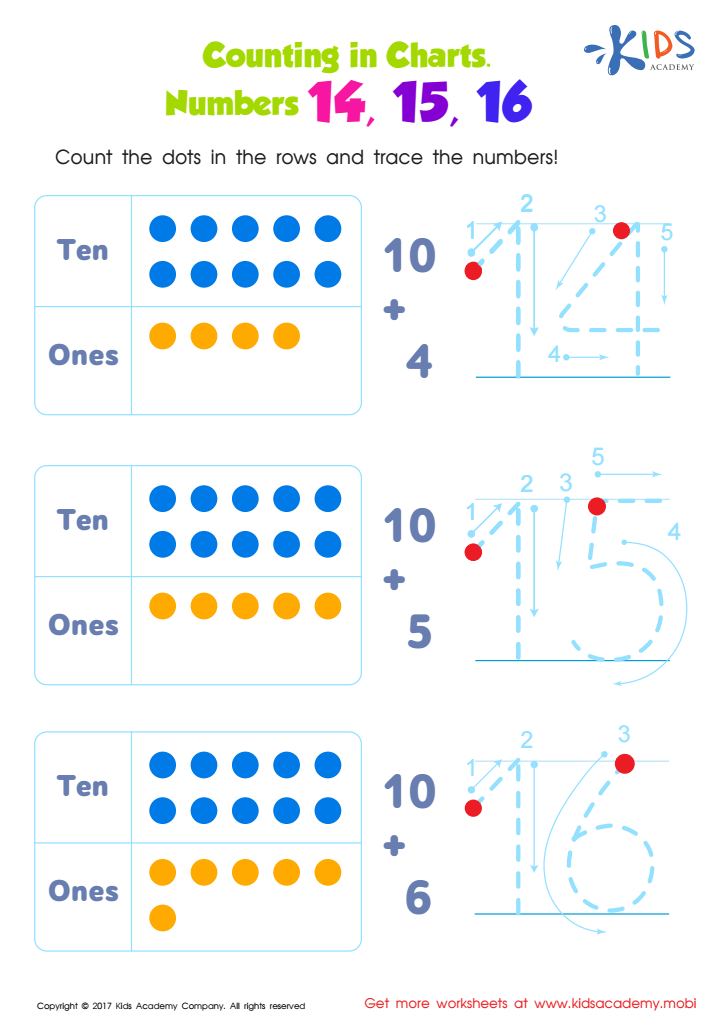
Number Tracing Worksheet
Kids learn math with counters and place value! This handy worksheet helps form a foundation for math skills and number sense! Have your child count the dots and trace the answers to the addition problems. It's a great way to support their math skills!
Number Tracing Worksheet
Worksheet
Join Kids Academy for Free
Who is primarily going to use this learning content?



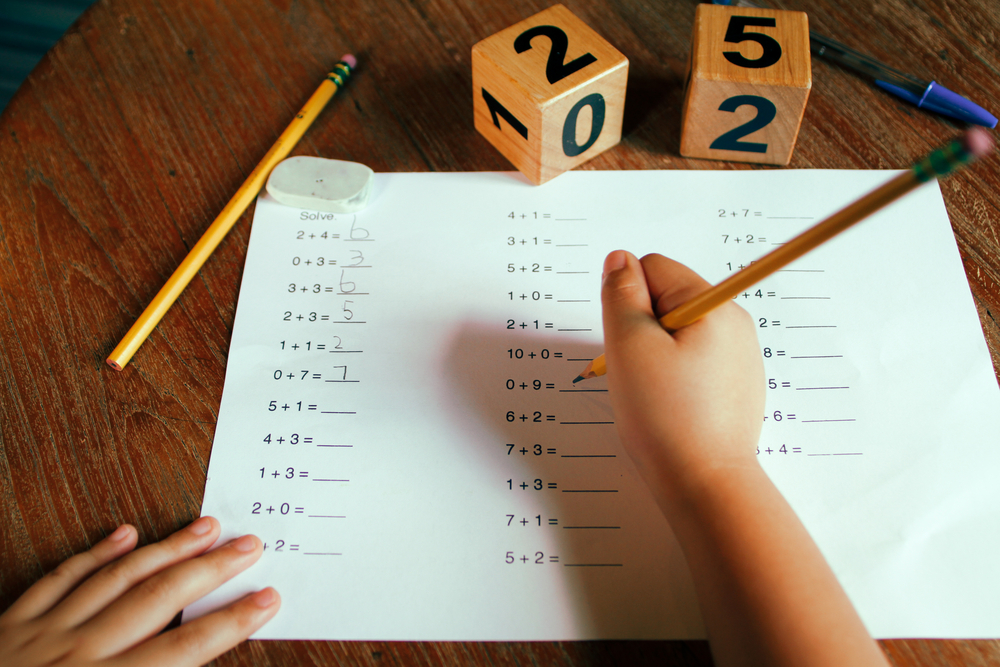




Hand-eye coordination is a crucial skill that children need to develop early in their lives as it has profound implications on their cognitive and motor development. Integrating Hand-eye Coordination with Easy Numbers up to 100 for children ages 3-9 can provide multiple developmental benefits. At this age, children's brains are highly receptive to learning, and exercises that blend physical coordination with numerical understanding can enhance neural connections.
Firstly, working on hand-eye coordination while dealing with numbers can aid in developing fine motor skills. Activities such as tracing numbers, picking up small objects labeled with numbers, or arranging numbered cards enhance dexterity and precision. These fine motor skills are vital for everyday tasks like writing, tying shoelaces, and even using utensils.
Secondly, integrating numbers into coordination tasks also builds cognitive skills. Recognizing and interacting with numbers up to 100 helps children with number familiarity, basic arithmetic principles, and pattern recognition. Such dual-focused activities ensure that children are not only practicing physical movements but also engaging in mental calculations, fostering a stronger foundation in both physical and intellectual domains.
Lastly, these activities can make learning more enjoyable and engaging, as children often find hands-on experiences more enjoyable than passive activities. Thus, empowering them with essential life skills and nurturing a love for learning.