Sequencing Skills Easy Reading Worksheets for Ages 3-9
3 filtered results
-
From - To
Enhance your child's reading proficiency and cognitive development with our Sequencing Skills Easy Reading Worksheets designed for ages 3-9. These engaging worksheets are expertly crafted to help young learners understand the order of events in a story, crucial for developing reading comprehension, logic, and memory skills. Suitable for pre-kindergarten to third graders, each activity is tailored to be fun and educational, promoting critical thinking and attention to detail. With colorful illustrations and simple instructions, our sequence worksheets make learning enjoyable and accessible, ensuring a solid foundation for future academic success. Discover the joy of learning with Kids Academy!
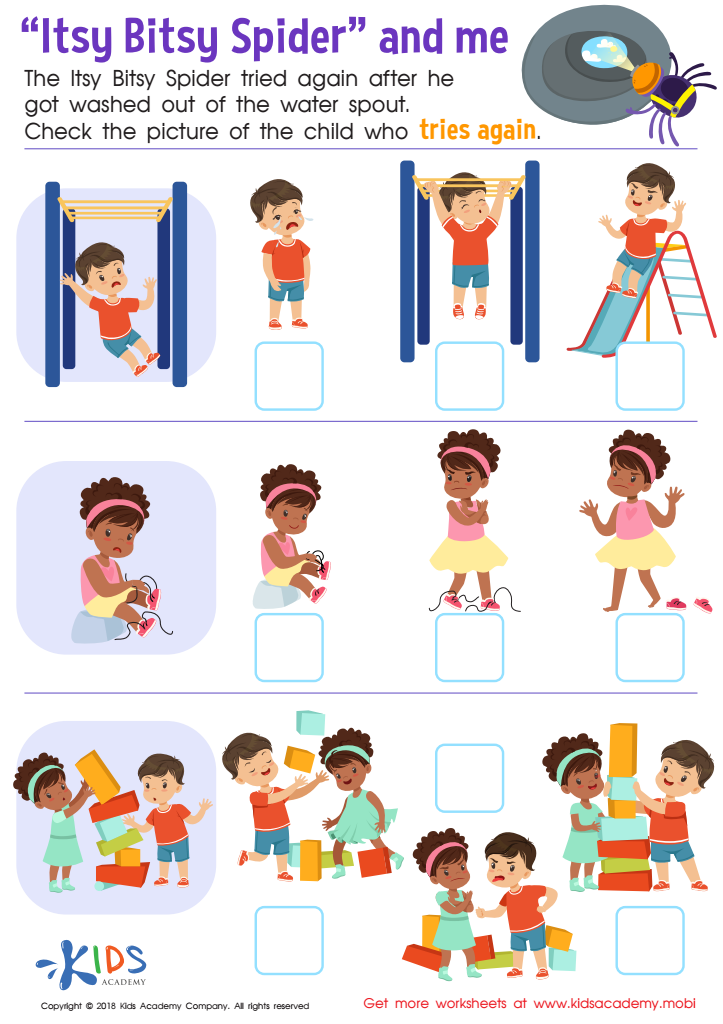
Itsy Bitsy Spider and Me Worksheet
 Assign to My Students
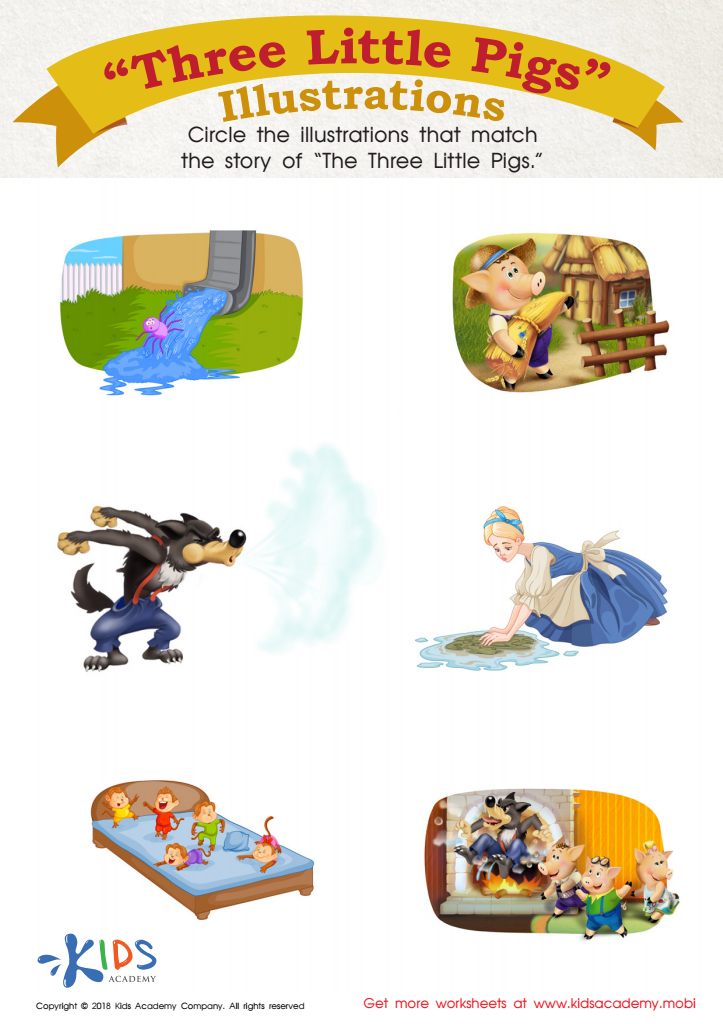
Three Little Pigs: Illustrations Worksheet
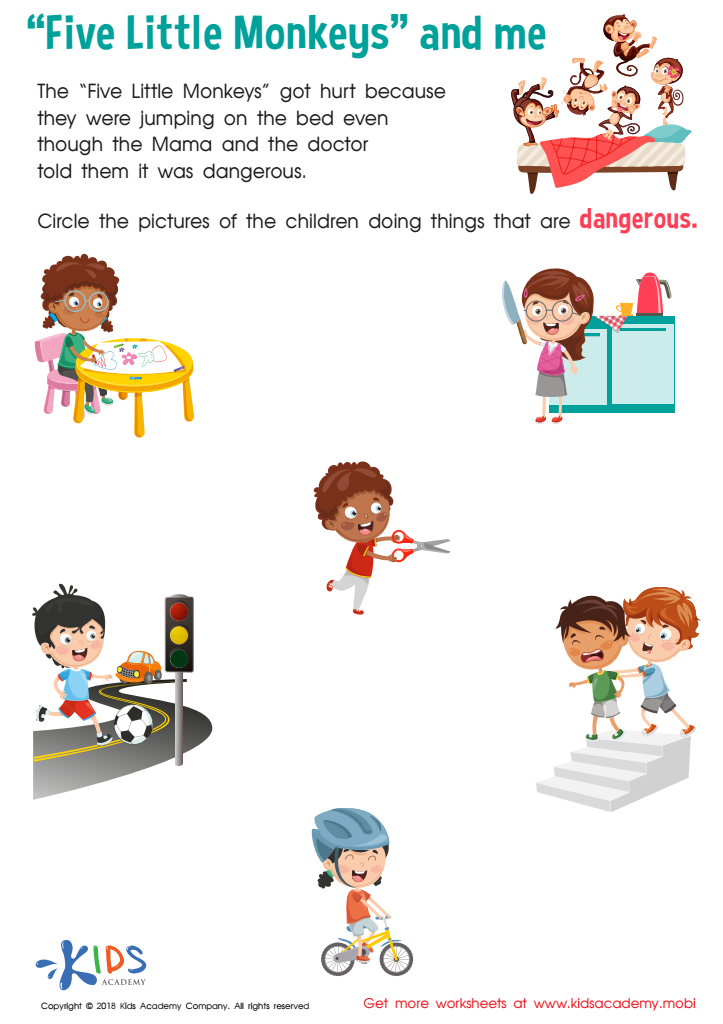
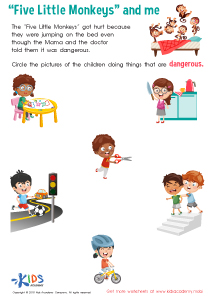
Five Little Monkeys and Me Worksheet



.jpg)




Sequencing skills play a fundamental role in early reading development for children aged 3-9, a critical phase for cognitive and linguistic growth. Parents and teachers should care deeply about these skills because they form the foundation for understanding and organizing information, which is essential for reading comprehension and overall academic success.
Sequencing refers to the ability to recognize and organize events, instructions, or actions in a logical order. For young children, mastering this skill is critical as it aids in comprehending stories and texts. By identifying sequences, children can predict events, make sense of narratives, and enhance their memory retention. This cognitive structuring, in turn, not only boosts reading skills but also nurtures problem-solving abilities and critical thinking.
Moreover, strong sequencing skills enhance children’s writing abilities by helping them organize their thoughts and create coherent narratives. In everyday life, these skills support children in following multi-step directions, thereby promoting independence and improving social interactions.
For educators and parents, emphasizing sequencing through activities like picture stories, story retelling, and sequencing games can make learning enjoyable and effective. By fostering these skills early on, we equip children with the tools they need to succeed both academically and in their daily lives, laying a robust groundwork for lifelong learning.