History knowledge Easy Worksheets for 3-Year-Olds
3 filtered results
-
From - To
Discover "History Knowledge Easy Worksheets for 3-Year-Olds" on Kids Academy! Tailored perfectly for young learners, our worksheets make history fun and engaging. Dive into colorful activities that introduce basic historical concepts, cultivating curiosity and a love for learning. These printable worksheets are designed to be age-appropriate, promoting critical thinking and foundational knowledge through playful methods. Ideal for parents and educators looking to foster early historical awareness, our resources help children recognize influential figures, important events, and key traditions. Start your child's educational journey with fun and easy history worksheets from Kids Academy today!
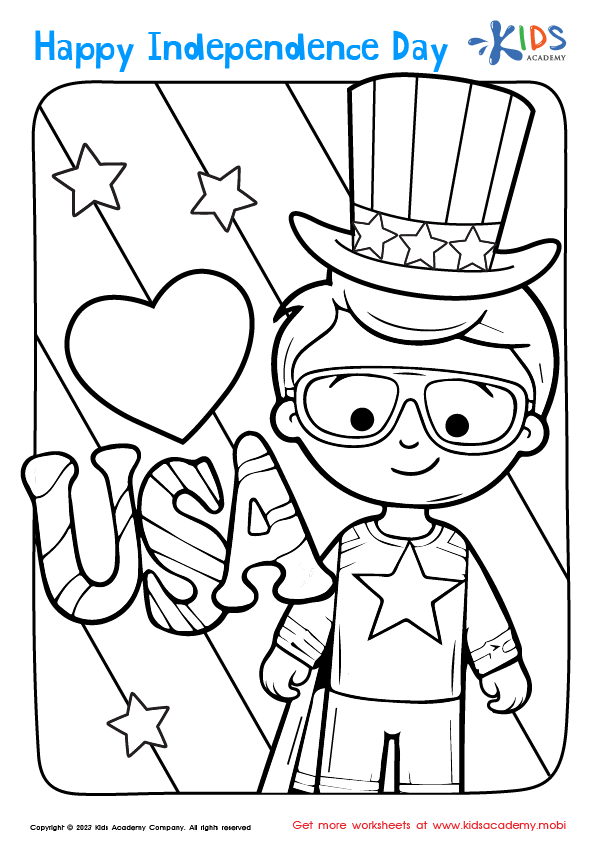
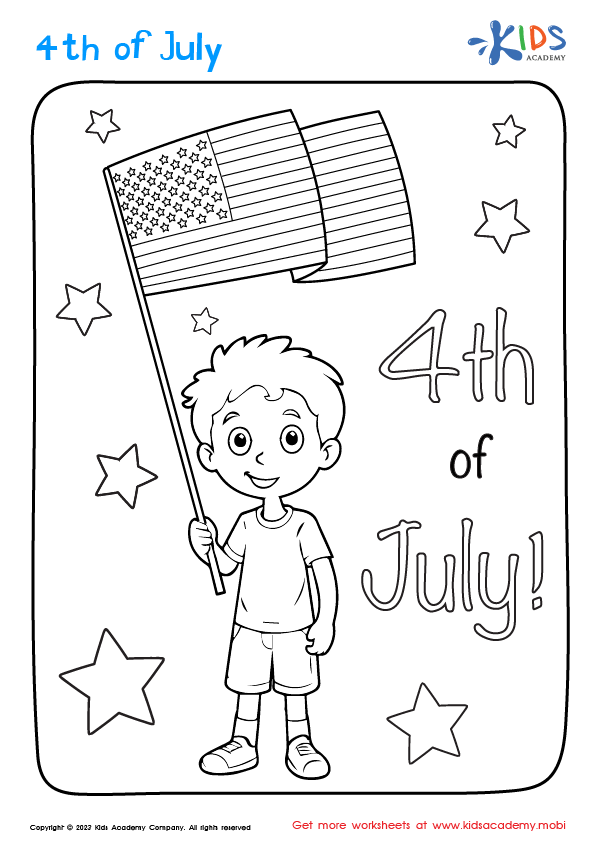









Parents and teachers should care about imparting history knowledge to 3-year-olds as it fosters a sense of identity and belonging. At a fundamental level, understanding basic historical concepts can help young children grasp the idea of time—knowing that events and people existed before them helps build their cognitive framework for past, present, and future.
Introducing history in a fun and easy way can also enhance language and storytelling skills, as kids love hearing stories about different times and places. This can be done through engaging activities, like reading age-appropriate books, discussing family heritage, and celebrating cultural traditions. Understanding history broadens their worldview, helping them appreciate diversity and understand the contributions of various cultures, promoting empathy and open-mindedness.
By teaching simple history, we lay a foundation for critical thinking. Children learn to ask questions, differentiate between what happened when, and draw comparisons with their own lives. A basic awareness of historical achievements and figures can be inspiring, teaching them about courage, resilience, and the impact one can have on the world.
In sum, while 3-year-olds may not grasp detailed historical events, age-appropriate, narrative-based history exposure can significantly support their overall development—cognitively, socially, and emotionally.








