Cognitive Development Easy Numbers Worksheets for 3-Year-Olds
8 filtered results
-
From - To
Nurture your child's early cognitive development with our "Easy Numbers Worksheets for 3-Year-Olds." These engaging and educational worksheets are specifically designed to help young learners grasp foundational math skills, including number recognition and counting. By incorporating fun and interactive activities, our worksheets make learning a delightful experience for preschoolers. Perfect for parents and educators, these resources promote problem-solving abilities and critical thinking from an early age. Unlock your child’s potential and build a strong mathematical foundation while enhancing their cognitive skills through our expertly crafted, easy-to-understand worksheets. Explore more at Kids Academy!
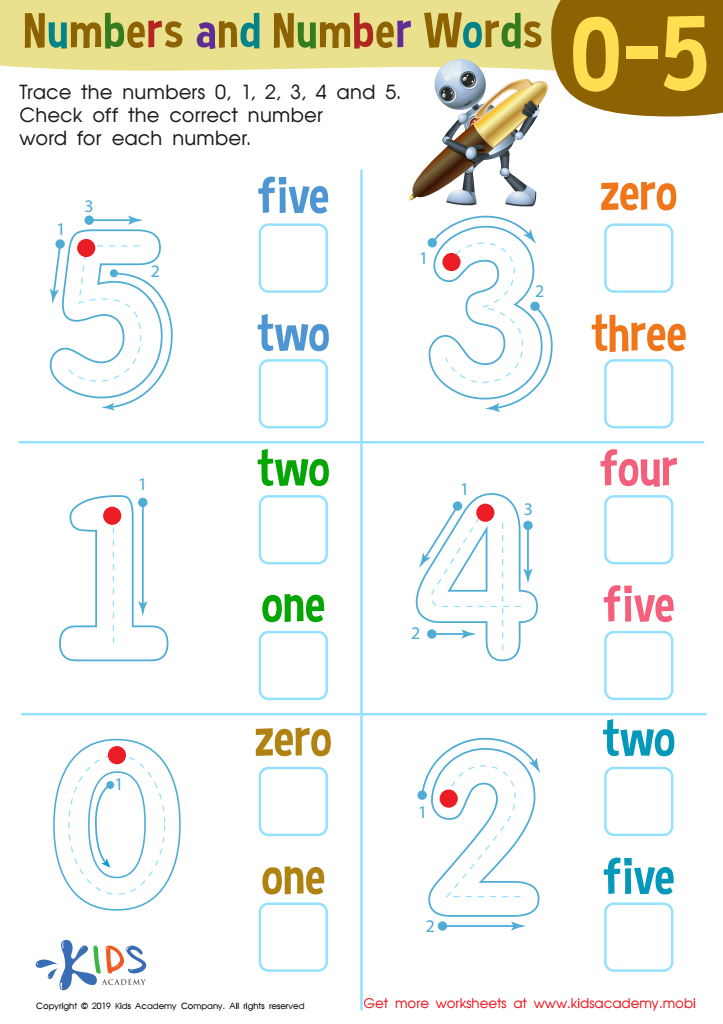
Numbers and Number Words Worksheet
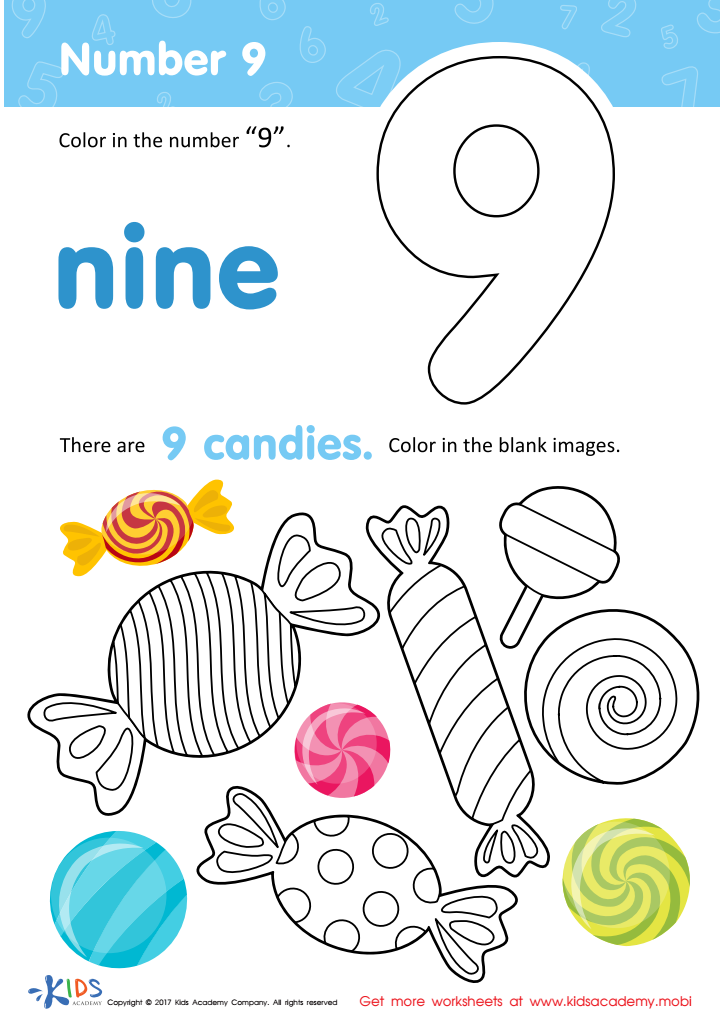
Number 9 Printable
 Assign to My Students
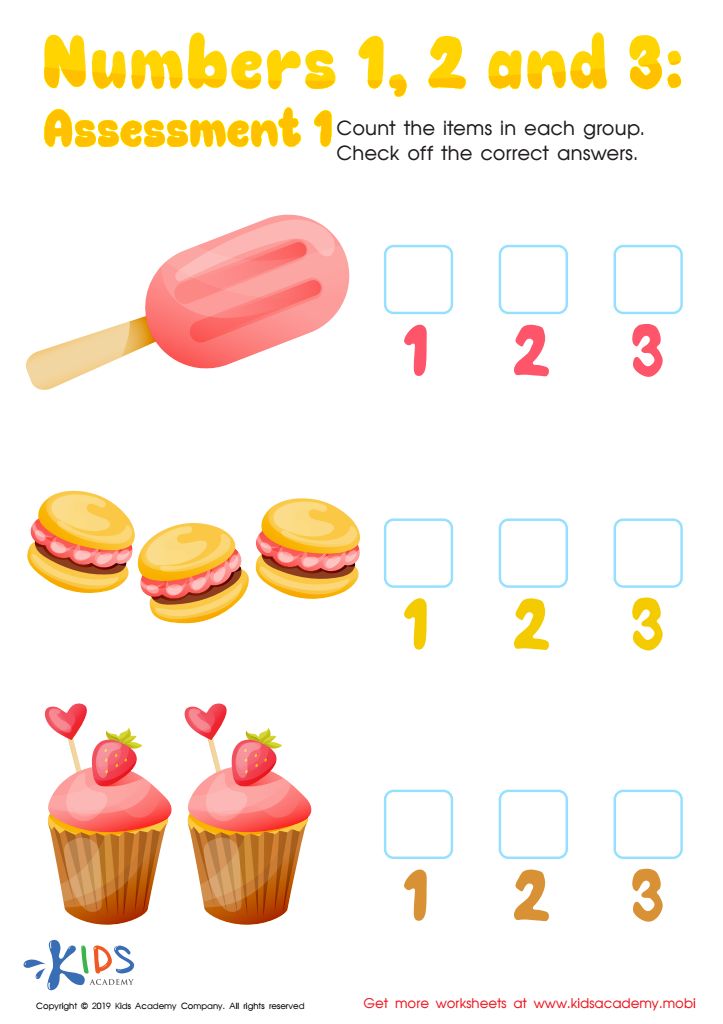
Numbers 1, 2 and 3: Assessment 1 Worksheet
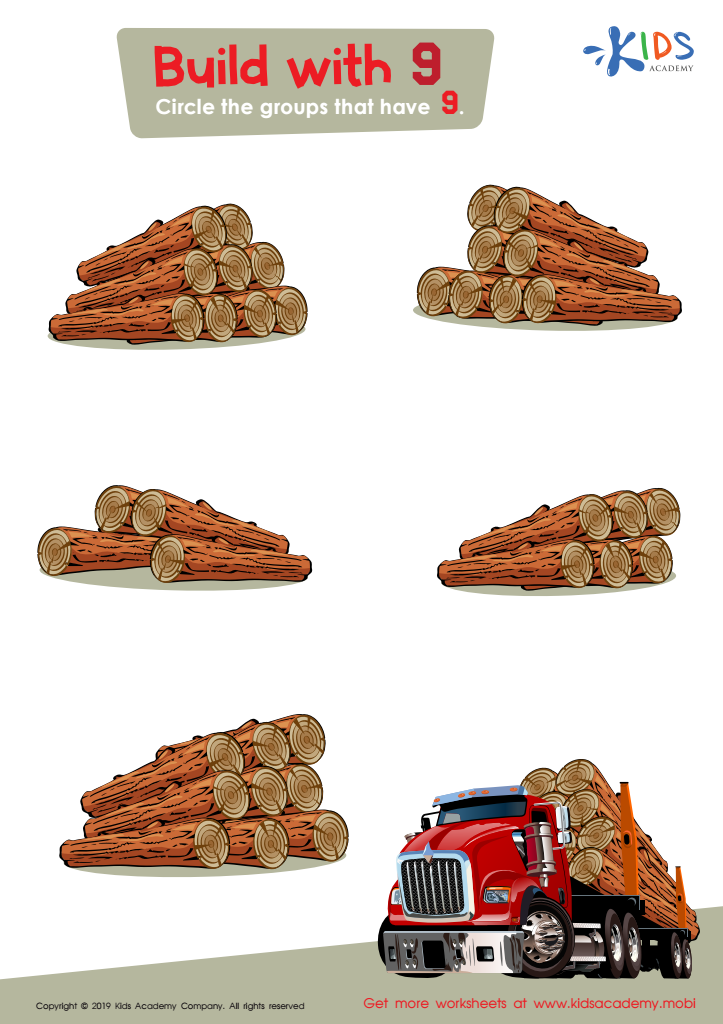
Build with 9 Worksheet
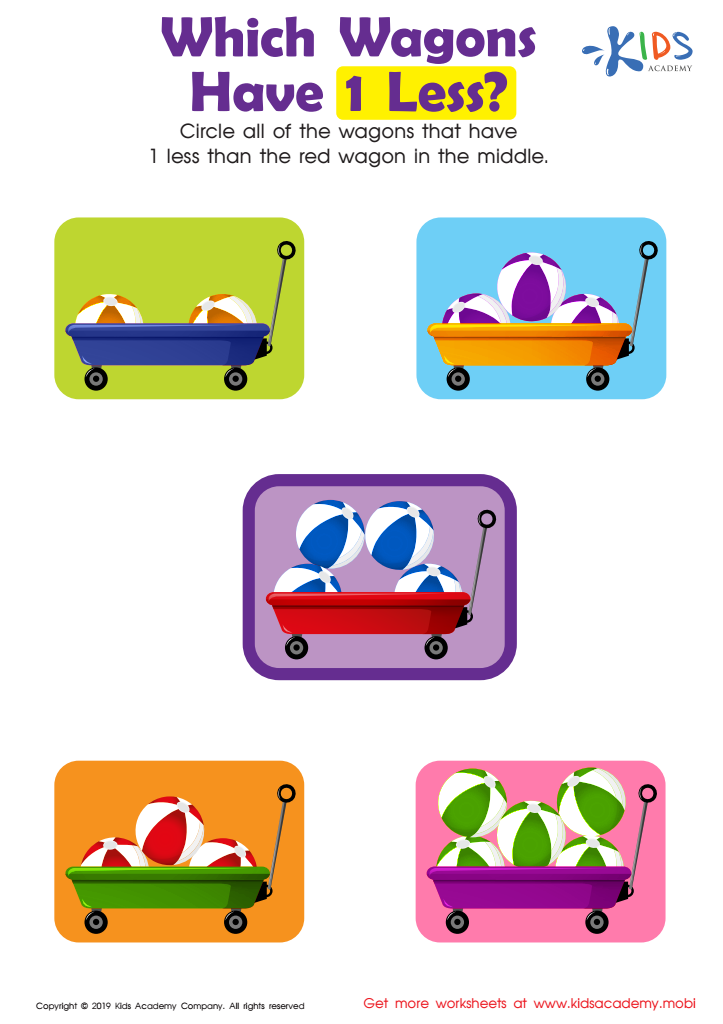
Which Wagons Have 1 Less? Worksheet
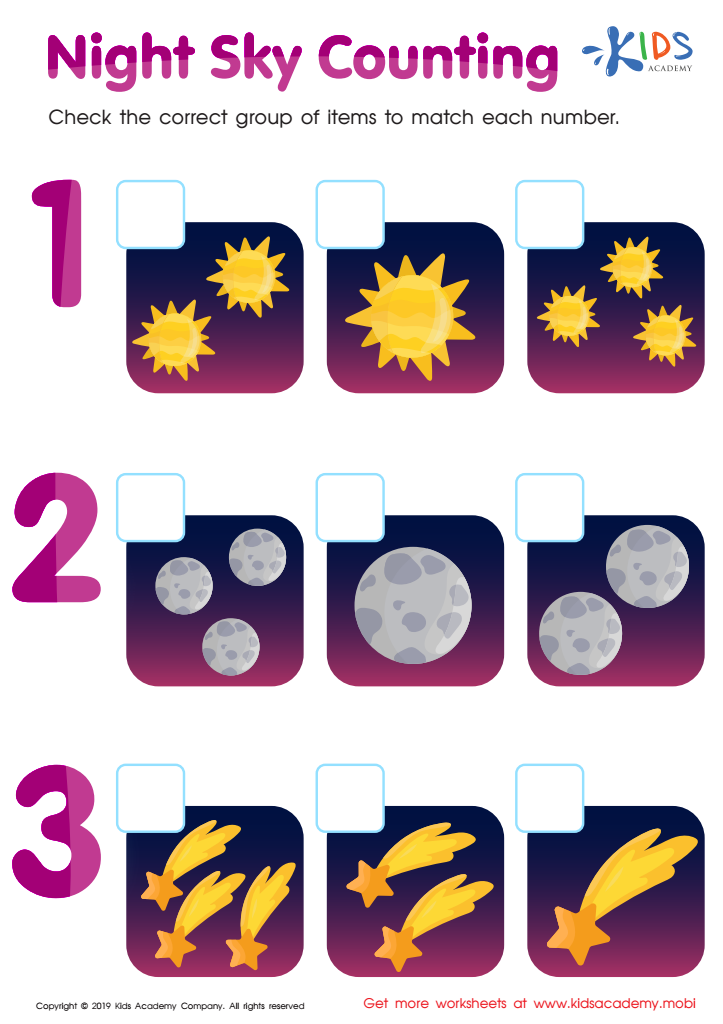
Night Sky Counting Worksheet
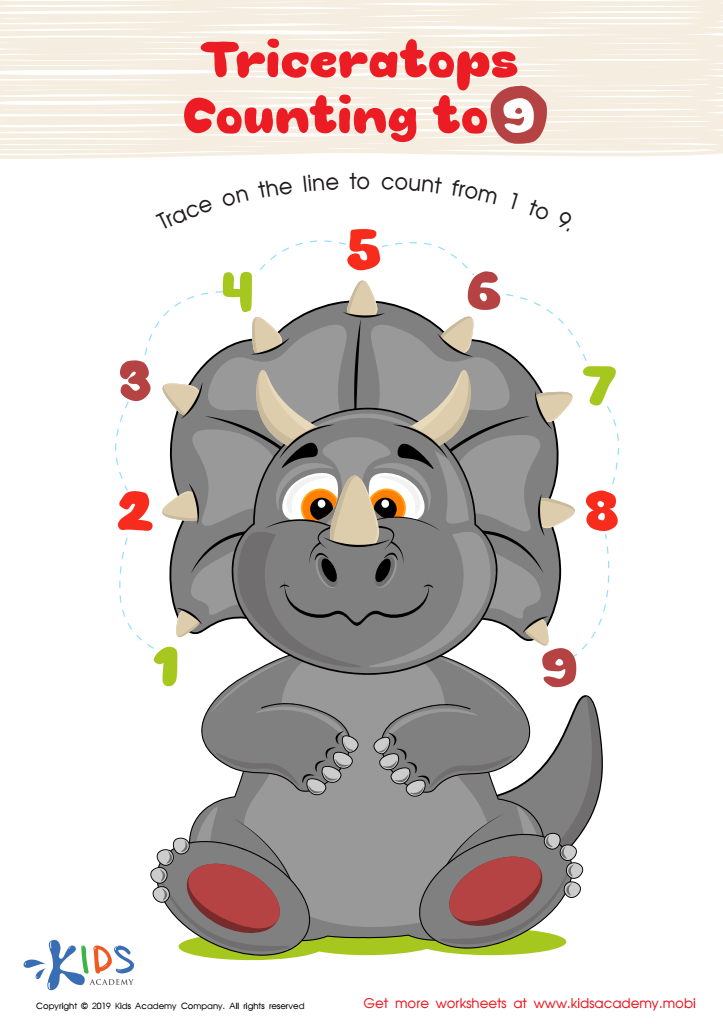
Triceratops Counting to 9 Worksheet
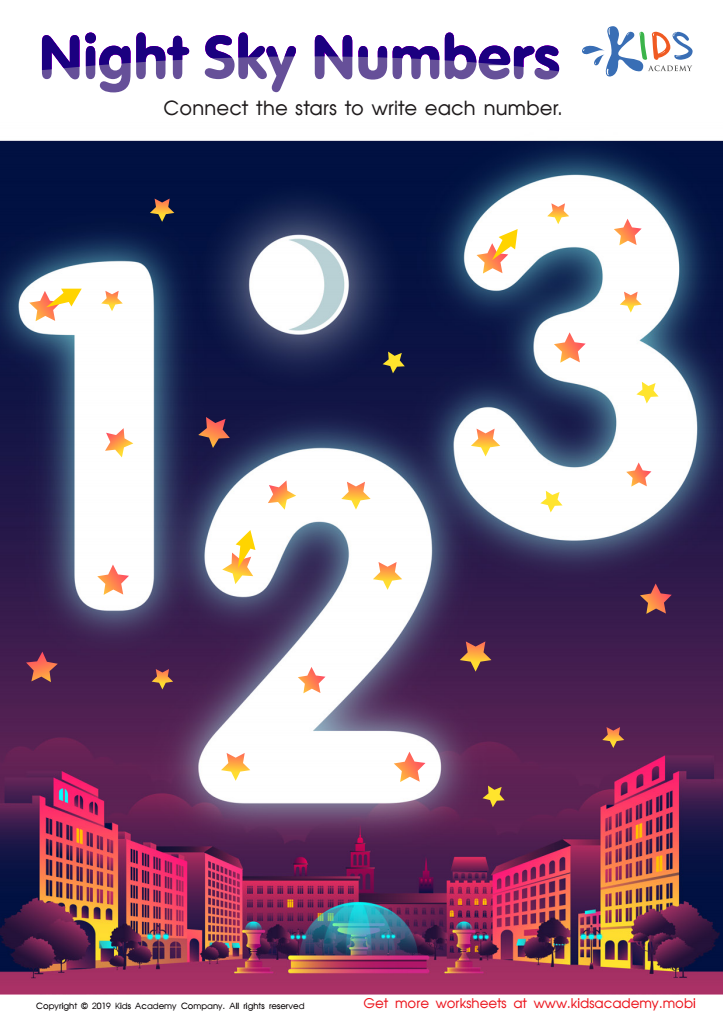
Night Sky Numbers Worksheet



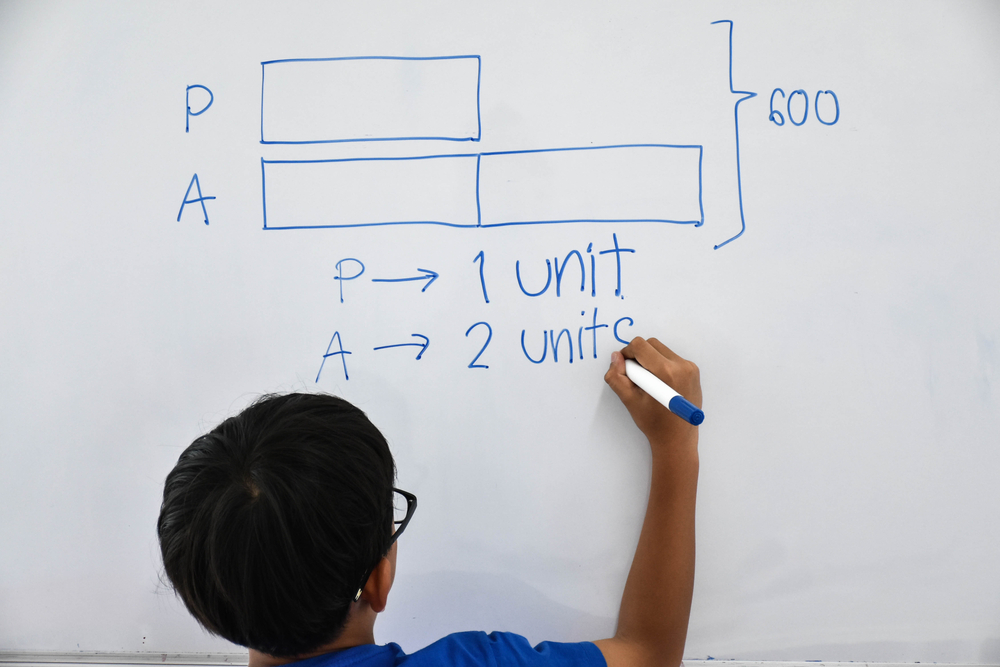




As young children like 3-year-olds navigate their formative years, their cognitive development is exceptionally rapid and nuanced. It is during this crucial period that the foundation for future learning and intellectual skills is built. Therefore, focusing on fostering cognitive development for tasks such as understanding and using "easy numbers" is vitally important.
Engaging 3-year-olds in simple numerical activities helps nurture their ability to count, recognize numbers, and grasp basic principles of quantity and comparison. These early numeracy skills are fundamental building blocks for more complex mathematical concepts they will encounter in school. Additionally, early interaction with numbers promotes problem-solving skills, logical thinking, and the ability to make connections between the abstract and the concrete.
Parents and teachers play a pivotal role in this developmental phase by providing age-appropriate numerical activities and contexts. Simple games, puzzles, and conversations involving numbers can be both enjoyable and educational. Introducing these skills in a playful and supportive environment will not only make learning enjoyable but also encourage a positive attitude towards mathematics, ultimately fostering a child's confidence and curiosity in learning. Therefore, prioritizing cognitive development in easy numbers goes beyond numbers themselves; it's about opening the doors to a child's future academic success and lifelong analytical abilities.








