Fine Motor Skills Easy ABC Letters Worksheets for Ages 4-5
6 filtered results
-
From - To
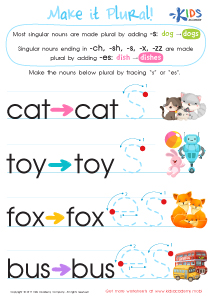
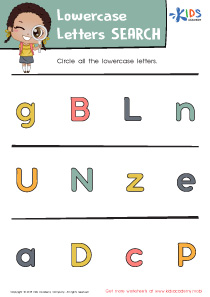
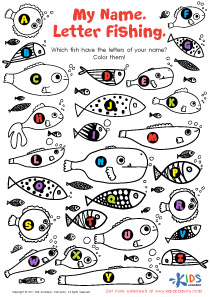
Unlock your child's potential with our "Fine Motor Skills Easy ABC Letters Worksheets for Ages 4-5." Designed specifically for young learners, these engaging worksheets combine alphabet recognition and fine motor skill development. Children will enjoy tracing, coloring, and interacting with each letter, enhancing their pencil grip and hand-eye coordination. Ideal for preschool and kindergarten settings, our printable resources promote letter comprehension while fostering creativity and focus. Perfect for little hands, these worksheets make learning the ABCs fun and effective! Download now to give your child a head start in literacy and fine motor skill mastery.
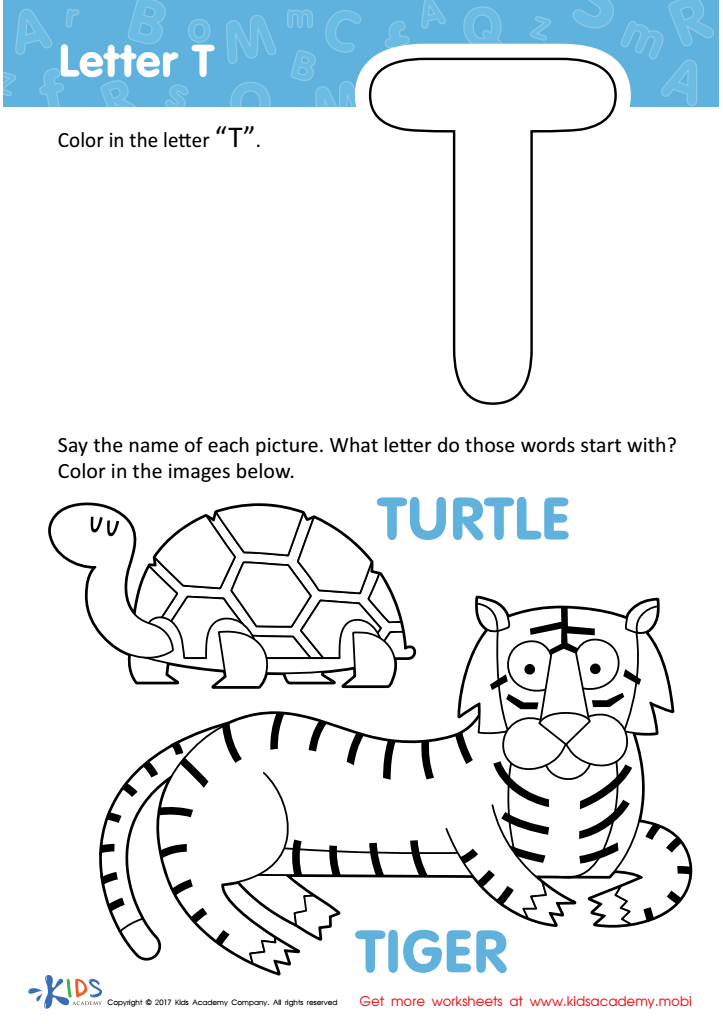
Letter T Coloring Sheet
 Assign to My Students






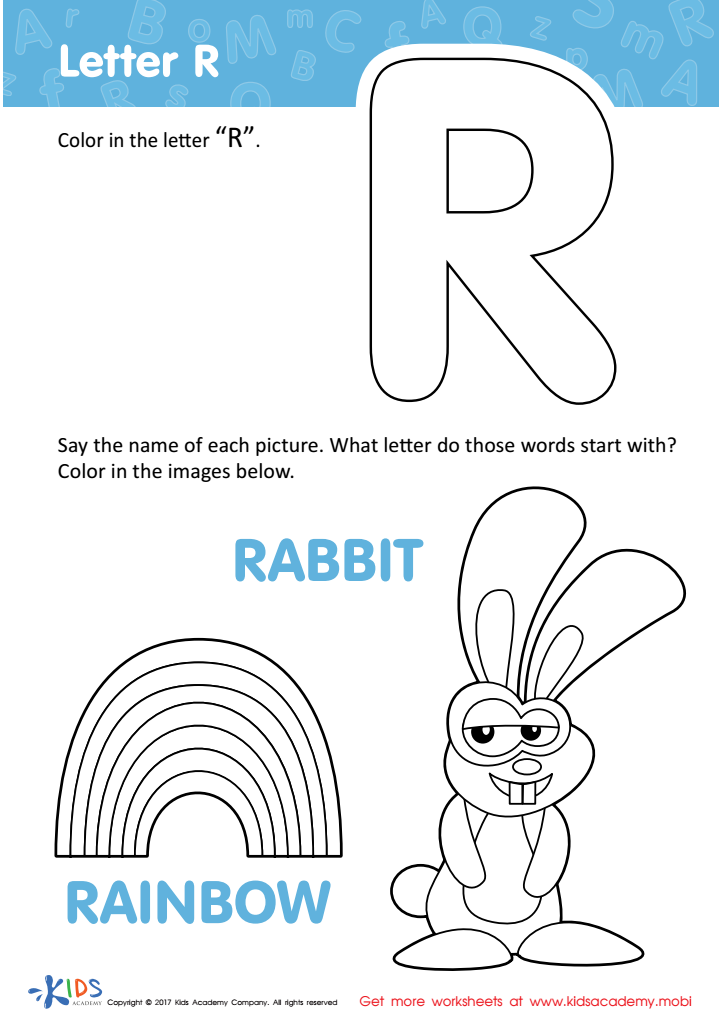
Letter R Coloring Sheet
Assign to My Students
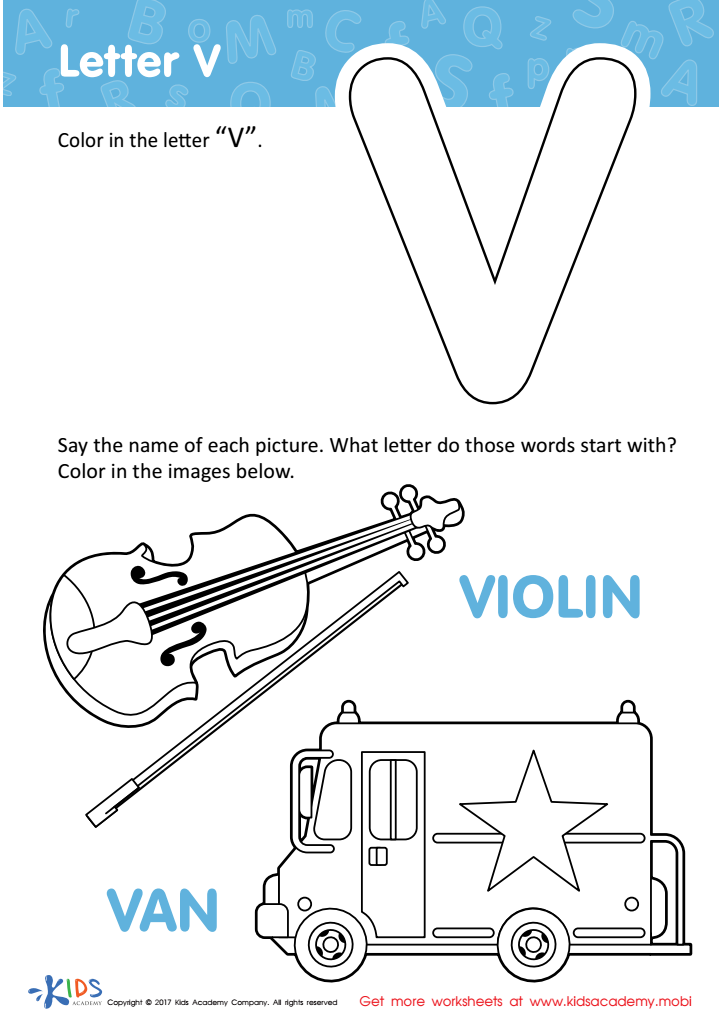
Letter V Coloring Sheet
Assign to My Students
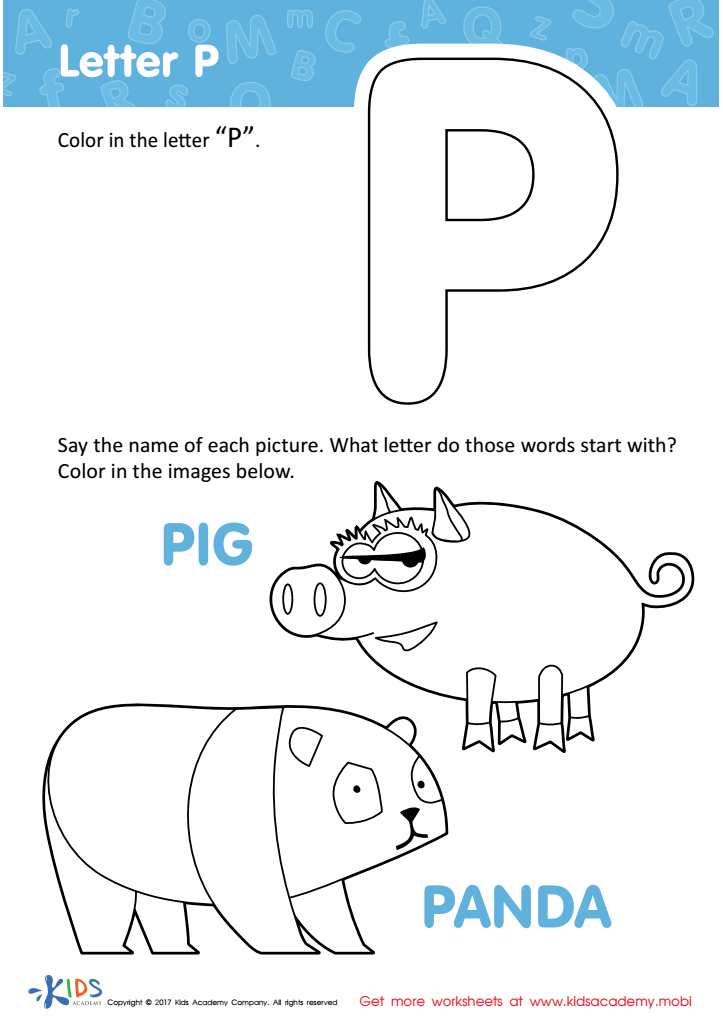
Letter P Coloring Sheet
Assign to My Students
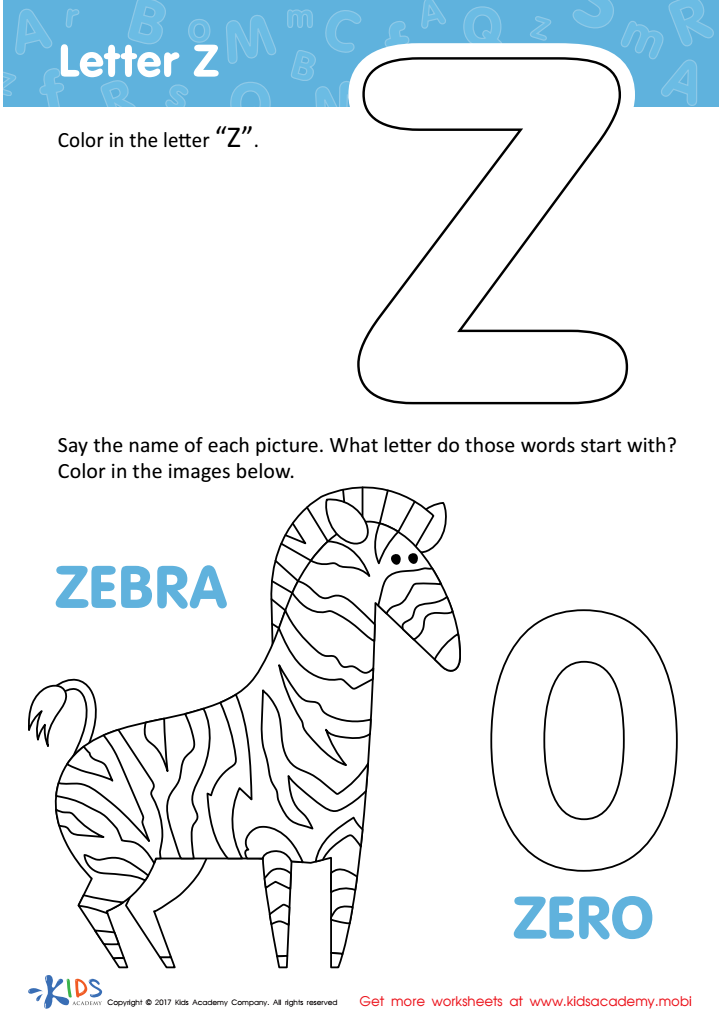
Letter Z Coloring Sheet
Assign to My Students
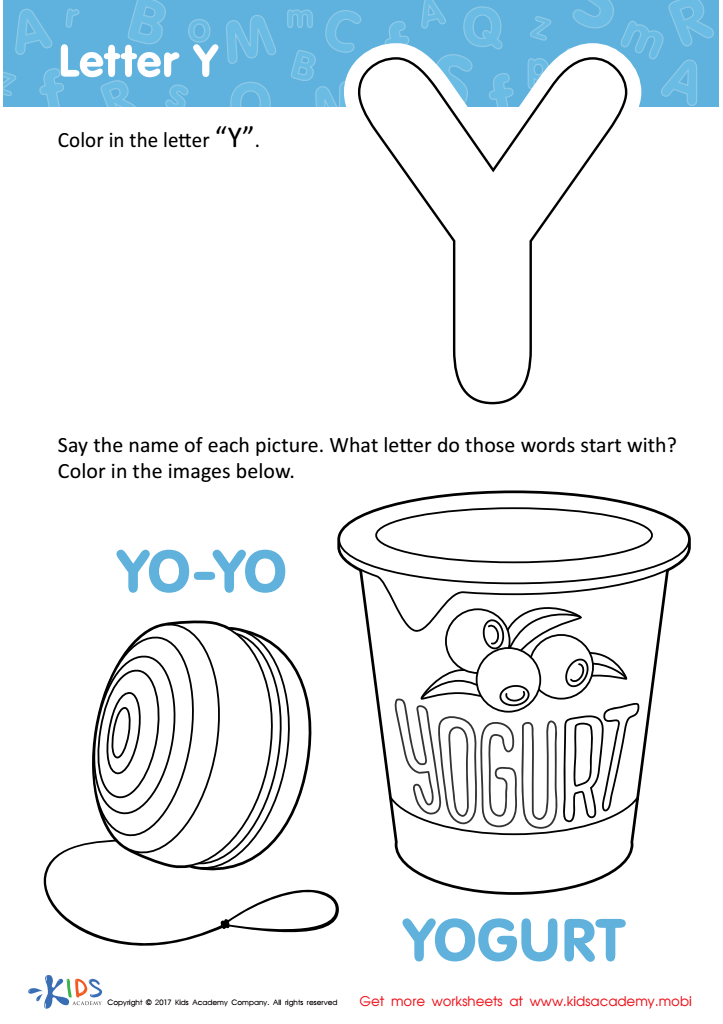
Letter Y Coloring Sheet
Assign to My Students







Fine motor skills are essential for young children as they form the basis for many everyday tasks and academic skills, particularly in literacy. For children aged 4-5, learning to recognize and write letters of the alphabet is a foundational skill that should be supported through activities focused on fine motor development.
Engaging in activities that promote fine motor skills, such as forming Easy ABC letters, helps children improve their hand-eye coordination, dexterity, and grip strength. These skills are critical not just for writing but also for tasks like buttoning clothes, cutting with scissors, and using utensils – fostering independence in daily life.
As parents and teachers guide children in developing these skills, they are also enhancing cognitive development. Fine motor activities encourage focus, patience, and problem-solving, all of which are important for classroom learning.
Additionally, exploring letters through playful activities makes learning enjoyable, motivating young learners to engage and practice. This early engagement paves the way for confident readers and writers in the future, setting children on a path to academic success. Thus, fostering fine motor skills through learning letter formations should be a priority for those invested in a child's early education.