Fine Motor Skills Easy Alphabet Worksheets for Ages 4-5
7 filtered results
-
From - To
Discover engaging Fine Motor Skills Easy Alphabet Worksheets designed specifically for children ages 4-5. These interactive worksheets promote skill development in young learners, helping them strengthen hand-eye coordination and dexterity while mastering the alphabet. Featuring a variety of fun activities such as tracing, coloring, and cutting, these worksheets make learning enjoyable and effective. Perfect for preschool and kindergarten settings, our resources foster creativity and prepare children for a successful start in writing. Explore our collection today to enhance your child's fine motor skills and instill a love for learning through the alphabet! Educational fun awaits you and your little ones!
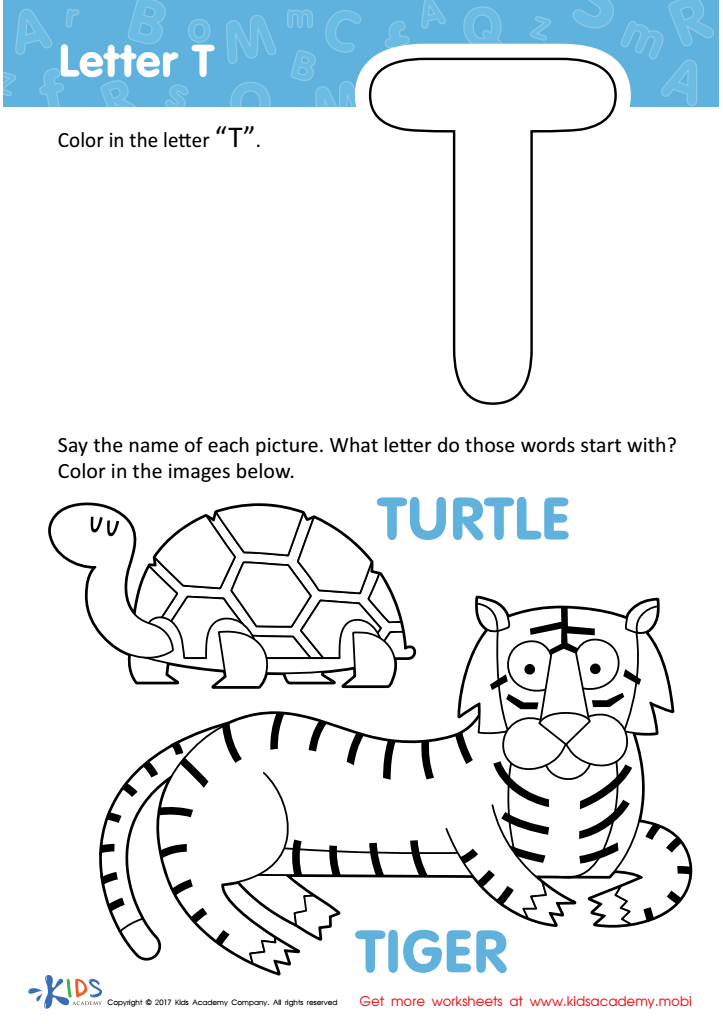
Letter T Coloring Sheet
 Assign to My Students
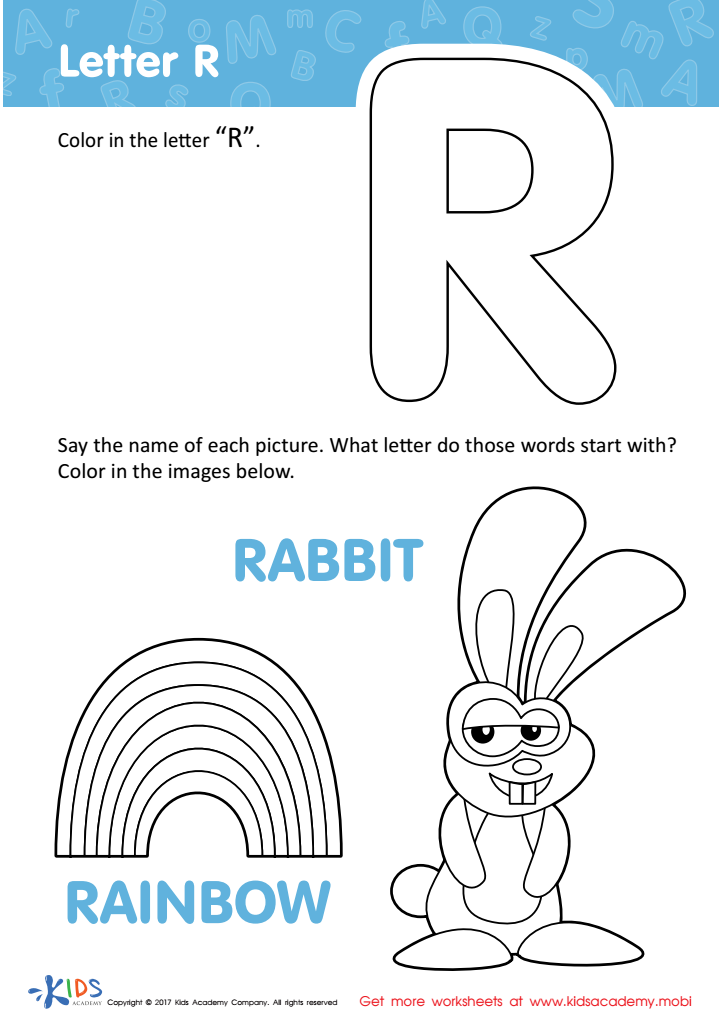
Letter R Coloring Sheet
Assign to My Students
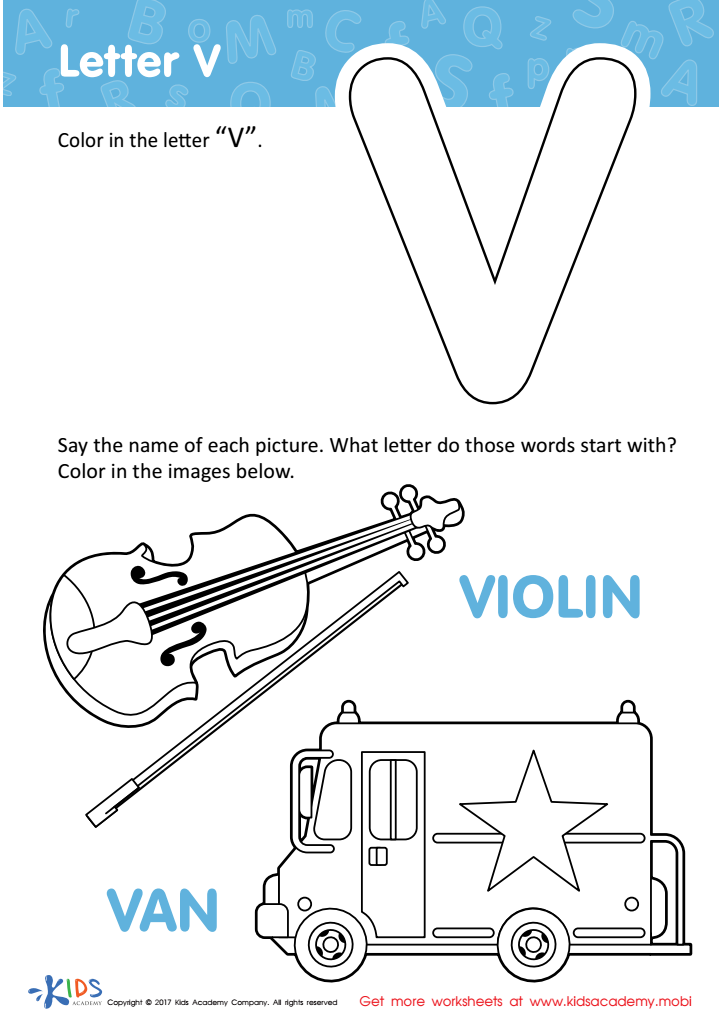
Letter V Coloring Sheet
Assign to My Students
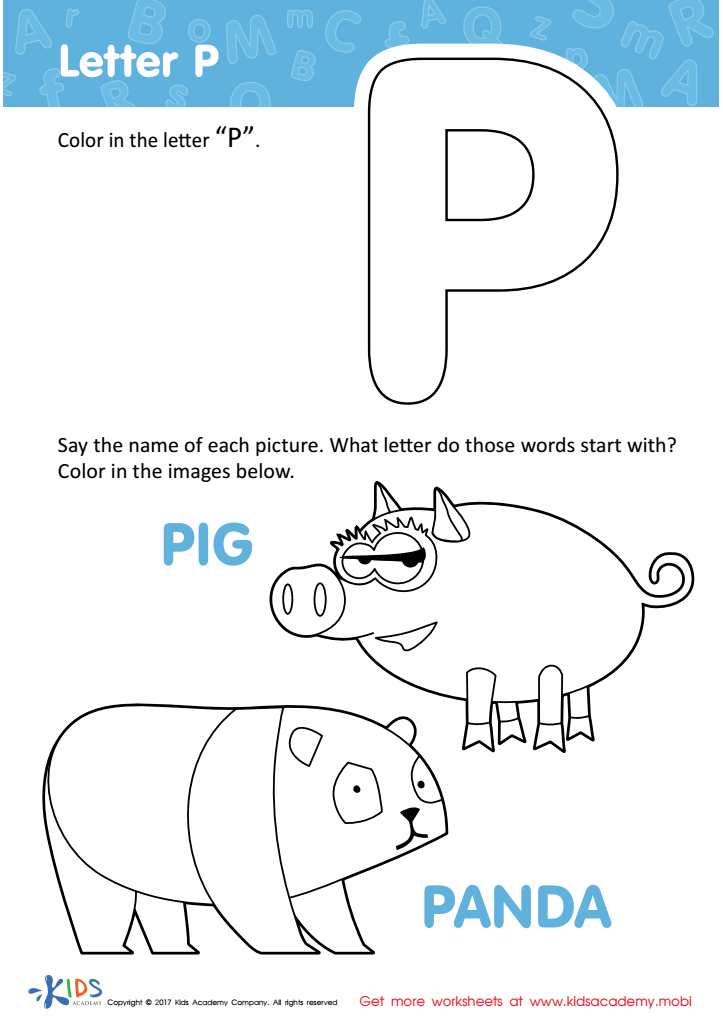
Letter P Coloring Sheet
Assign to My Students
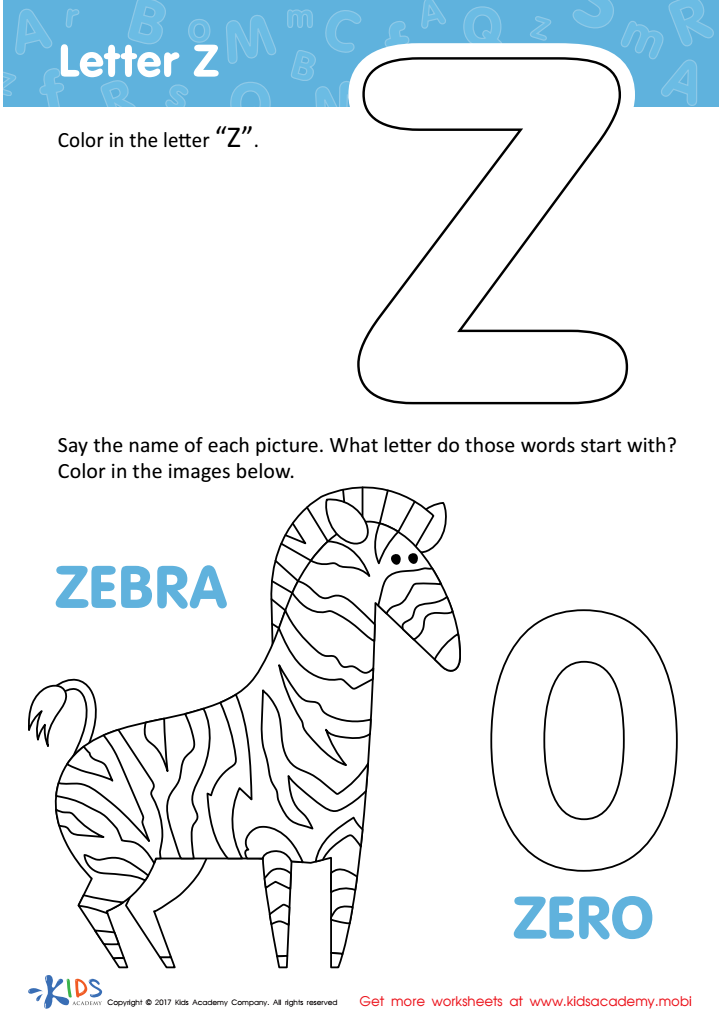
Letter Z Coloring Sheet
Assign to My Students
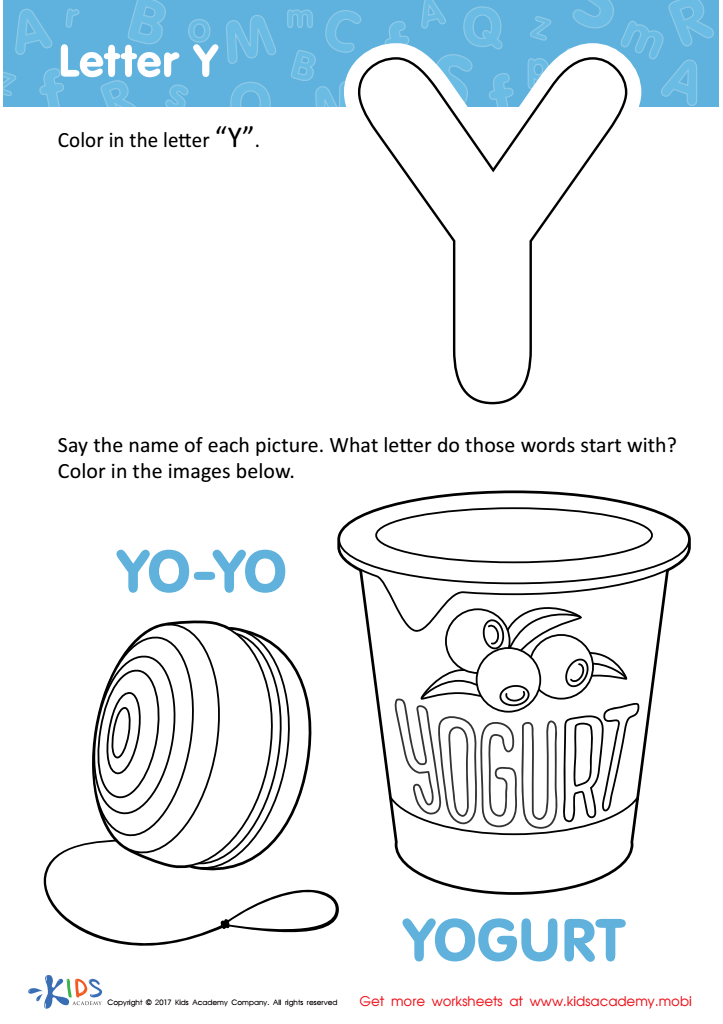
Letter Y Coloring Sheet
Assign to My Students

Tracing Lines Worksheet








Fine motor skills are crucial for children aged 4-5 as they form the foundation for various tasks that are vital for their overall development. These skills involve the coordination of small muscle movements, particularly in the hands and fingers, which are essential for activities like writing, drawing, and self-care. Introducing resources like "Fine Motor Skills Easy Alphabet" helps children learn alphabet recognition while strengthening these crucial skills.
Parents and teachers should care about these developmentally appropriate activities because they promote cognitive, physical, and emotional growth. By engaging in fine motor activities, children enhance hand-eye coordination and dexterity, making tasks like using scissors and holding writing instruments easier as they progress into more complex educational stages. Furthermore, this early exposure to the alphabet can promote literacy skills, setting a strong groundwork for future reading and writing abilities.
When children master fine motor skills, they also gain confidence and independence, which contribute to their overall self-esteem. By using resources designed around these important skills, caregivers can support children in overcoming potential frustrations with writing or drawing, creating a more positive and enjoyable learning experience. Overall, fostering fine motor skills is essential for a child's academic success and personal growth.