Reading comprehension Easy Phonics Worksheets for Ages 4-5
5 filtered results
-
From - To
Discover engaging Reading Comprehension Easy Phonics Worksheets tailored for children ages 4-5. These worksheets enhance literacy skills by blending phonics with fun reading exercises, helping young learners develop essential reading comprehension abilities. Each activity fosters phonetic awareness through simple sentences and illustrations that capture children's imaginations. Designed to be enjoyable and educational, our worksheets make learning the basics of reading a thrilling adventure. Inspire a love for reading early by teaching your little ones how to decode words and understand text, setting a strong foundation for their future education. Join us in making learning enjoyable and effective with these interactive resources!
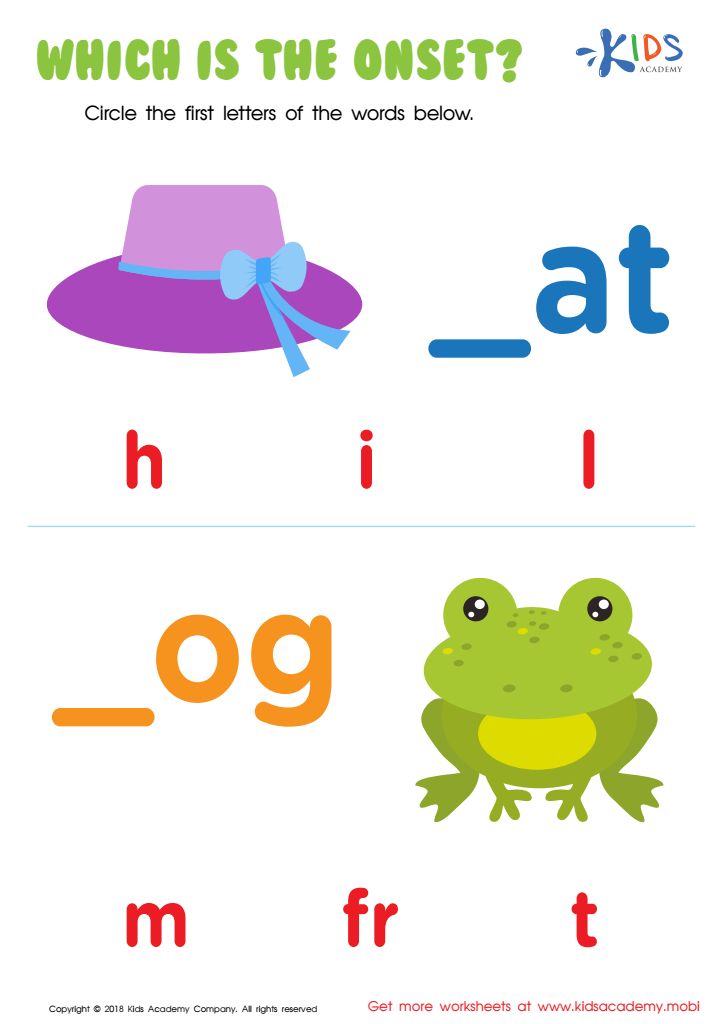
Which Is the Onset? Worksheet
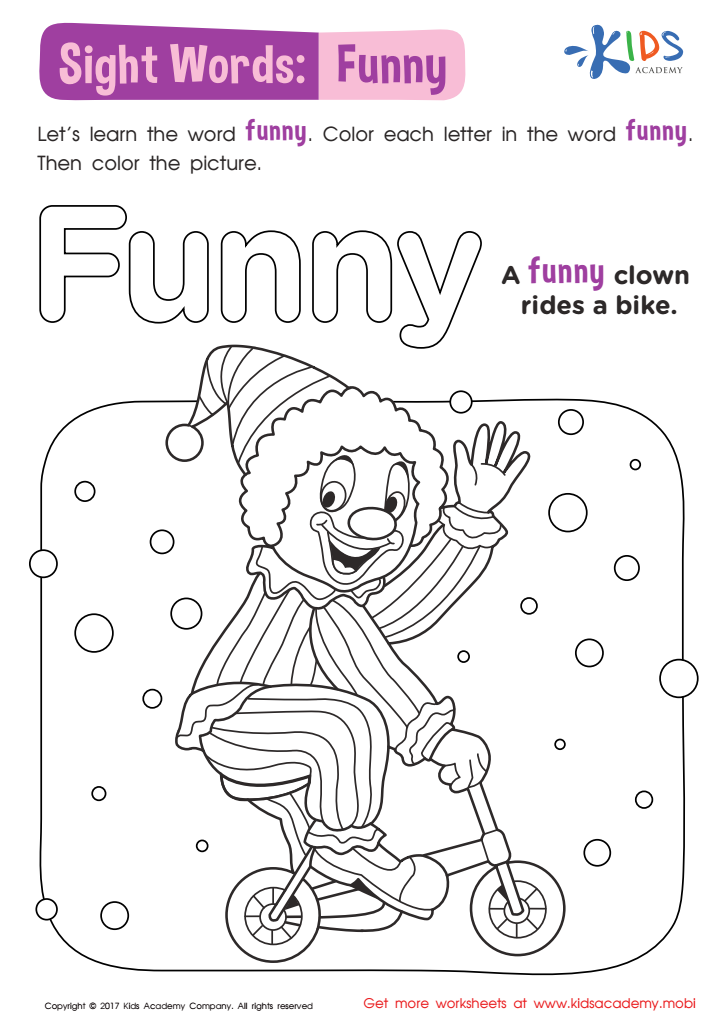
Funny Worksheet Sight Words Worksheet
 Assign to My Students
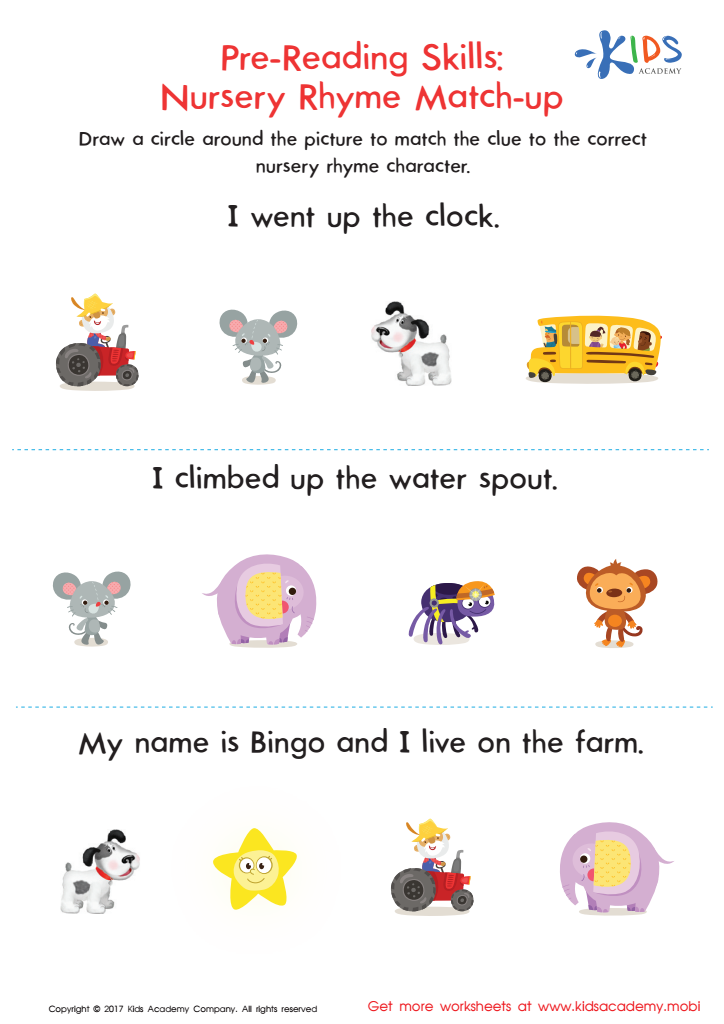
Nursery Rhyme Match–Up Worksheet
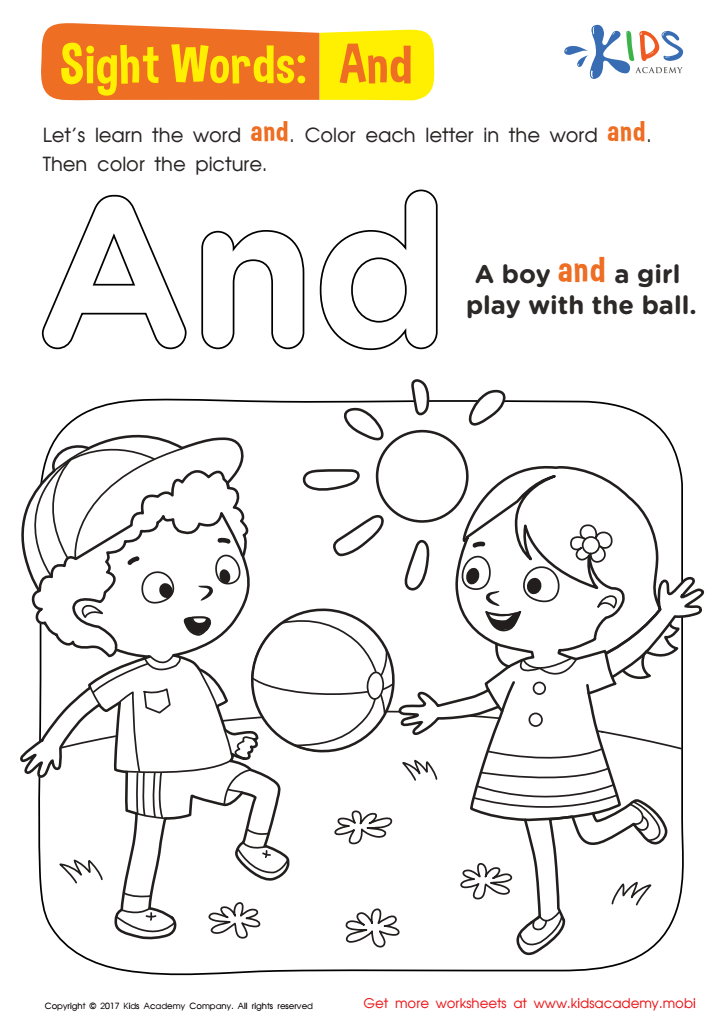
And Worksheet Sight Words Worksheet
Assign to My Students
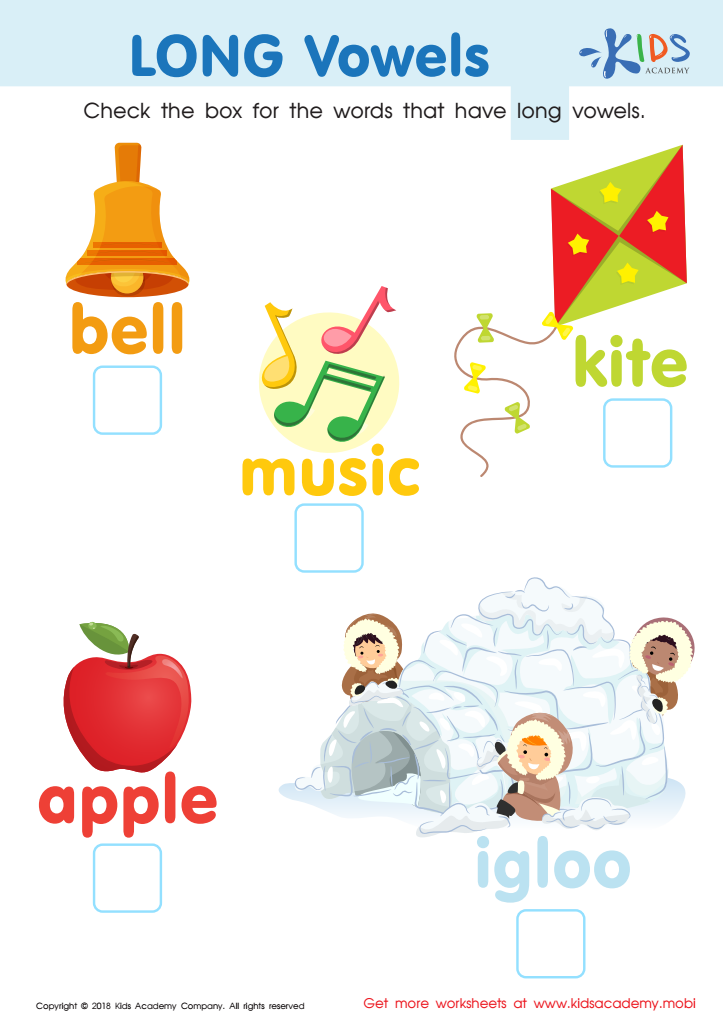
long vowels Worksheet








Reading comprehension and phonics are foundational skills for young learners aged 4-5, making them crucial for parents and teachers to prioritize. Early reading skills shape a child's future academic success and confidence. Engaging in Easy Phonics helps children understand the relationships between letters and sounds, fostering the ability to decode words, which is essential for reading fluency. When children grasp phonics, they are better equipped to tackle unfamiliar words independently, reducing frustration and building a love for reading.
Moreover, reading comprehension goes beyond just decoding words; it involves understanding and interpreting text, which lays the groundwork for critical thinking and effective communication. By promoting reading comprehension and phonics, parents and teachers can help children develop key literacy skills that enhance their cognitive development.
Fostering these skills at an early age also encourages a rich language environment, motivating children to ask questions and engage with texts, which further deepens understanding. Ultimately, investing time in Easy Phonics and reading comprehension during these formative years is essential for ensuring children become proficient readers, ready to tackle increasingly complex materials as they advance through their educational journey.