Word Recognition Easy Worksheets for Ages 4-5
4 filtered results
-
From - To
Discover our engaging Word Recognition Easy Worksheets designed for children aged 4-5. These printable activities from Kids Academy help early learners develop critical reading skills while having fun. Each worksheet focuses on sight words, letter identification, and basic phonics, catering to your child's learning pace. Our colorful and interactive materials keep young minds eager and excited as they build a strong vocabulary foundation. Perfect for both classroom use and at-home practice, these worksheets will ensure your child gains confidence in word recognition. Give your child an educational advantage today with our expertly crafted resources!
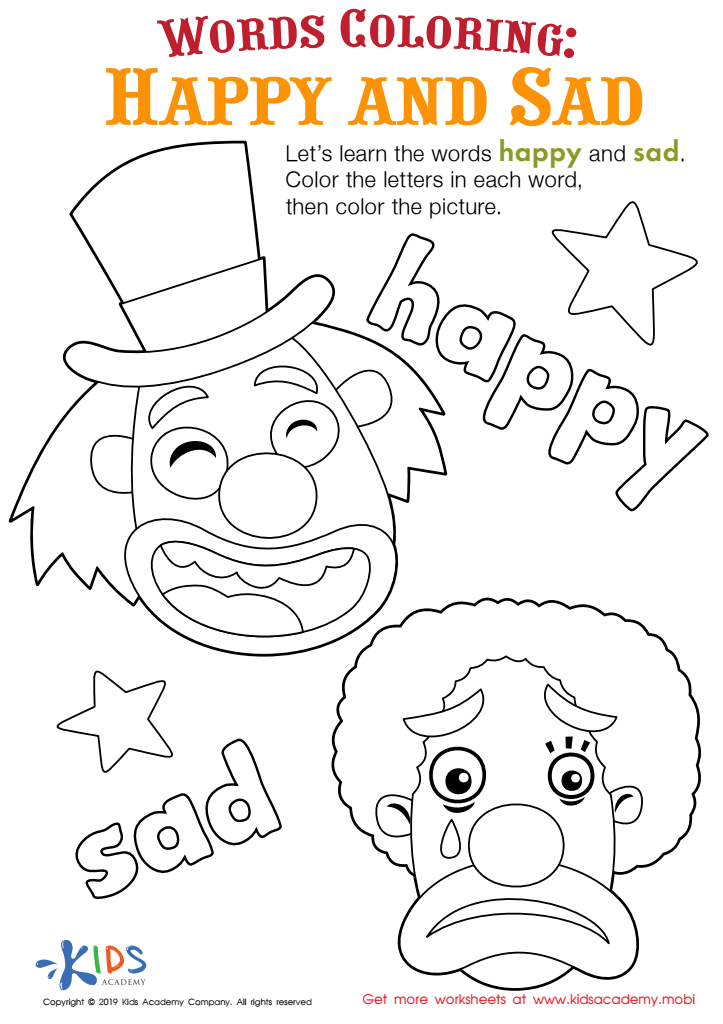
Happy and Sad Words Coloring Worksheet
 Assign to My Students
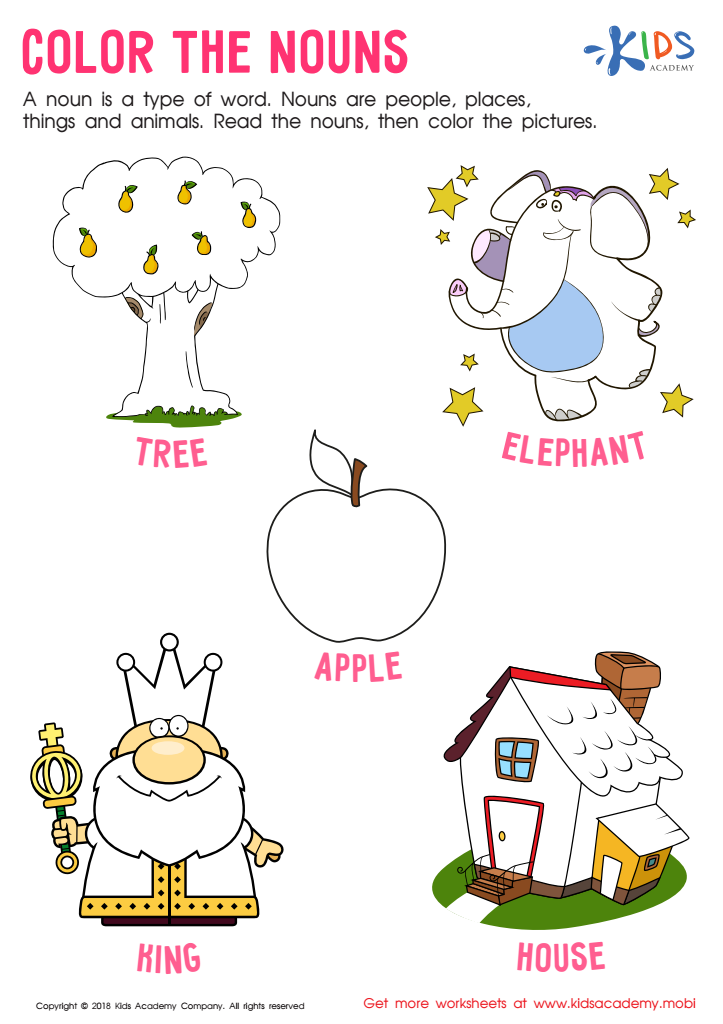
Color the Nouns Worksheet
Assign to My Students
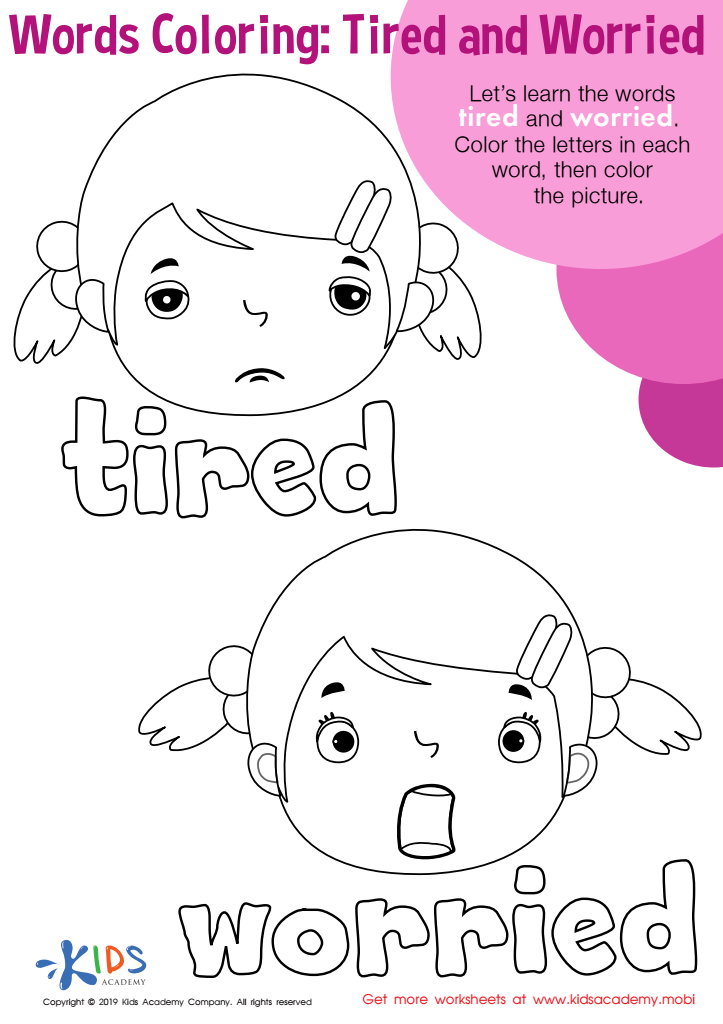
Tired and Worried Words Coloring Worksheet
Assign to My Students
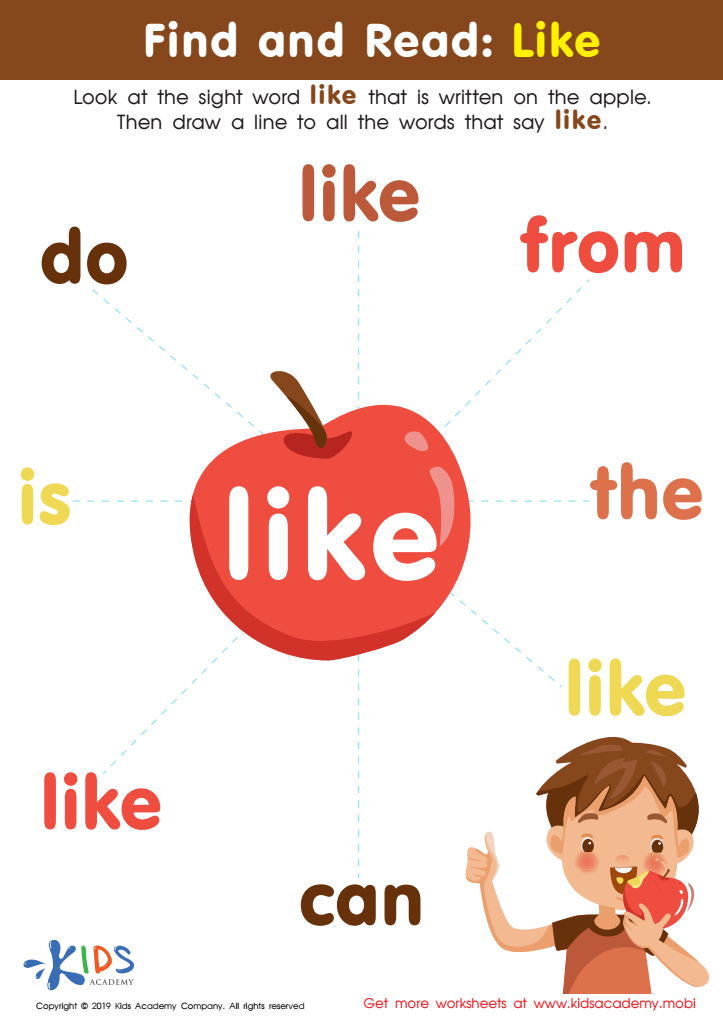
Find and Read: Like Worksheet







Word recognition is a fundamental building block for early literacy, making it essential for parents and teachers to prioritize this skill for children aged 4-5. This stage, often aligned with development in pre-kindergarten and kindergarten, is a critical period when kids are most receptive to learning language intricacies. Early proficiency in word recognition not only facilitates better reading comprehension but also sets the groundwork for future academic success.
For young minds, recognizing words or familiar sight words fosters confidence and encourages a love of reading. Early exposure to word patterns and vocabulary can enhance listening skills, enrich language comprehension, and bolster the ability to make connections between spoken and written language. This foundational literacy skill aids in decoding text effortlessly, allowing young readers to focus more on the content of what they're reading rather than just stringing individual letters together.
Additionally, word recognition is vital for nurturing essential cognitive skills such as memory and attention. By engaging with language activities that promote word recognition, children can improve their phonological awareness—understanding that words are composed of smaller sound units. The ability to swiftly and accurately recognize words can lead to greater fluency, eliminating reading-related frustrations and enabling children to enjoy literature and other print-related media more fully, which cultivates lifelong learning and curiosity.








