Cognitive Development Easy Math Worksheets for Ages 4-5
17 filtered results
-
From - To
Welcome to our "Cognitive Development Easy Math Worksheets for Ages 4-5"! Designed specifically for preschoolers, these engaging and interactive worksheets help foster essential cognitive skills through fun math activities. Explore shapes, counting, and simple problem-solving exercises that encourage critical thinking and logical reasoning. Each worksheet is tailored to accommodate young learners, ensuring they grasp foundational math concepts in a stress-free environment. Ideal for parents and educators alike, our resources aim to promote curiosity and a love for learning in early childhood. Start your child's math journey today and build their confidence with our carefully crafted worksheets!
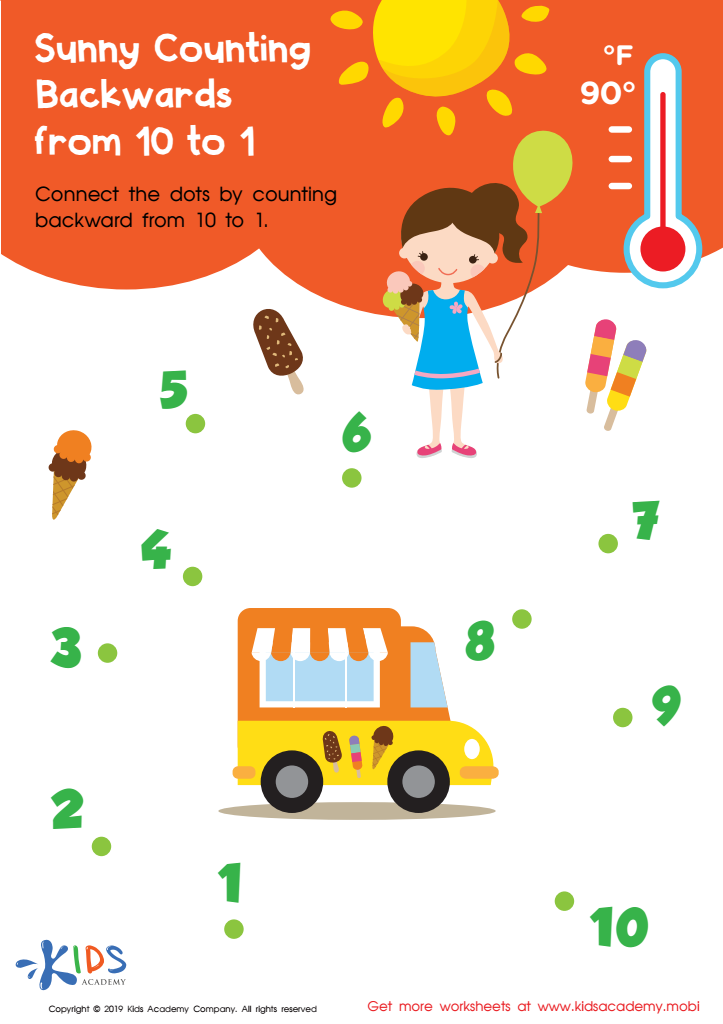
Sunny Counting Backwards from 10 to 1 Worksheet
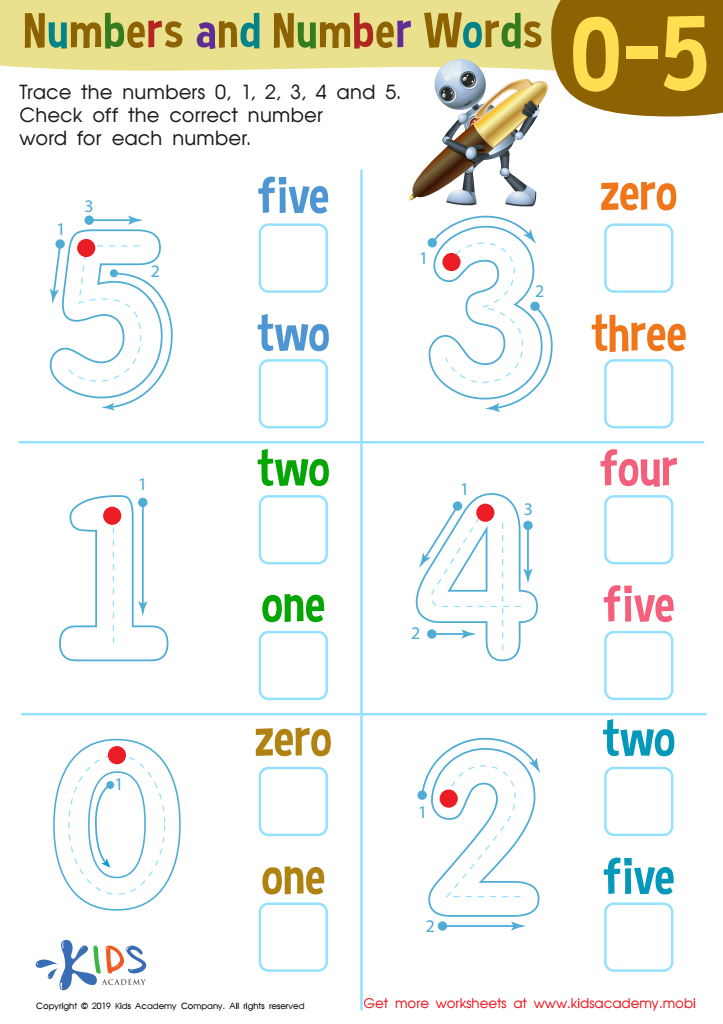
Numbers and Number Words Worksheet
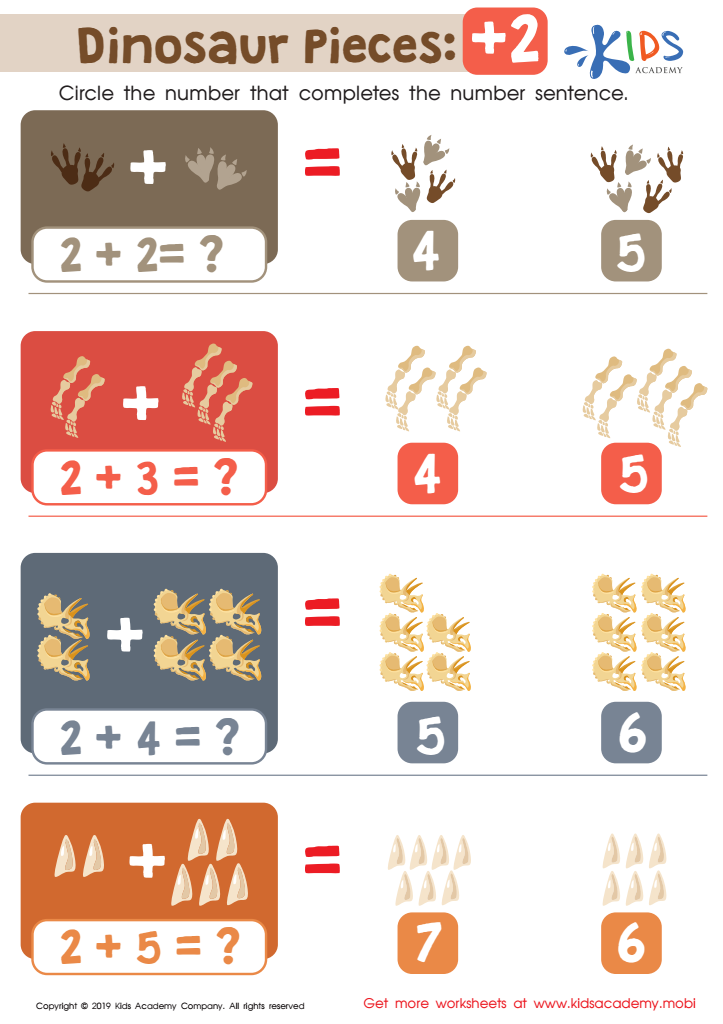
Dinosaur Pieces: +2 Worksheet
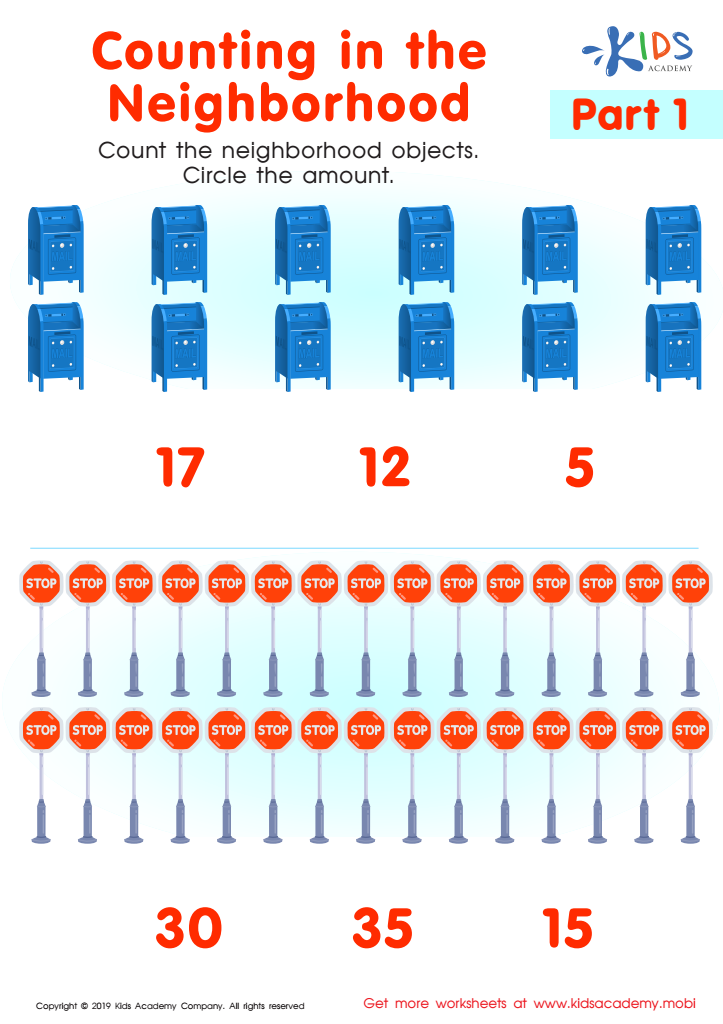
Counting in the Neighborhood Part1 Worksheet
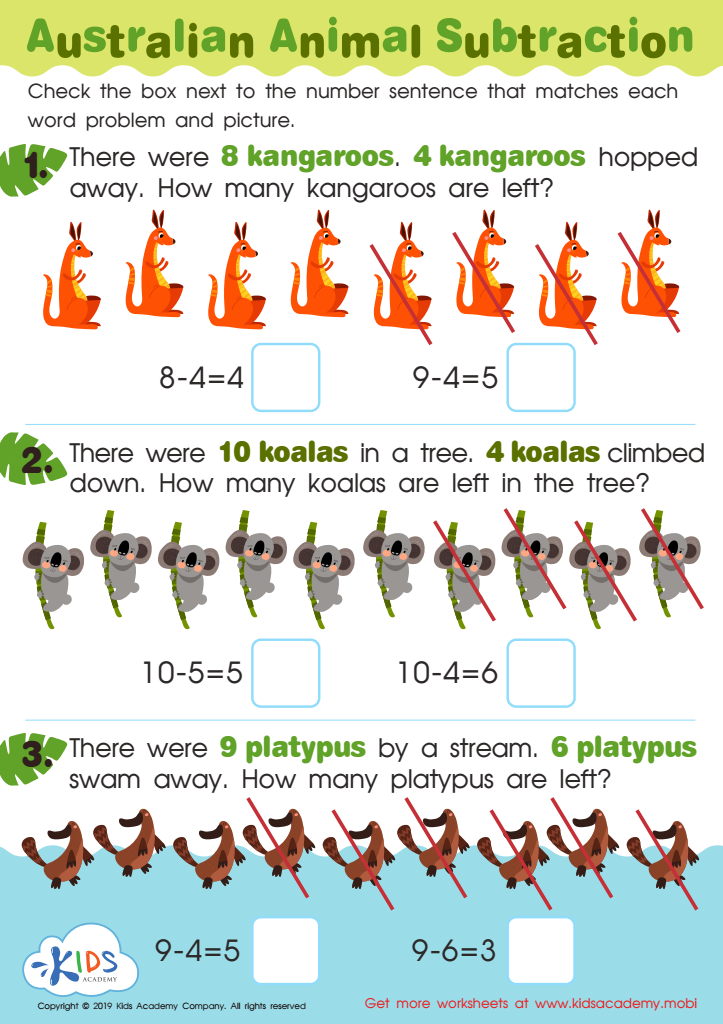
Australian Animal Subtraction Worksheet
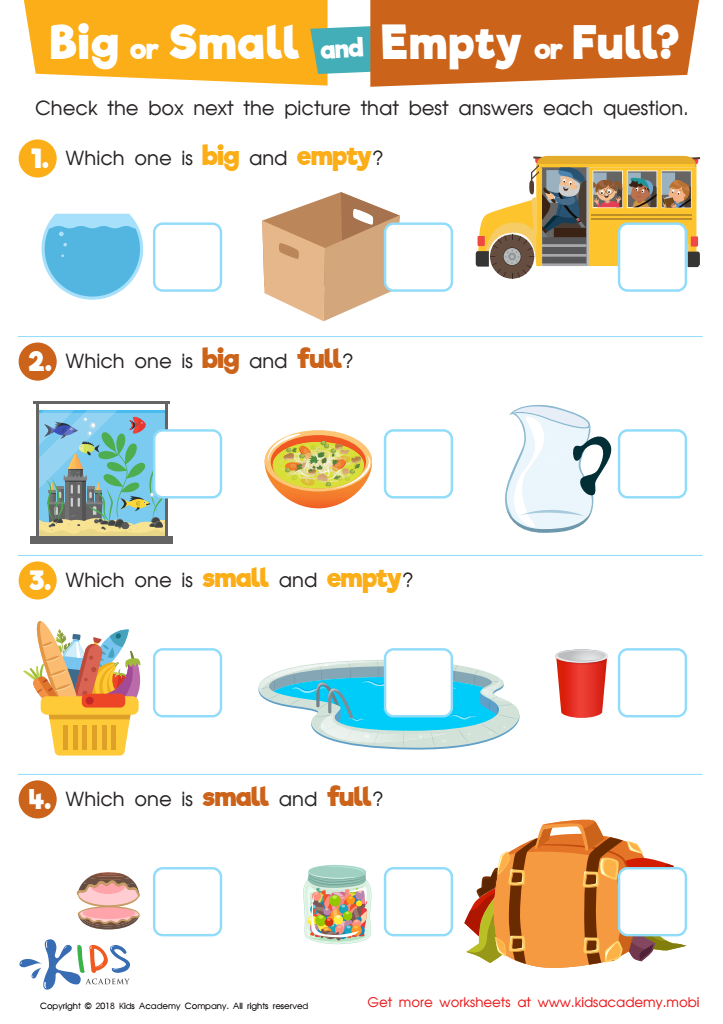
Big or Small and Empty or Full? Worksheet
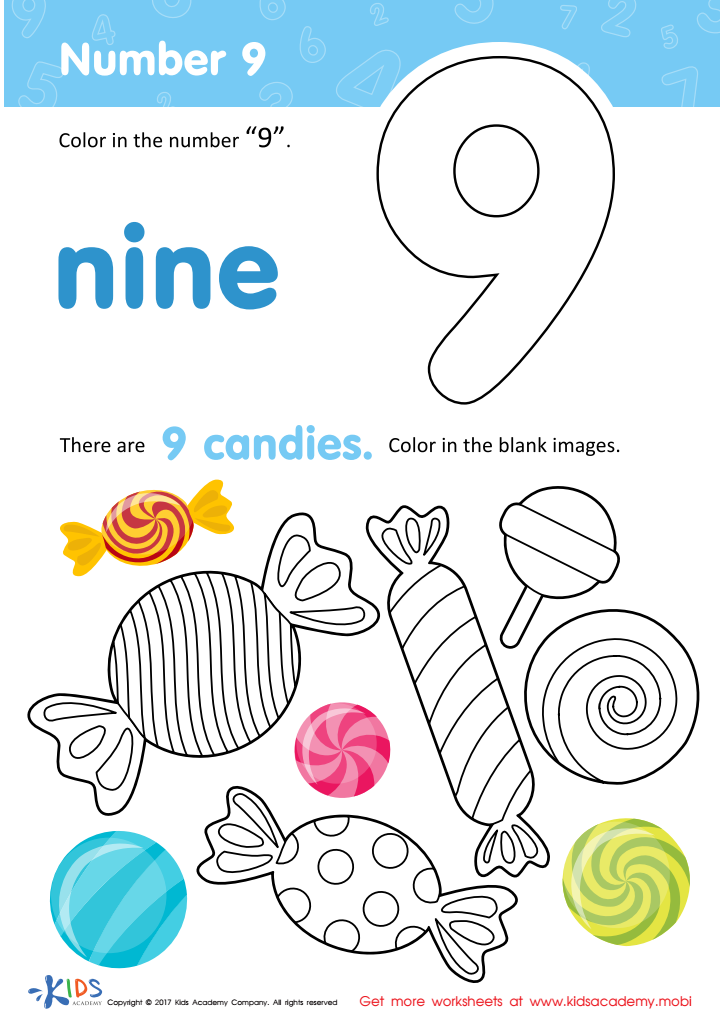
Number 9 Printable
 Assign to My Students
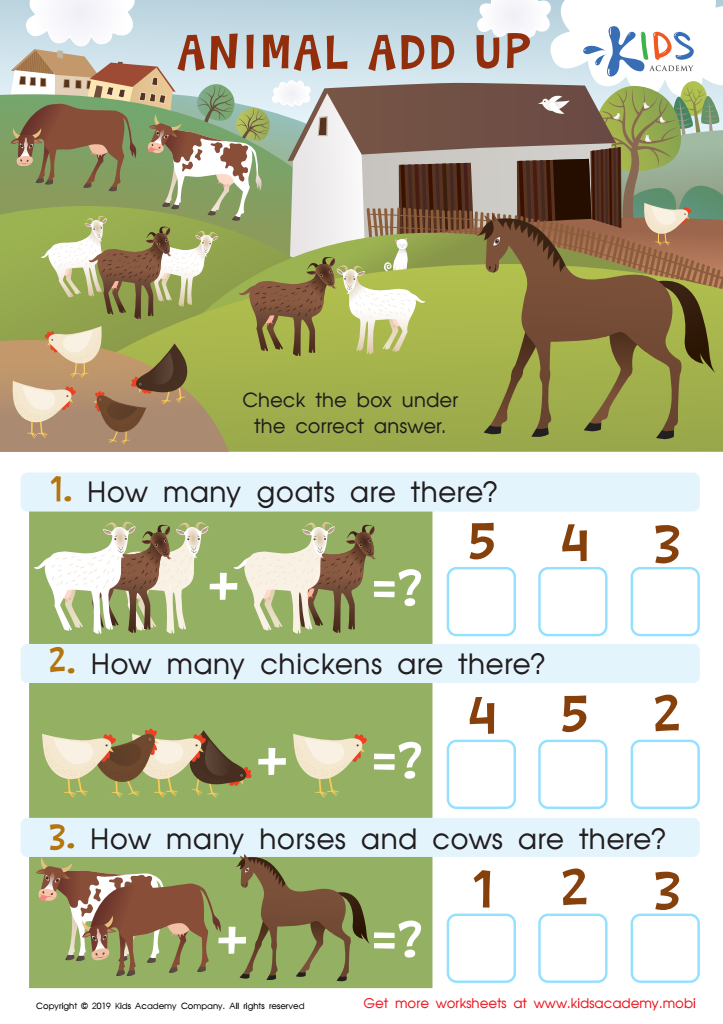
Animal Add Up Worksheet
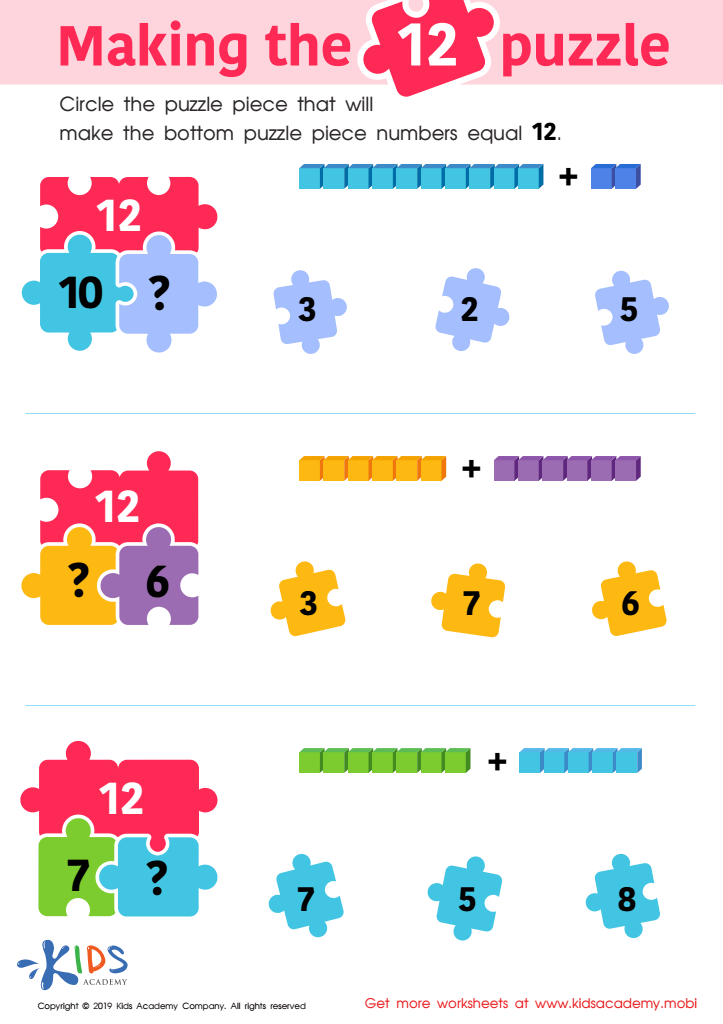
Making the 12 Puzzle Worksheet
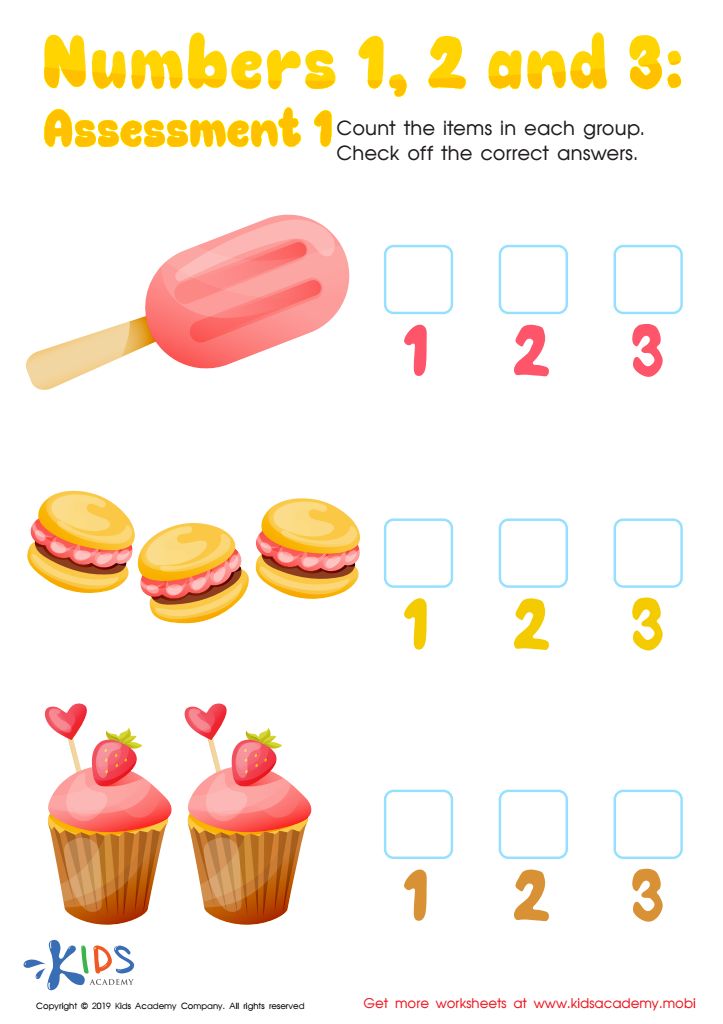
Numbers 1, 2 and 3: Assessment 1 Worksheet
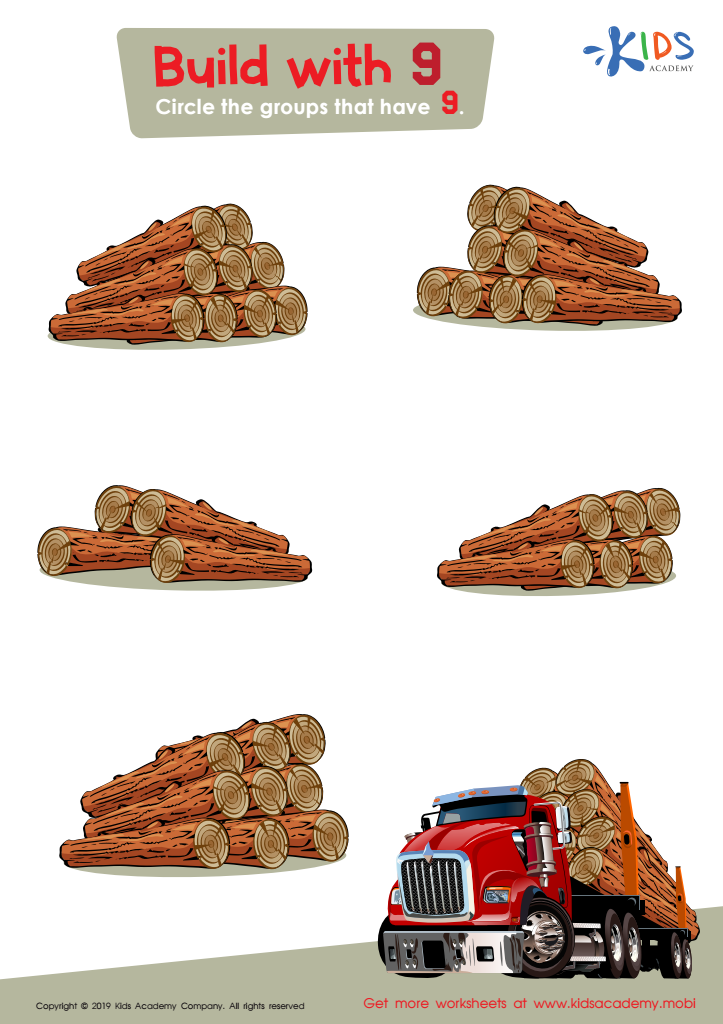
Build with 9 Worksheet
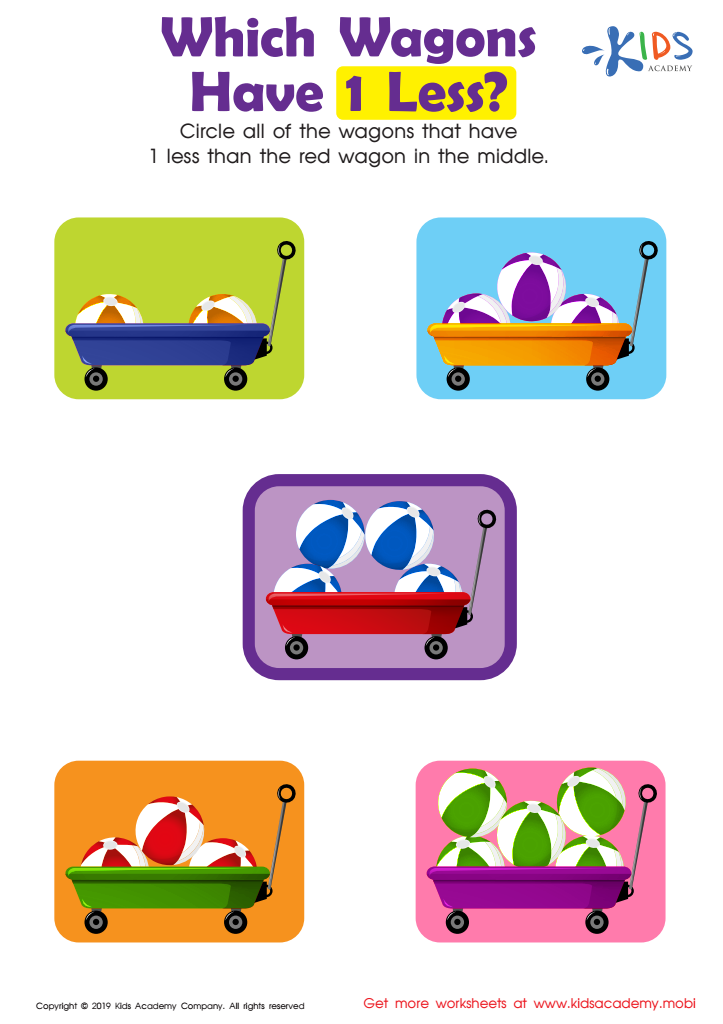
Which Wagons Have 1 Less? Worksheet
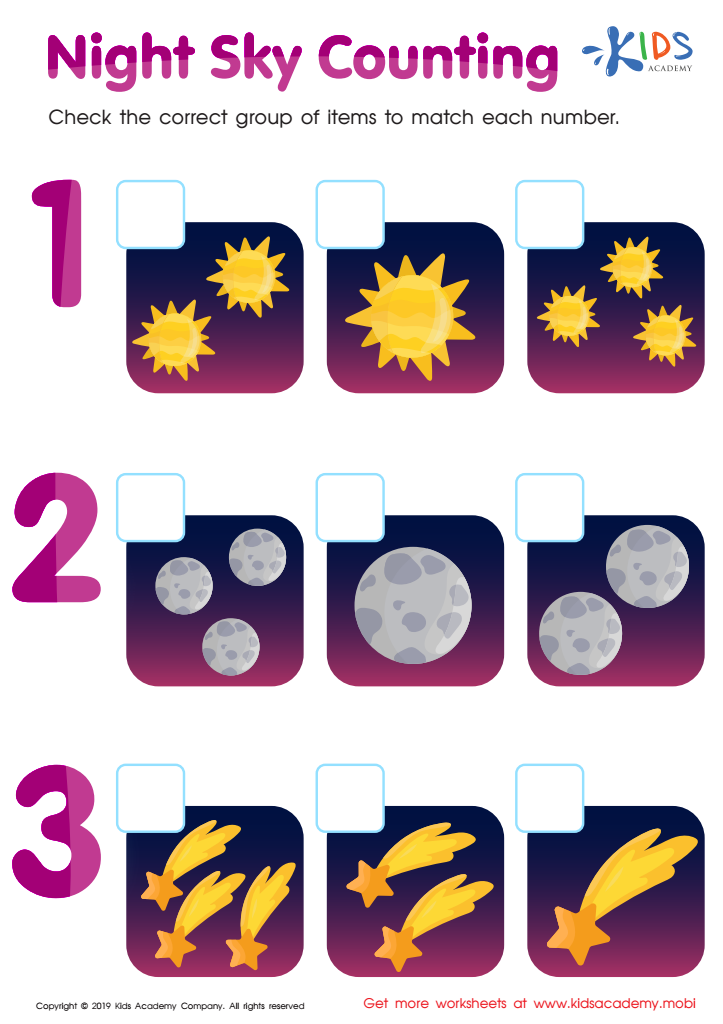
Night Sky Counting Worksheet
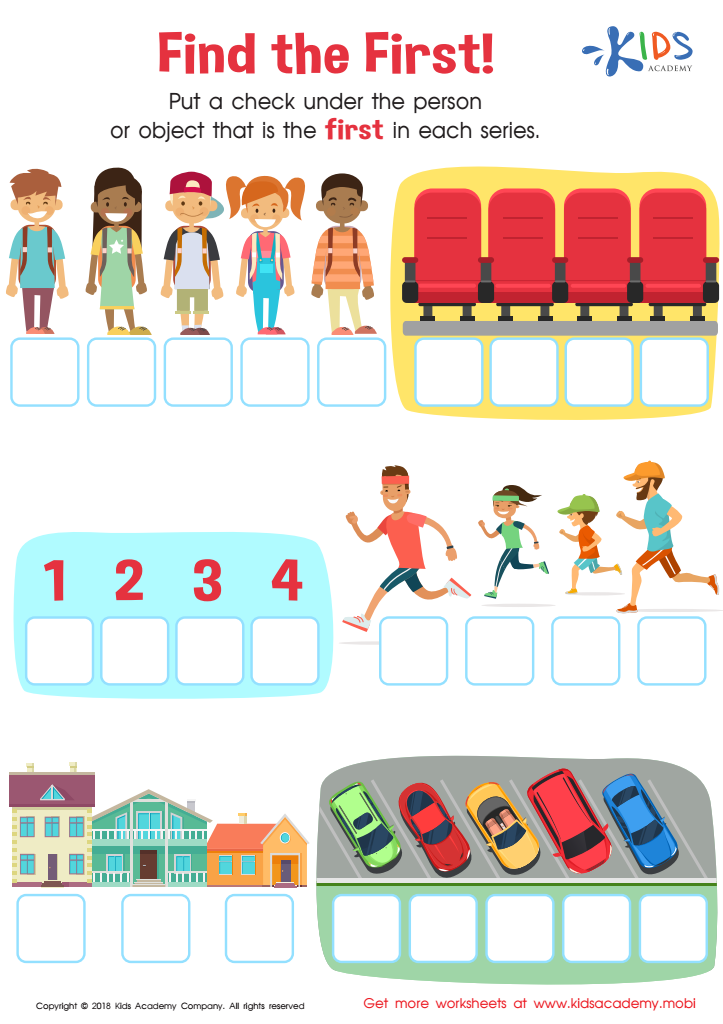
Find the First! Worksheet
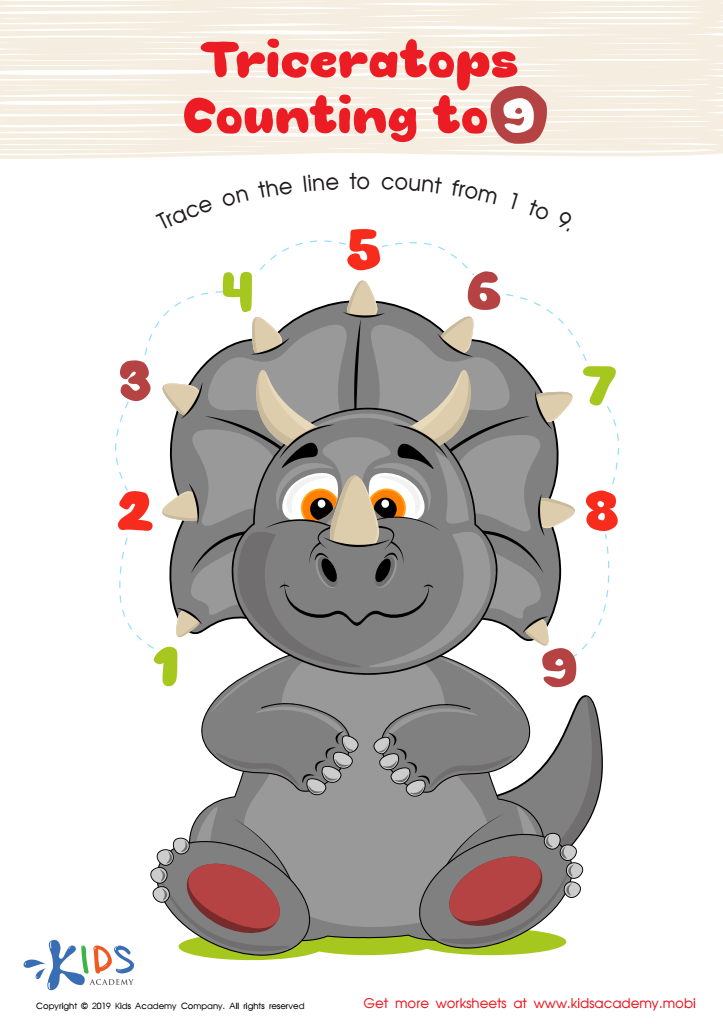
Triceratops Counting to 9 Worksheet
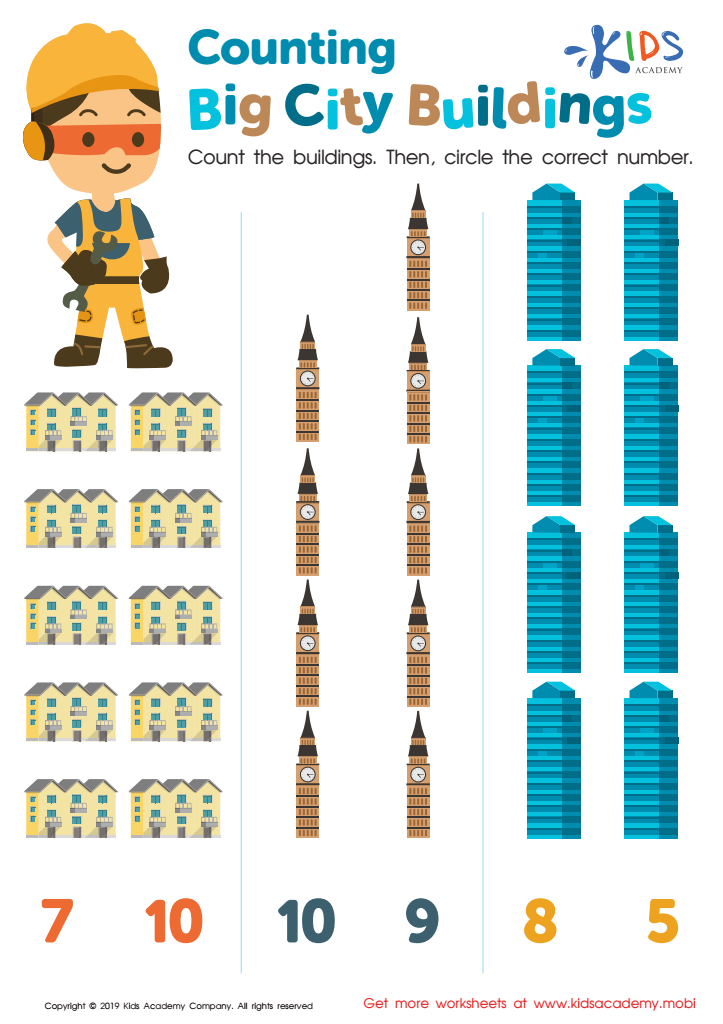
Counting Big City Buildings Worksheet

Night Sky Numbers Worksheet








Cognitive development in early childhood is crucial, particularly in the realm of math, for children ages 4-5. During these formative years, children's brains are exceptionally receptive to learning, laying the groundwork for future academic success. Engaging in easy math activities helps enhance critical thinking skills, problem-solving abilities, and logical reasoning.
Early math experiences help children understand fundamental concepts such as counting, patterns, and spatial awareness. When parents and teachers invest time in fostering these skills through playful activities, they make learning enjoyable and relevant. This playful learning not only boosts mathematical knowledge but also builds confidence and a positive attitude towards education.
Increased exposure to math in early childhood can also bridge the achievement gap, ensuring that all children, regardless of background, develop the skills necessary for success in later schooling. Furthermore, math skills are inextricably linked to everyday scenarios, from measuring ingredients for a recipe to understanding time.
By prioritizing cognitive development and incorporating easy math into everyday tasks, parents and teachers can nurture a solid foundation that fosters a lifelong love for learning and prepares children for more complex concepts as they grow. Ultimately, this early investment in mathematics lays the groundwork for future academic achievement and lifelong skill development.








