Counting practice Easy Math Worksheets for Ages 4-5
19 filtered results
-
From - To
Welcome to our Counting Practice Easy Math Worksheets for Ages 4-5! Tailored for early learners, these engaging worksheets introduce fundamental counting skills in a fun and interactive way. Each activity is designed to foster number recognition, enhance one-to-one correspondence, and encourage enthusiasm for math. Our colorful illustrations and relatable themes keep young minds captivated. Ideal for parents and educators, these worksheets are perfect for individual practice or group work, ensuring a strong mathematical foundation. Download and watch your child's confidence grow as they explore the joy of counting with our easy-to-follow exercises. Start the journey to math mastery today!
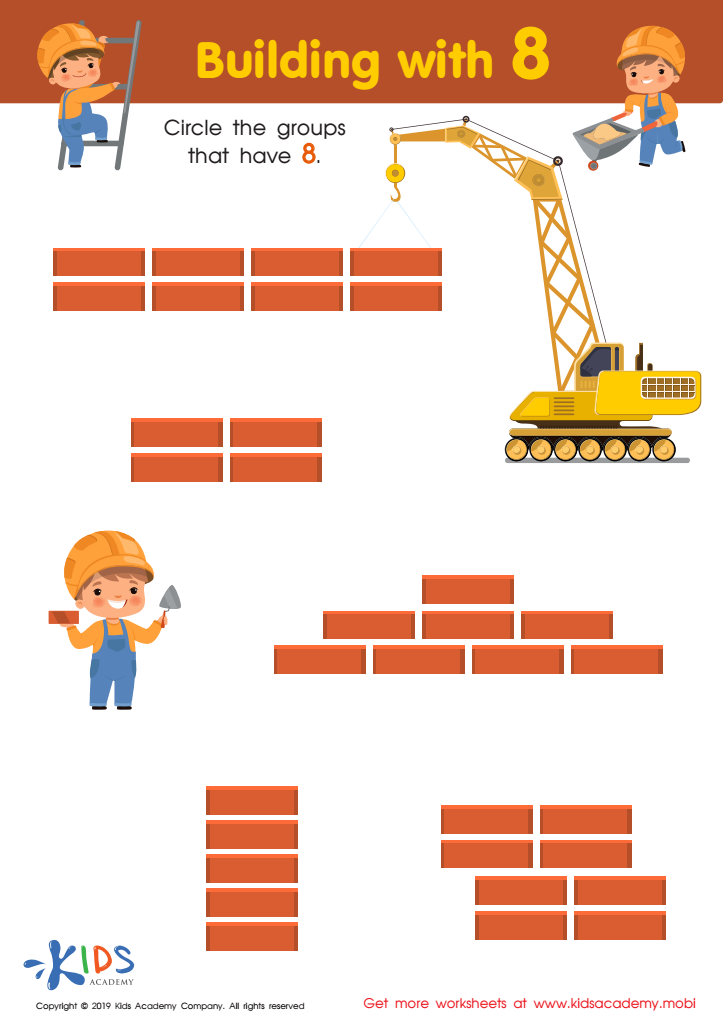
Building with 8 Worksheet
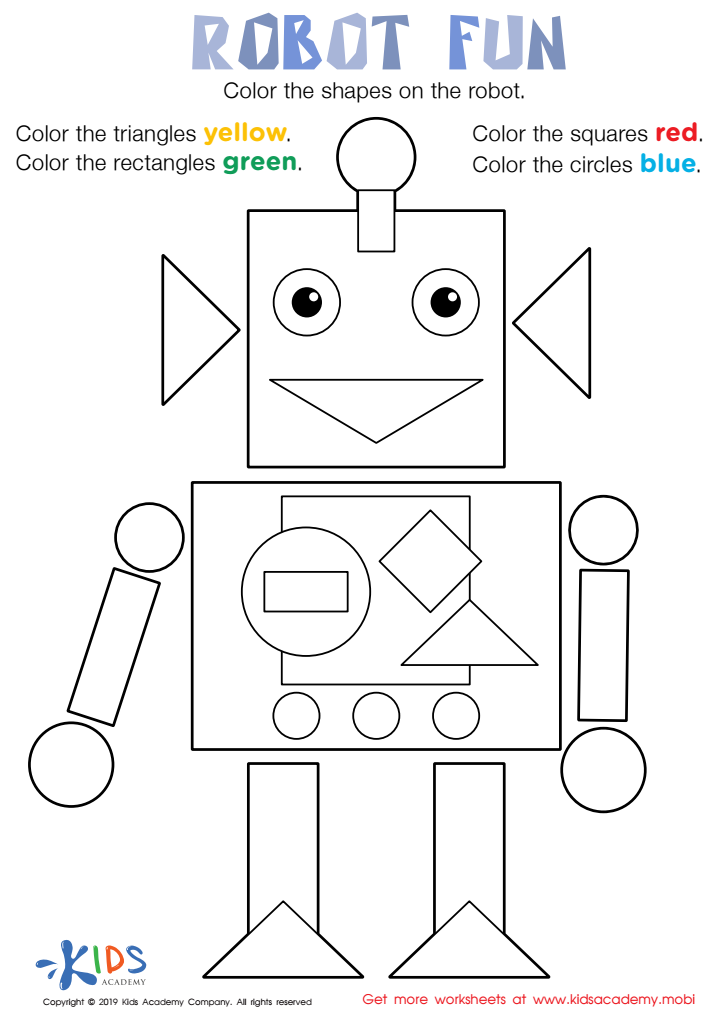
Robot Fun Worksheet
 Assign to My Students
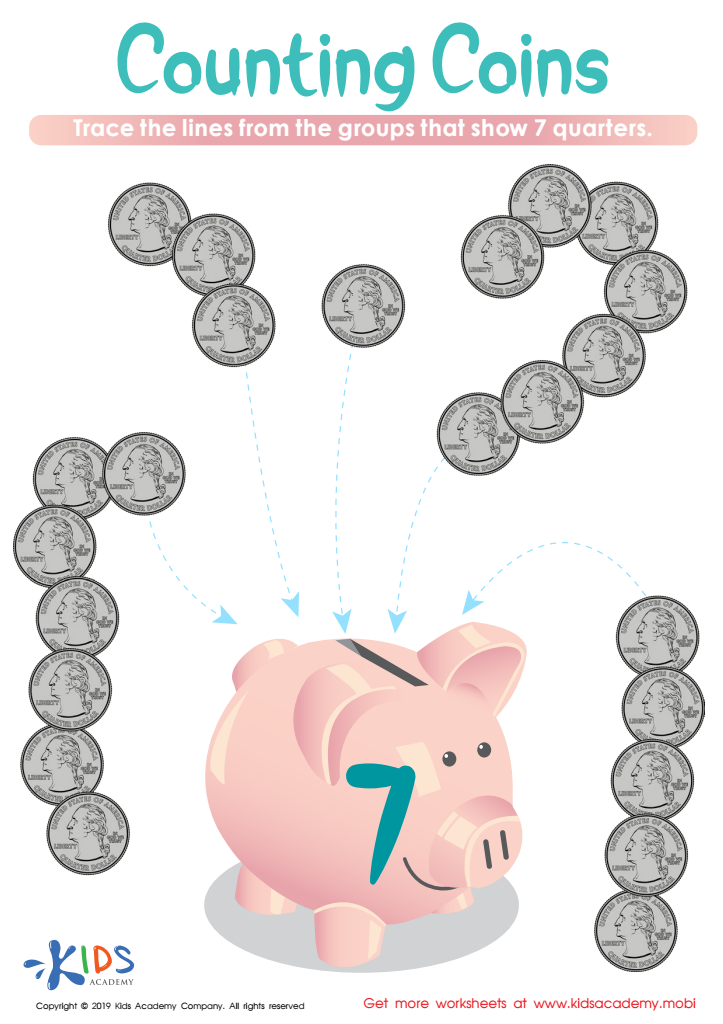
Counting Coins Worksheet
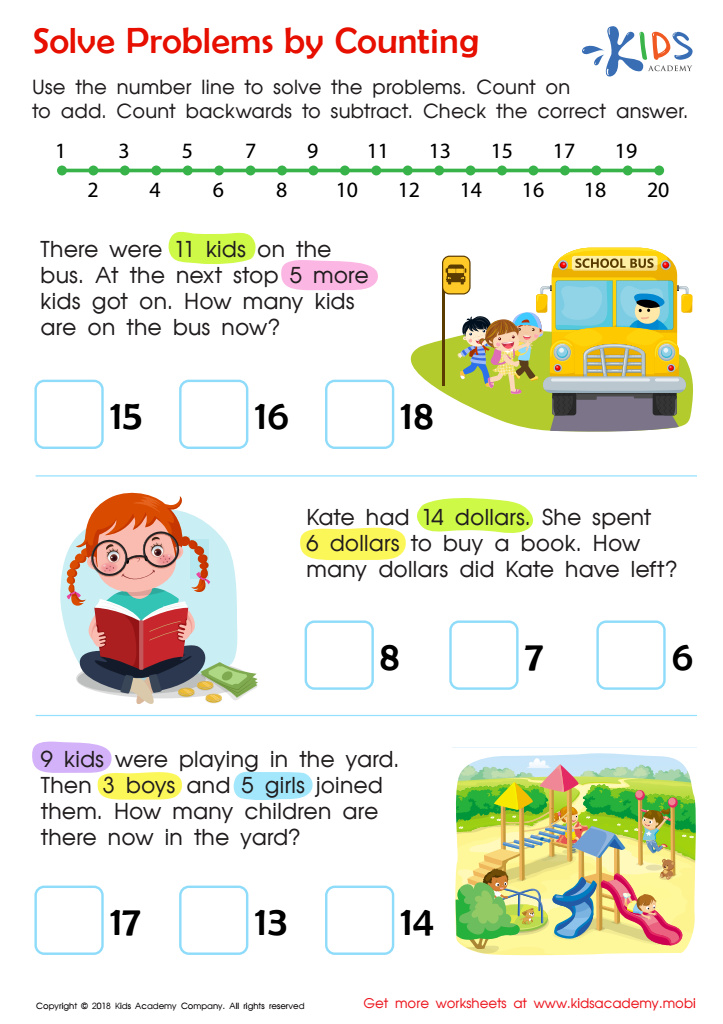
Solve Problems by Counting Worksheet
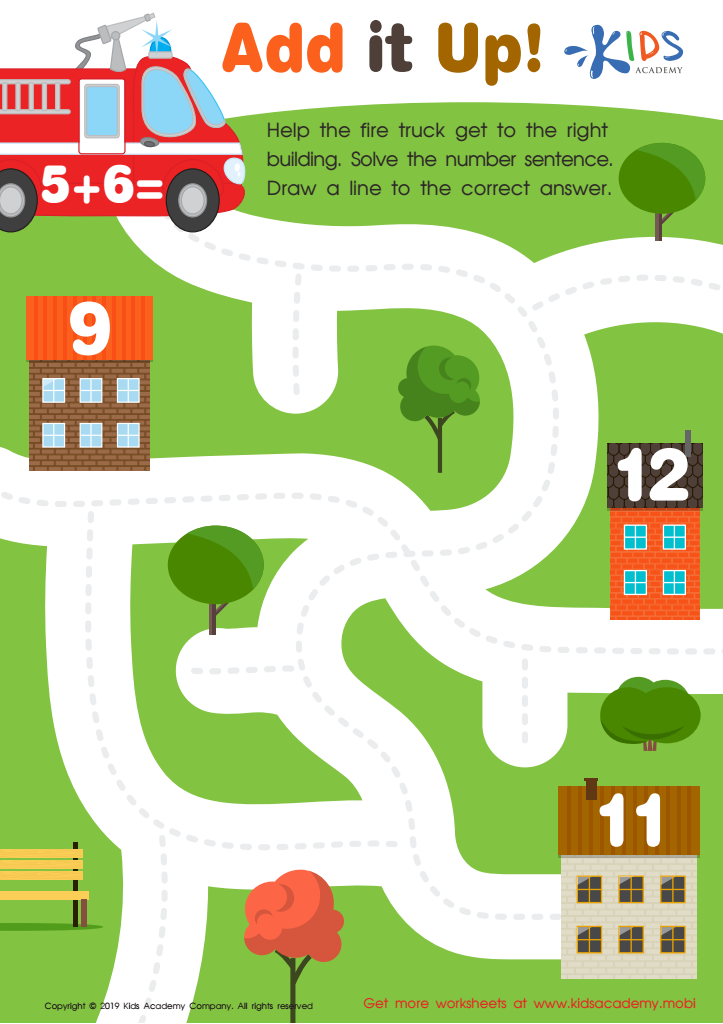
Add it Up Worksheet
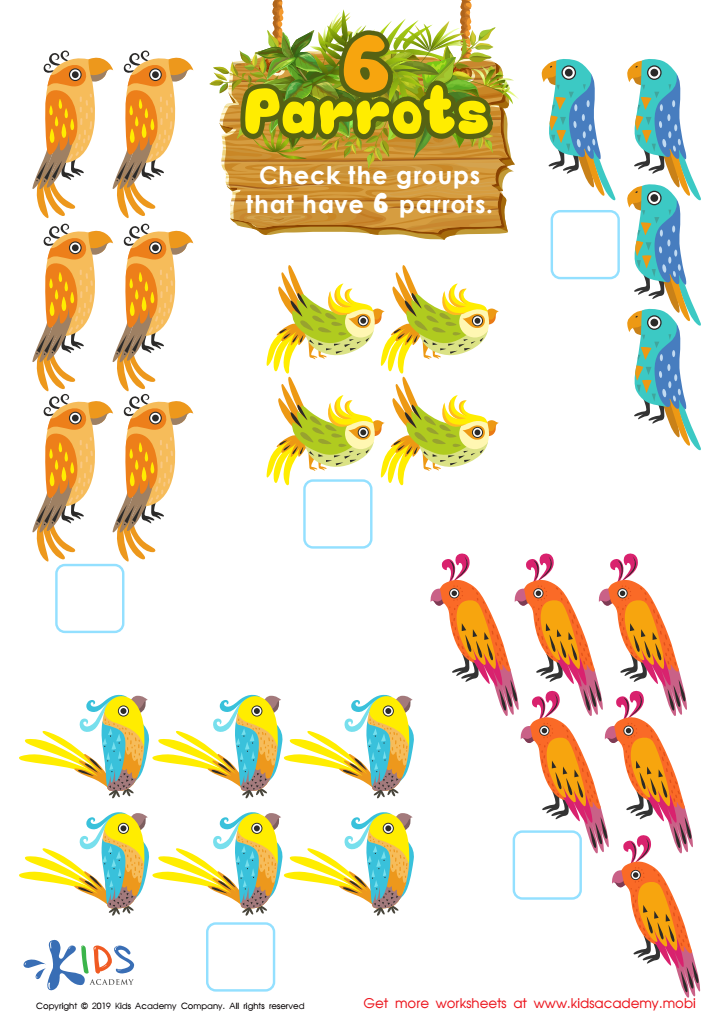
6 Parrots Worksheet
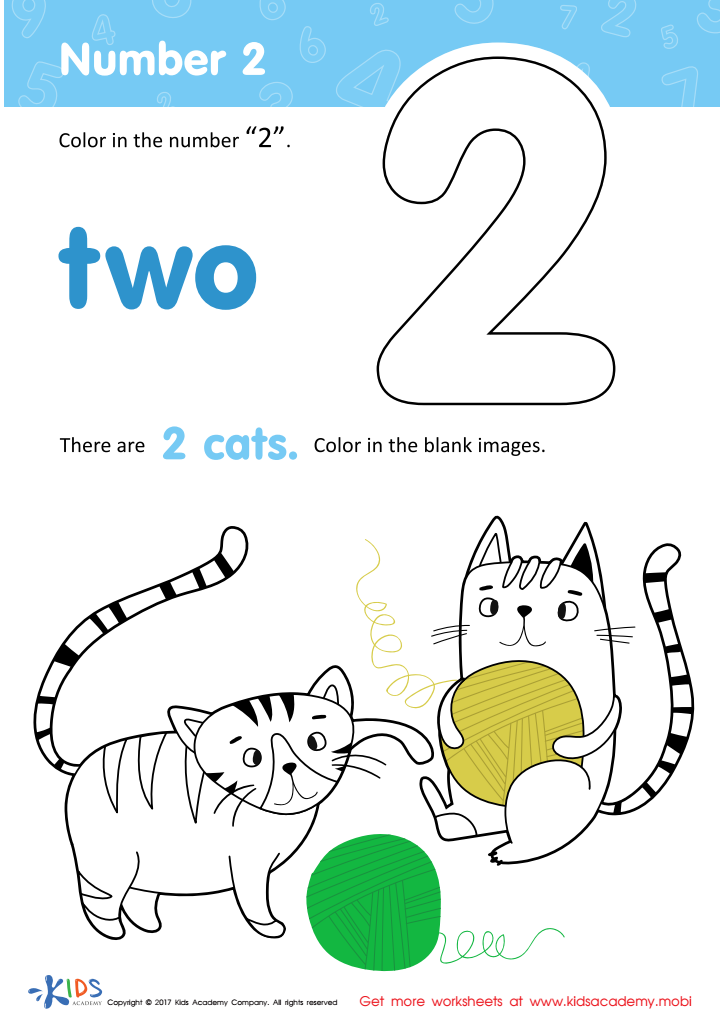
Number 2 Printable
Assign to My Students
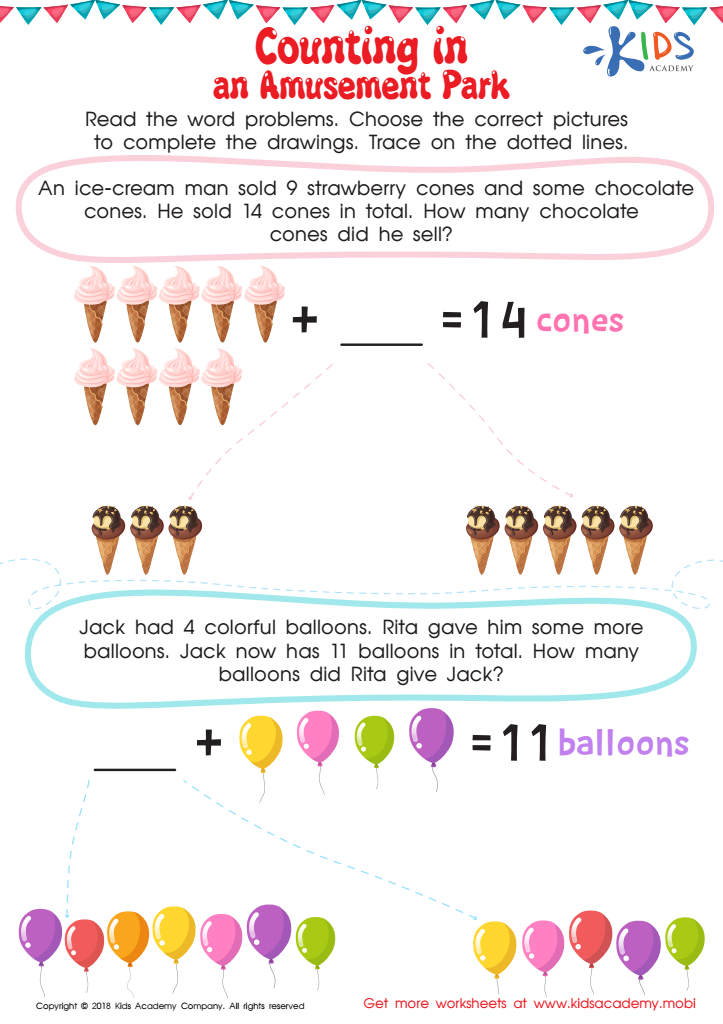
Counting in an Amusement Park Worksheet
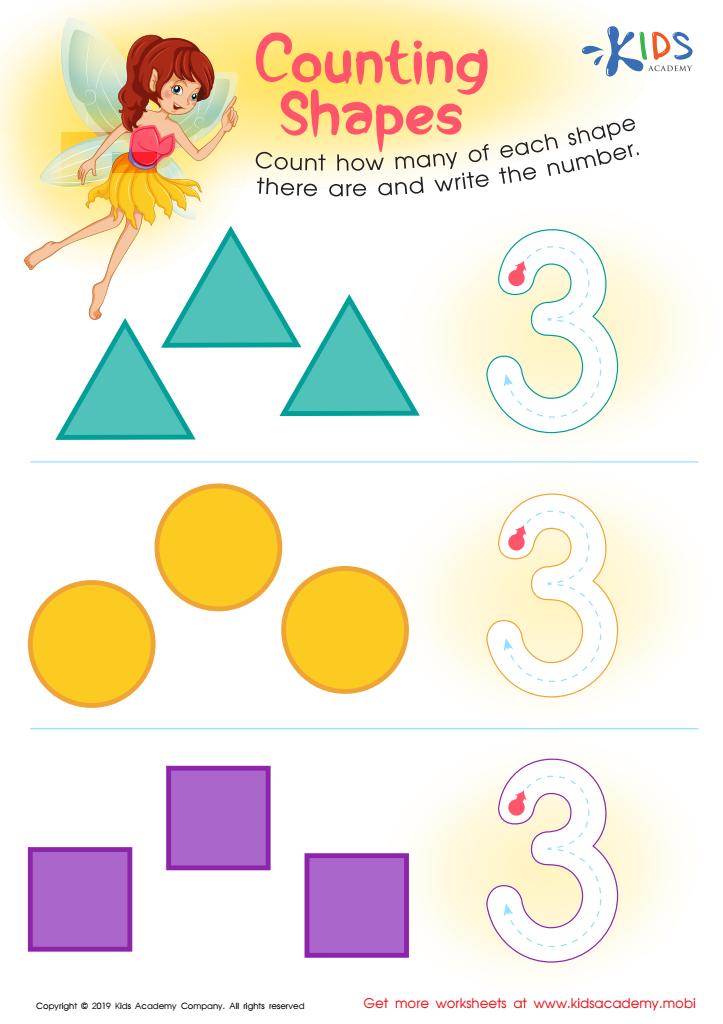
Counting Shapes Worksheet
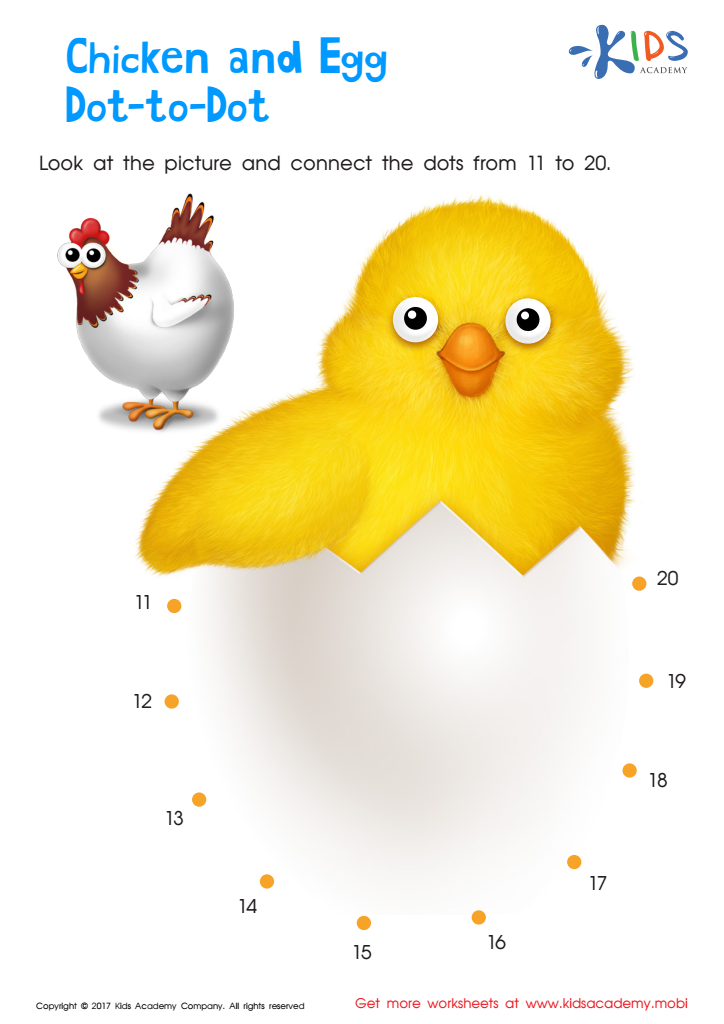
Ordering 11–20: Chicken & Egg Dot–to–dot Worksheet
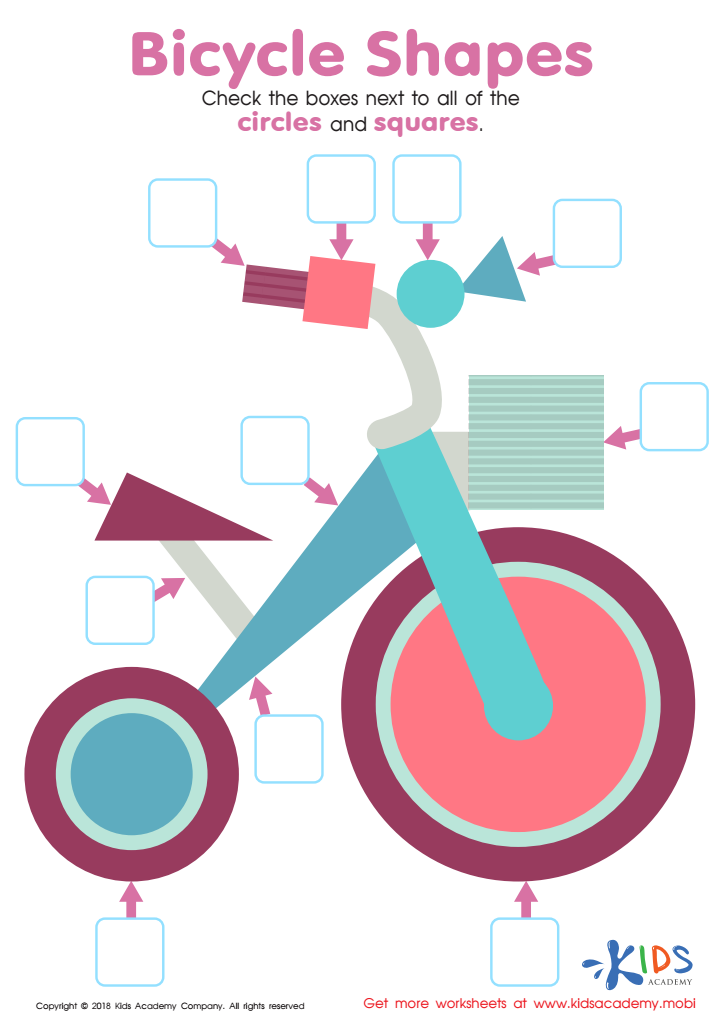
Bicycle Shapes Worksheet
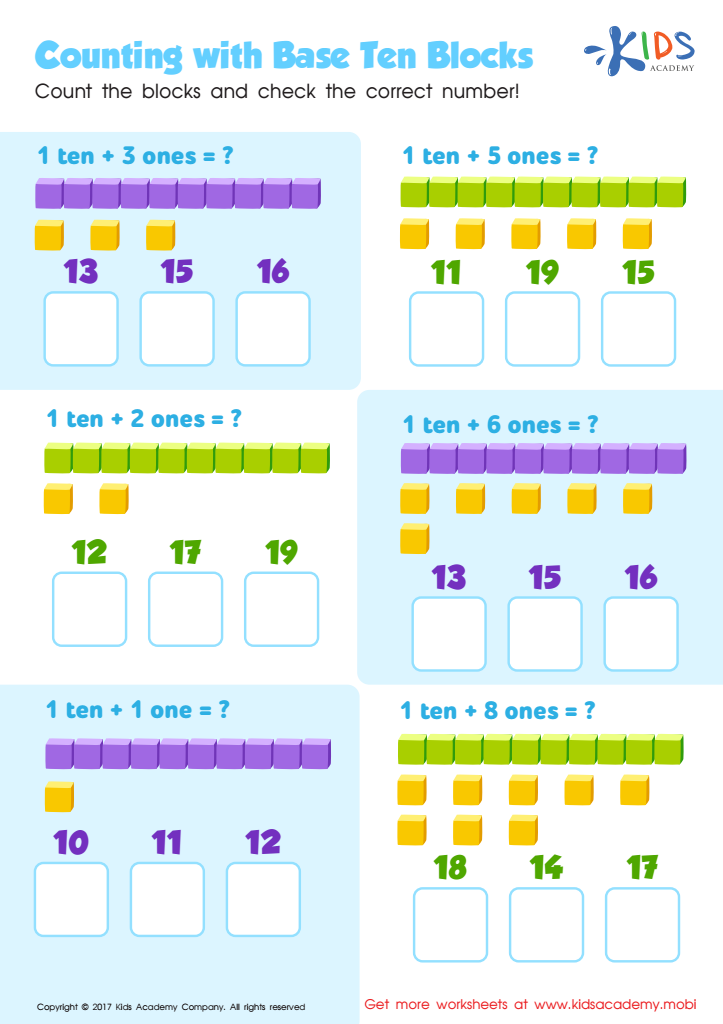
Counting with Base Ten Blocks Worksheet
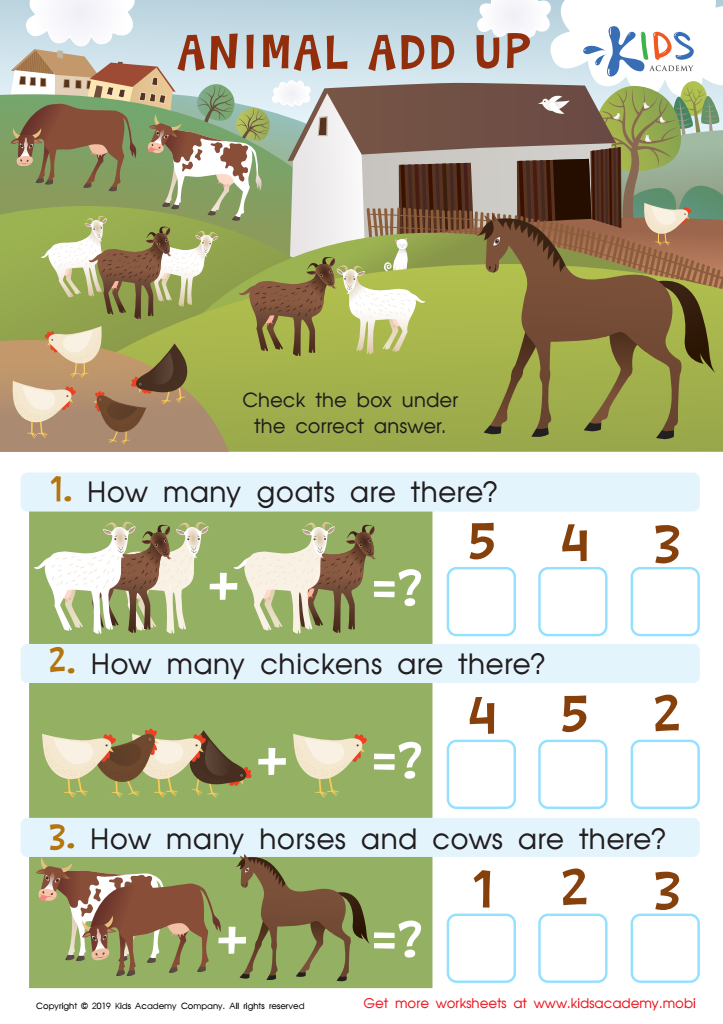
Animal Add Up Worksheet
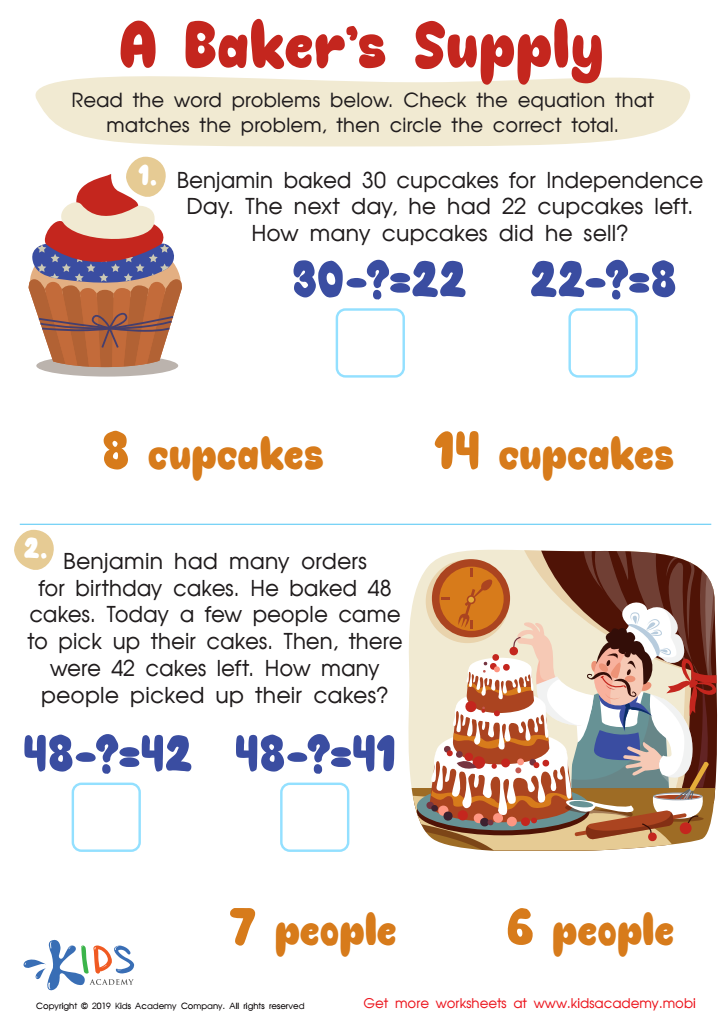
A Baker's Supply Worksheet
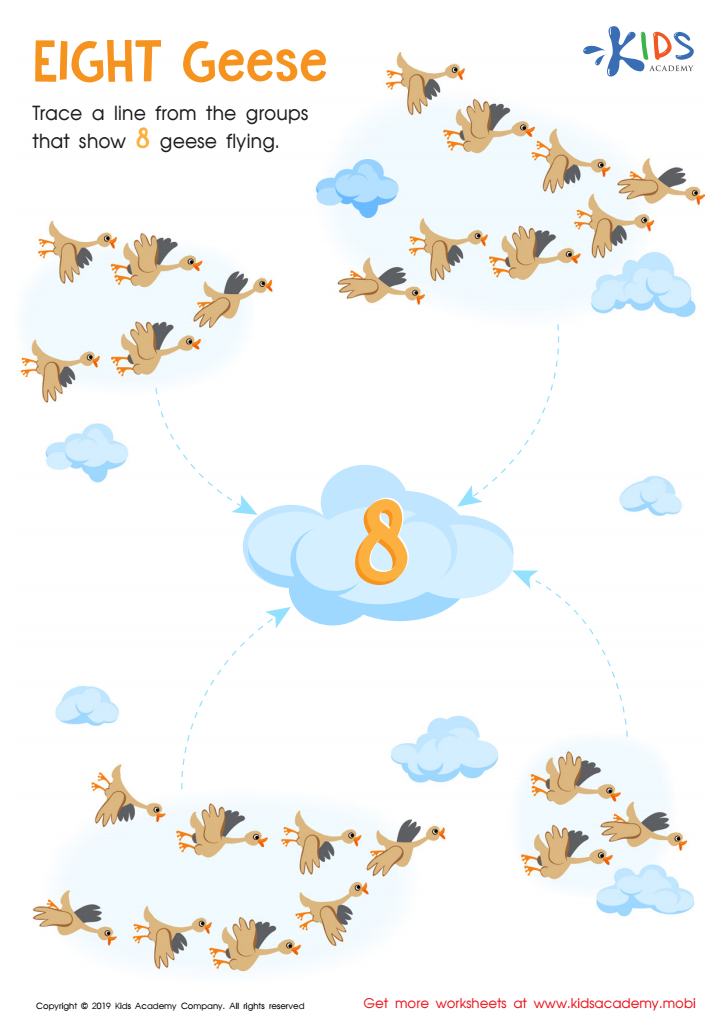
Eight Geese Worksheet
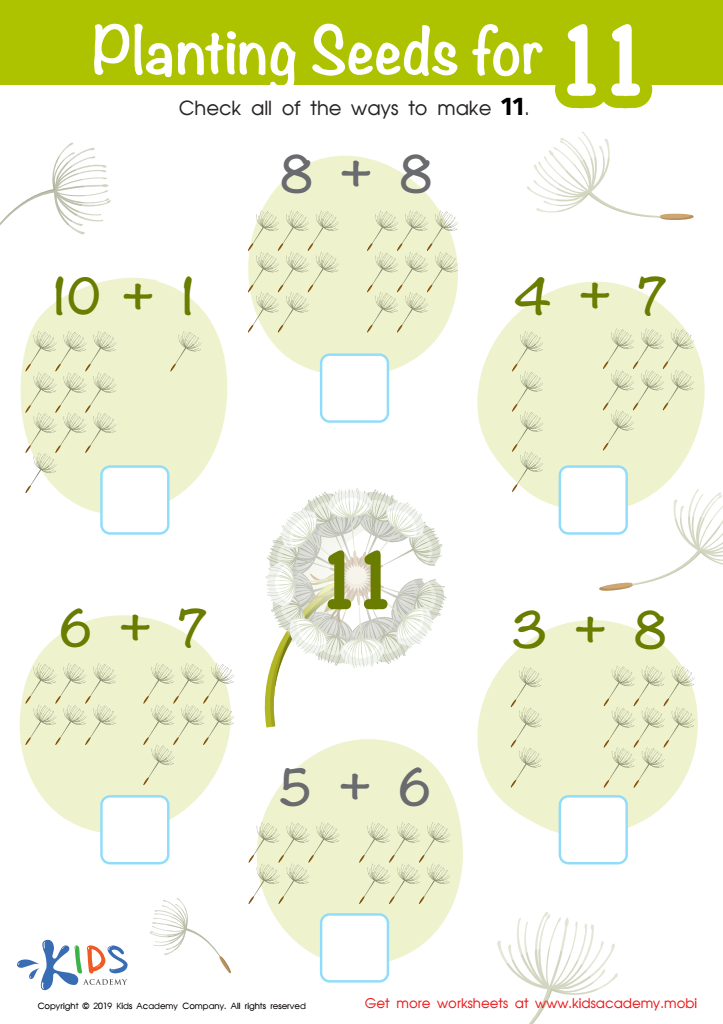
Planting Seeds for 11 Worksheet
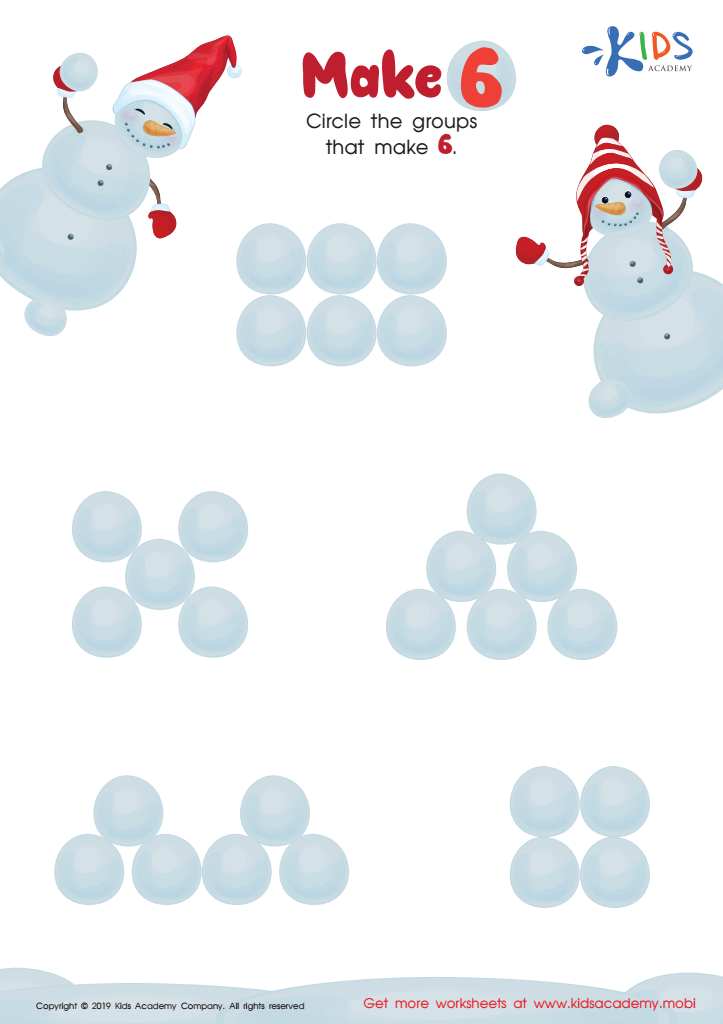
Make 6 Worksheet
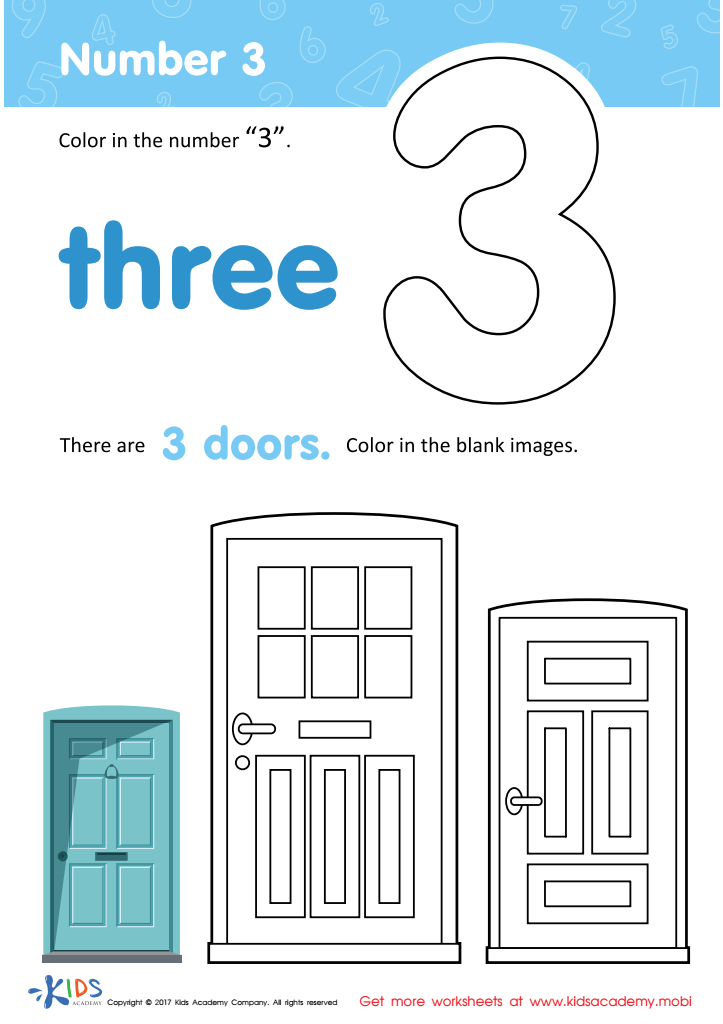
Number 3 Worksheet
Assign to My Students

Counting on the City Skyline: Dot-to-Dot Worksheet








Counting practice is a fundamental skill that forms the foundation of all future mathematical understanding for children aged 4-5. During these formative years, children begin to explore numbers, quantities, and basic mathematical concepts. Engaging in counting activities helps to enhance their cognitive development, improve their problem-solving abilities, and boost their confidence in handling numbers.
At this age, children are naturally curious and eager to learn. Teachers and parents can foster this curiosity by incorporating fun and interactive counting practices into daily routines. Activities that involve counting everyday objects, singing counting songs, or playing games can make learning enjoyable and meaningful.
Additionally, counting practice supports early literacy skills, as it helps children higher their awareness of patterns, sequences, and logic. This is crucial not only for understanding math but also for comprehending reading and writing.
Furthermore, a strong foundation in counting can lead to a more profound understanding of advanced math concepts in later years, such as addition and subtraction. By prioritizing counting practice, parents and teachers empower children to explore the world around them mathematically, setting the stage for lifelong learning and academic success. Ultimately, fostering these early skills can lead to greater enthusiasm for learning in the future.








