Counting skills Easy Numbers 0–10 Worksheets for Ages 4-5 - Page 2
42 filtered results
-
From - To
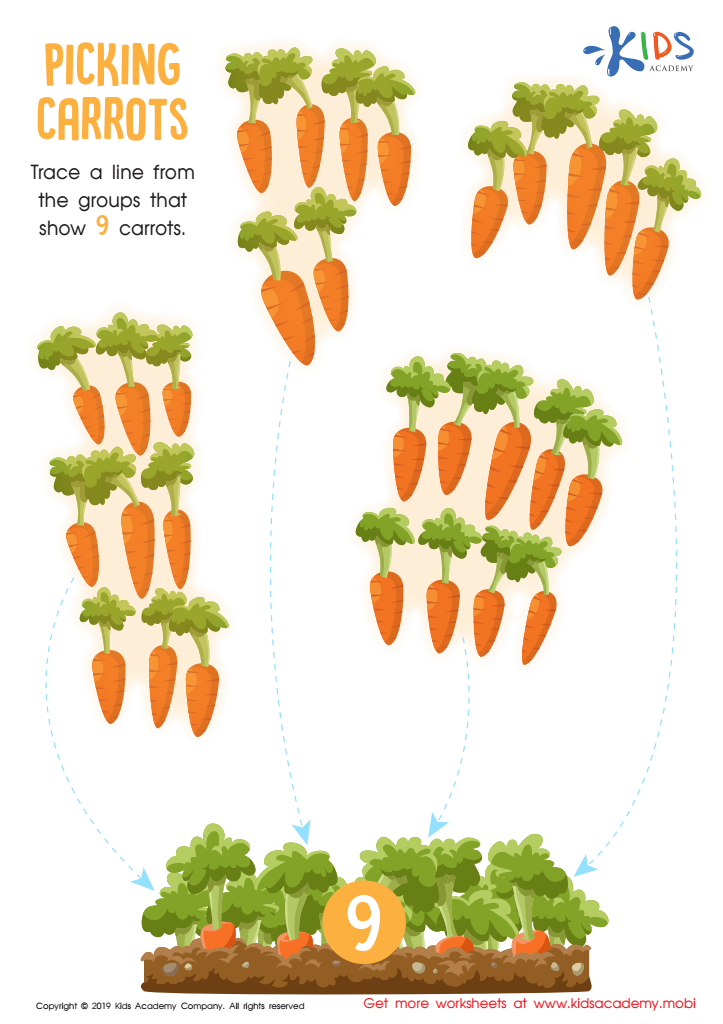
Picking Carrots Worksheet
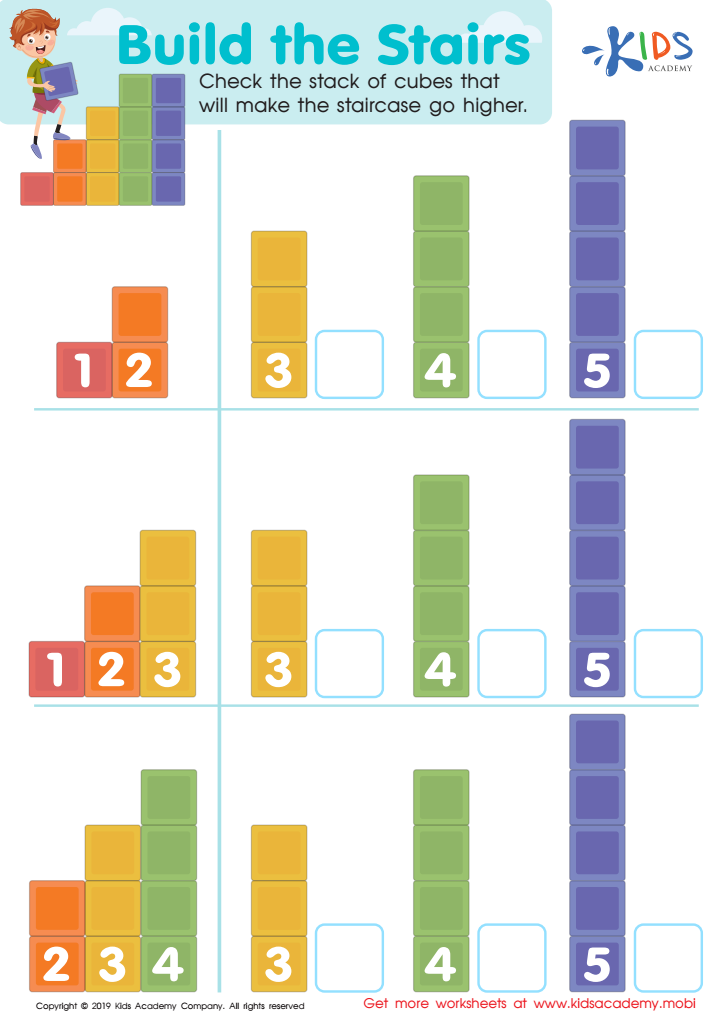
Build the Stairs Worksheet
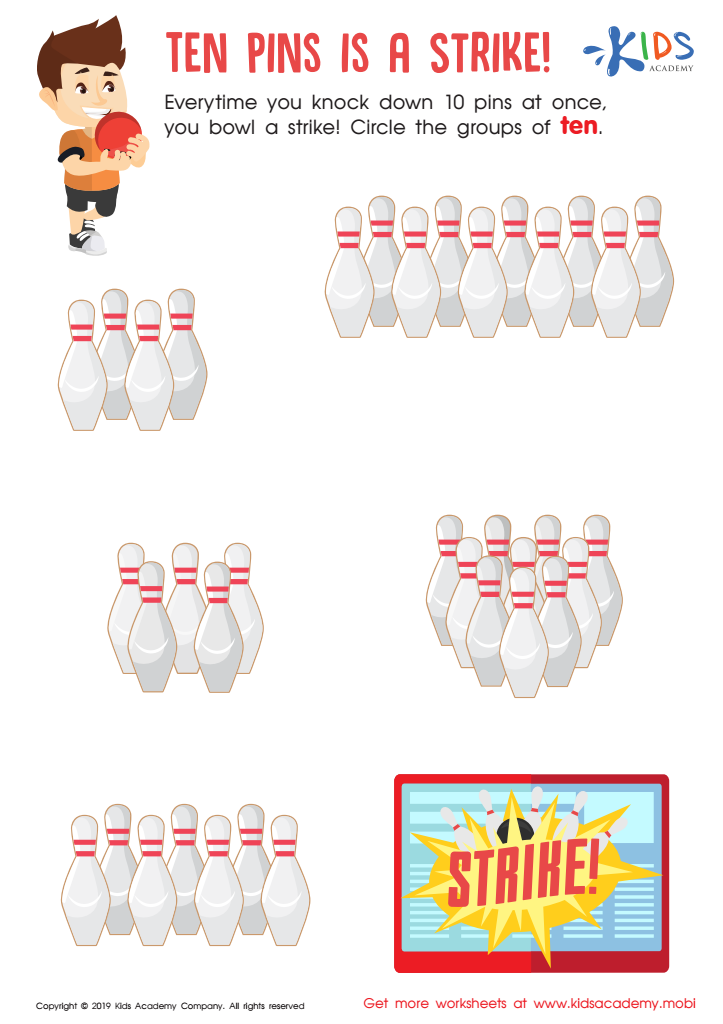
Ten Pins is a Strike Worksheet
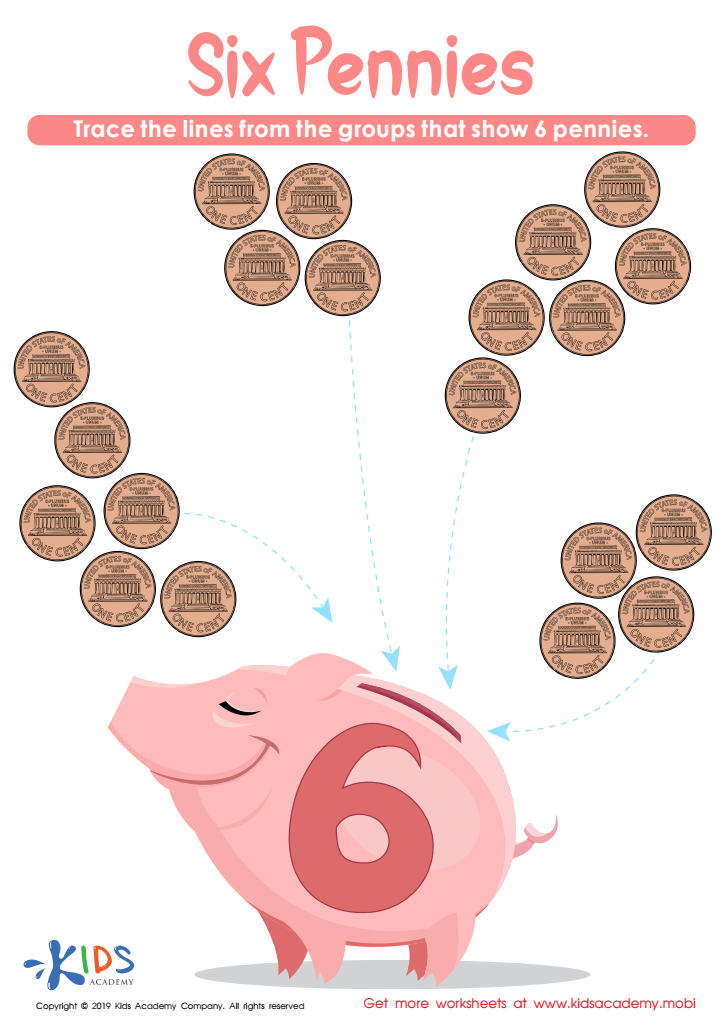
Six Pennies Worksheet
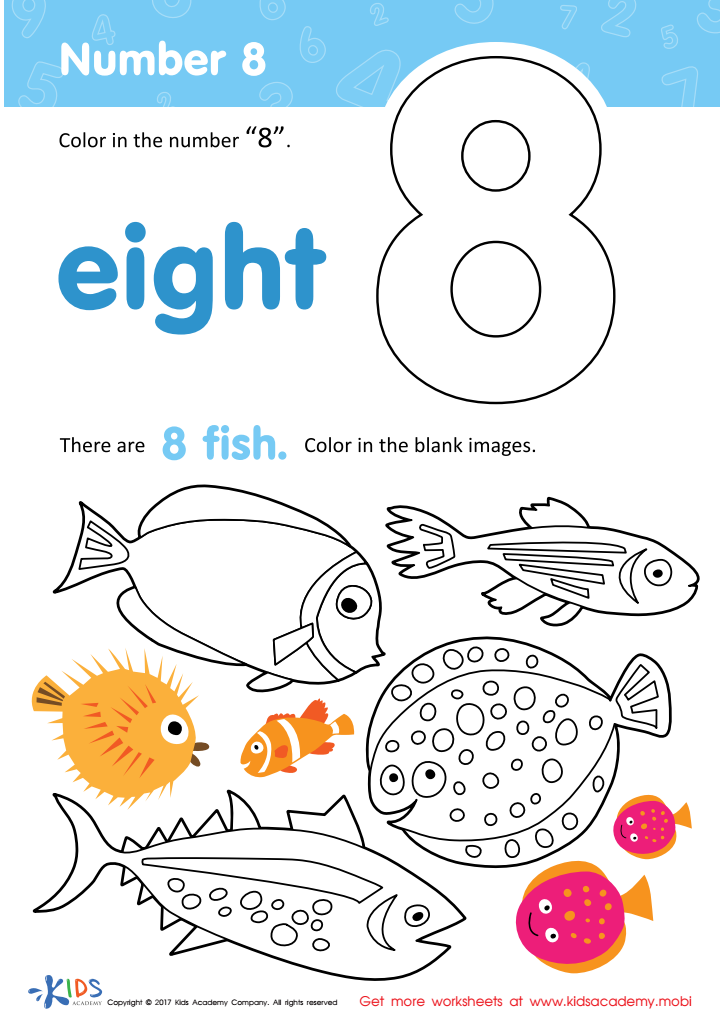
Number 8 Printable
 Assign to My Students
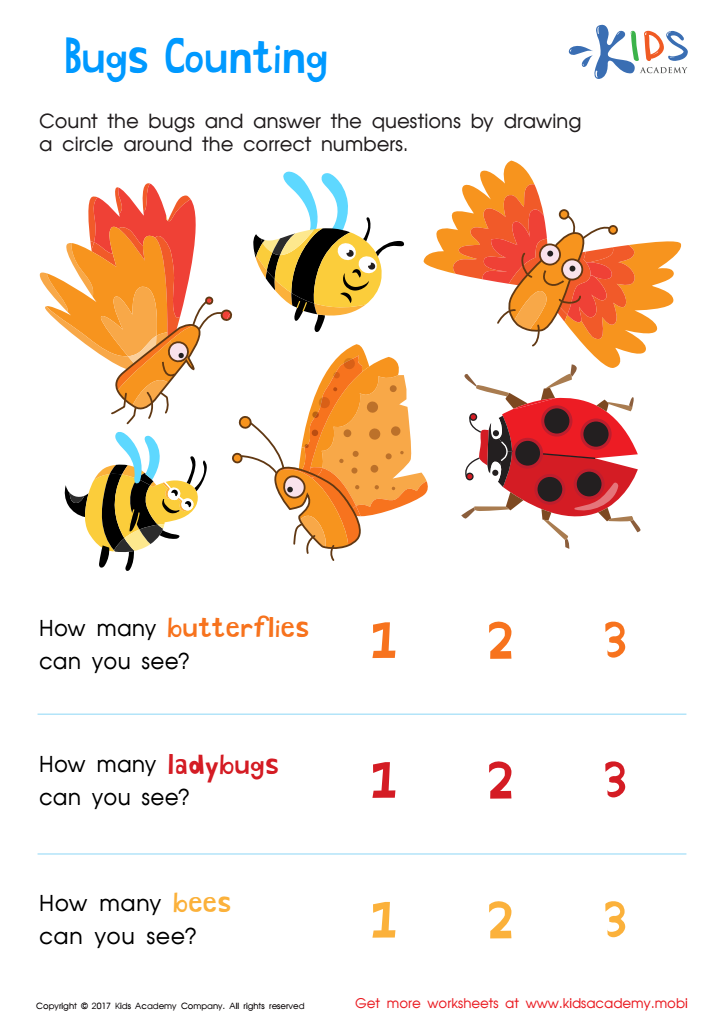
Bugs Counting Worksheet
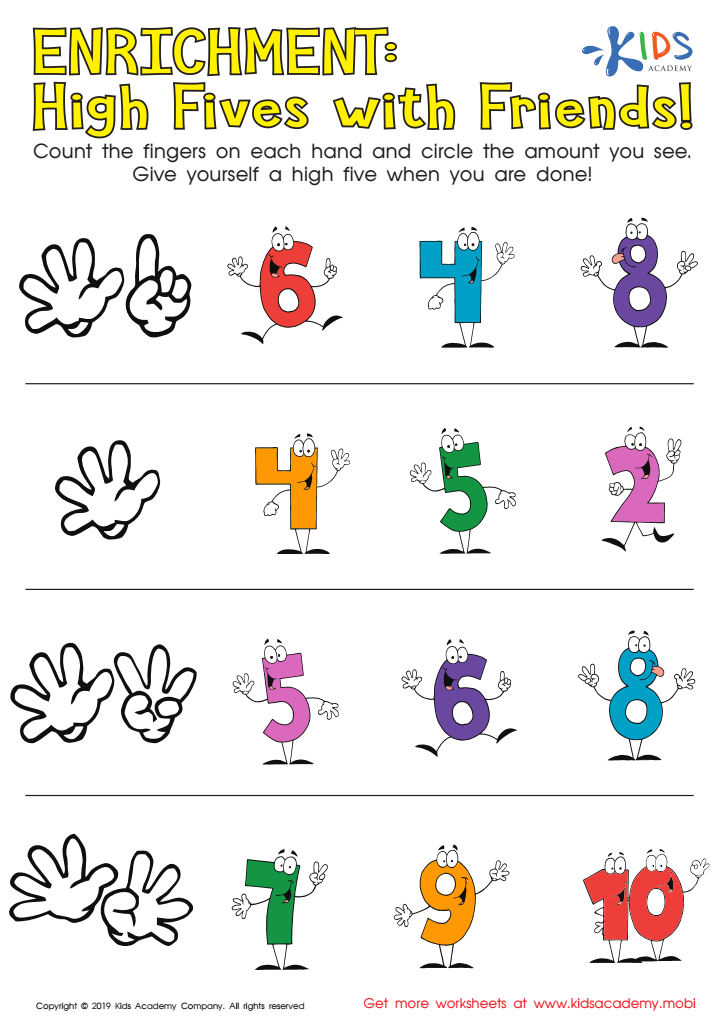
Enrichment: High Fives with Friends! Worksheet
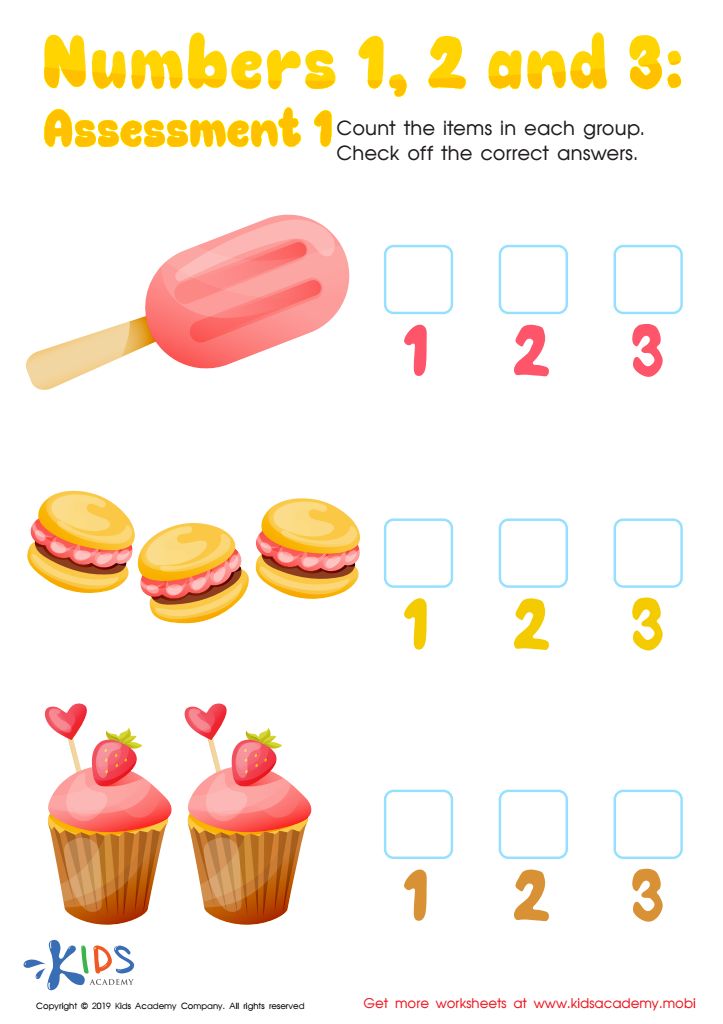
Numbers 1, 2 and 3: Assessment 1 Worksheet
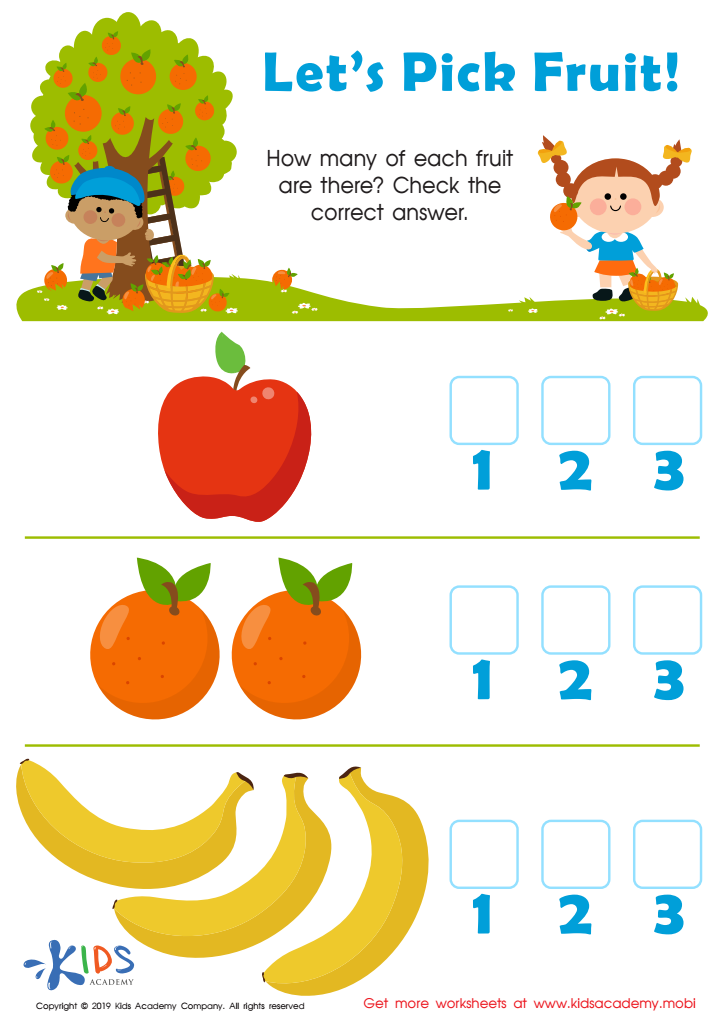
Let's Pick Fruit Worksheet
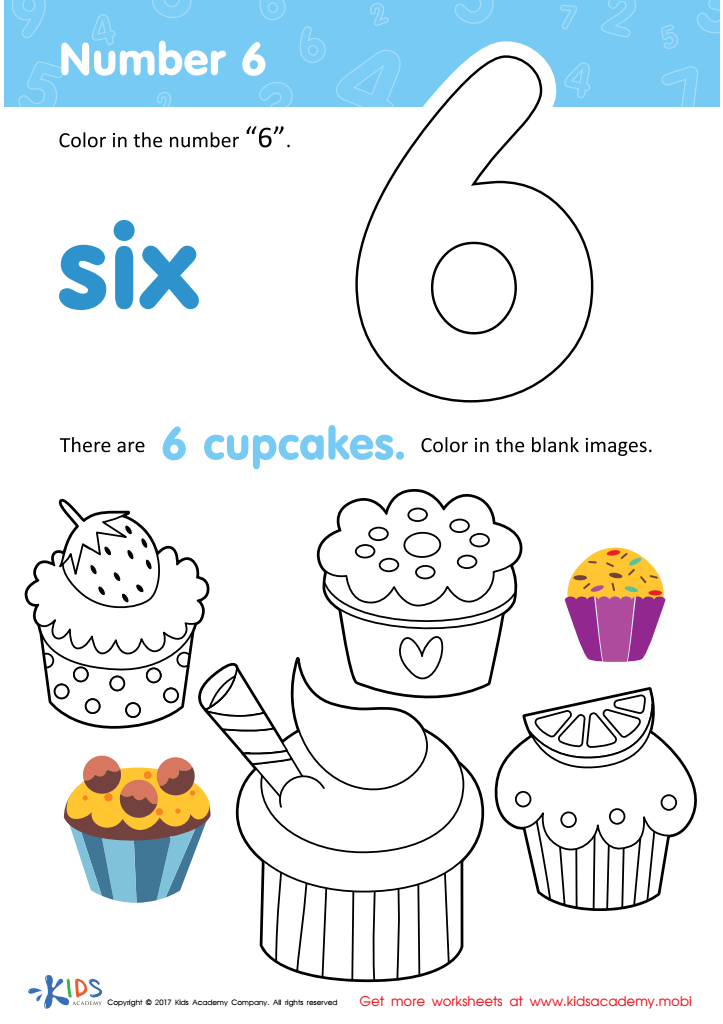
Number 6 Worksheet
Assign to My Students
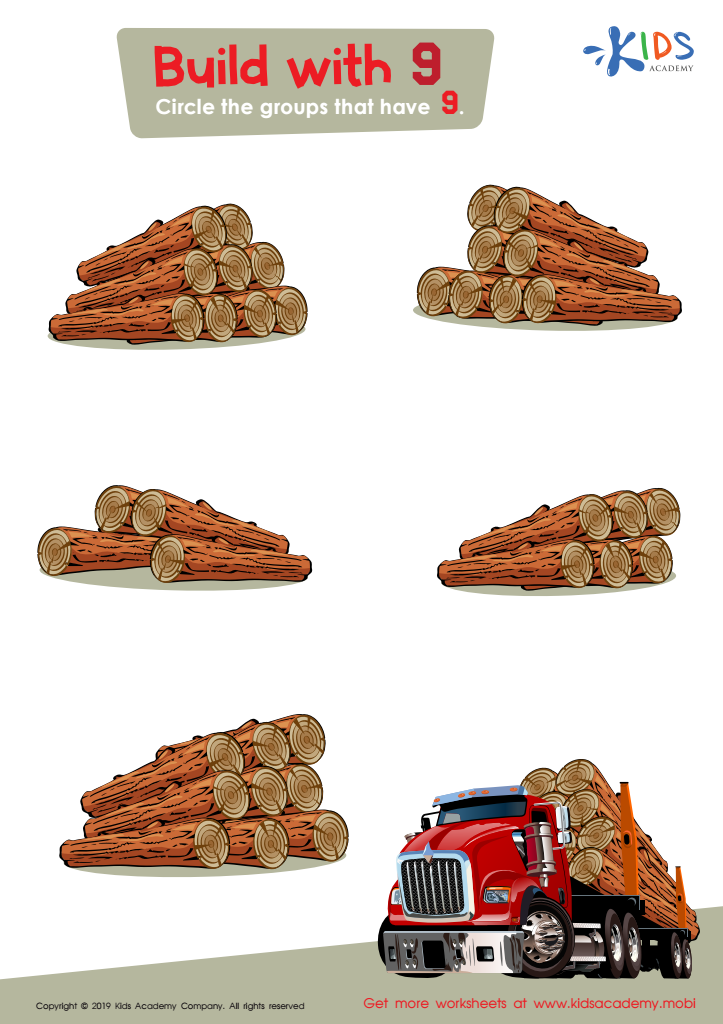
Build with 9 Worksheet
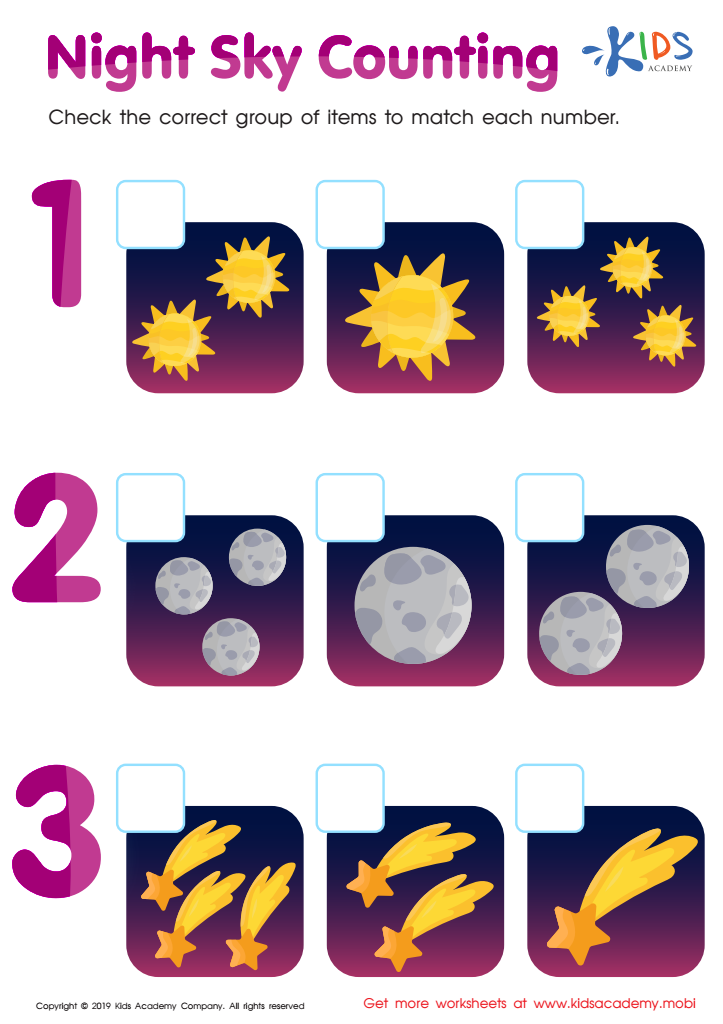
Night Sky Counting Worksheet
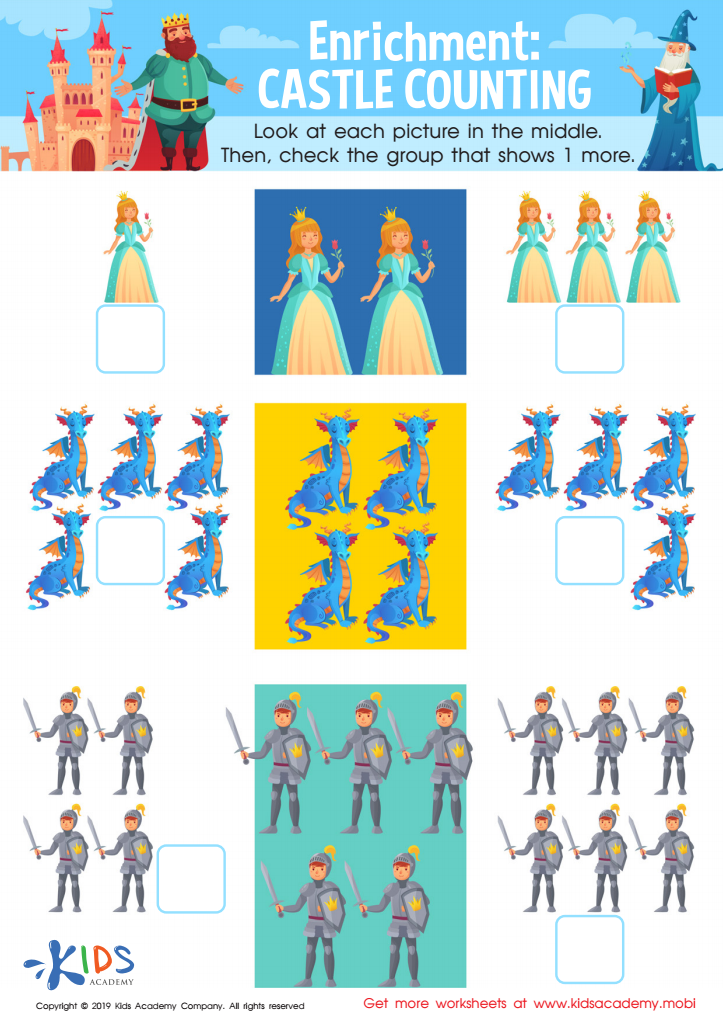
Enrichment: Castle Counting Worksheet
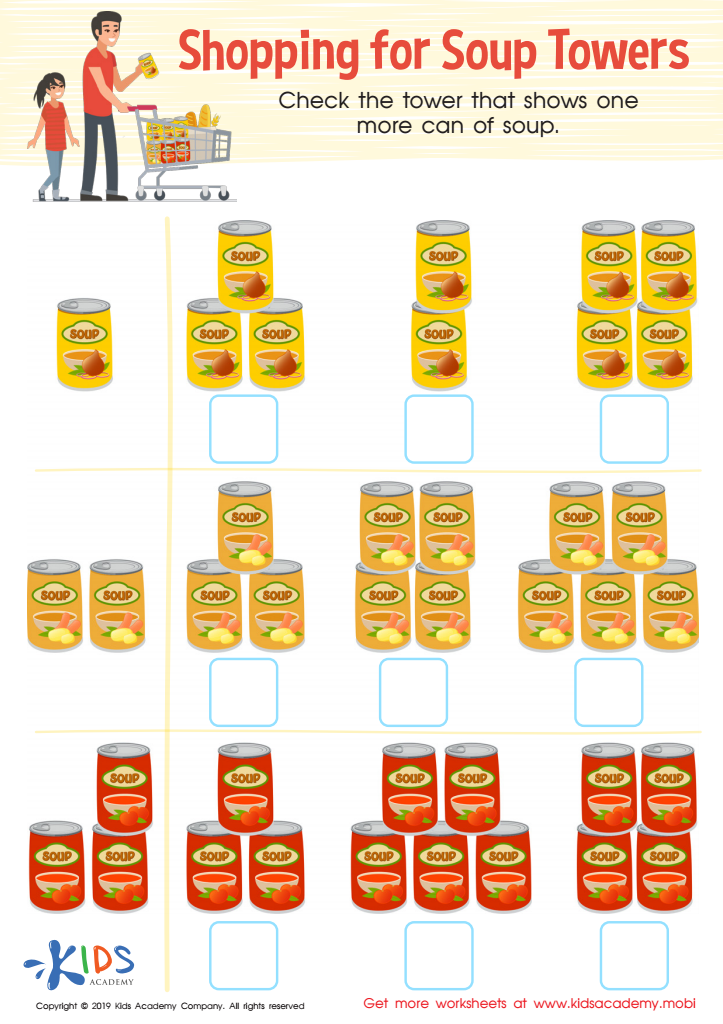
Soup Towers Worksheet
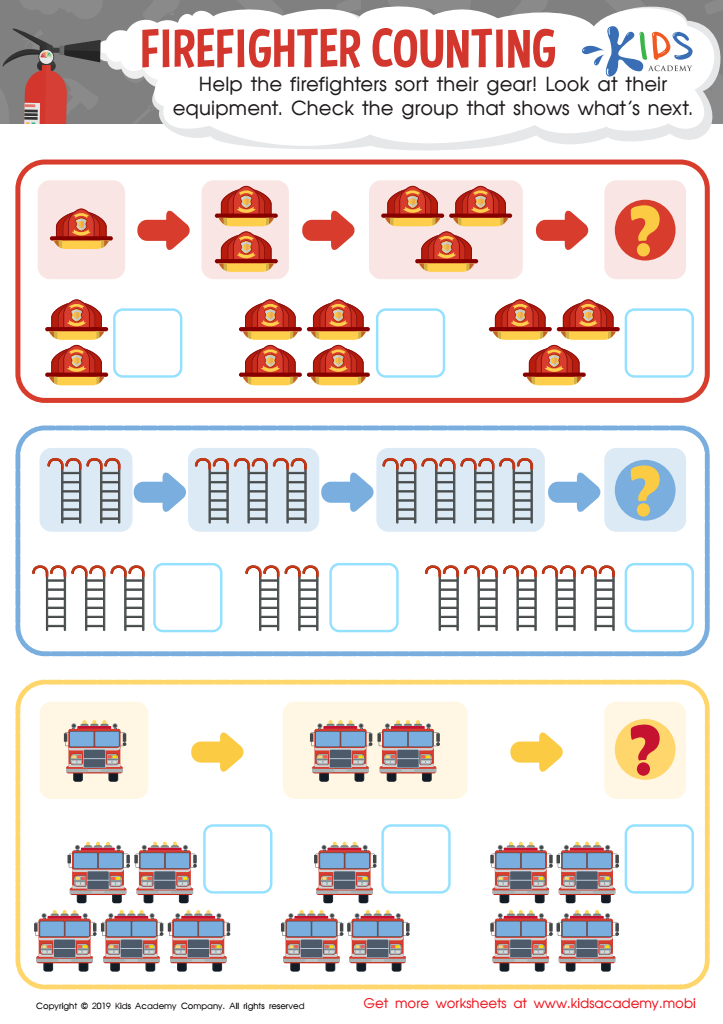
Firefighter Counting Worksheet
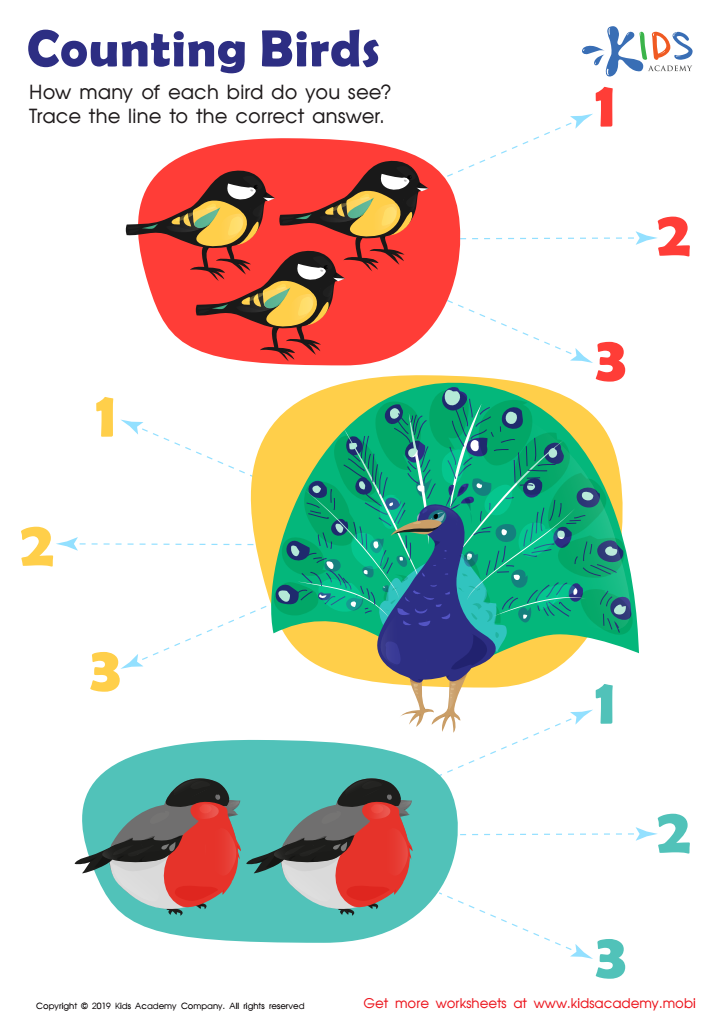
Counting Birds Worksheet
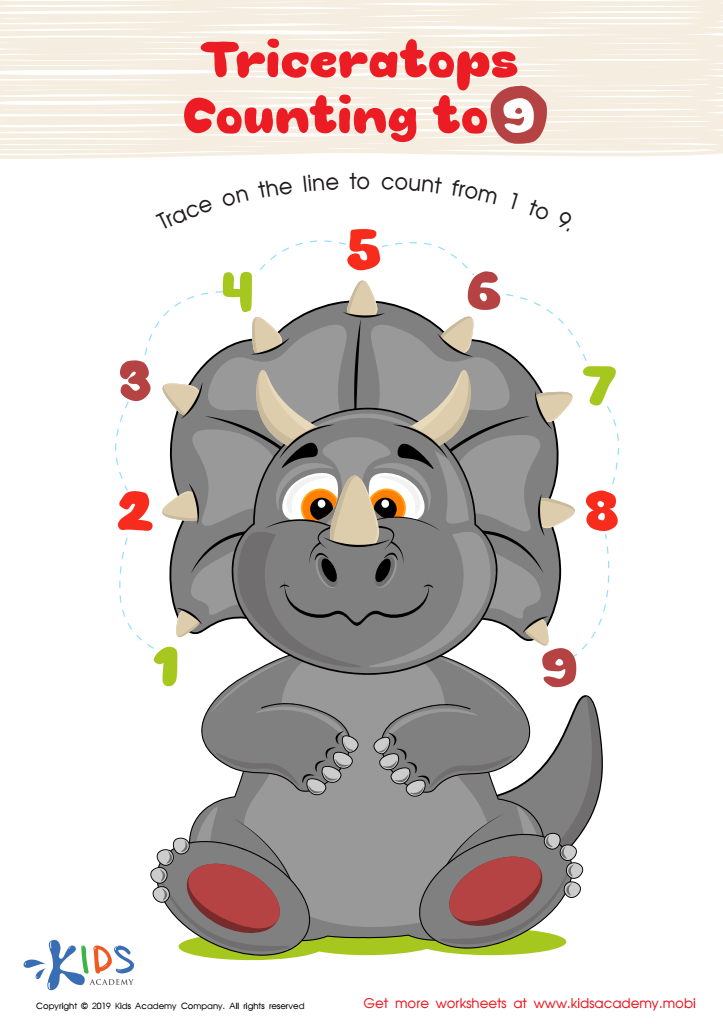
Triceratops Counting to 9 Worksheet
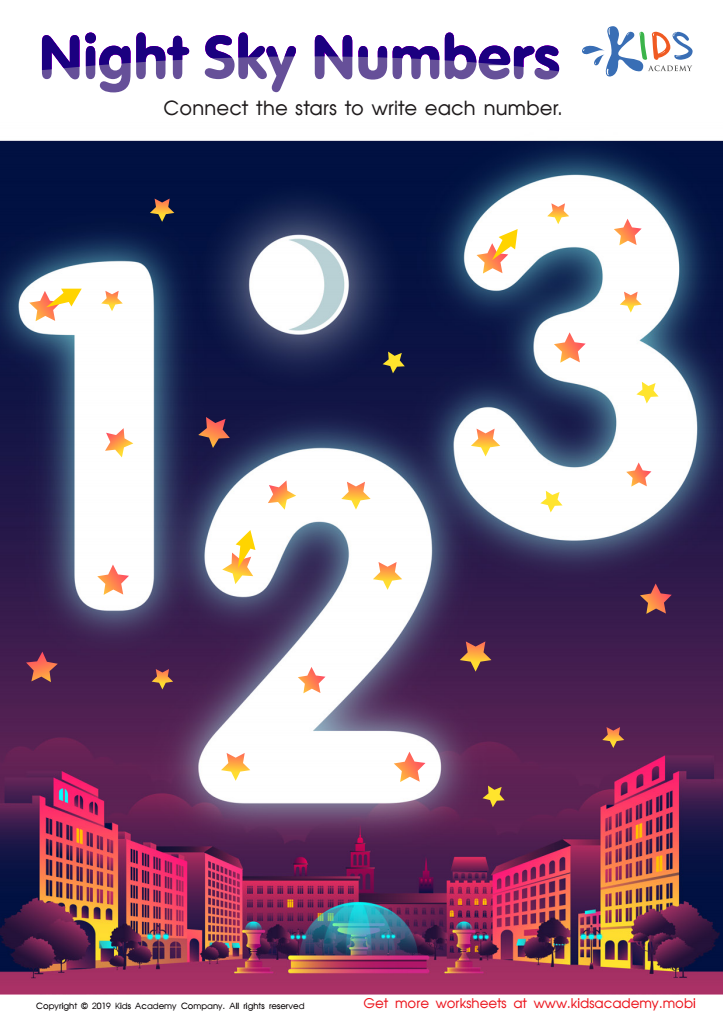
Night Sky Numbers Worksheet








Counting skills in early childhood, especially with numbers ranging from 0 to 10, form a critical foundational basis for a child’s mathematical understanding and overall cognitive development. At ages 4-5, children are naturally curious and absorb information rapidly; introducing them to counting helps encourage this developmental stage. These skills aid in number recognition, helping children identify and understand numerical values, which is crucial for more advanced mathematical concepts.
Counting accurately not only familiarizes children with numerical sequences but also lays the groundwork for arithmetic operations like addition and subtraction. It helps them recognize relationships between numbers, cultivate a sense of quantity, and understand “more” or “less,” thus boosting their logical thinking and problem-solving skills.
Additionally, integrating counting exercises into daily routines strengthens children's memory, focus, and attention to detail. Simple tasks, such as counting toys, steps, or snacks, embed mathematical thinking into their subconscious through real-world applications.
For parents and teachers, engaging children in counting exercises cultivates a supportive and enriching learning environment. It opens pathways to encourage a love for learning and builds confident learners who experience academic growth and success. Tools like songs, games, and interactive activities make counting fun, ensuring that the learning process resonates with young minds. Investing in these counting skills from an early age propels children toward future scholastic achievements.