Alphabet Recognition Easy English for Beginners Worksheets for Ages 4-6
6 filtered results
-
From - To
Discover our "Alphabet Recognition Easy English for Beginners Worksheets" designed specifically for children aged 4-6. These engaging worksheets offer a fun and interactive way for young learners to master the English alphabet. Each activity focuses on recognizing letters, understanding their shapes, and associating them with words and images. Ideal for early language learners, these resources encourage creativity and reinforce foundational literacy skills through colorful visuals and age-appropriate exercises. Perfect for homeschooling or classroom use, our worksheets make learning the alphabet enjoyable and accessible. Start your child's journey to reading confidence with our easy-to-follow materials today!
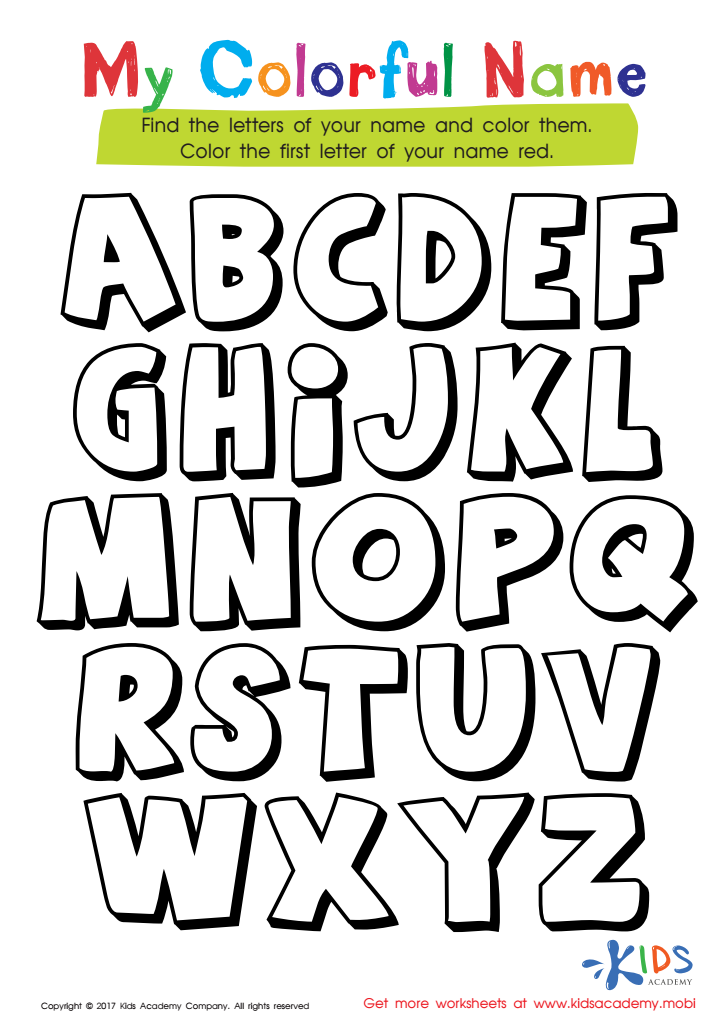
My Colorful Name Worksheet
 Assign to My Students
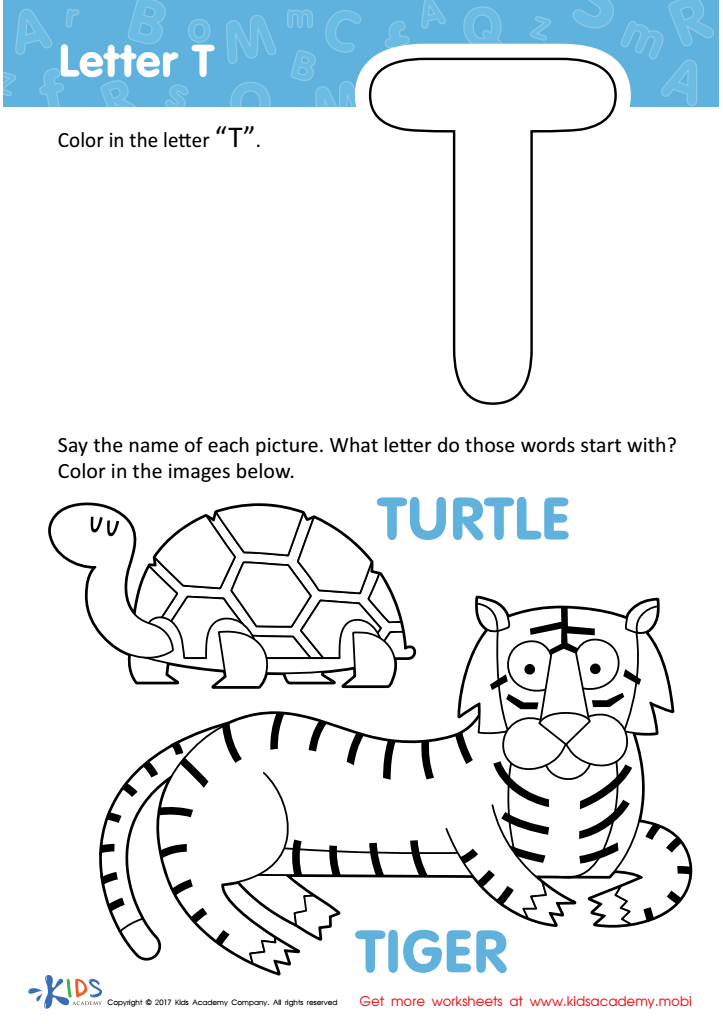
Letter T Coloring Sheet
Assign to My Students
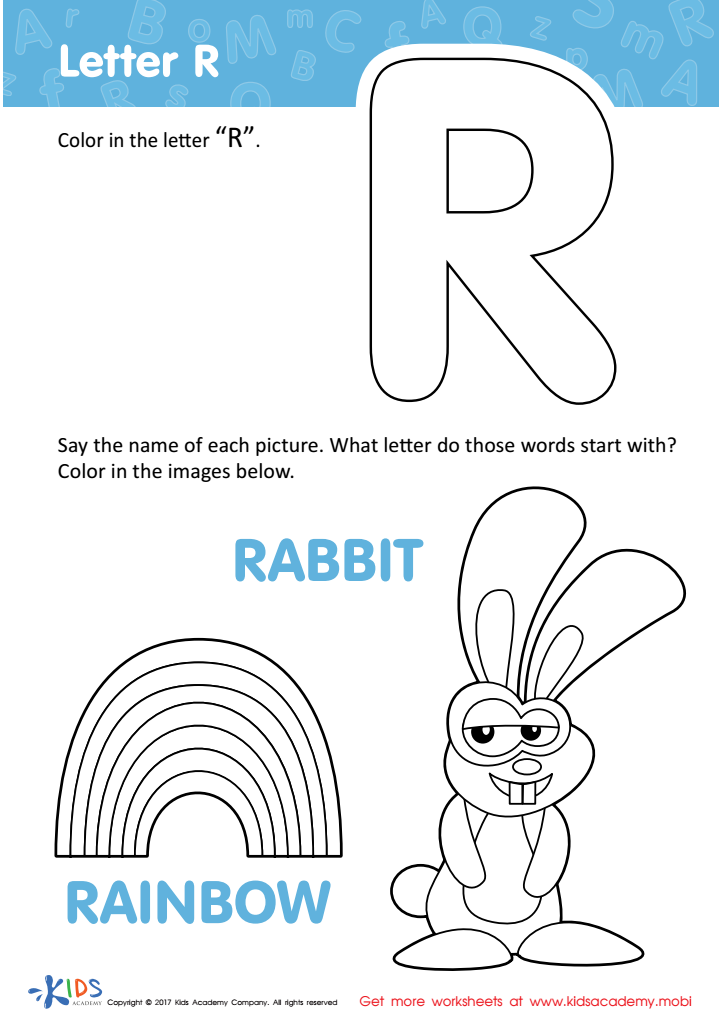
Letter R Coloring Sheet
Assign to My Students
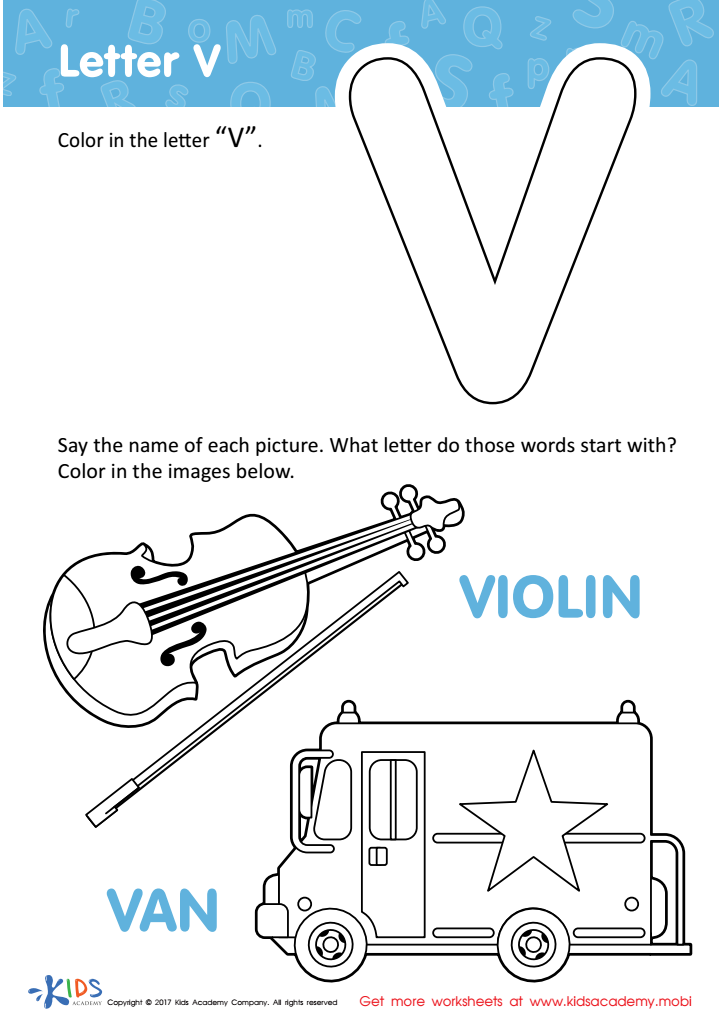
Letter V Coloring Sheet
Assign to My Students
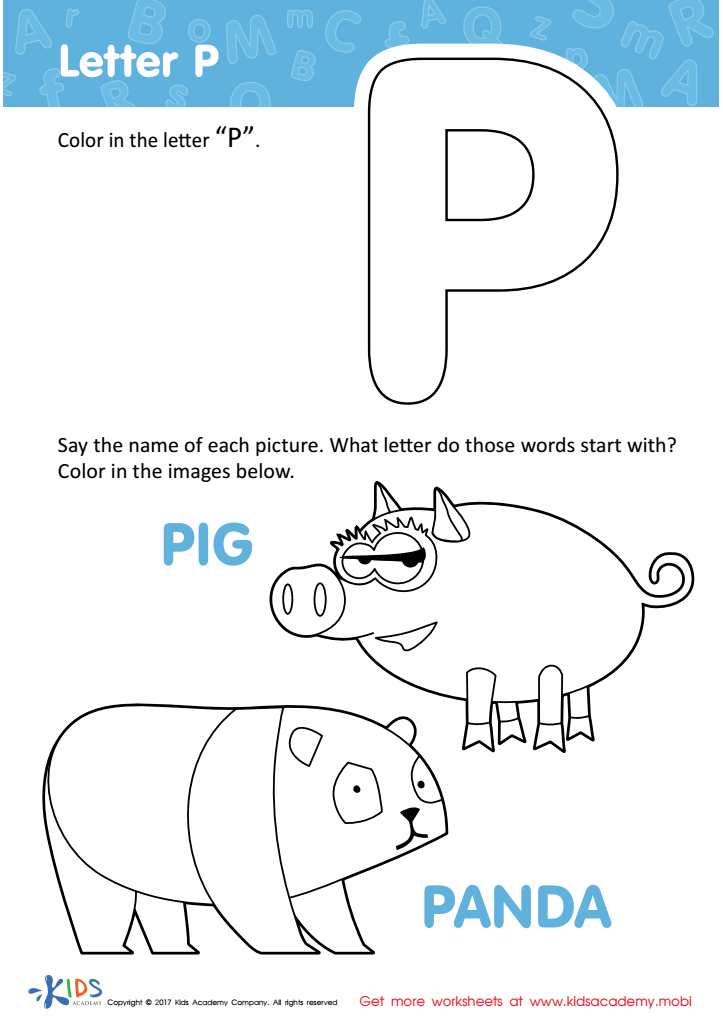
Letter P Coloring Sheet
Assign to My Students
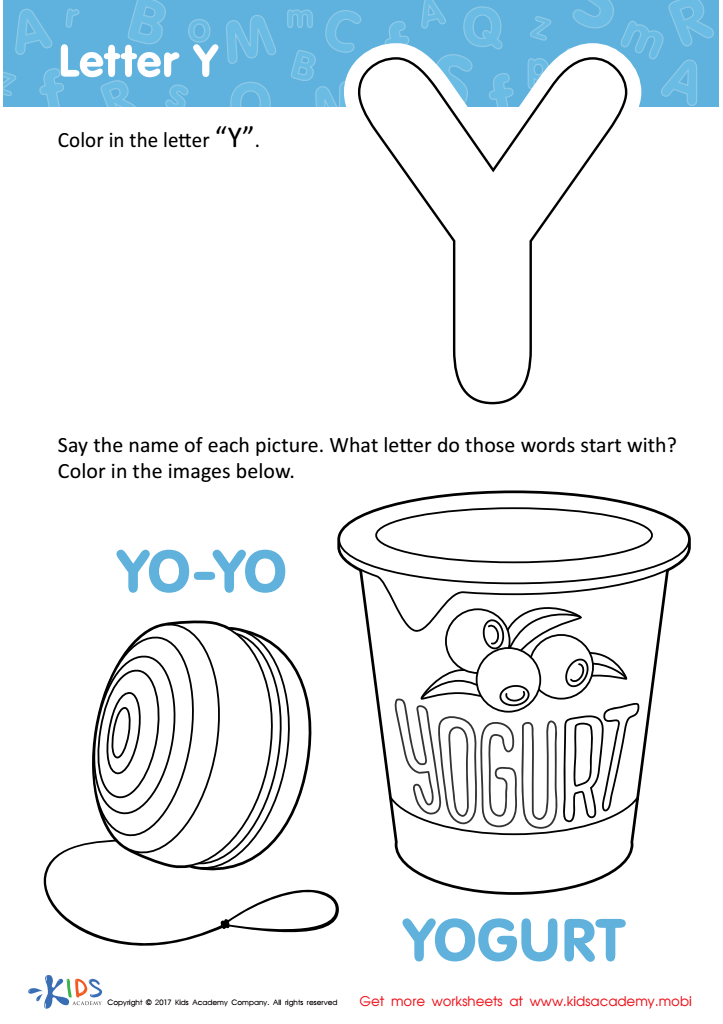
Letter Y Coloring Sheet
Assign to My Students




Alphabet recognition is a foundational skill crucial for early literacy development in children aged 4-6. Parents and teachers should prioritize this milestone because it sets the stage for reading and writing success. At this age, children are naturally curious and eager to learn. By engaging them with interactive alphabet recognition activities, they develop letter-sound associations that enhance phonemic awareness. This understanding is essential as it directly correlates with a child’s ability to decode words, paving the way for fluent reading.
Moreover, recognizing letters is not just about identifying them in isolation; it fosters cognitive development and fine motor skills too. Activities, such as exploring alphabet puzzles or practicing writing letters, encourage hand-eye coordination and motor control.
By focusing on this early skill, parents and teachers lay a solid foundation for a child’s confidence in literacy, promoting a love for reading and learning. Early mastery of the alphabet helps mitigate potential future challenges in academic settings, ensuring that children are better prepared for more complex tasks as they progress through school. Supporting children in mastering these vital skills contributes to long-term educational success and nurtures a lifelong enthusiasm for learning.