Basic Addition Easy Worksheets for Ages 4-6
18 filtered results
-
From - To
Introducing our "Basic Addition Easy Worksheets for Ages 4-6" – the perfect resource to kickstart your child's mathematical journey! These engaging, colorful worksheets designed for young learners help solidify foundational addition skills using fun, relatable scenarios. Each worksheet features adorable illustrations and simple exercises, making learning enjoyable and accessible. Structured to align with early learning standards, they promote number recognition, counting skills, and confidence in basic math. Ideal for classroom use or extra practice at home, these worksheets ensure kids have fun while gaining essential math skills. Give your child a head start in math with our expertly crafted worksheets!
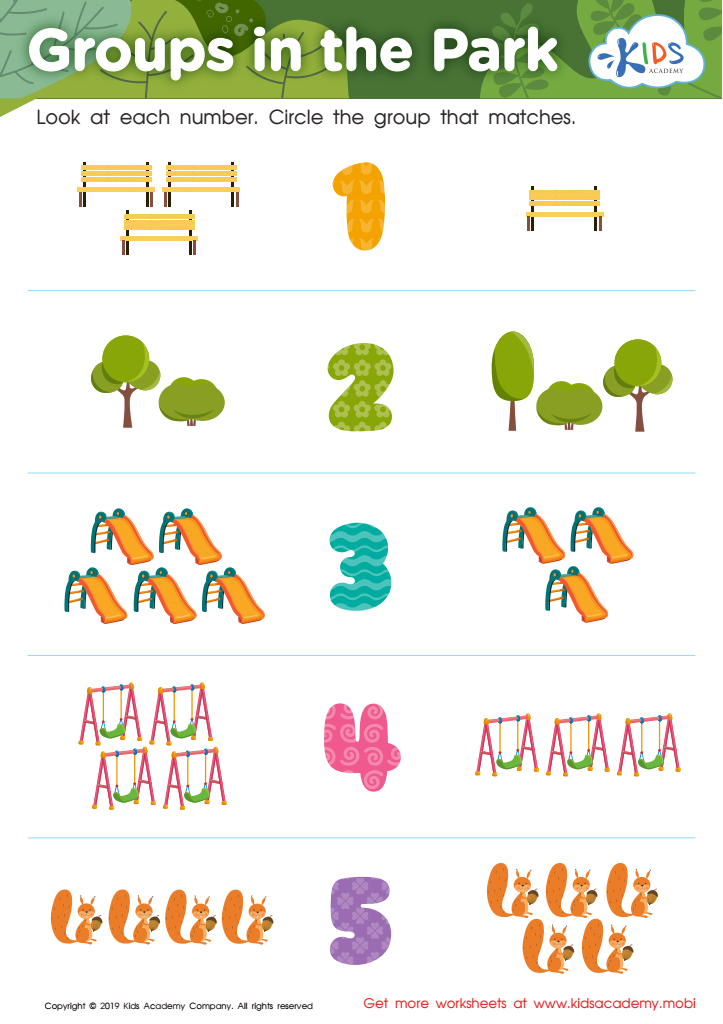
Groups in the Park Worksheet
 Assign to My Students
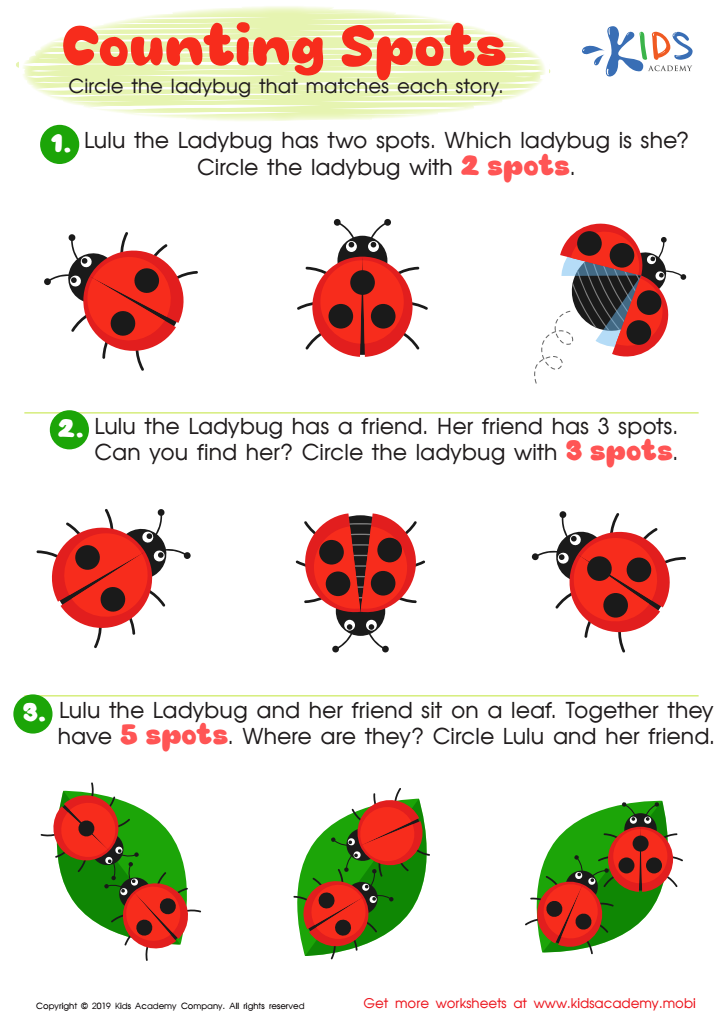
Counting Spots Worksheet
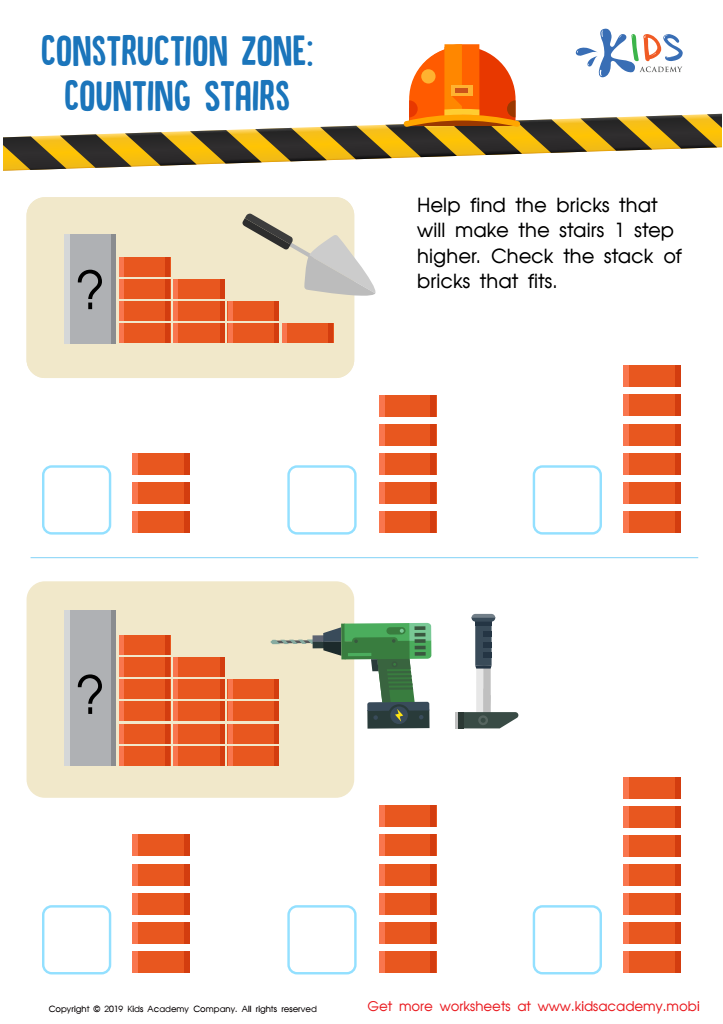
Construction Zone: Counting Stairs Worksheet
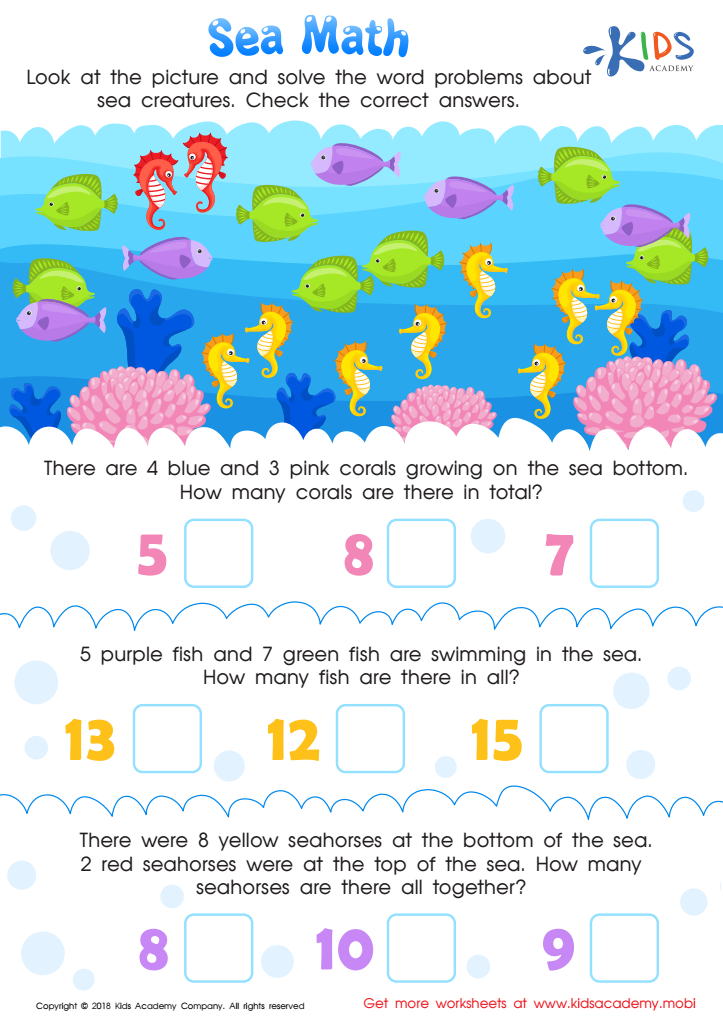
Sea Math Worksheet
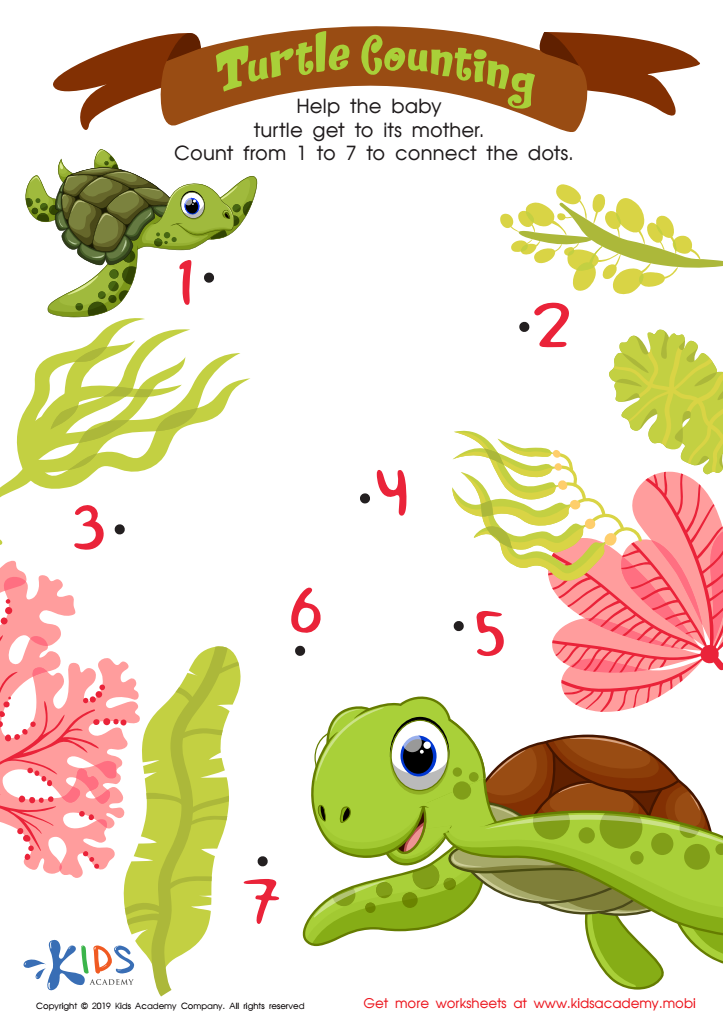
Turtle Counting Worksheet
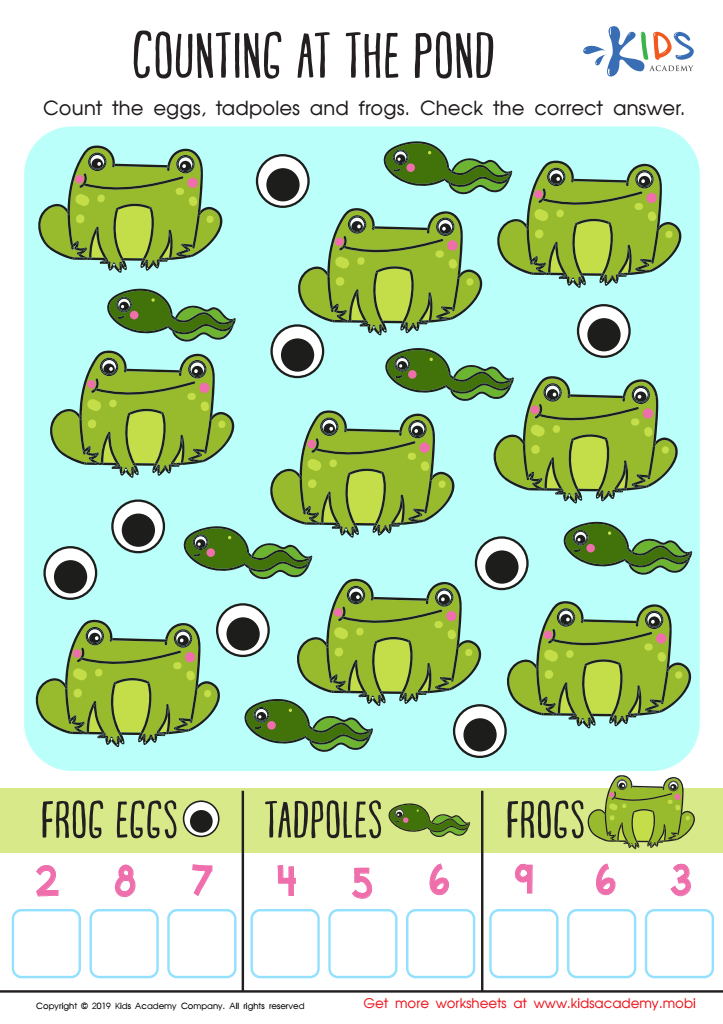
Counting at the Pond Worksheet
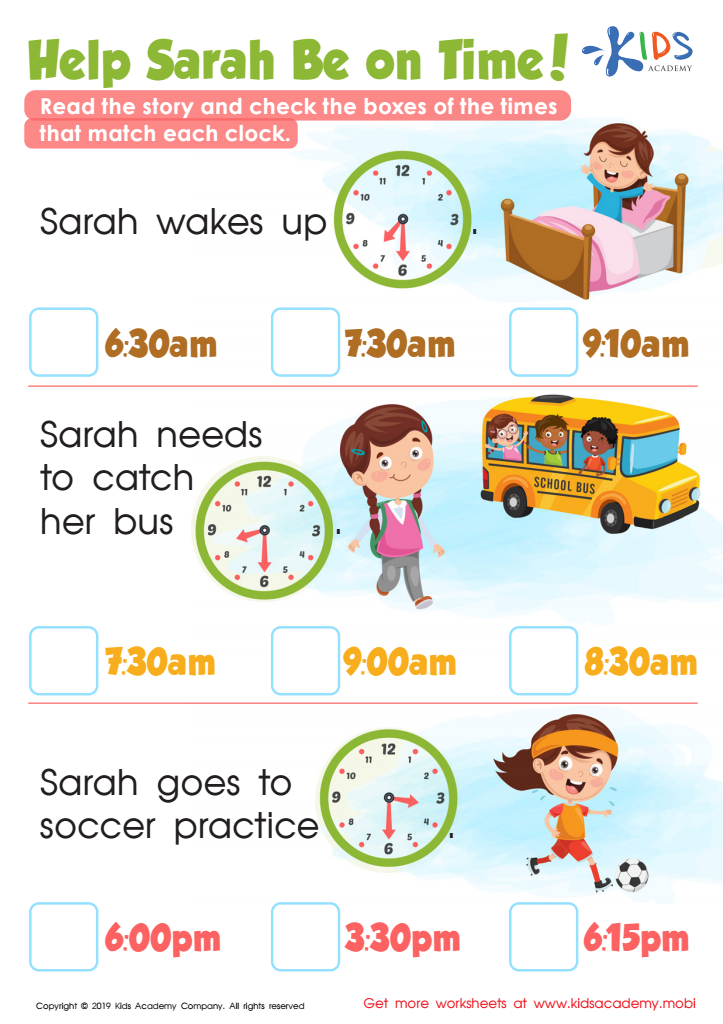
Help Sarah Be on Time! Worksheet
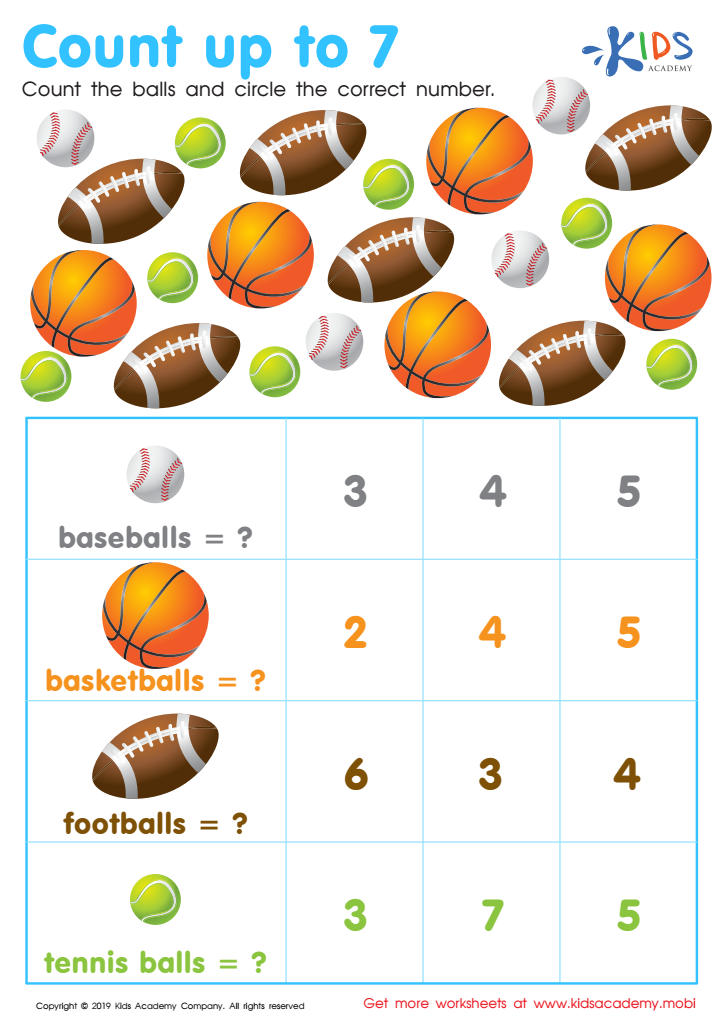
Count up to 7 Worksheet
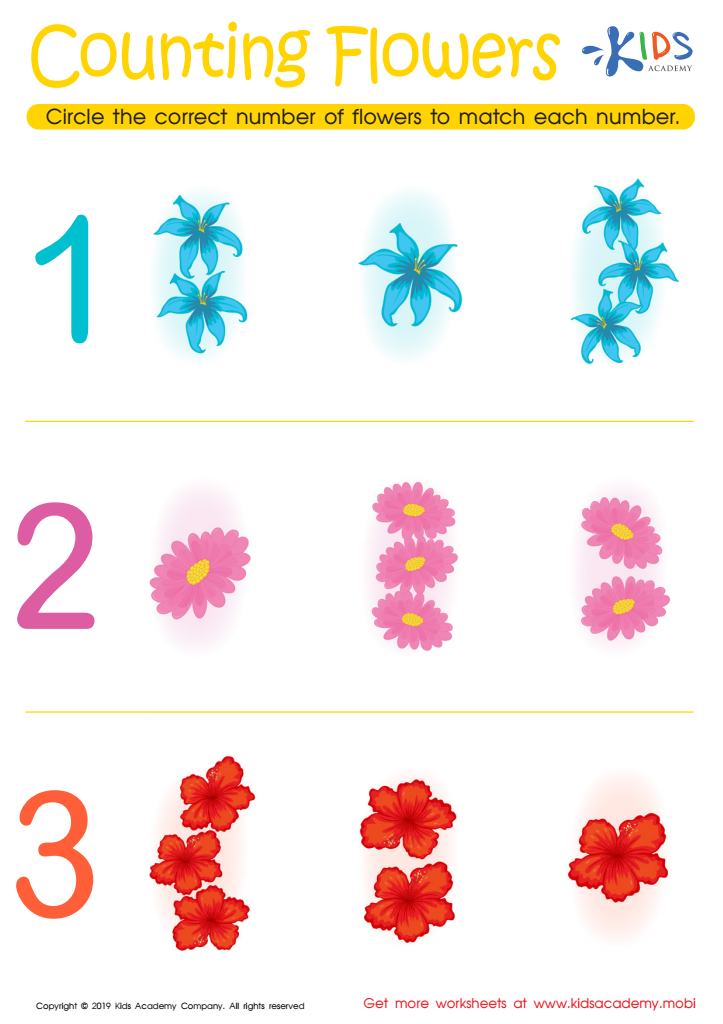
Counting Flowers Worksheet
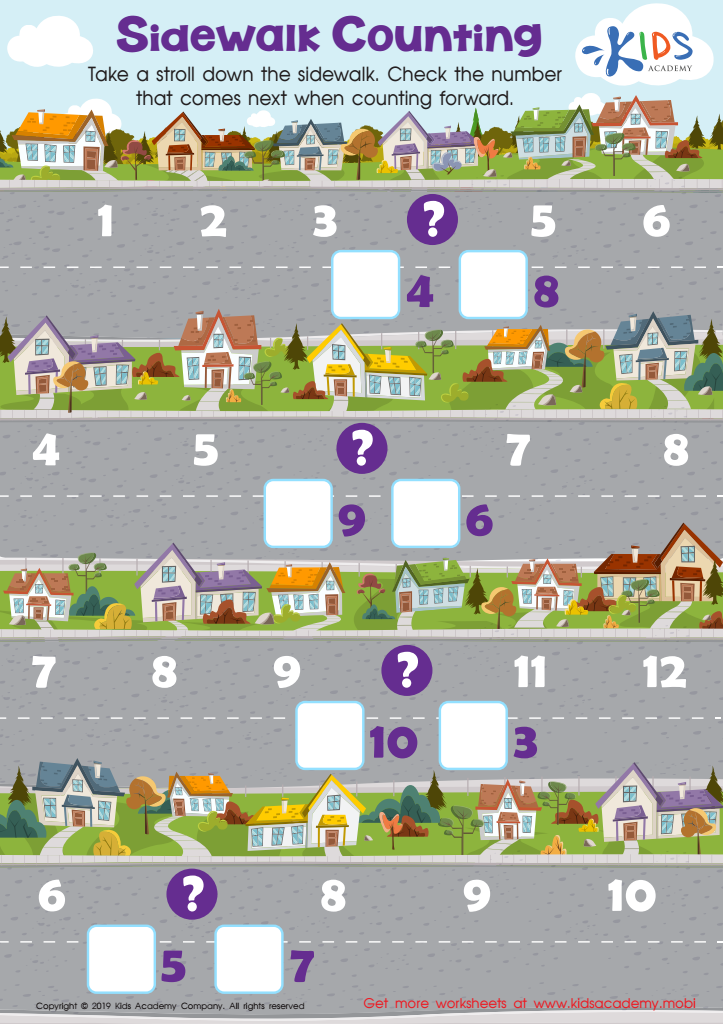
Sidewalk Counting Worksheet
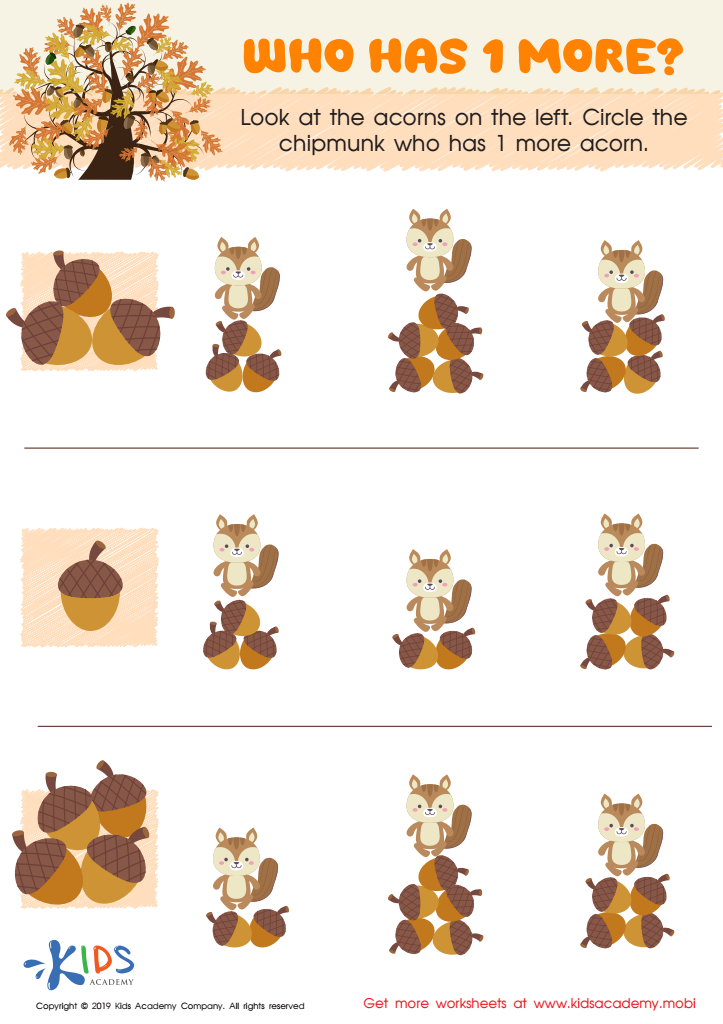
Who Has 1 More? Worksheet
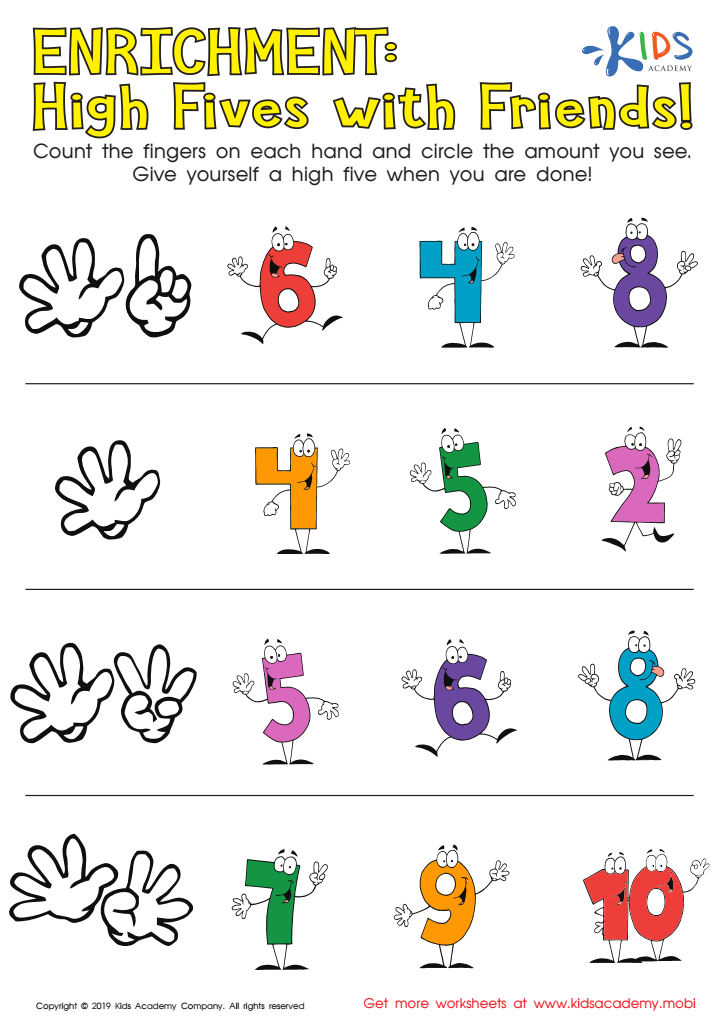
Enrichment: High Fives with Friends! Worksheet
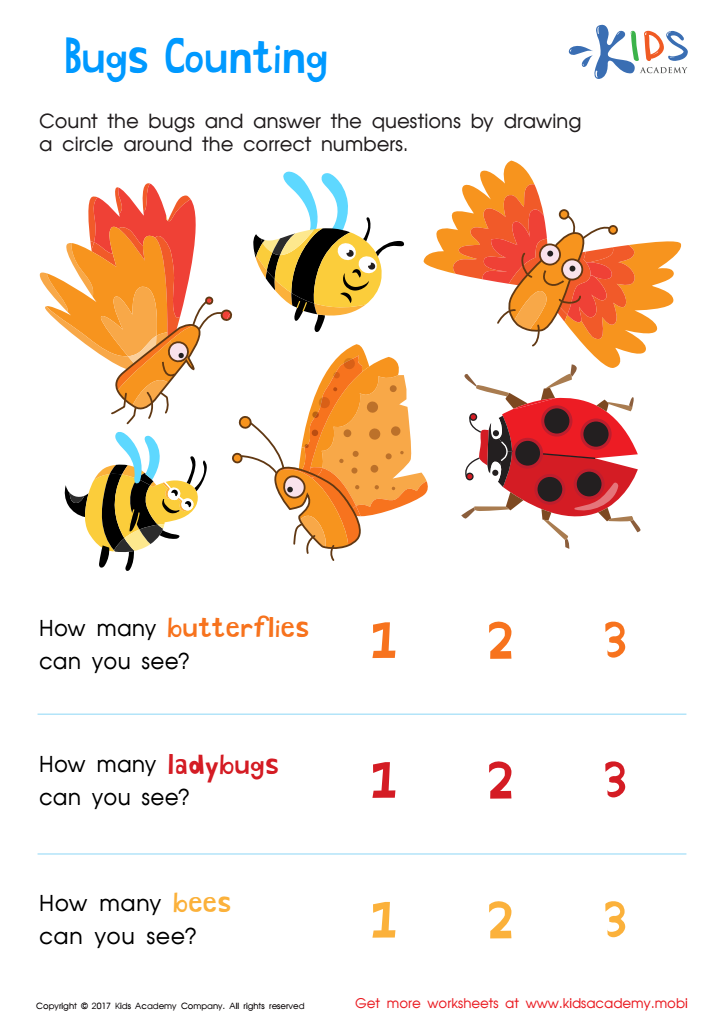
Bugs Counting Worksheet
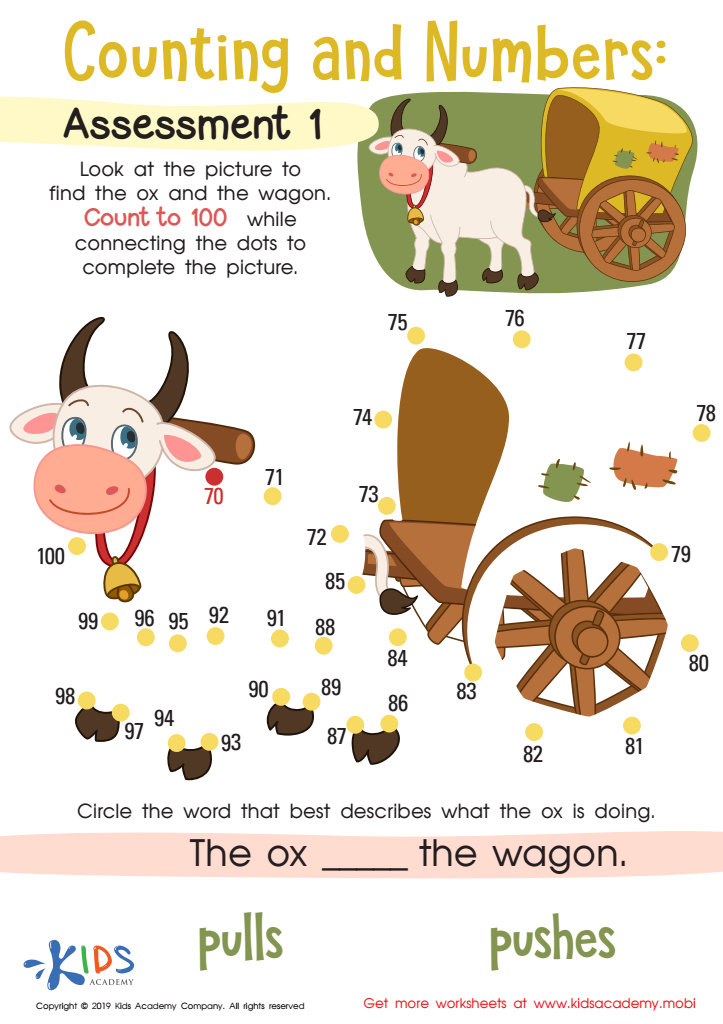
Counting and Numbers: Assessment 1 Worksheet
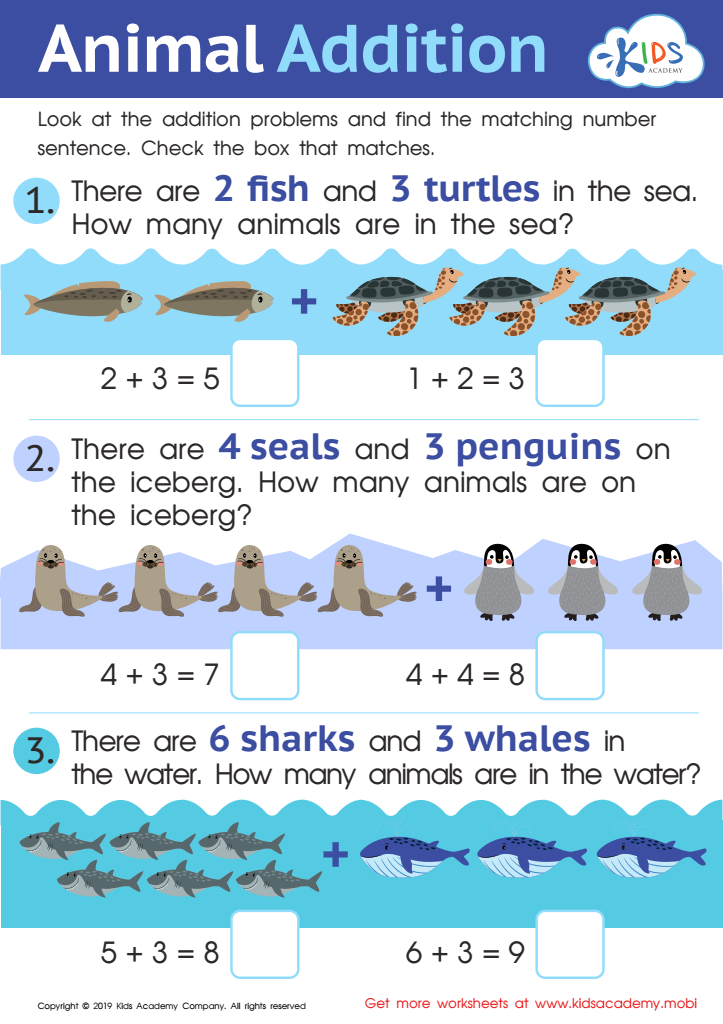
Animal Addition Worksheet
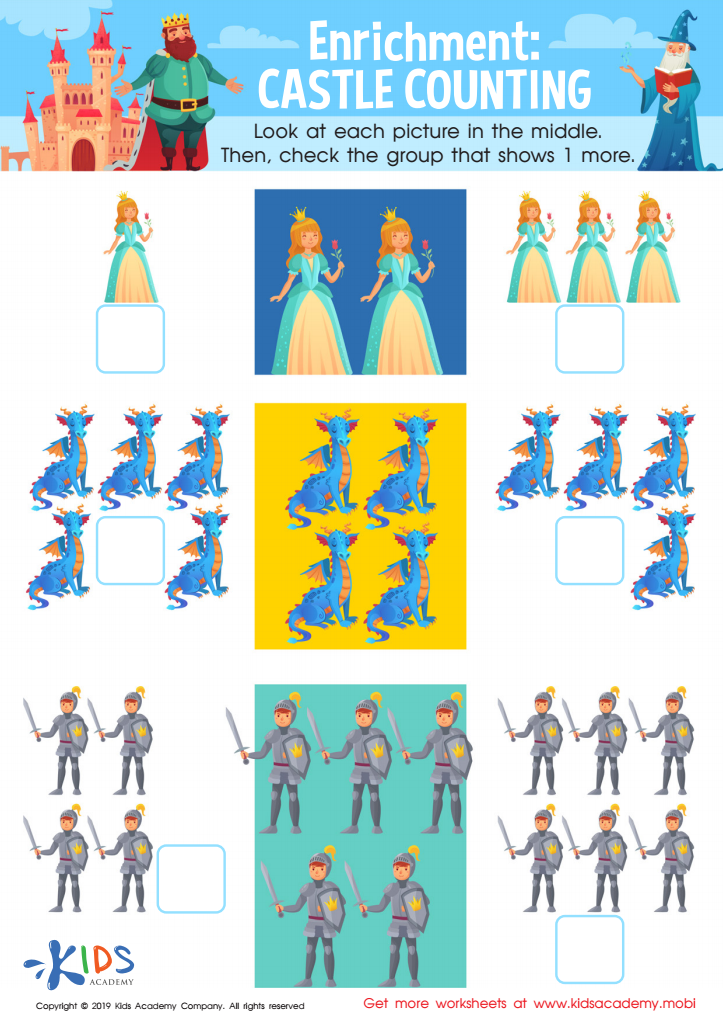
Enrichment: Castle Counting Worksheet
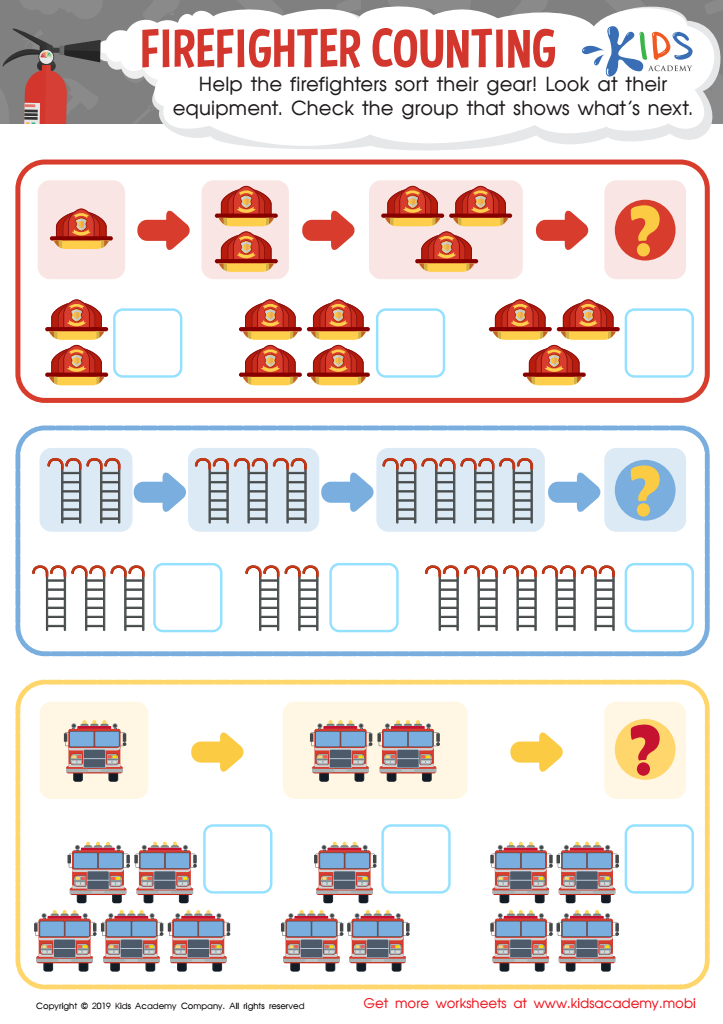
Firefighter Counting Worksheet
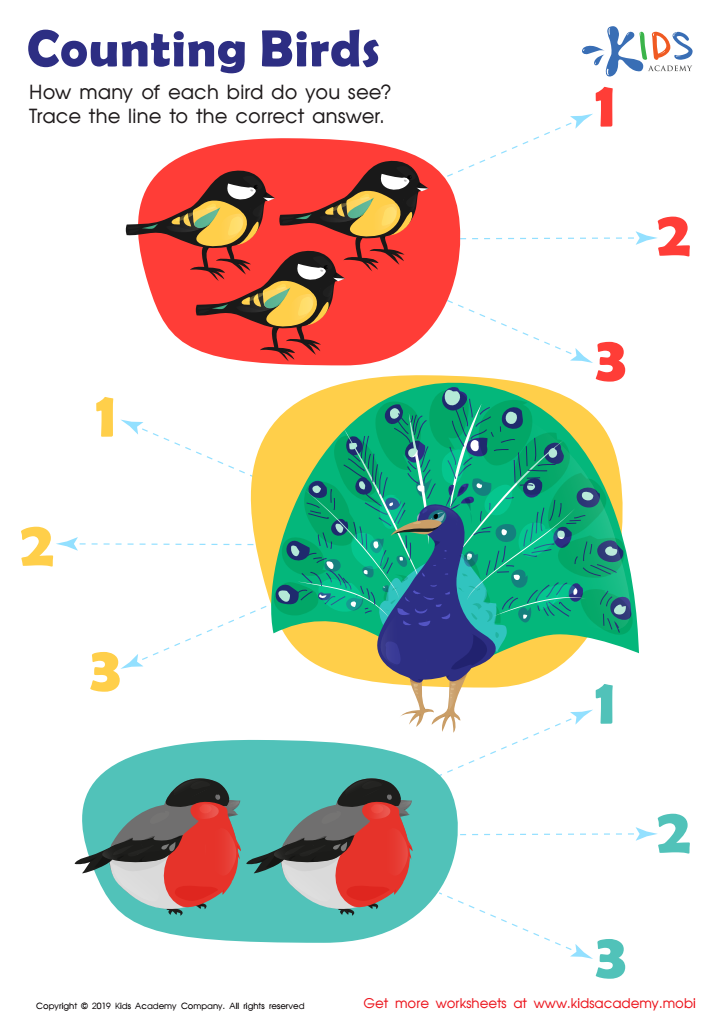
Counting Birds Worksheet








Parents and teachers should care deeply about basic addition for children aged 4-6 because foundational math skills are crucial for a child's academic success and cognitive development. At this tender age, children's brains are incredibly receptive, and early exposure to mathematical concepts can foster a positive attitude towards math. Basic addition introduces them to the fundamental principles of calculation and problem-solving, which are essential in everyday life.
Understanding basic addition lays a groundwork for more advanced math concepts. If children grasp these skills early, they are more likely to find future math lessons easier and more enjoyable. Early competence in math can also boost a child’s confidence in their own abilities, fostering a can-do attitude across other disciplines.
Moreover, math skills at this age are not just about numbers but also about recognizing patterns, developing logical thinking, and improving fine motor skills as they write numbers and use counting aids like fingers or blocks. These skills are equally important for other subjects like reading and science. Additionally, cooperative learning activities, where children solve problems together, contribute to social development by improving communication and teamwork skills. Overall, early competency in addition supports a holistic approach to child development.








