Fine motor skills improvement Easy Worksheets for Ages 4-6
5 filtered results
-
From - To
Boost your child's fine motor skills with engaging and easy worksheets designed specifically for ages 4-6. These expertly crafted activities from Kids Academy help young learners enhance their hand-eye coordination, pencil grip, and dexterity with fun, age-appropriate tasks. Each worksheet features vibrant illustrations and simple instructions to keep your child entertained while they practice crucial skills such as tracing, cutting, and coloring. Ideal for preschool and kindergarten-aged children, these easy worksheets are perfect for parents and educators looking to support early childhood development in a playful and educational way. Discover new ways to make learning exciting!
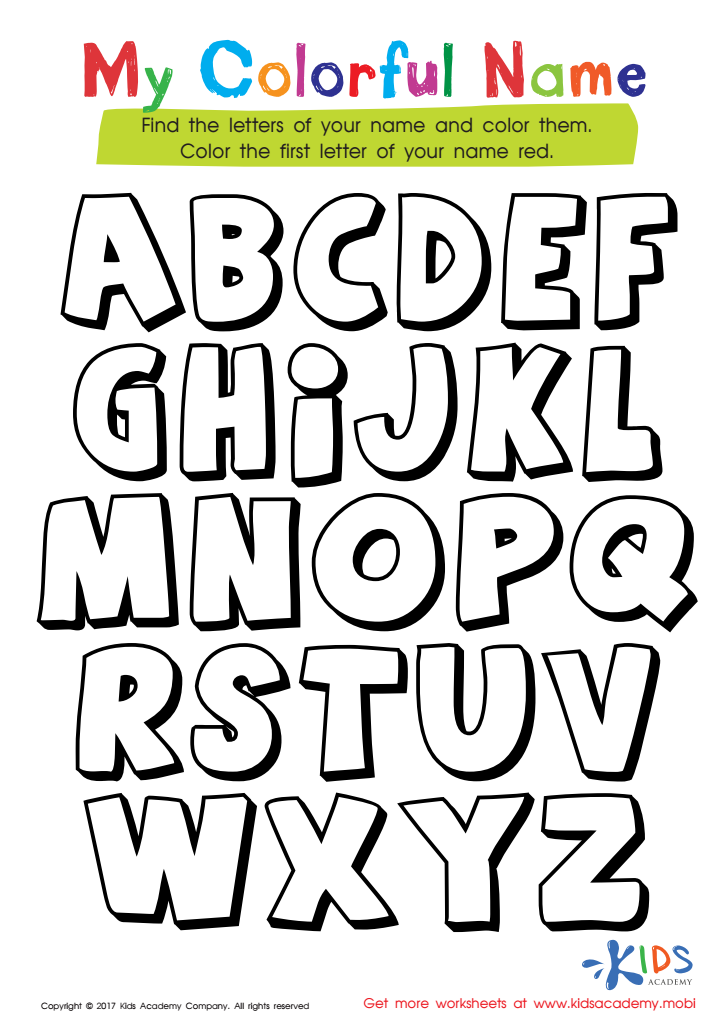
My Colorful Name Worksheet
 Assign to My Students
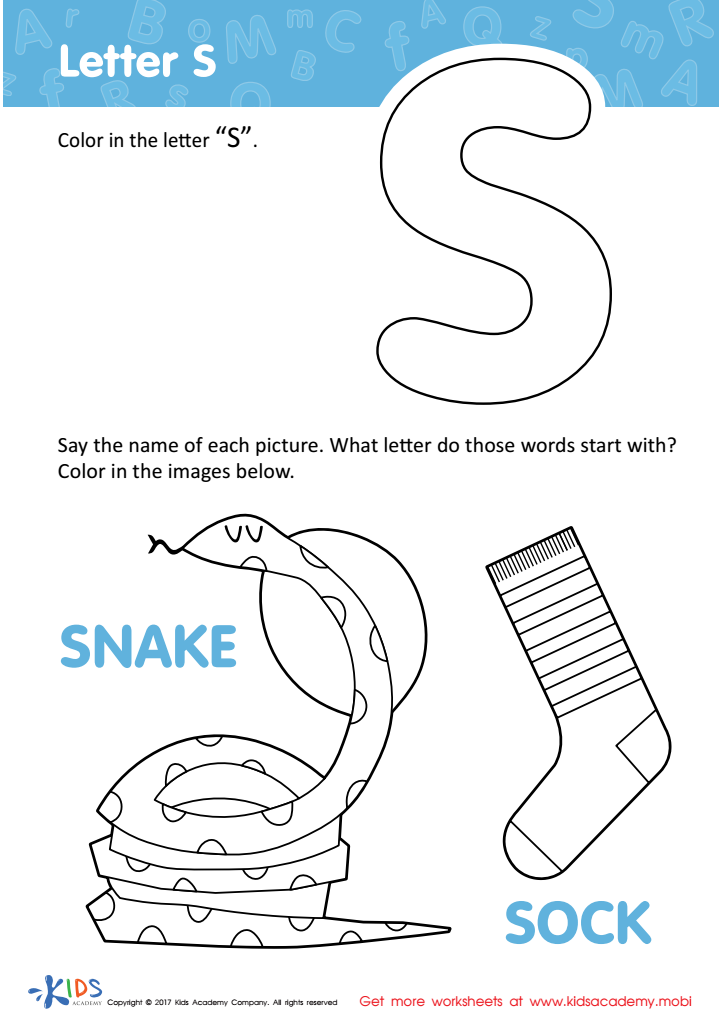
Letter S Coloring Sheet
Assign to My Students
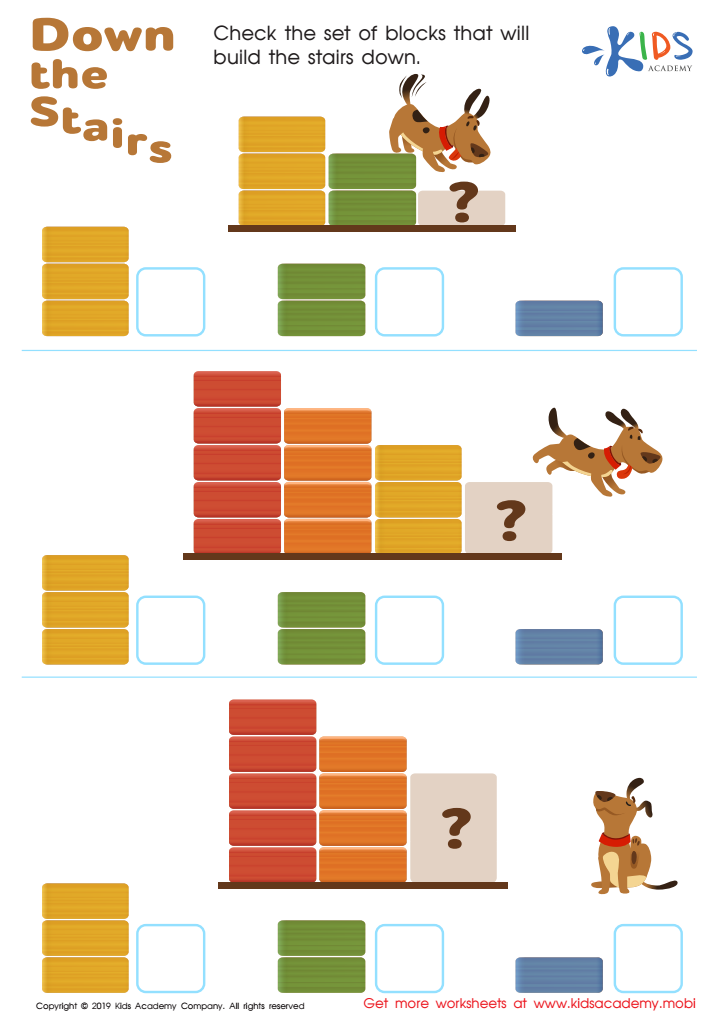
Down the Stairs Worksheet
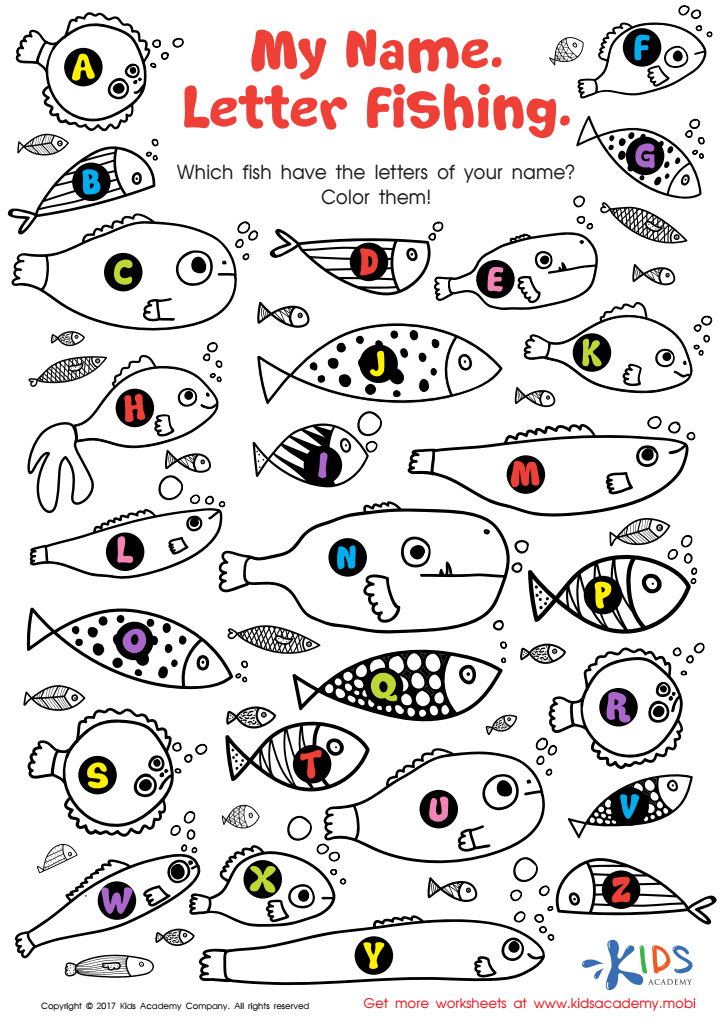
My Name: Letter Fishing Worksheet
Assign to My Students
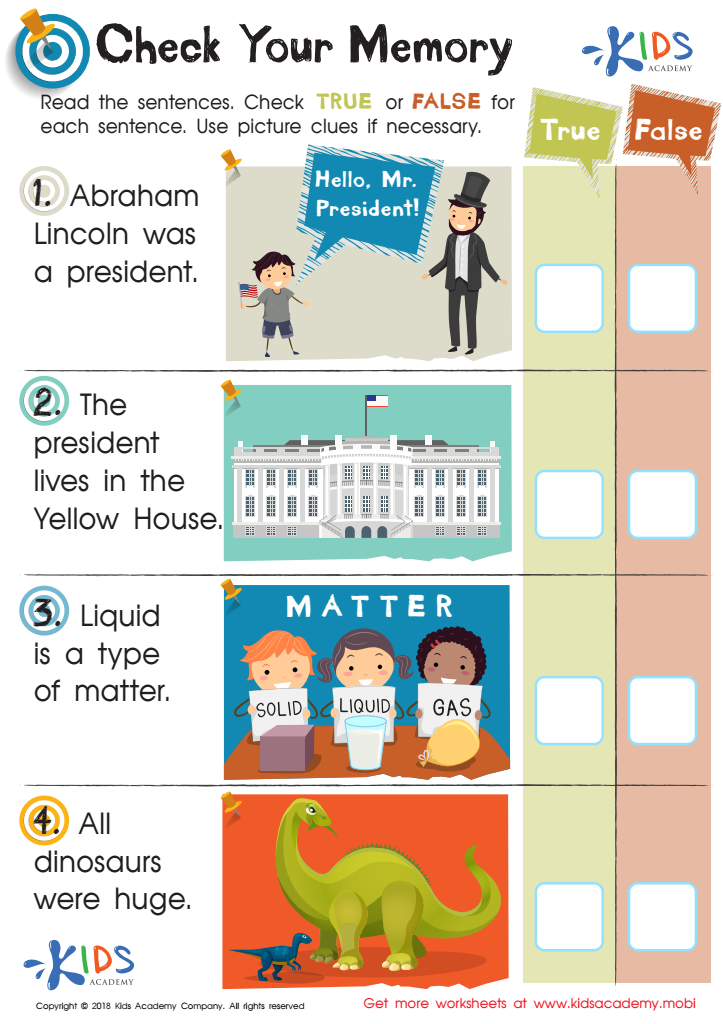
Check Memory Worksheet







Fine motor skills refer to the coordination of small muscles in movements such as picking up objects, writing, or buttoning a shirt. For children aged 4-6, improving these skills is crucial as it directly impacts their daily activities and overall development. First, fine motor skills are foundational for academic success. Skills like holding a pencil, using scissors, and manipulating small objects are essential for classroom activities. Without well-developed fine motor abilities, children may struggle with writing, which can affect their academic performance.
Second, fine motor skills promote independence. Tasks such as dressing, feeding, and personal hygiene, which are essential for self-care, require these skills. Empowering children with the ability to perform these tasks independently fosters a sense of achievement and builds self-esteem.
Third, fine motor skill improvement is linked to cognitive development. Activities that involve fine motor skills often require focus, problem-solving, and hand-eye coordination, all of which stimulate cognitive growth.
Parents and teachers play a pivotal role in nurturing these skills through play-based learning, arts and crafts, and other hands-on activities. By focusing on fine motor skill development, adults can support the child's holistic growth, making the transition to structured education smoother and more enjoyable.








