Fine Motor Skills Easy 2D Shapes Worksheets for Ages 4-6
4 filtered results
-
From - To
Unlock your child's creativity and develop fine motor skills with our engaging 2D Shapes Worksheets designed specifically for ages 4-6. These worksheets provide a fun and interactive way for young learners to explore basic geometric shapes through tracing, coloring, and various hands-on activities. By mastering these essential skills, children enhance their hand-eye coordination, dexterity, and attention to detail. Ideal for teachers and parents alike, our easy-to-use worksheets make learning shapes enjoyable and accessible. Help your little ones gain confidence in their fine motor abilities while building a strong foundation in early math concepts. Download and start the learning adventure today!
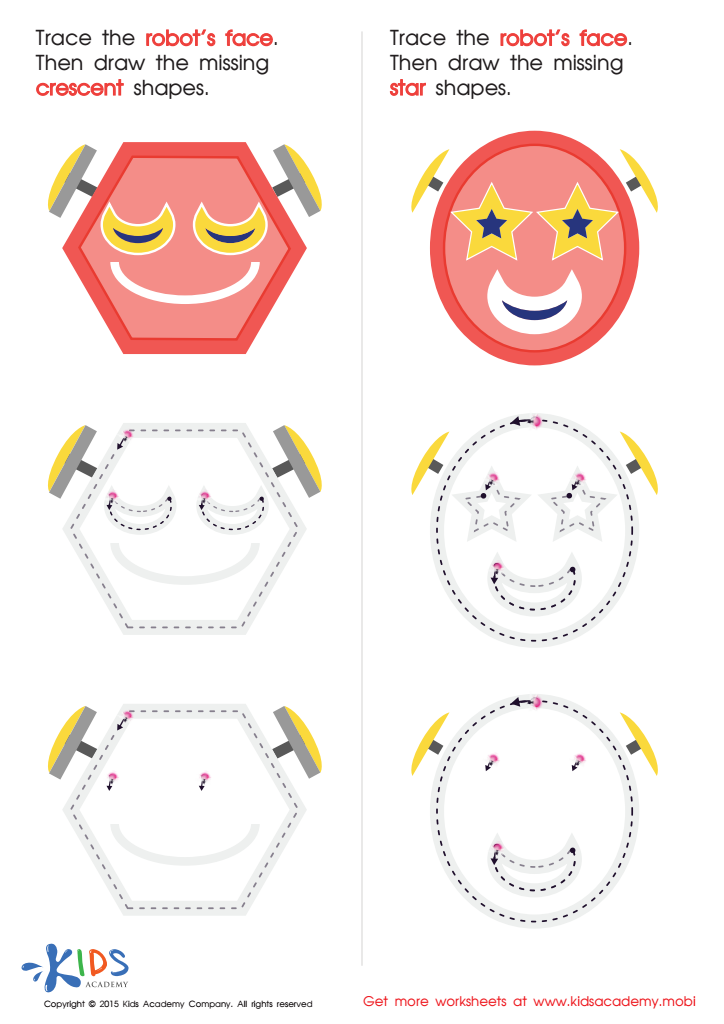
Composing a Robot's Face of Crescents And Stars Worksheet
 Assign to My Students





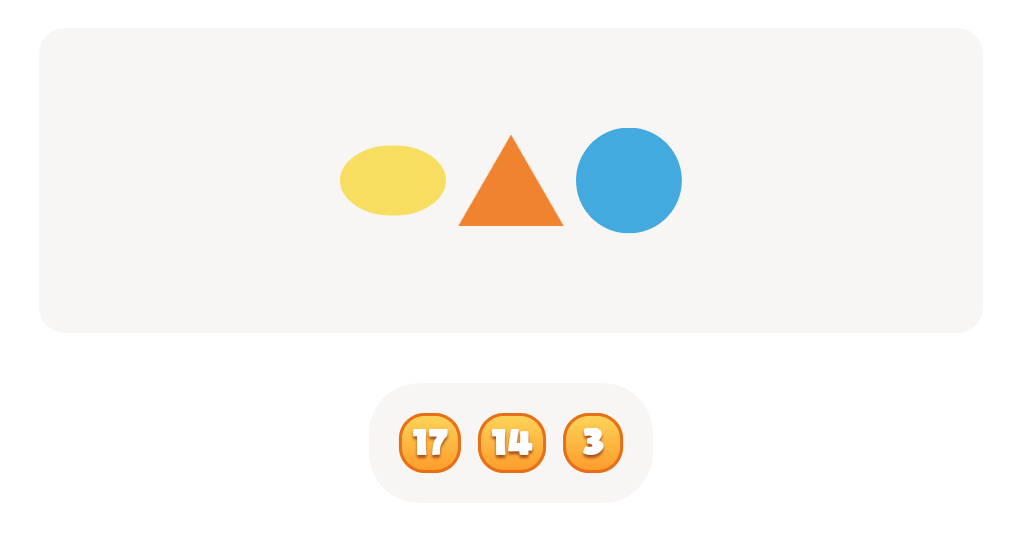





Bicycle Shapes Worksheet
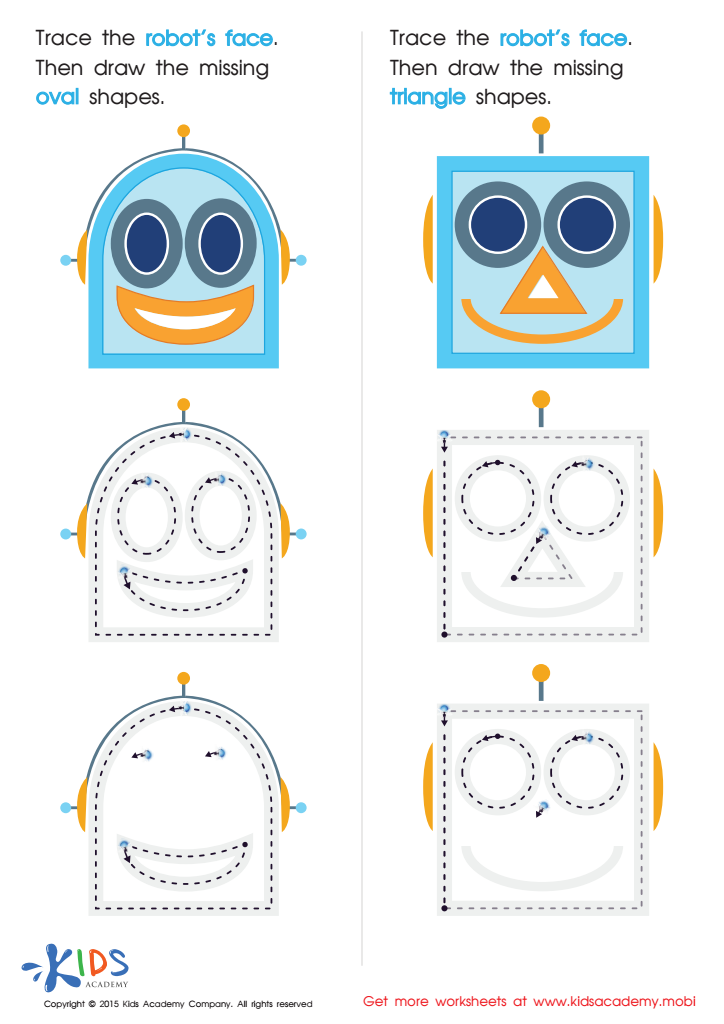
Drawing Ovals And Triangles with Fun Printable
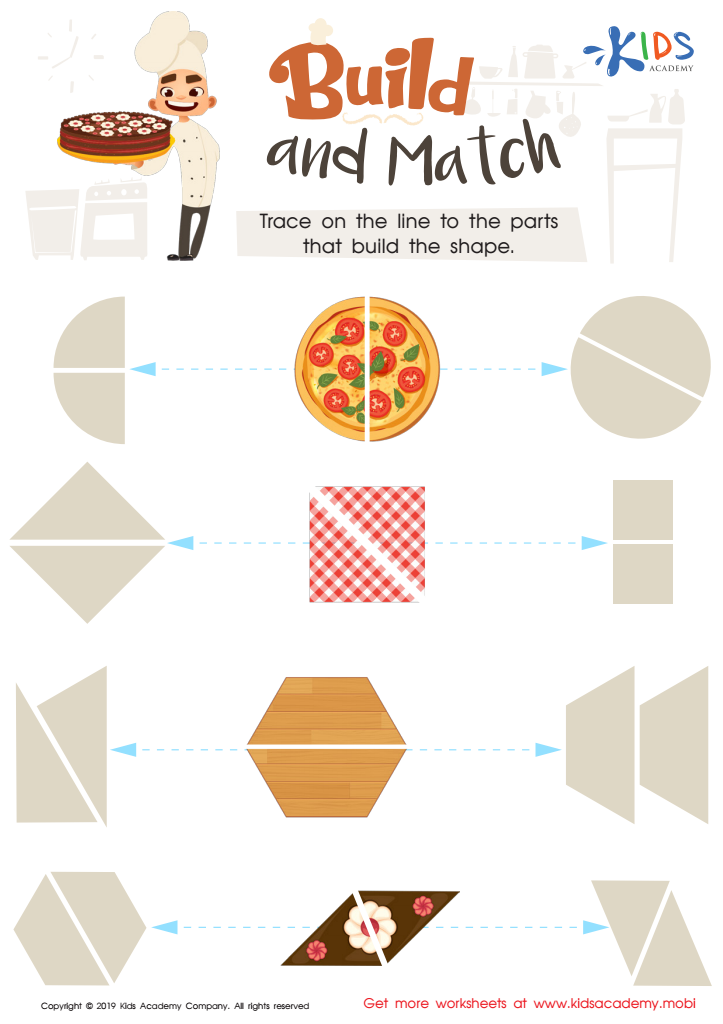
Build and Match Worksheet








Fine motor skills are crucial for children aged 4-6 as they lay the foundation for numerous daily tasks and academic success. Engaging with Easy 2D Shapes fosters these skills in several meaningful ways.
First, manipulating shapes requires precise hand-eye coordination and grip control, essential components of fine motor development. Activities like tracing, coloring, or assembling shapes help children strengthen their hand muscles and improve dexterity, which is vital for tasks like writing and self-care.
Second, understanding 2D shapes is foundational in mathematic reasoning. Recognizing and categorizing shapes helps children develop critical thinking and problem-solving skills, preparing them for more complex concepts in the future. Incorporating fun activities that involve shapes, like building or sorting games, encourages active learning and participation.
Lastly, working with shapes supports other developmental areas, such as spatial awareness and creativity. As children explore and create with shapes, they not only enjoy the process but also enhance their spatial reasoning—an essential skill for STEM fields.
In conclusion, parents and teachers should prioritize the development of fine motor skills through 2D shape activities, as they enrich children’s overall cognitive, physical, and emotional growth, setting a solid trajectory for lifelong learning.