Unlock your child's imagination with our "Critical Thinking Easy Reading Fiction Worksheets" designed for ages 4-6. These engaging worksheets blend fun and learning, helping young learners develop essential critical thinking skills through captivating stories. With activities that encourage comprehension, prediction, and inference, children will enhance their ability to analyze texts while boosting their reading proficiency. Ideal for educators and parents alike, these worksheets offer a perfect balance of creativity and systematic learning, making reading an enjoyable adventure. Equip your children with the tools to think critically while they explore the world of fiction—an essential foundation for lifelong enrichment!

Check out this FREE Trial Lesson on Reading Fiction for age 4-6!

Identify Settings in a Story

Favorites
With answer key
Interactive
  • 4-6
  • Critical Thinking
  • Reading Fiction
  • Easy
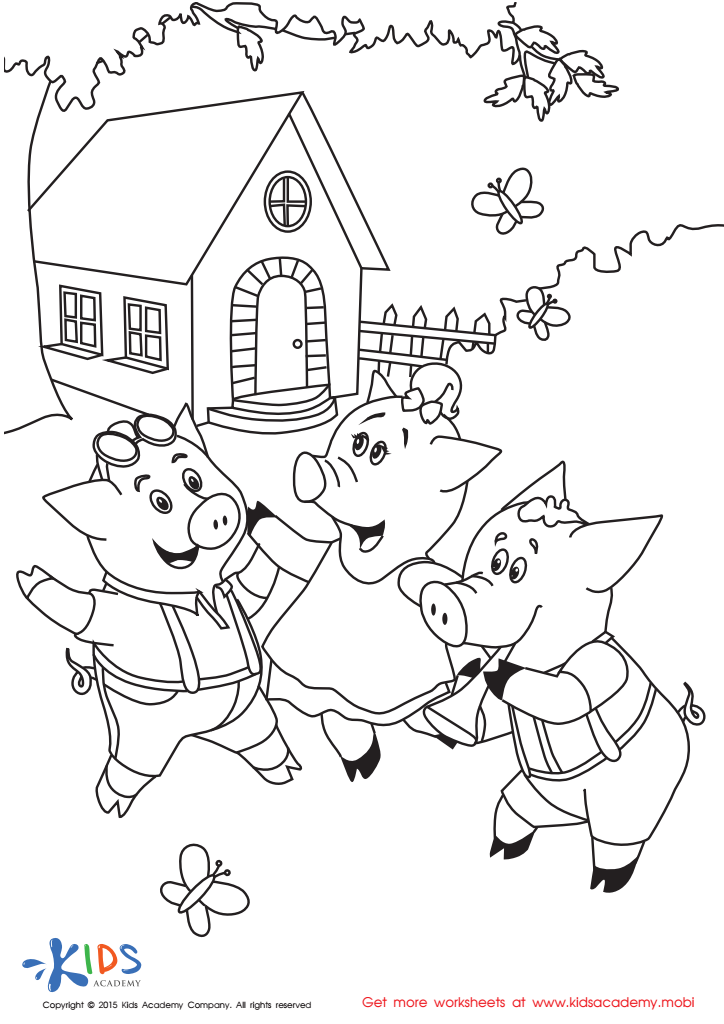
Folktales Printable PDF Worksheets: The 3 Little Pigs

Folktales Printable PDF Worksheet: The 3 Little Pigs

Then, help your child to color the scene with pink piglets, blue sky and green grass. Make the brick house bright and vivid. Enjoy!
Download (PDF)
Assign to My Students
Folktales Printable PDF Worksheet: The 3 Little Pigs
Worksheet
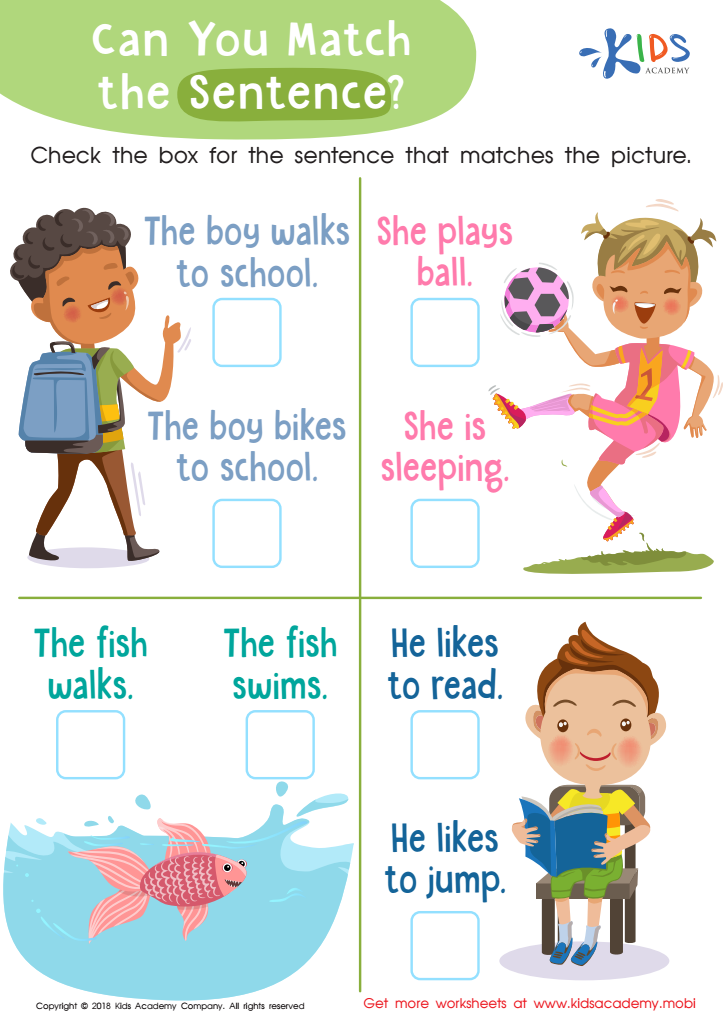
Can You Match the Sentence? Worksheet

Can You Match the Sentence? Worksheet

Kids gain fluency with this worksheet which uses bright pictures. They select the sentence that matches the image and check the box. This repetition of words and phrases helps them improve their reading skills while having fun.
Can You Match the Sentence? Worksheet
Worksheet
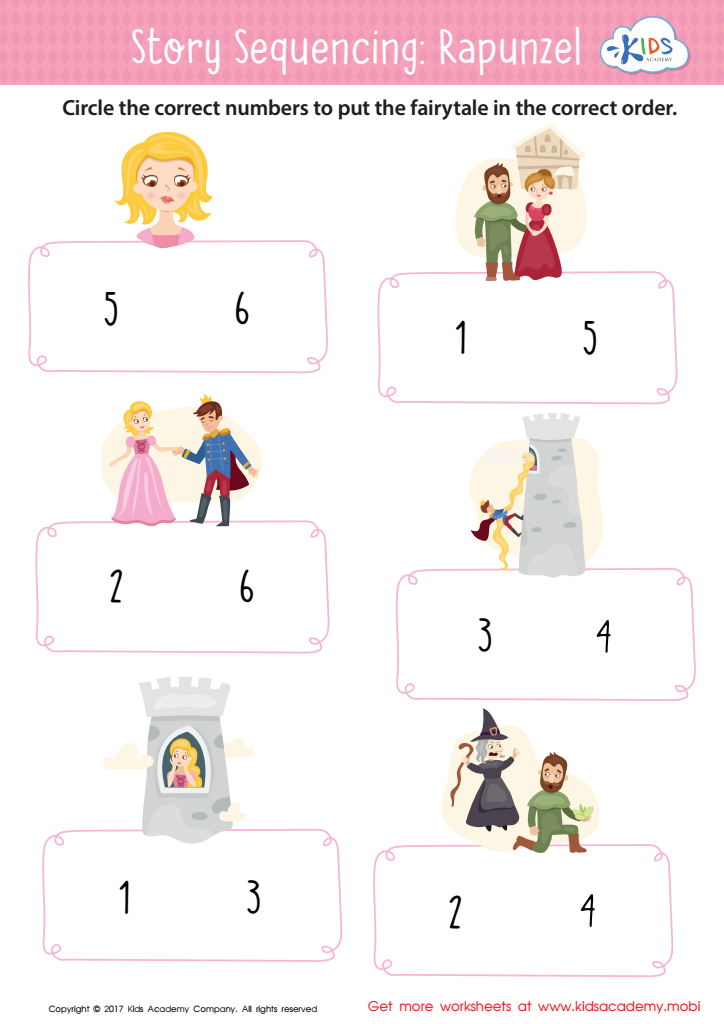
Rapunzel story sequencing worksheet

Rapunzel Story Sequencing Worksheet
Enhance your child's reading comprehension and help them sequence story events with this Rapunzel worksheet – it's thrilling and educational! Max 80 words. Help your child develop their reading comprehension with this exciting Rapunzel story sequencing worksheet! Kids view pictures from the classic fairytale and number them in the right order, reinforcing their understanding of story events. Educational and entertaining!
Rapunzel Story Sequencing Worksheet
Worksheet
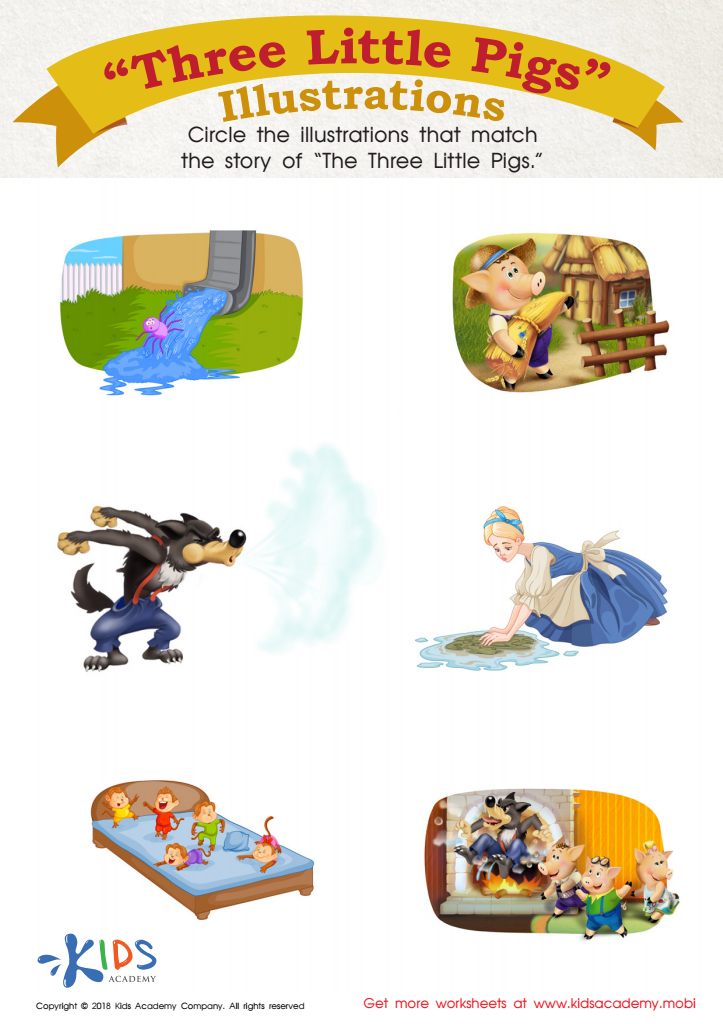
Three Little Pigs: Illustrations Worksheet

Three Little Pigs: Illustrations Worksheet

Fairy Tales are a great way for young children to learn about settings, characters and other fiction elements. This worksheet has illustrations from The Three Little Pigs, and lets your student use what they know and the visuals to match the story. It's a fun way for them to practice story recall and comprehension with illustrations.
Three Little Pigs: Illustrations Worksheet
Worksheet
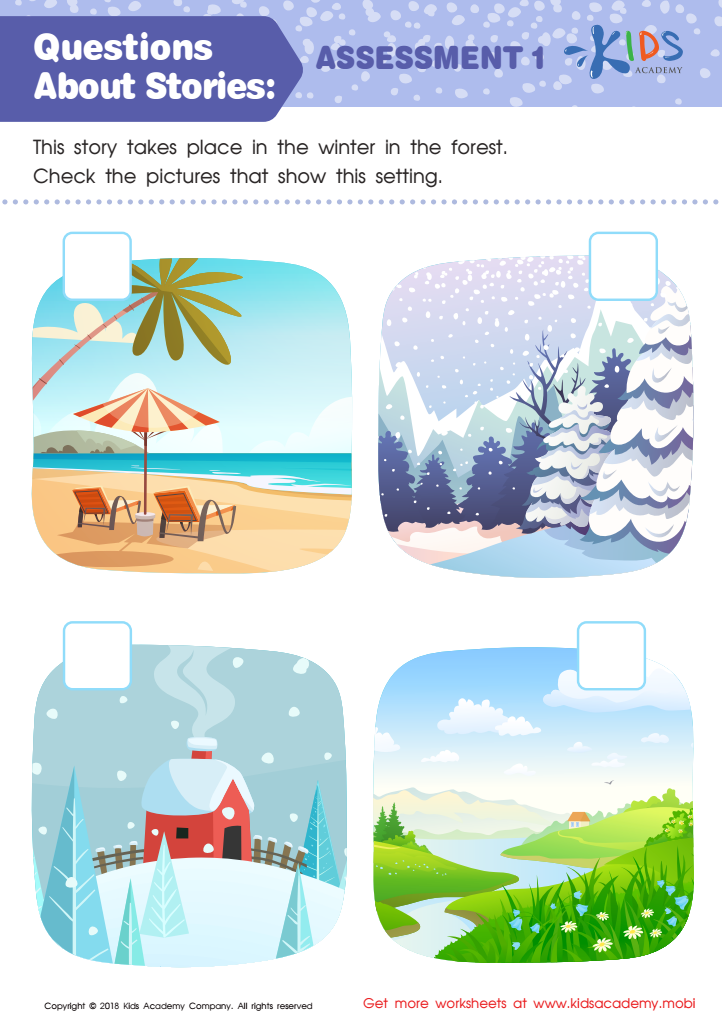
Questions About Stories: Assessment 1 Worksheet

Questions About Stories: Assessment 1 Worksheet

Winter brings snow, cold, short days, and darkness. Schools can even close due to heavy snow. Ask your child what their favourite winter activities are and what color they associate with 'winter'. This worksheet takes place in a winter forest. Look at the 4 pictures with your child, and help them identify which one shows the correct setting.
Questions About Stories: Assessment 1 Worksheet
Worksheet
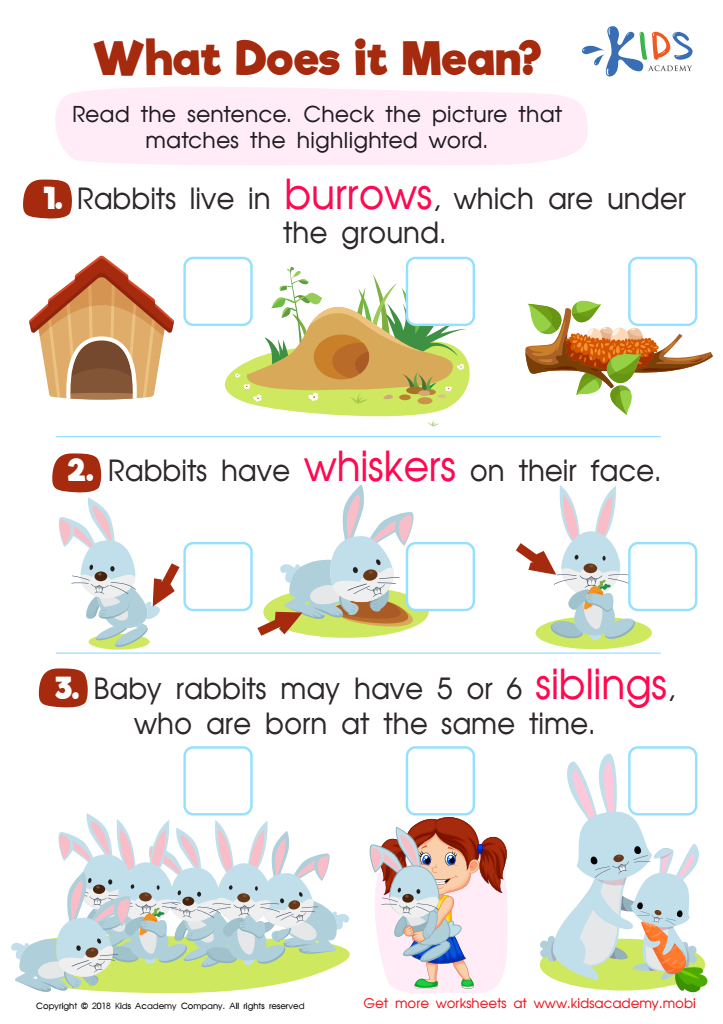
What Does It Mean? Worksheet


What Does It Mean? Worksheet

Teach your child to use context clues with this engaging Kids Academy worksheet. Read the sentences and find the pink-highlighted word. Use the other words in the sentence to figure out the meaning, then check the box next to the picture that represents it.
What Does It Mean? Worksheet
Worksheet


Parents and teachers should prioritize Critical Thinking Easy Reading Fiction for ages 4-6 because it lays the foundation for essential cognitive skills. At this early stage of development, children are naturally curious, and engaging them with fiction that promotes critical thinking can enhance their problem-solving abilities, creativity, and comprehension.

Such literature encourages young readers to ask questions, predict outcomes, and make connections to their own experiences. This process sharpens their reasoning skills, making them more adept at analyzing situations and understanding different perspectives. Moreover, critical thinking fosters a love of reading and instills a lifelong habit of inquiry, empowering children to become independent learners.

Easy-to-read fiction also contributes to language development. It introduces new vocabulary in context, helping children grasp meanings and engage with stories on a deeper level. This helps improve their communication skills, which are vital for social interactions and future academic success.

Furthermore, by nurturing critical thinking through engaging stories, we help children develop emotional intelligence, teaching them to navigate their feelings and empathize with others. Ultimately, this holistic development prepares young learners not only for academic challenges but also for real-world scenarios, pivotal for their overall growth.