Following instructions Easy Worksheets for Ages 4-7
19 filtered results
-
From - To
Discover our "Following Instructions Easy Worksheets" designed for children ages 4-7, perfect for enhancing listening and comprehension skills! Our engaging activities teach young learners how to follow simple directions through fun, colorful exercises. Each worksheet promotes critical thinking and helps develop important skills like sequence recognition and problem-solving. These worksheets, suitable for home or classroom use, can keep kids entertained while they gain confidence in their ability to follow instructions. Ideal for early grade teachers and parents alike, our resources make learning enjoyable and interactive. Start your child’s educational journey today and watch their skills flourish!
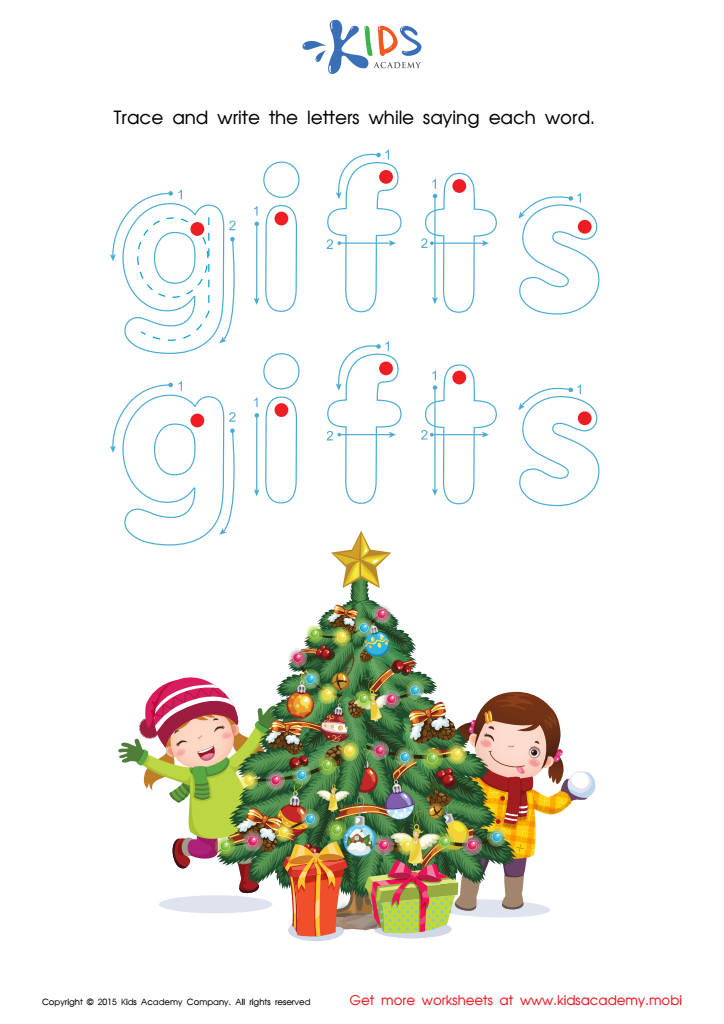
Christmas Tree Tracing Winter Words Worksheet
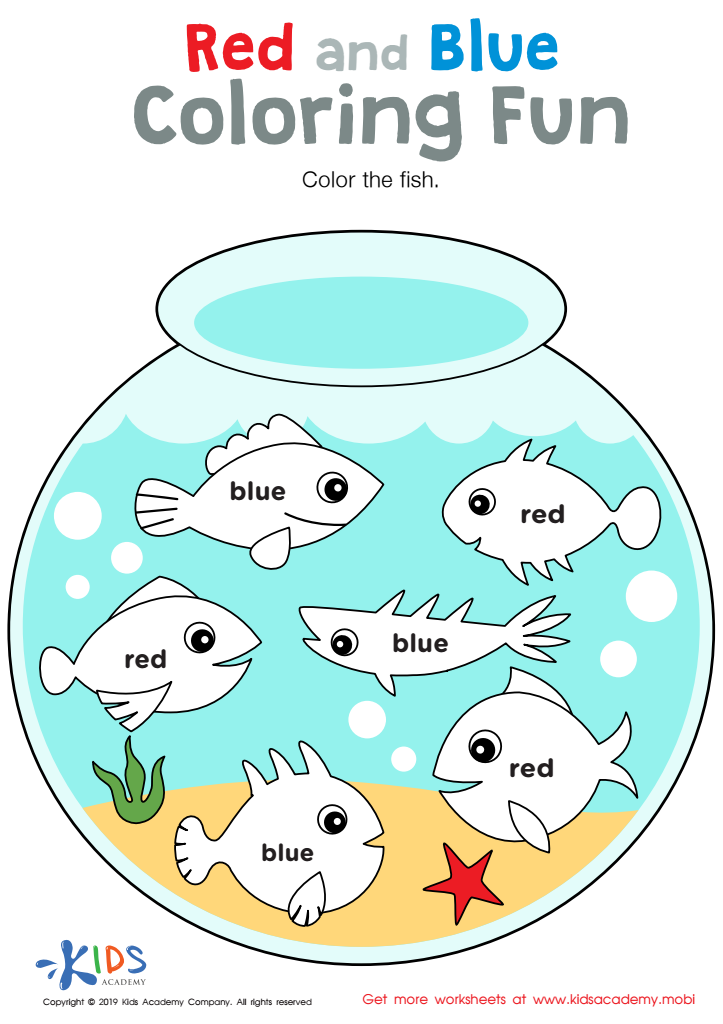
Red and Blue Coloring Fun Worksheet
 Assign to My Students

Happy Diwali Printable
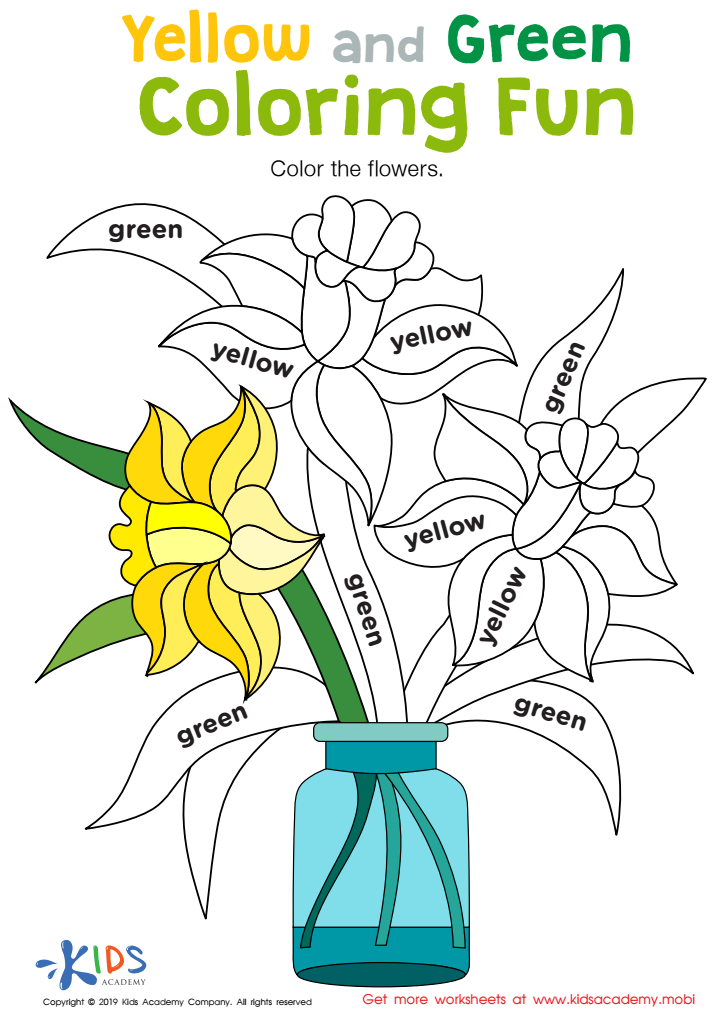
Yellow and Green Coloring Fun Worksheet
Assign to My Students
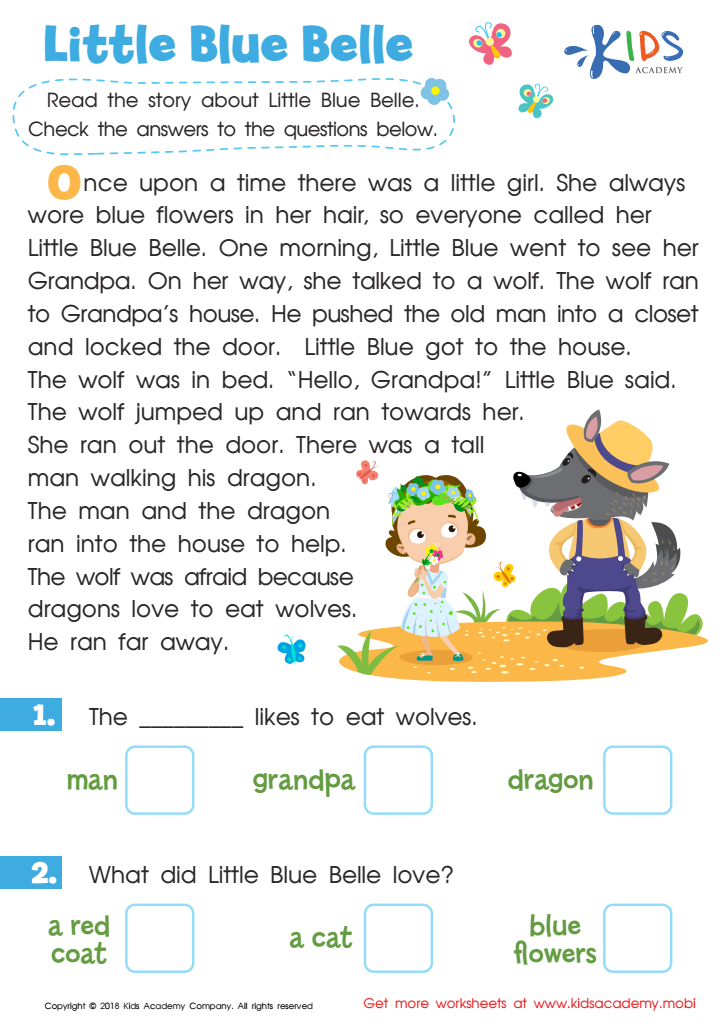
Little Blue Belle Worksheet
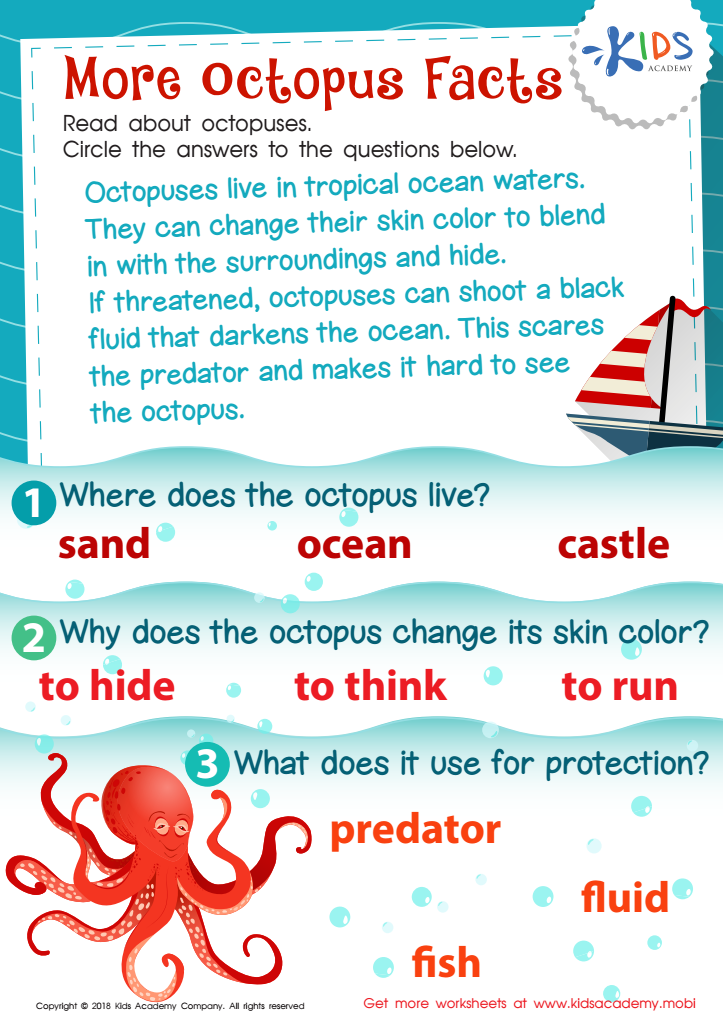
More Octopus Facts Worksheet
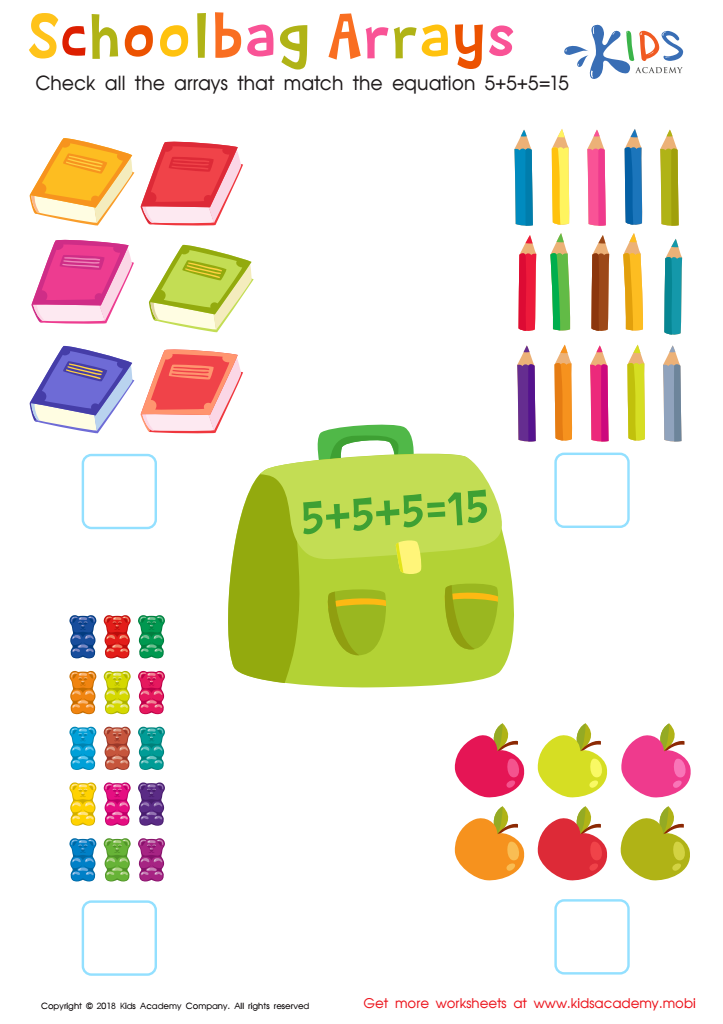
Schoolbag Arrays Worksheet
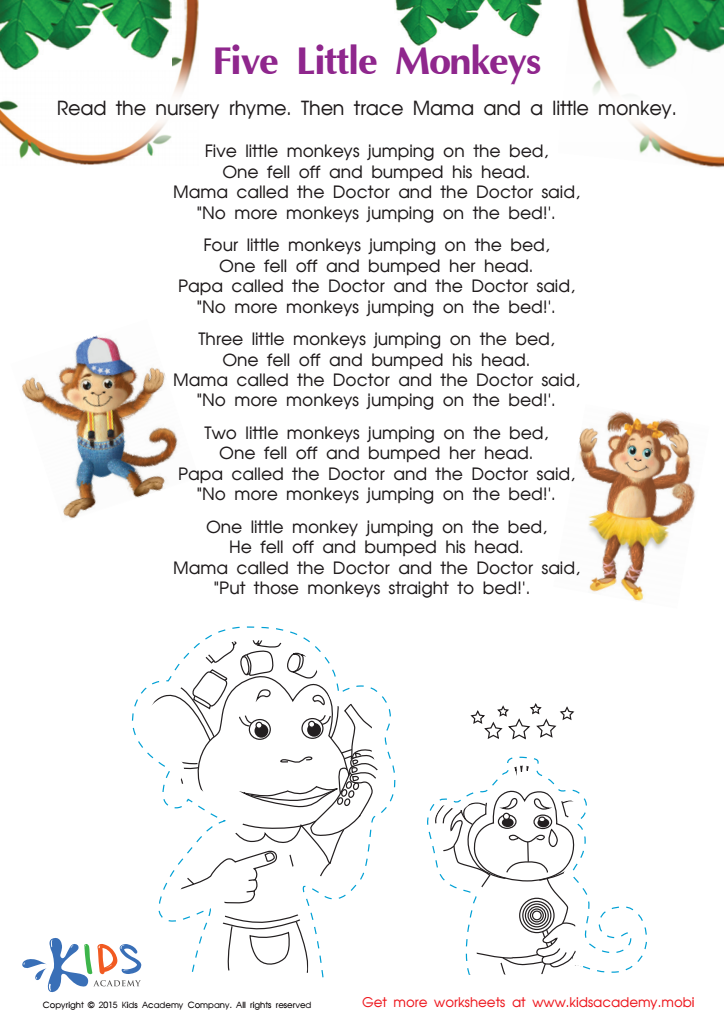
The Five Little Monkeys Nursery Rhyme Worksheet
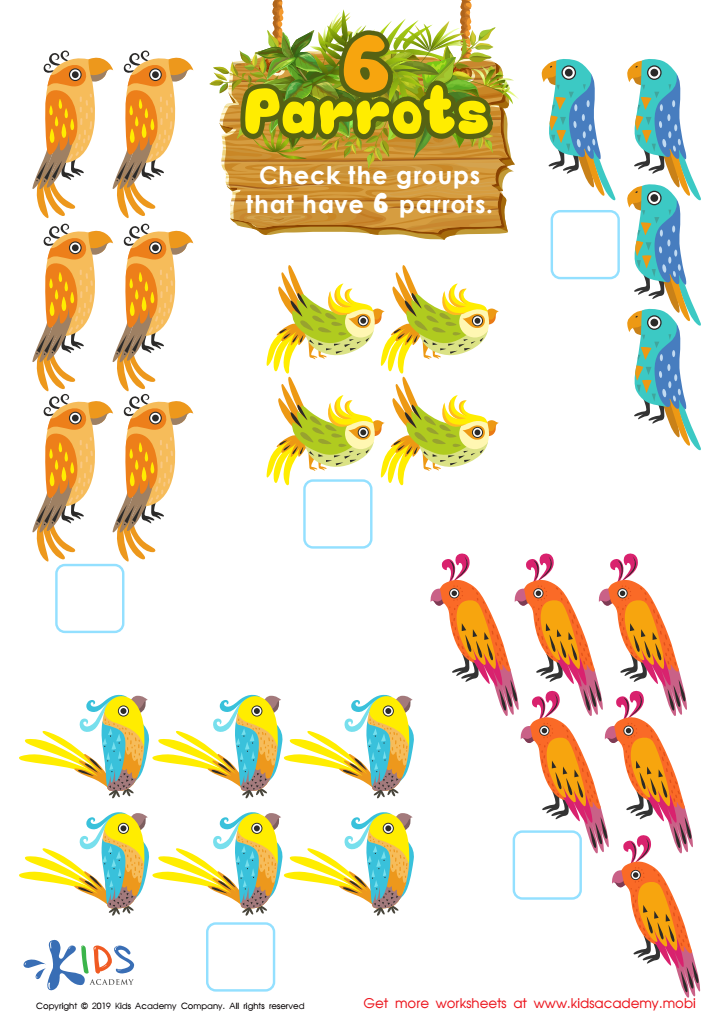
6 Parrots Worksheet
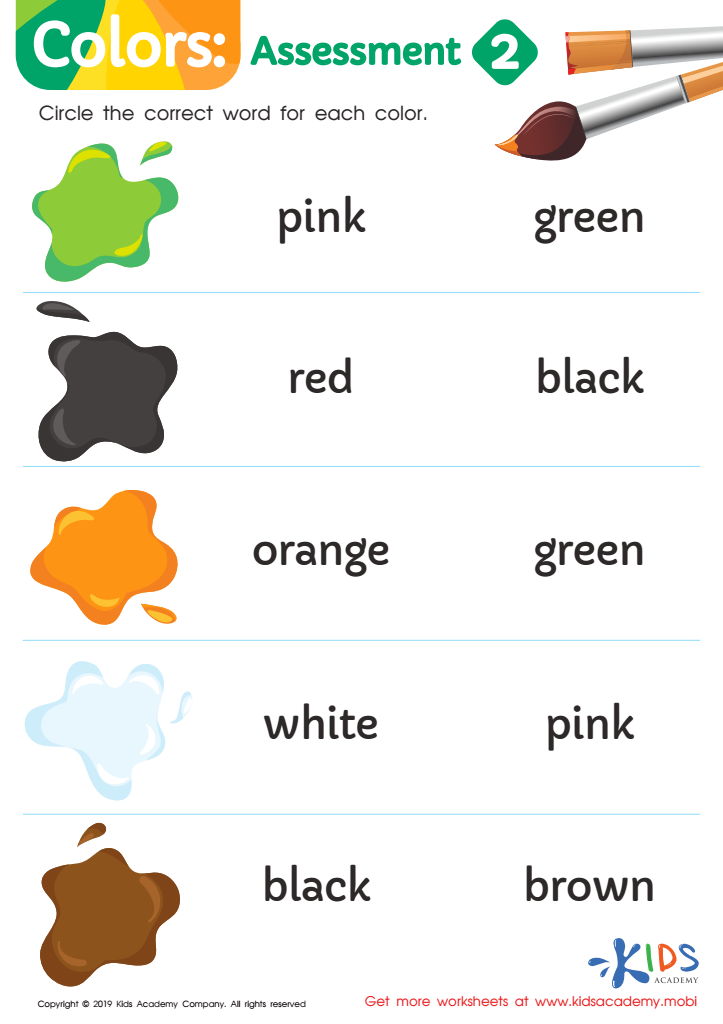
Colors: Assessment 2 Worksheet
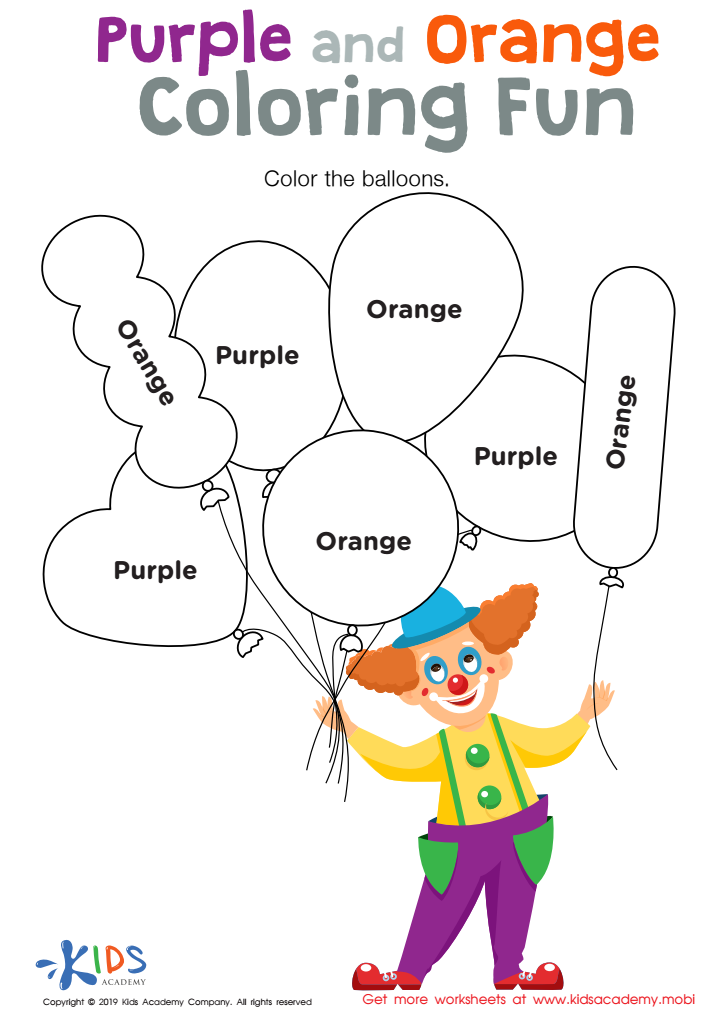
Purple and Orange Coloring Fun Worksheet
Assign to My Students
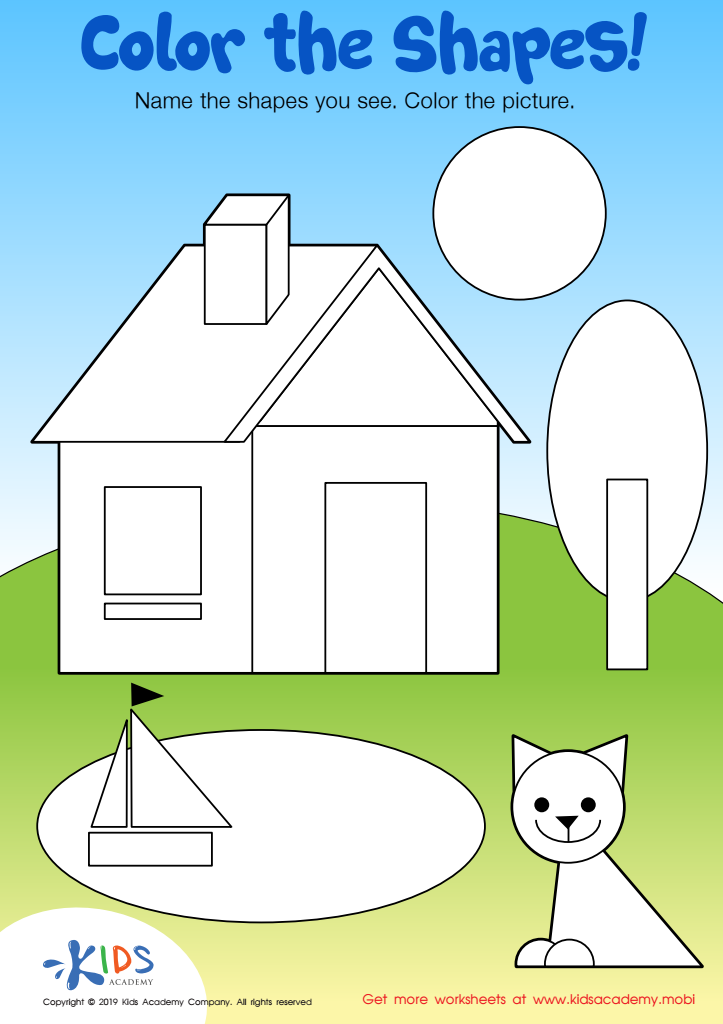
Color the Shapes Worksheet
Assign to My Students
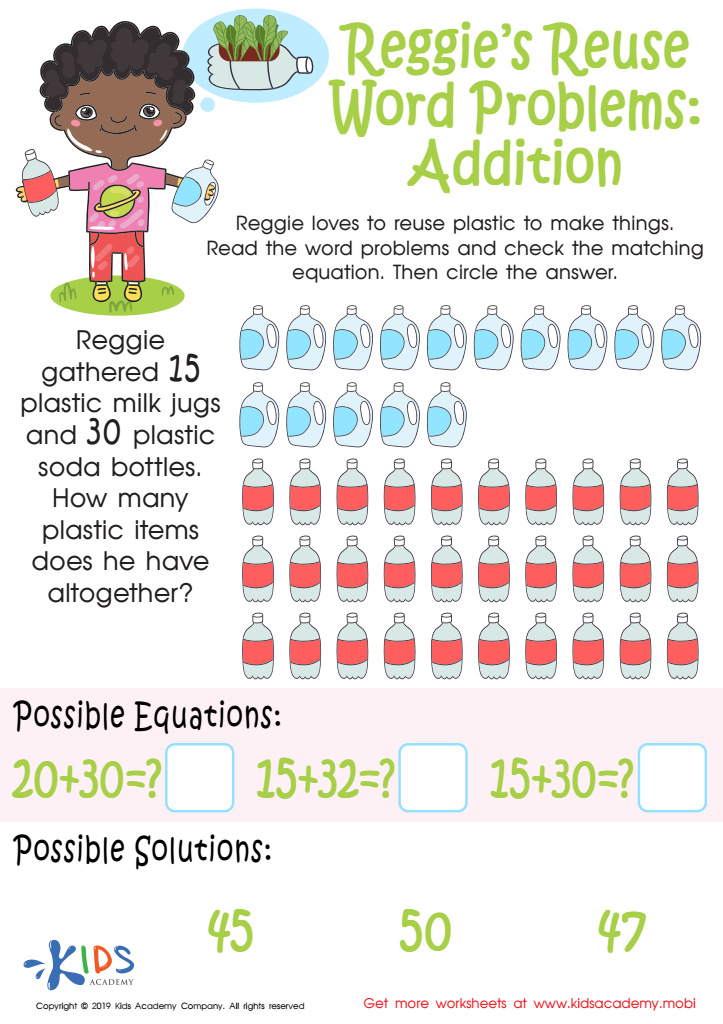
Reggie's Reuse Word Problems: Addition Worksheet
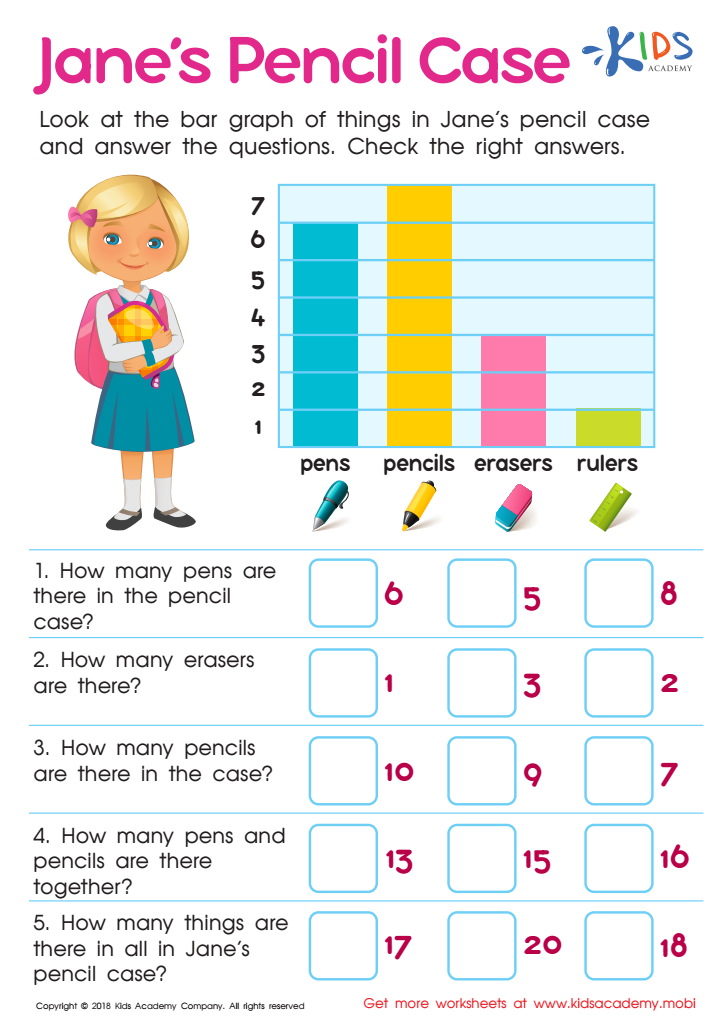
Jane's Pencil Case Worksheet
Let's Pick Fruit Worksheet
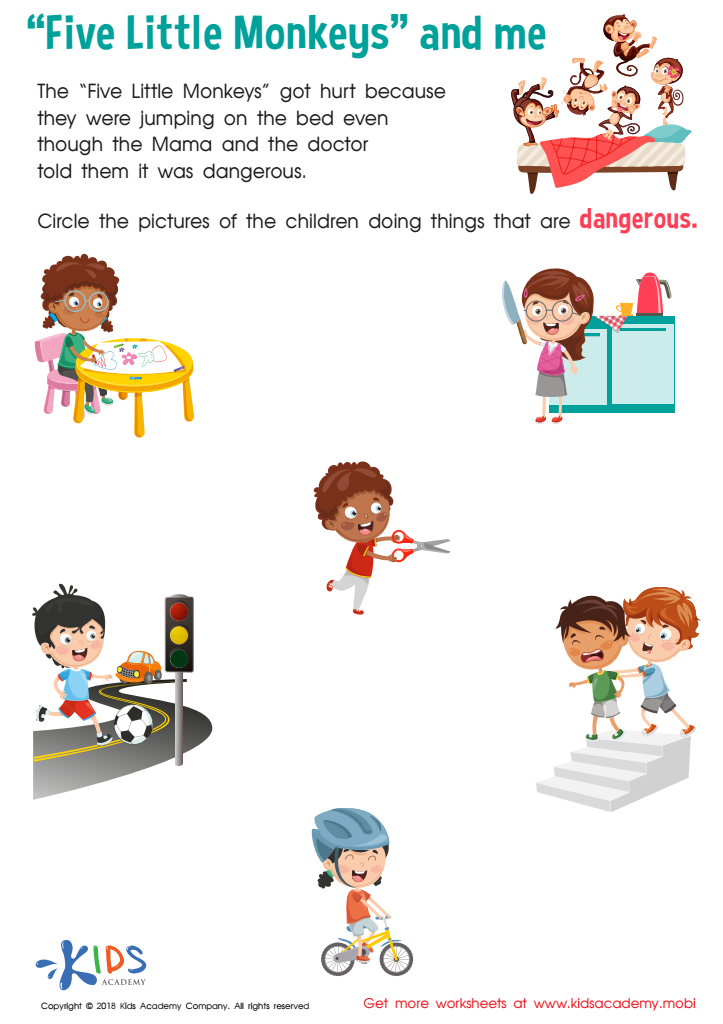
Five Little Monkeys and Me Worksheet
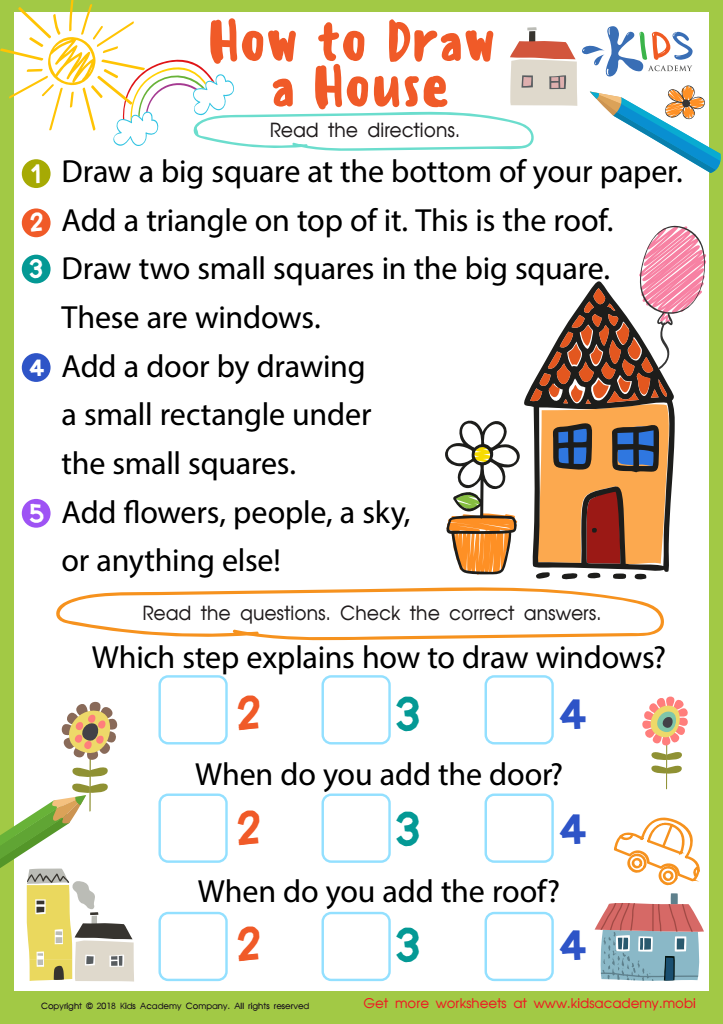
How to Draw House Worksheet
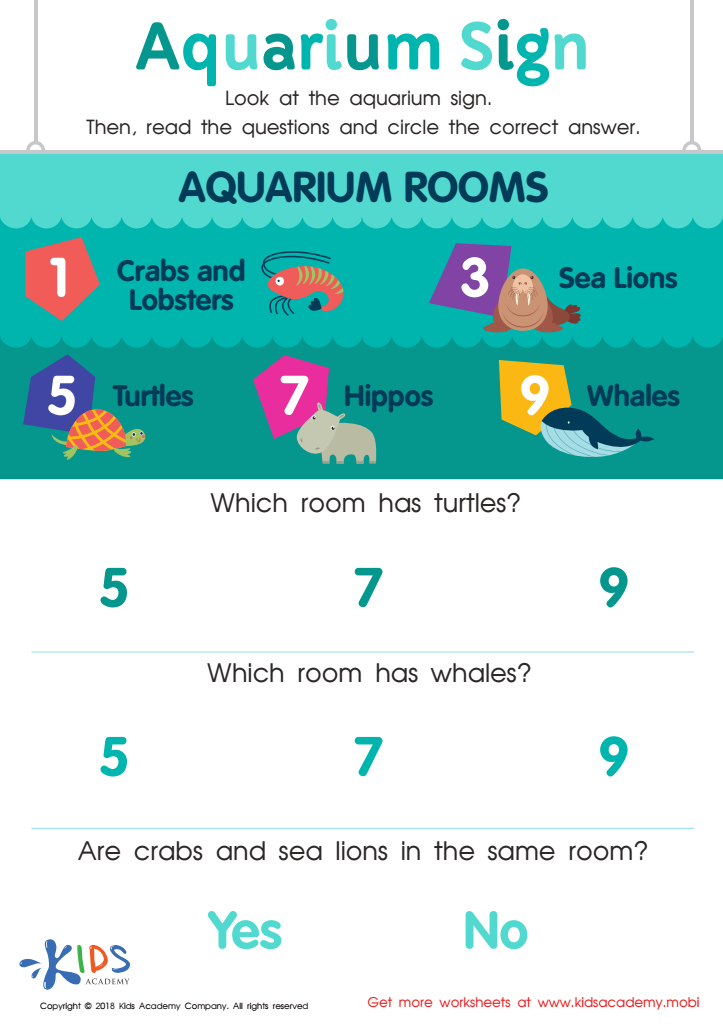
Assessment: Aquarium Sign Worksheet








Teaching young children to follow instructions is essential for several reasons. At ages 4-7, children are developing critical cognitive and social skills that will serve them throughout their lives. When they learn to follow instructions, they enhance their listening skills, which are fundamental for effective communication. This ability promotes more successful interactions with peers, teachers, and family members.
Moreover, following instructions helps children develop their problem-solving skills. When children encounter a task that requires them to process and adhere to specific directions, they practice breaking down challenges into manageable steps. This not only boosts their confidence but also fosters independence.
Instructions often provide a structured framework for various learning activities, helping children understand expectations. This structure promotes self-discipline, as they learn to follow routines and guidelines, making them more prepared for formal schooling.
Additionally, following instructions can enhance story comprehension and task execution in playful learning settings, where young children often explore through guided play. Teachers and parents who emphasize the importance of following directions create a productive and harmonious environment, ultimately facilitating better learning outcomes and more rewarding social interactions for children.








