Hand-eye Coordination Easy Worksheets for Ages 4-7 - Page 2
27 filtered results
-
From - To
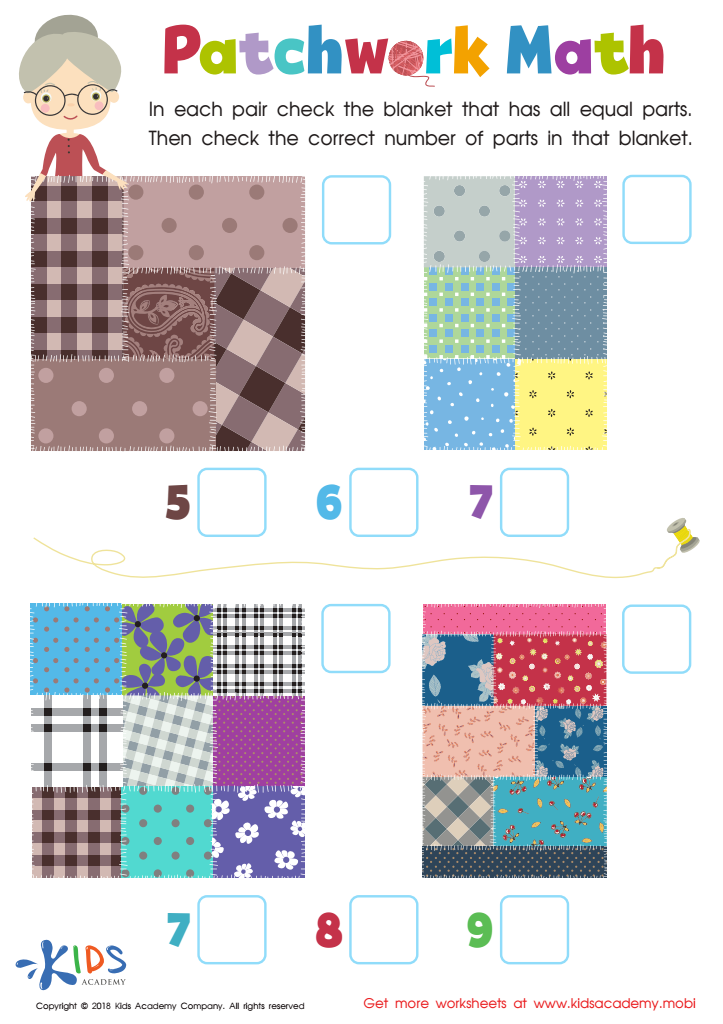
Patchwork Math Worksheet
 Assign to My Students
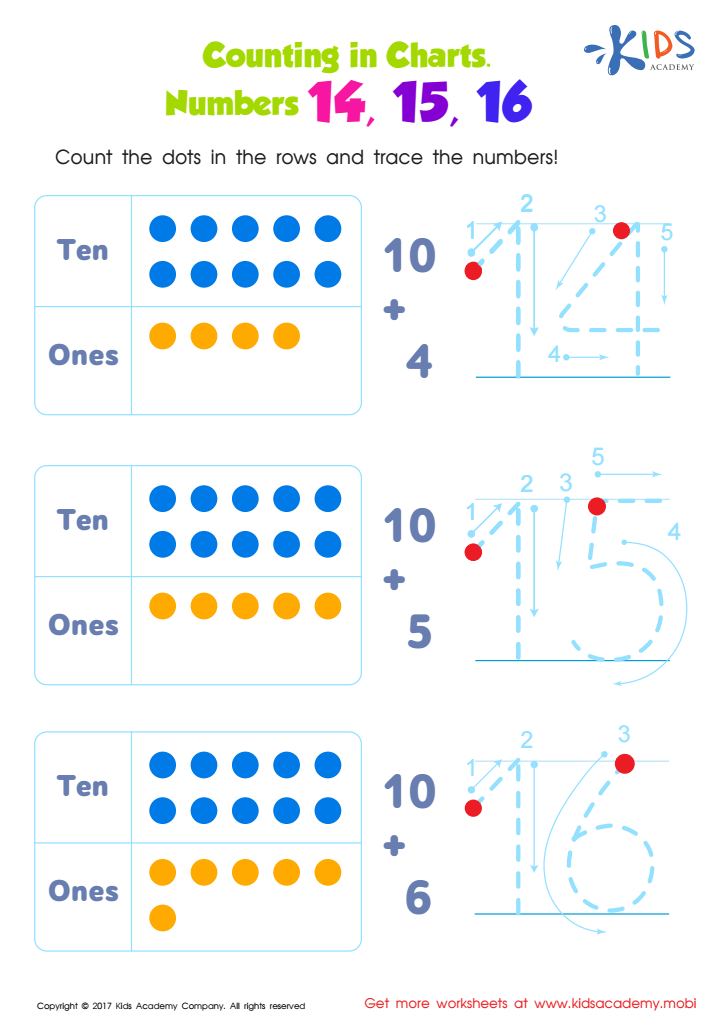
Number Tracing Worksheet
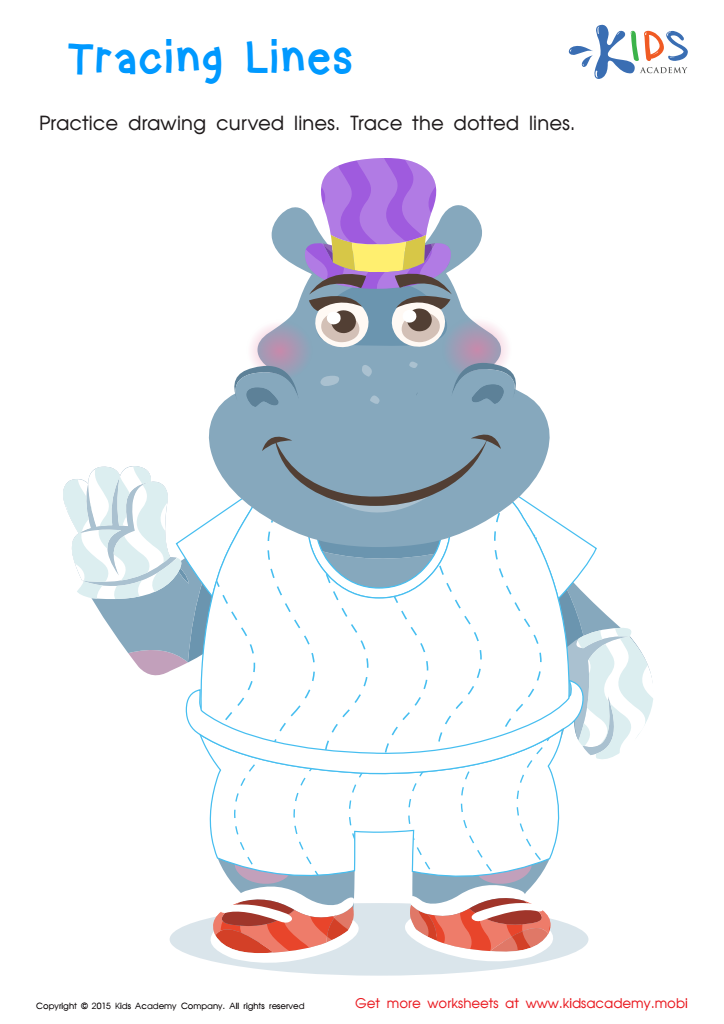
Tracing Lines Worksheet



.jpg)




Hand-eye coordination is a crucial skill for children ages 4-7, significantly impacting their overall development. Parents and teachers should prioritize this skill as it lays the foundation for various physical and cognitive activities. Improved hand-eye coordination enhances a child's ability to perform tasks that require the integration of visual input with motor skills, such as writing, drawing, and playing sports.
Developing this skill during early childhood can boost a child’s confidence and promote independence, as they become more capable of handling everyday challenges. Activities that promote hand-eye coordination—like tossing a ball, stringing beads, or completing puzzles—also foster fine motor skills and encourage sensory exploration.
Furthermore, strong hand-eye coordination correlates with academic success; children better equipped with these skills can more easily grasp subjects like math and science, where precision and detail are key. Engaging in games and activities that support this development not only makes learning fun but also enhances social skills as children learn to work together in groups. Encouraging hand-eye coordination allows parents and teachers to nurture holistic development in children, ultimately preparing them for future success in various life domains.








