Visual Perception Skills Easy Worksheets for Ages 4-7
5 filtered results
-
From - To
Enhance your child’s visual perception skills with our engaging and easy worksheets designed specifically for ages 4-7! These fun, interactive activities help young learners improve their ability to identify shapes, patterns, and spatial relationships, laying a strong foundation for math and reading skills. Each worksheet is crafted to promote critical thinking, attention to detail, and hand-eye coordination in a playful manner. Perfect for parents and educators, our worksheets will keep kids entertained while they learn. Dive into this creative learning experience and watch your child's confidence and abilities flourish as they tackle age-appropriate challenges!
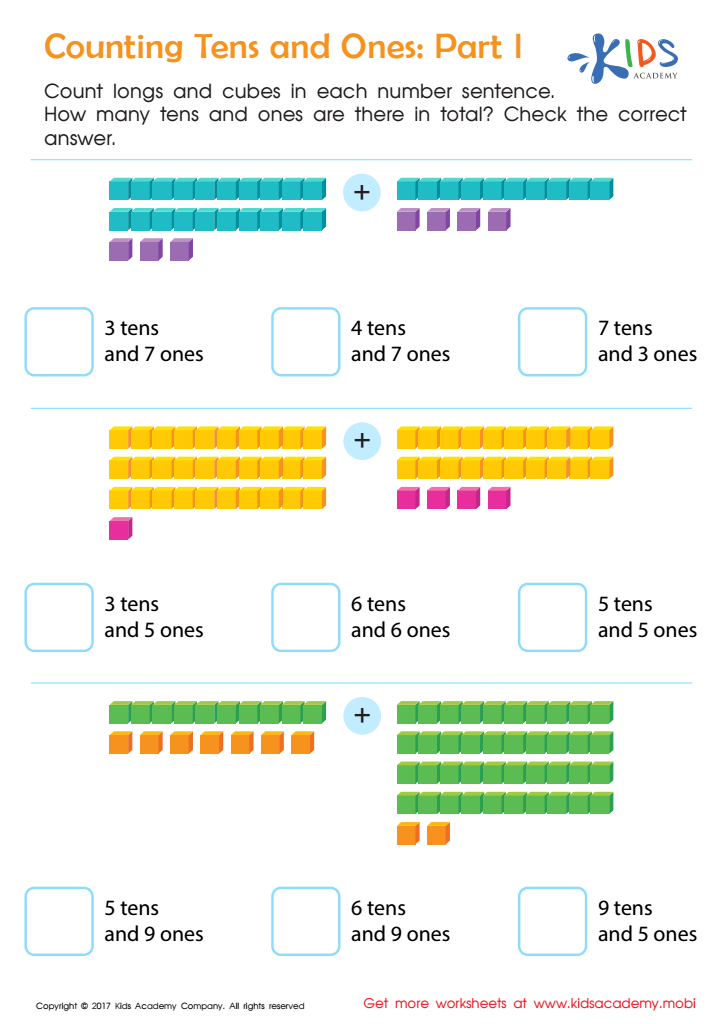
Counting Tens and Ones: Part 1 Worksheet
 Assign to My Students
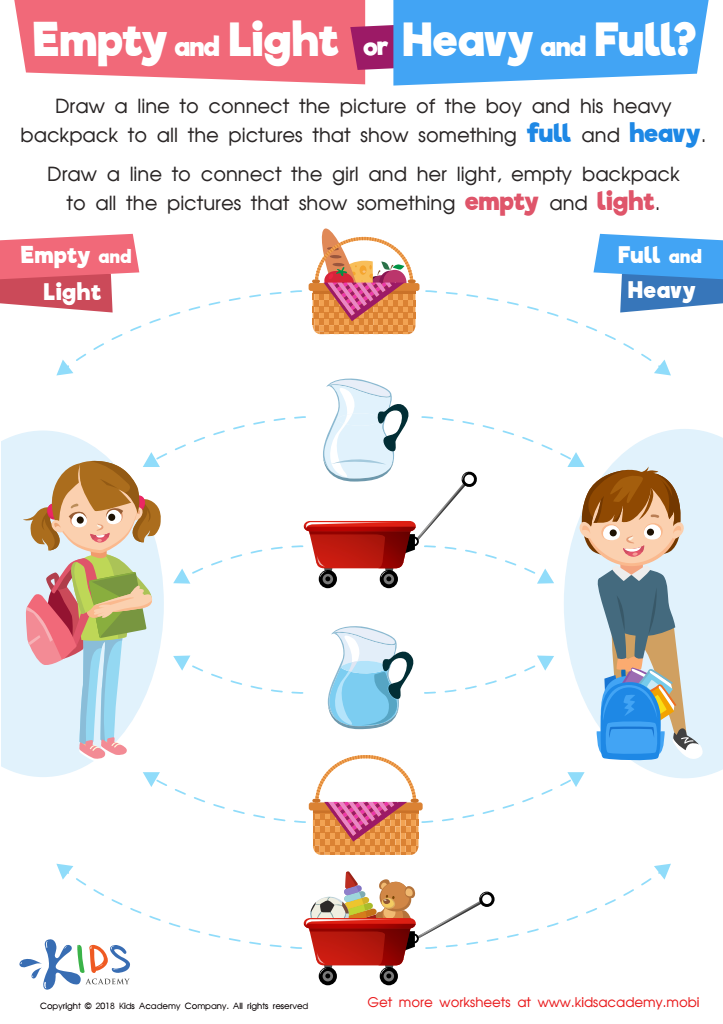
Empty and Light or Heavy and Full? Worksheet
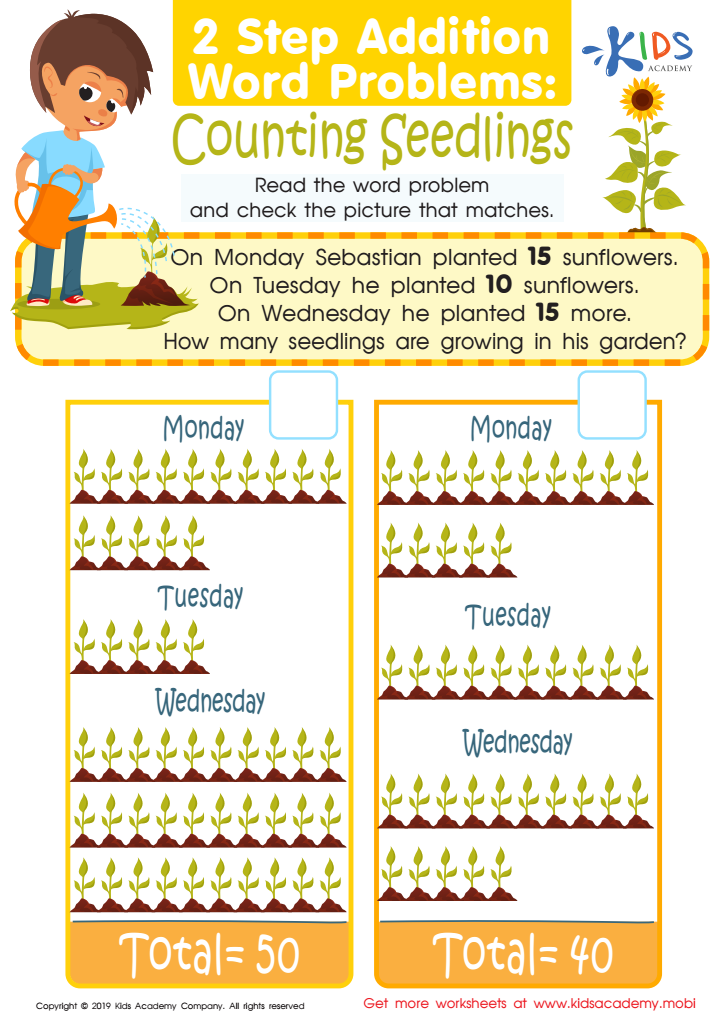
Counting Seedlings Worksheet
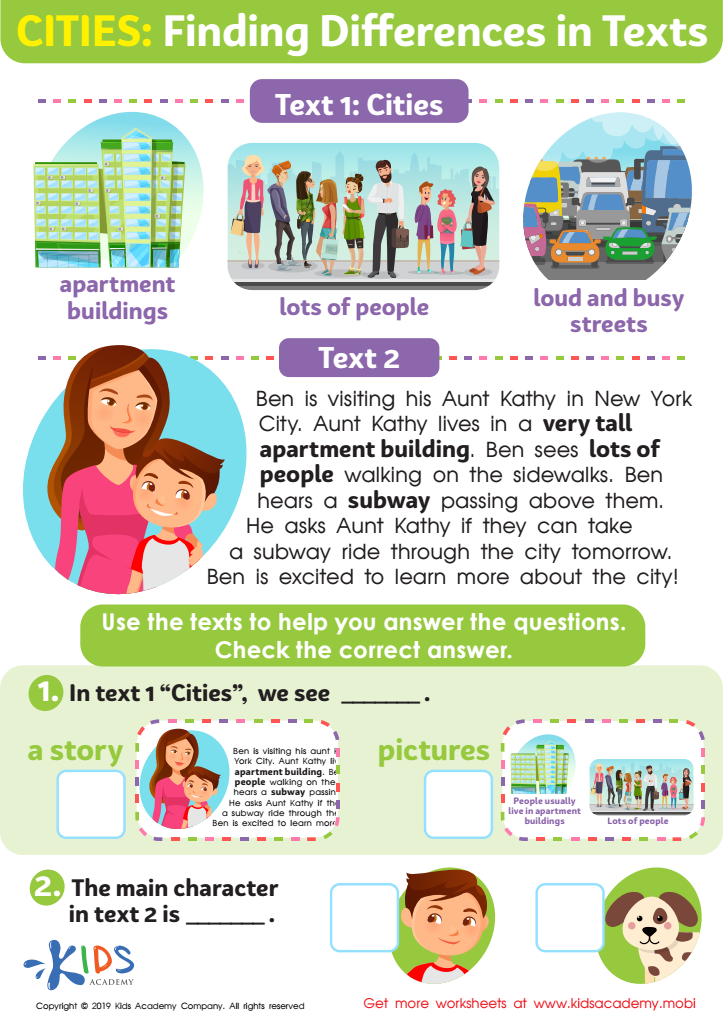
Cities: Finding Differences Worksheet
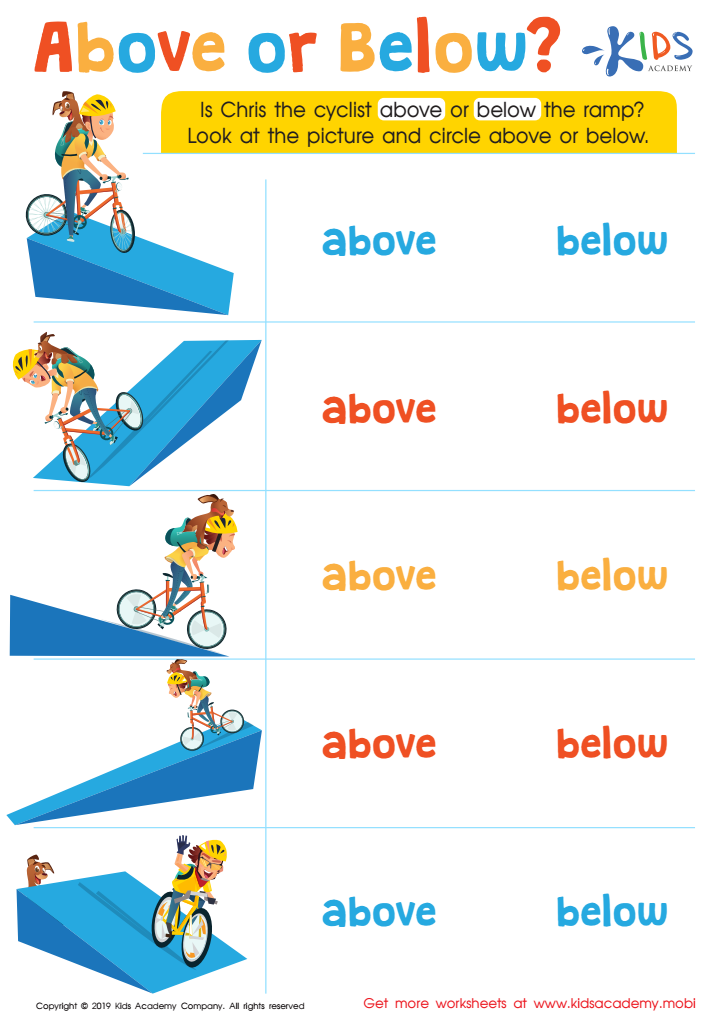
Above or Below? Worksheet








Visual perception skills are crucial for children aged 4-7 as they greatly influence a child’s ability to learn and interact with their environment effectively. These skills involve the brain's ability to interpret and make sense of visual information, aiding in tasks such as reading, writing, and even basic social interactions. When children possess good visual perception abilities, they can sort shapes, recognize letters and numbers, distinguish between colors, and follow sequences.
Parents and teachers should care about developing these skills, as they are foundational for academic success. Struggles with visual perception can lead to challenges in learning, affecting a child's confidence and overall engagement in school. Moreover, improved visual perception supports fine motor skills, as children need to coordinate their hand movements with visual cues to perform tasks like drawing or cutting.
Encouraging activities that strengthen these skills, such as puzzles, matching games, and coloring, not only make learning fun but also enhance problem-solving abilities and critical thinking. Paying attention to visual perception now sets the stage for lifelong learning, ensuring children are well-prepared for future academic challenges and better equipped to navigate their world.








