Shape Recognition Easy 2D Shapes Worksheets for Ages 4-7
6 filtered results
-
From - To
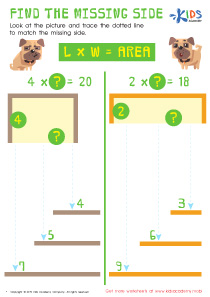
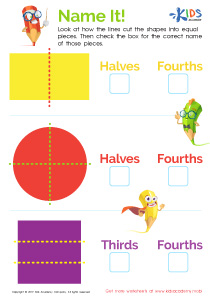
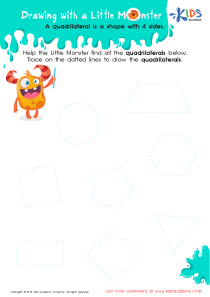
Welcome to our "Shape Recognition Easy 2D Shapes Worksheets" tailored for children ages 4 to 7! Our engaging worksheets are designed to foster early math skills while making learning fun. Young learners will explore basic 2D shapes like circles, squares, and triangles through interactive activities and vibrant illustrations. Each worksheet emphasizes shape recognition, helping kids identify and differentiate between shapes in various settings. Perfect for both classroom use and home practice, these resources enhance fine motor skills and boost confidence in young mathematicians. Dive into a world of shapes and spark your child's creativity and curiosity today!
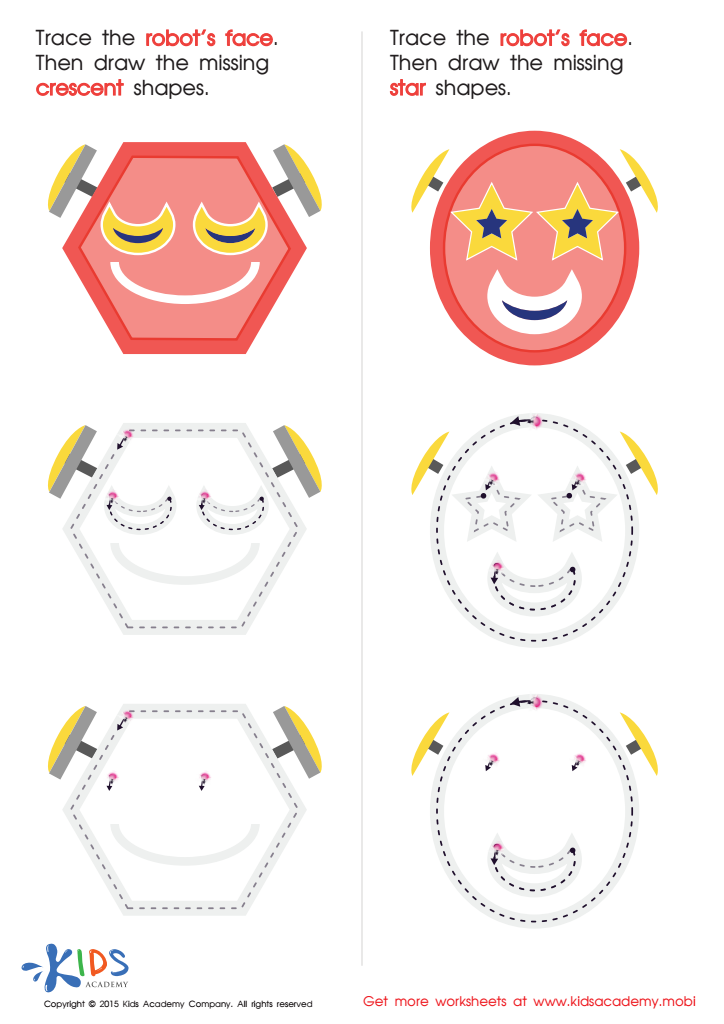
Composing a Robot's Face of Crescents And Stars Worksheet
 Assign to My Students


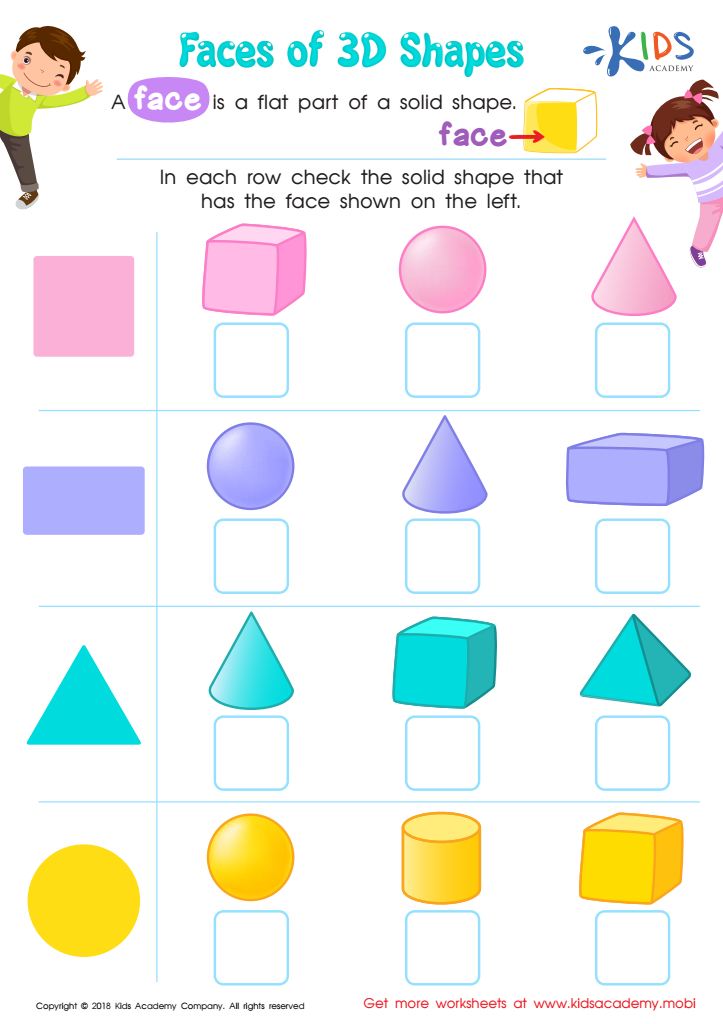
Faces of 3D Shapes Worksheet
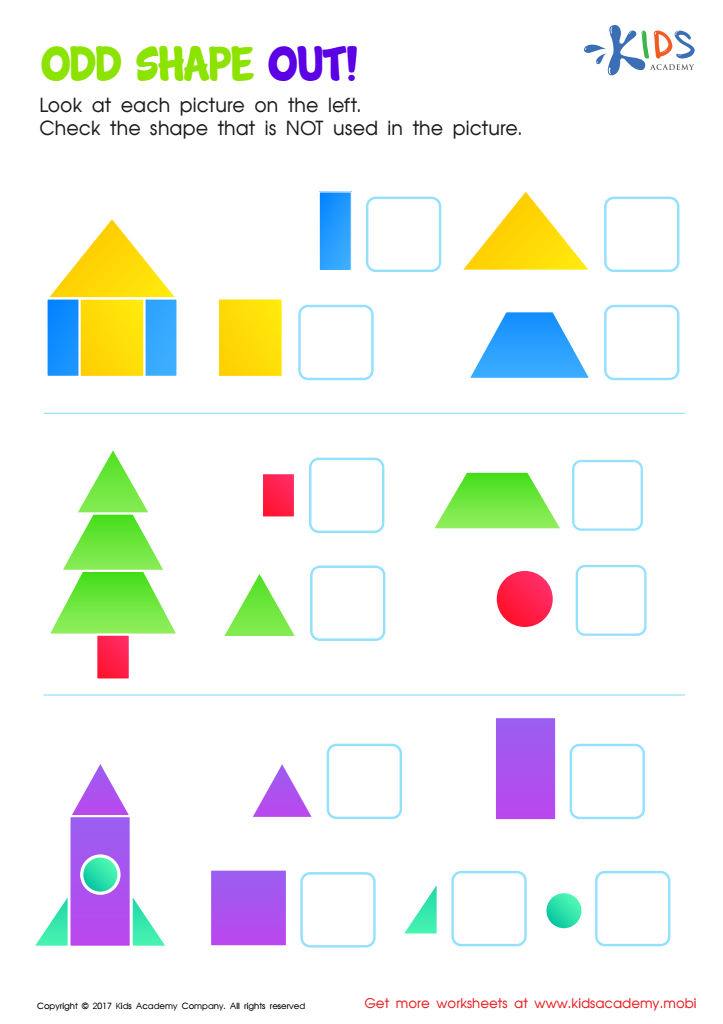
Odd Shape Out Worksheet for Grade 1
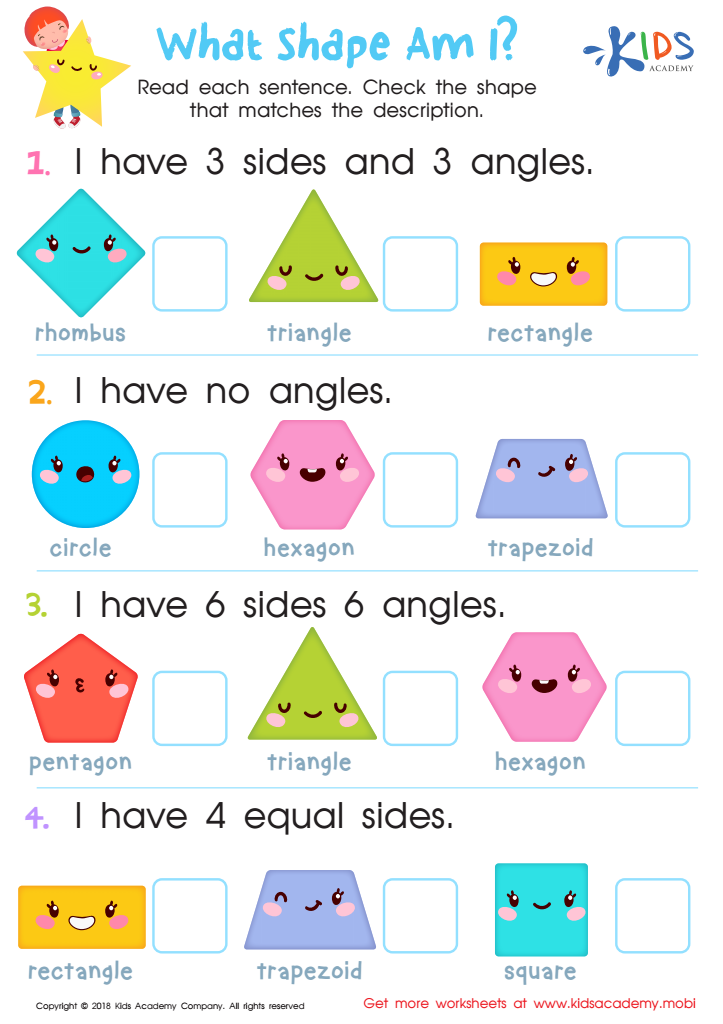
What Shape Am I? Worksheet
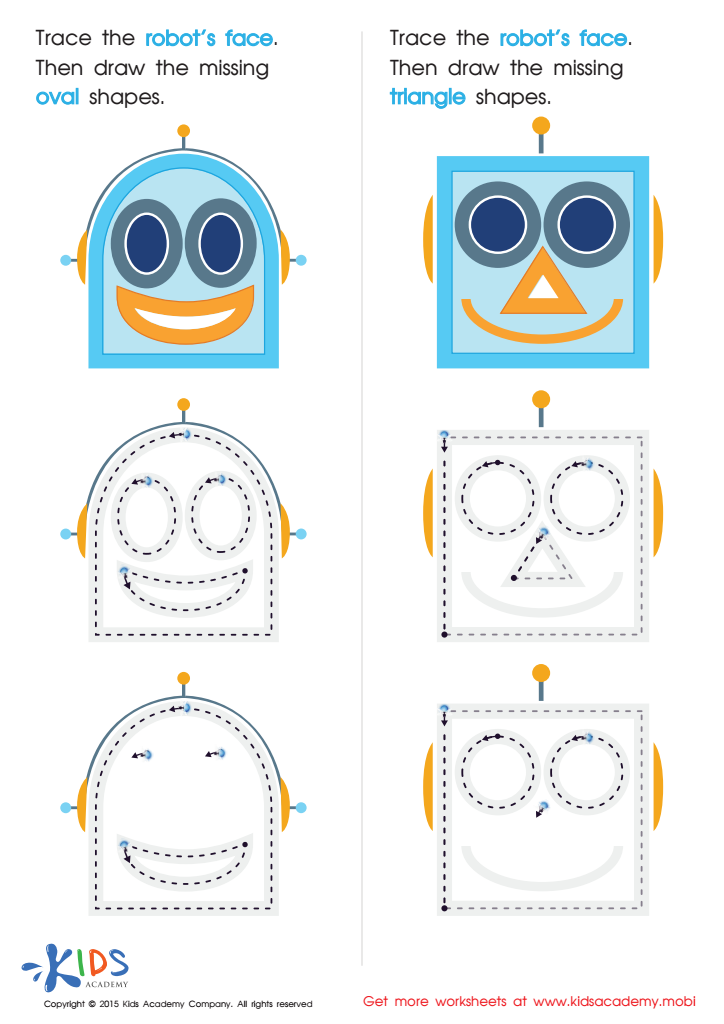
Drawing Ovals And Triangles with Fun Printable
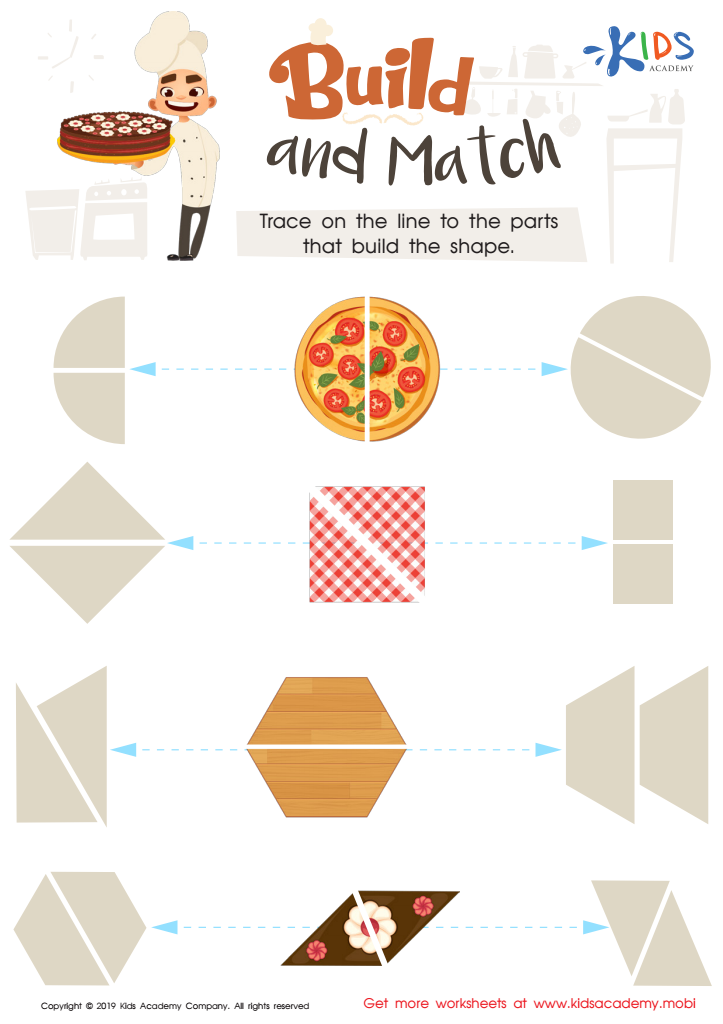
Build and Match Worksheet








Shape recognition is a foundational skill in early childhood education that plays a critical role in cognitive development for ages 4-7. Understanding 2D shapes lays the groundwork for more complex concepts in mathematics and spatial reasoning. Parents and teachers should prioritize shape recognition as it helps children make sense of the world around them. For example, recognizing shapes enhances their ability to categorize objects, which promotes critical thinking and problem-solving skills.
Additionally, mastering basic shapes supports literacy development. Many letters and numbers can be closely linked to geometric shapes, facilitating the learning of reading and math later on. Engaging children in activities that involve shape recognition can boost their creativity as they explore art through different shapes in various contexts.
Furthermore, shape recognition activities improve fine motor skills. Manipulating objects to create or identify shapes promotes dexterity, which is essential for writing and other daily tasks. Socially, these activities encourage collaboration and communication as children work together to identify and construct shapes.
Incorporating shape recognition lessons into a child’s routine not only enriches their learning experience but also lays a strong foundation for their future academic success, making it crucial for parents and teachers to care about this essential building block.