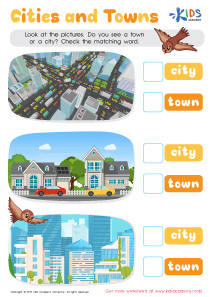
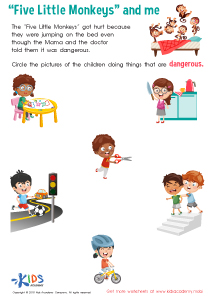
Cognitive Development Easy Reading Comprehension Worksheets for Ages 4-7
4 filtered results
-
From - To
Unlock the power of learning with our Cognitive Development Easy Reading Comprehension Worksheets designed for children ages 4-7! These engaging worksheets help young learners enhance their cognitive skills while building essential reading comprehension abilities. Filled with colorful illustrations and age-appropriate stories, our resources guide children through understanding text, making inferences, and answering questions that stimulate critical thinking. Perfect for homeschoolers and classroom teachers alike, these worksheets make learning fun and interactive. Strengthen your child's cognitive development and foster a love for reading today—explore our collection and watch their understanding grow!
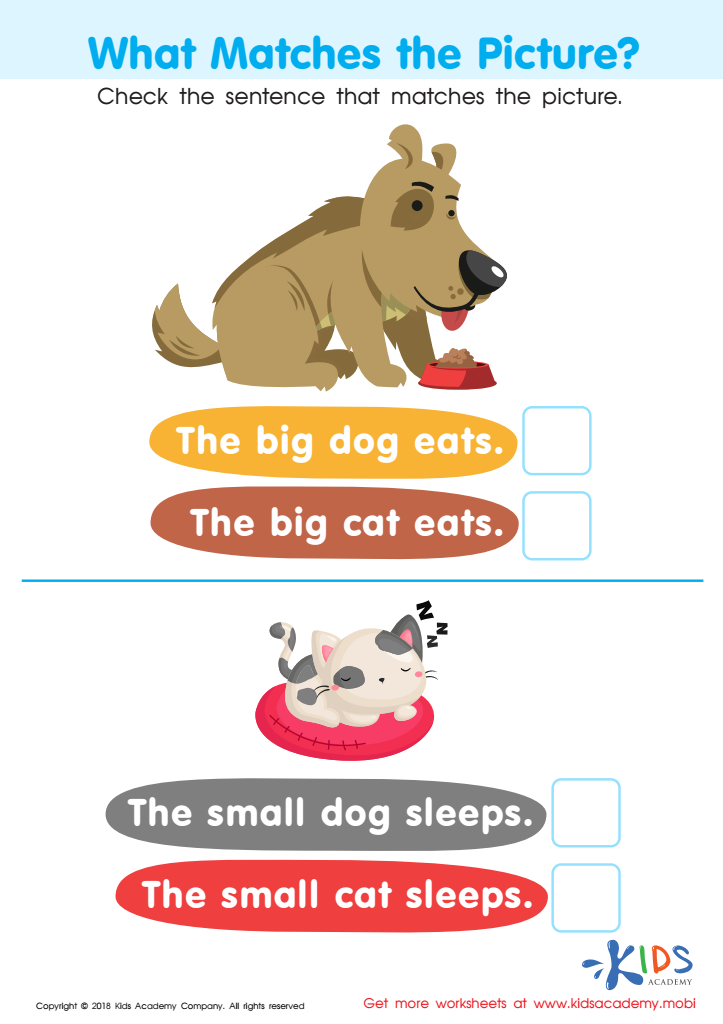
What Matches the Picture? Worksheet
 Assign to My Students
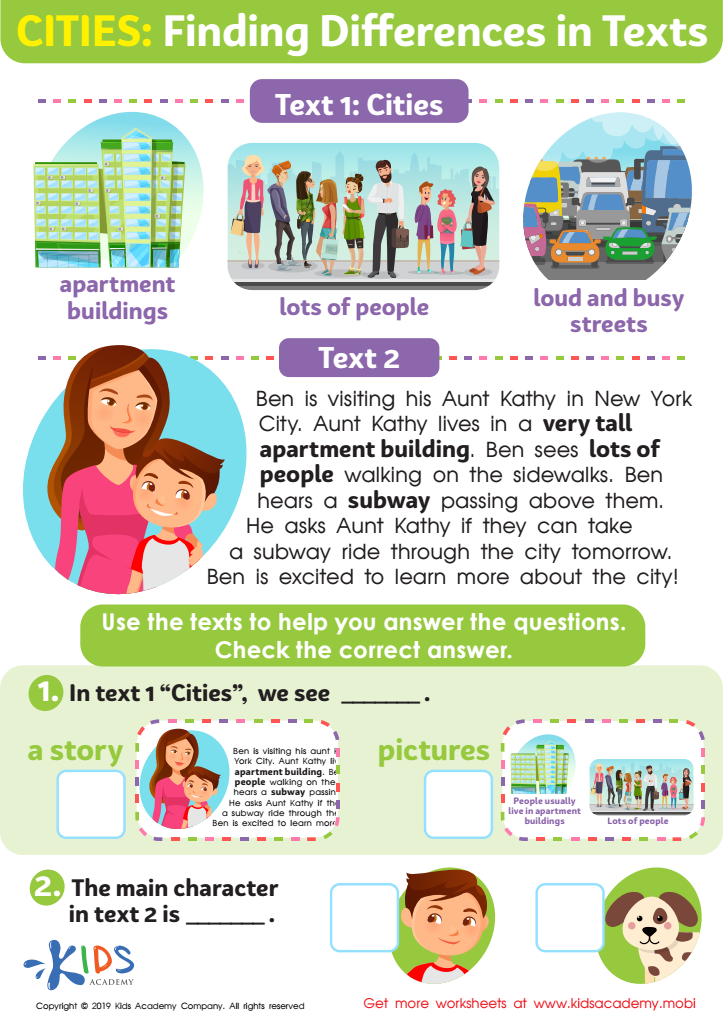
Cities: Finding Differences Worksheet
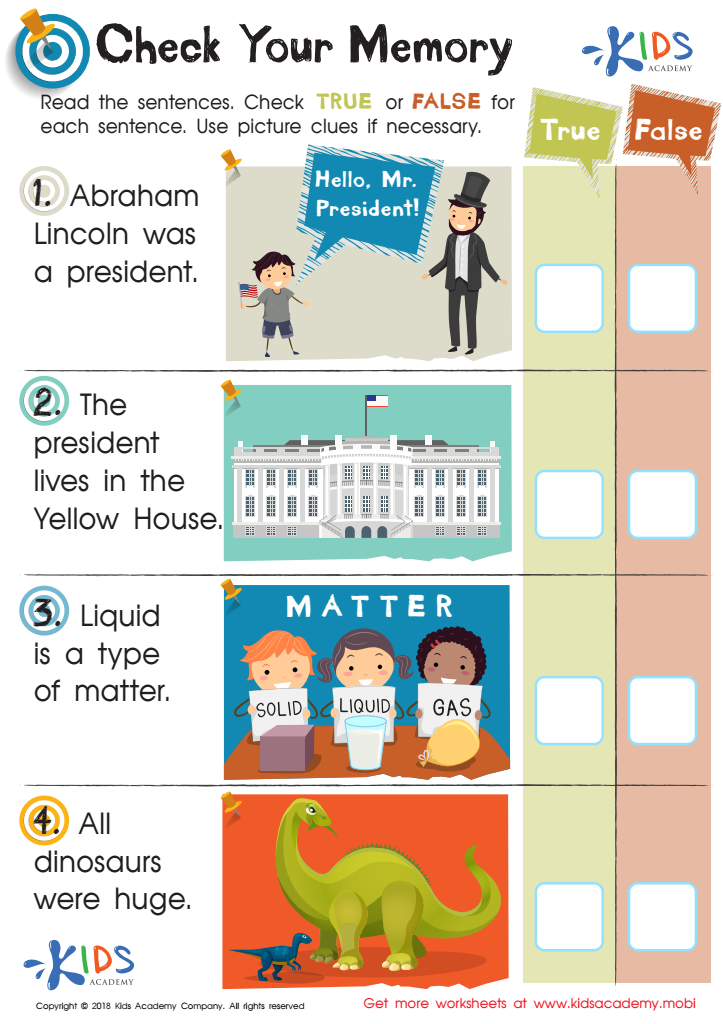
Check Memory Worksheet
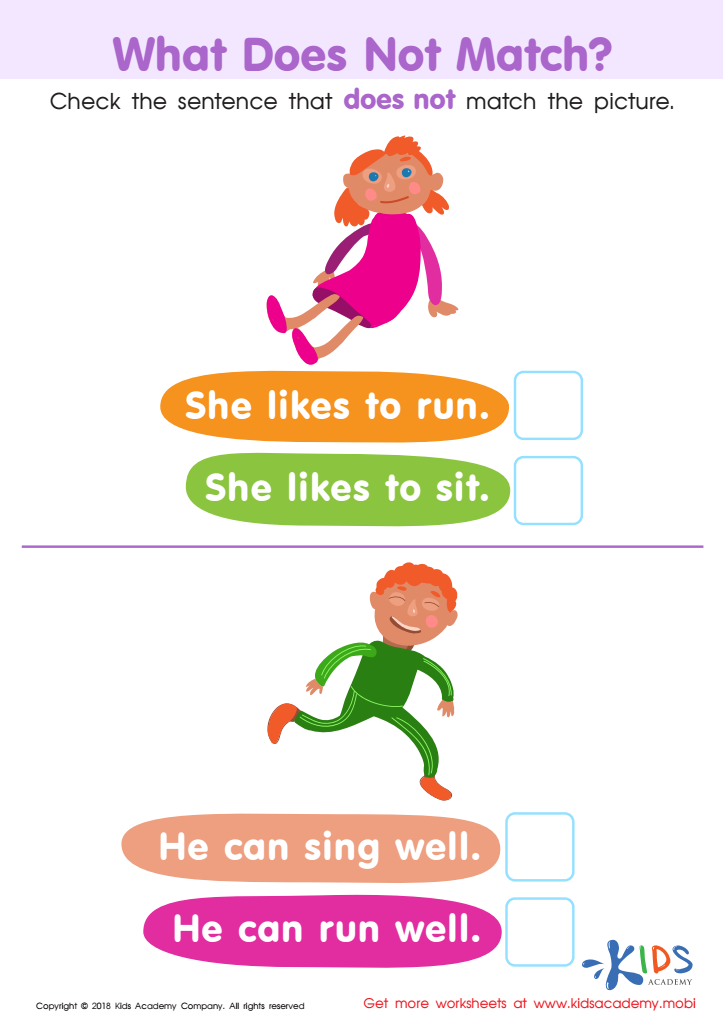
What Does Not Match? Worksheet







Cognitive development is crucial in the early years of a child's life, particularly for children ages 4 to 7. During this period, children build foundational skills that will shape their future learning and overall cognitive abilities. Easy reading comprehension activities engage young minds, helping to enhance their understanding of language, improve vocabulary, and develop critical thinking skills.
Parents and teachers should care about cognitive development because it directly impacts a child's ability to process information and communicate effectively. When children learn to read comprehension at a young age, they gain confidence in their skills, which fosters a love for reading and learning. This interest can lead to better academic performance in later years.
Moreover, cognitive development not only supports literacy but also social-emotional growth. Children who understand stories can empathize with different characters and view situations from various perspectives. This growth helps them navigate social relationships and build emotional intelligence.
In summary, focusing on reading comprehension for young children helps cultivate essential cognitive skills, encourages lifelong learning, and promotes emotional development. By prioritizing these activities, parents and teachers can create a strong foundation for a child's future success.