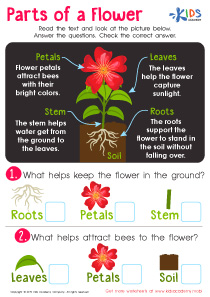
Vocabulary enhancement Easy Reading Fiction Worksheets for Ages 4-7
6 filtered results
-
From - To
Enhance your child's vocabulary with our engaging Easy Reading Fiction Worksheets, designed specifically for ages 4-7. These creative and interactive resources encourage early readers to explore new words in an enjoyable way. Each worksheet features fun fictional stories that captivate young imaginations while building essential language skills. Children will engage in various activities, including word matching, picture associations, and fill-in-the-blank challenges, all aimed at making vocabulary learning enjoyable and effective. Foster a love for reading and strengthen your child's comprehension with exercises that promote language development in a playful context. Start your vocabulary journey today with our specially curated worksheets!
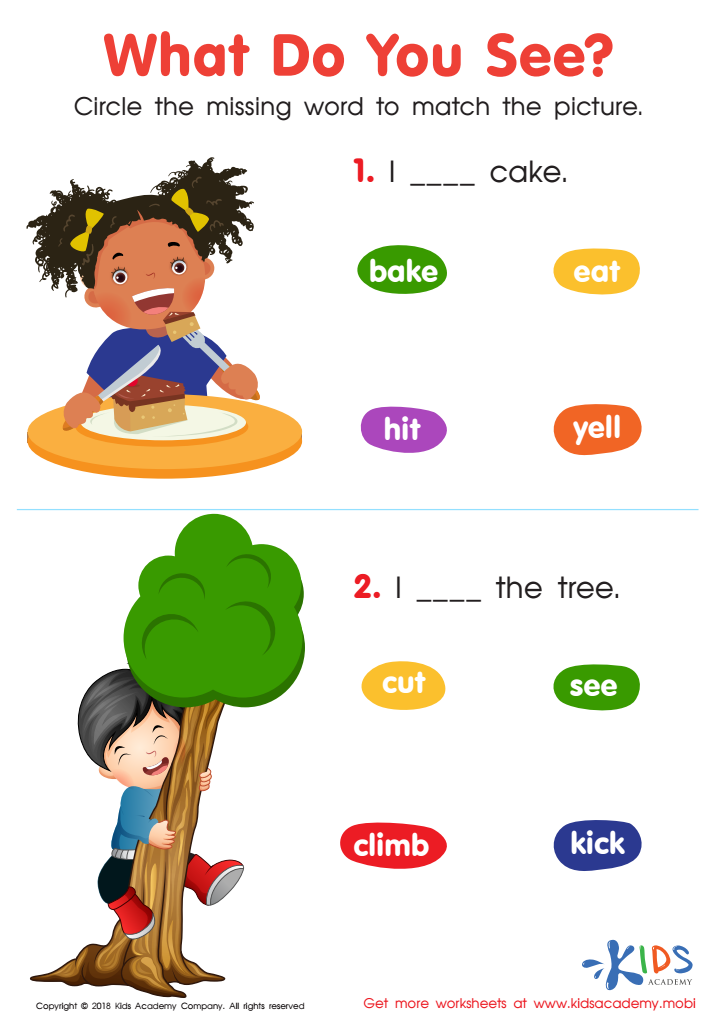
What Do You See? Reading Worksheet
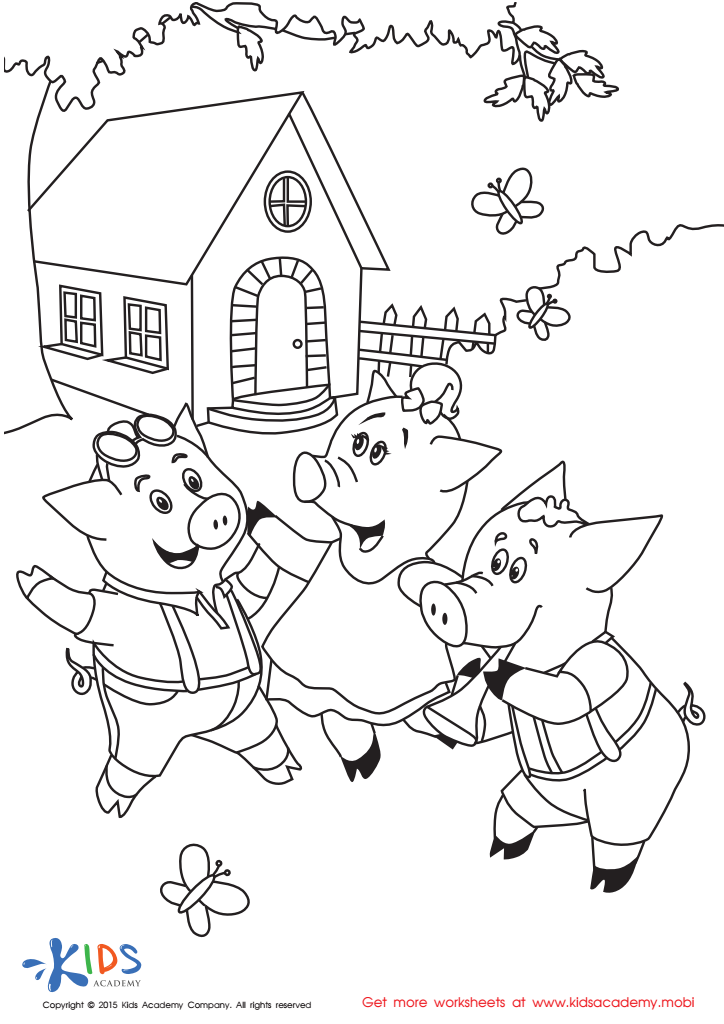
Folktales Printable PDF Worksheet: The 3 Little Pigs
 Assign to My Students
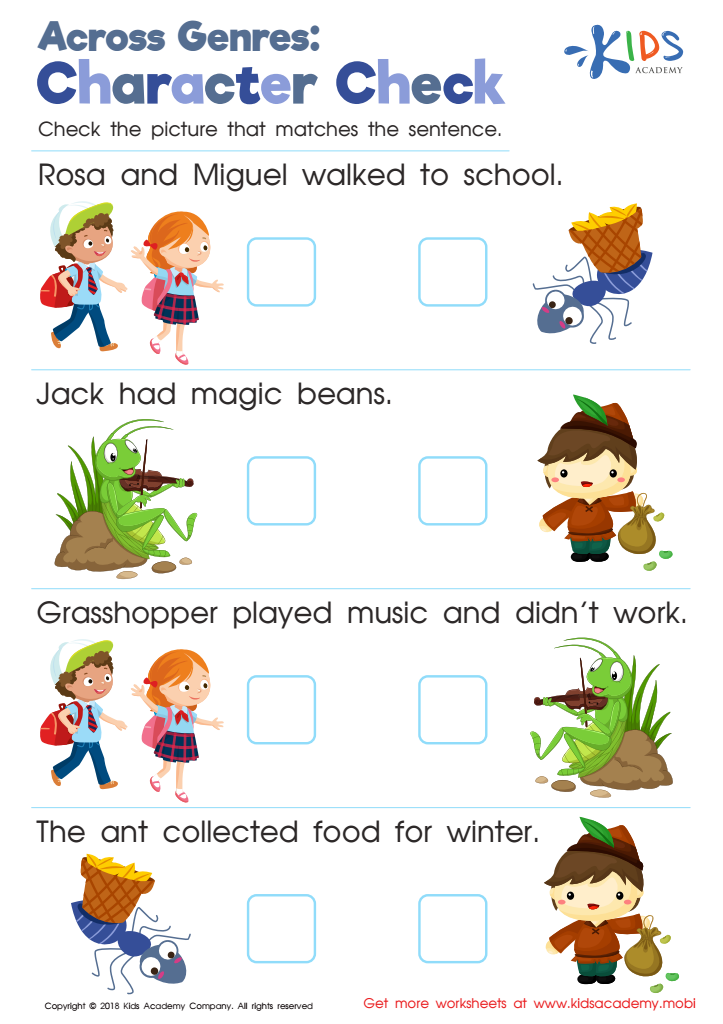
Across Genres: Character Check Worksheet
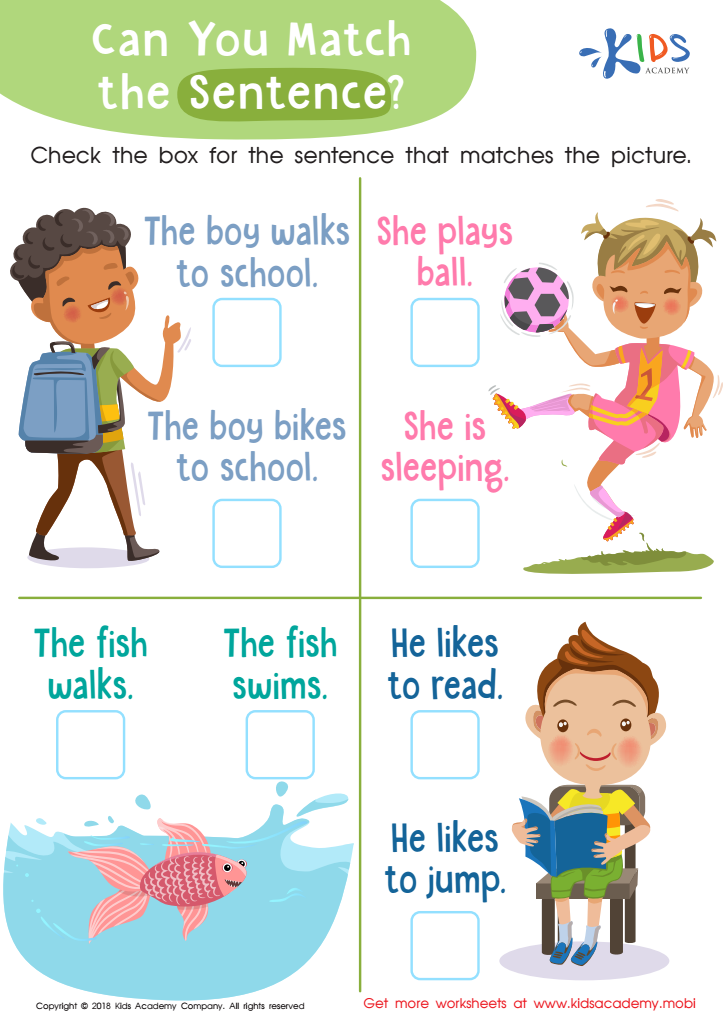
Can You Match the Sentence? Worksheet
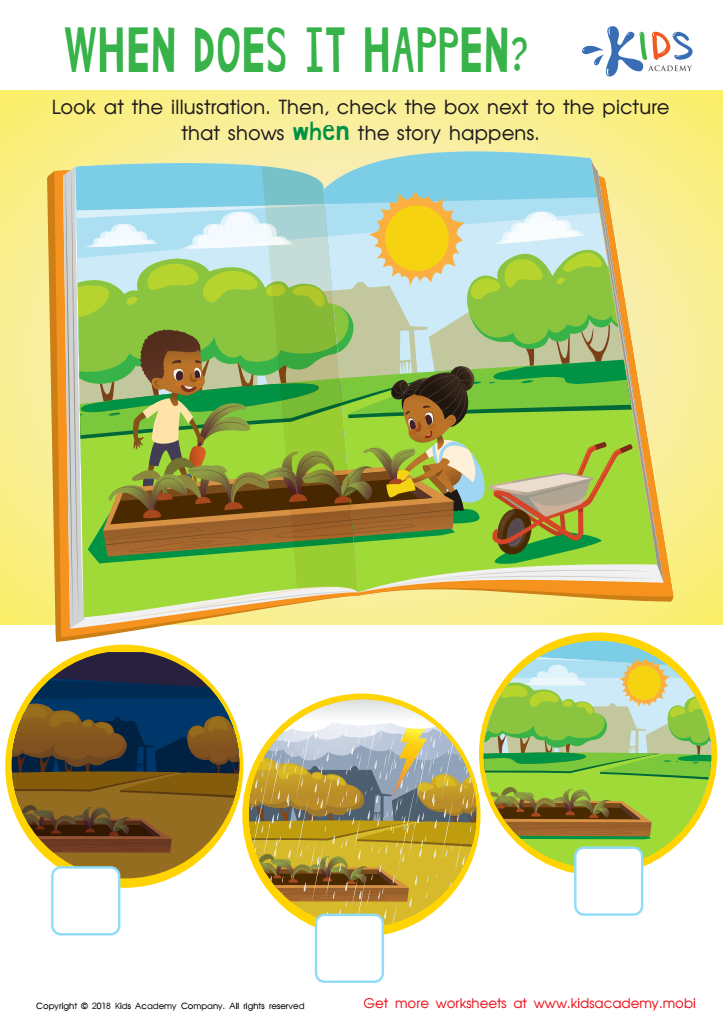
When Does It Happen? Worksheet
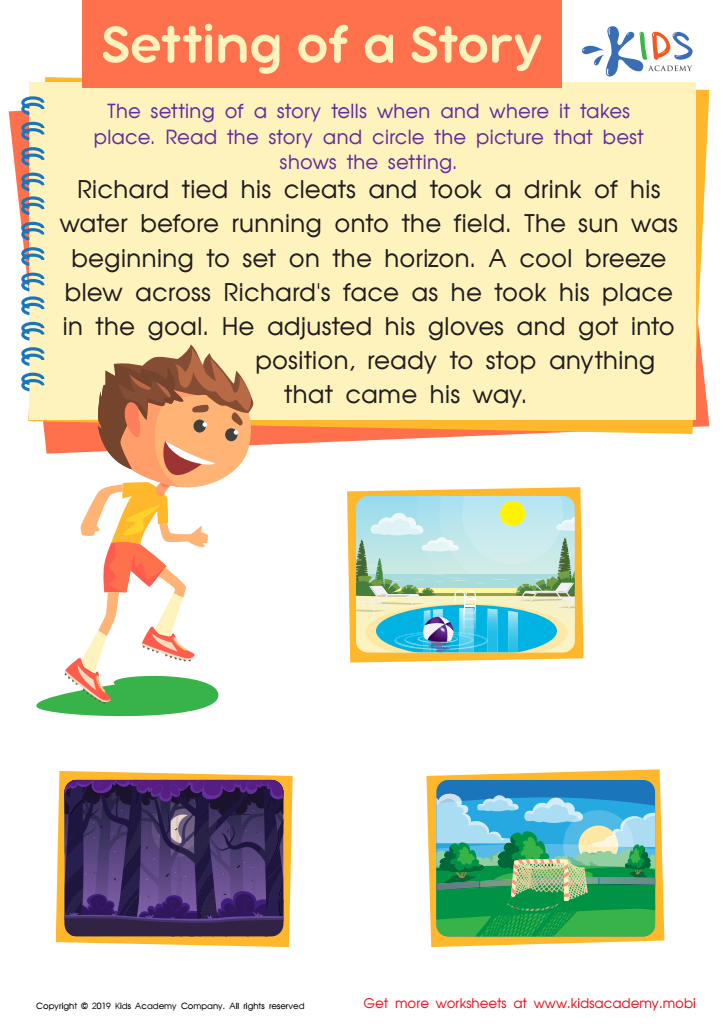
Setting of a Story Worksheet



.jpg)



Vocabulary enhancement through easy reading fiction is crucial for children aged 4-7, as this foundational stage significantly shapes their language development and comprehension skills. Engaging stories written at an accessible reading level not only spark children’s imaginations but also introduce them to new words and concepts in context. This gentle exposure helps to build their vocabulary, improving their expressive and receptive language abilities, essential for effective communication.
Additionally, easy reading fiction fosters a love for reading early on. When children enjoy what they read, they are more likely to engage with books and learning throughout their lives. This enjoyment builds confidence, encouraging children to explore reading independently, further reinforcing their vocabulary growth.
For parents and teachers, focusing on vocabulary enhancement through fiction prepares children for future academic success. A strong vocabulary is linked to better reading comprehension, critical thinking, and overall academic achievement.
Furthermore, easy reading helps in closing the literacy gap for students who may have less exposure to language-rich environments at home. Ultimately, investing time in vocabulary enhancement and reading for young children lays the groundwork for a lifetime of learning, encouraging curiosity and intellectual exploration.