Basic Addition Easy Worksheets for Ages 4-8
22 filtered results
-
From - To
Discover our "Basic Addition Easy Worksheets for Ages 4-8" designed to make learning fun and engaging! These worksheets help young learners grasp essential addition skills through colorful illustrations and age-appropriate exercises. Offering a variety of playful activities, our resources foster a solid understanding of numbers and enhance math confidence. Perfect for homeschooling or supplementary practice, these interactive worksheets provide opportunities for hands-on learning. Encourage your child to complete engaging math puzzles and games designed to cultivate problem-solving skills while paving the way for future math success. Start your child’s educational journey with enjoyable basic addition practice today!
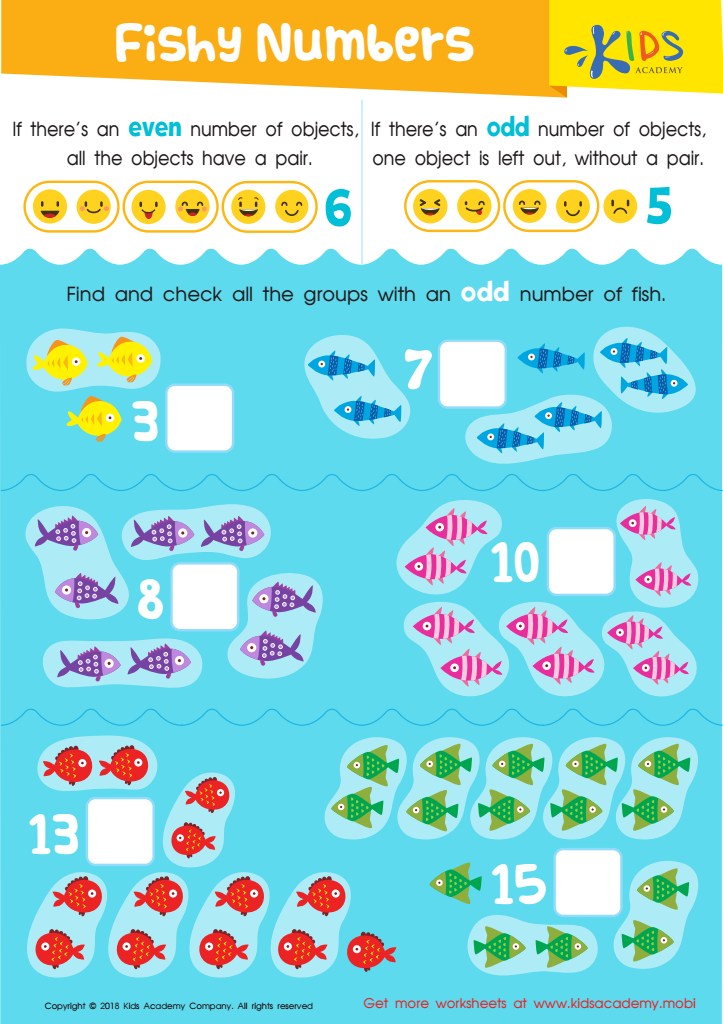
Fishy Numbers Worksheet
 Assign to My Students
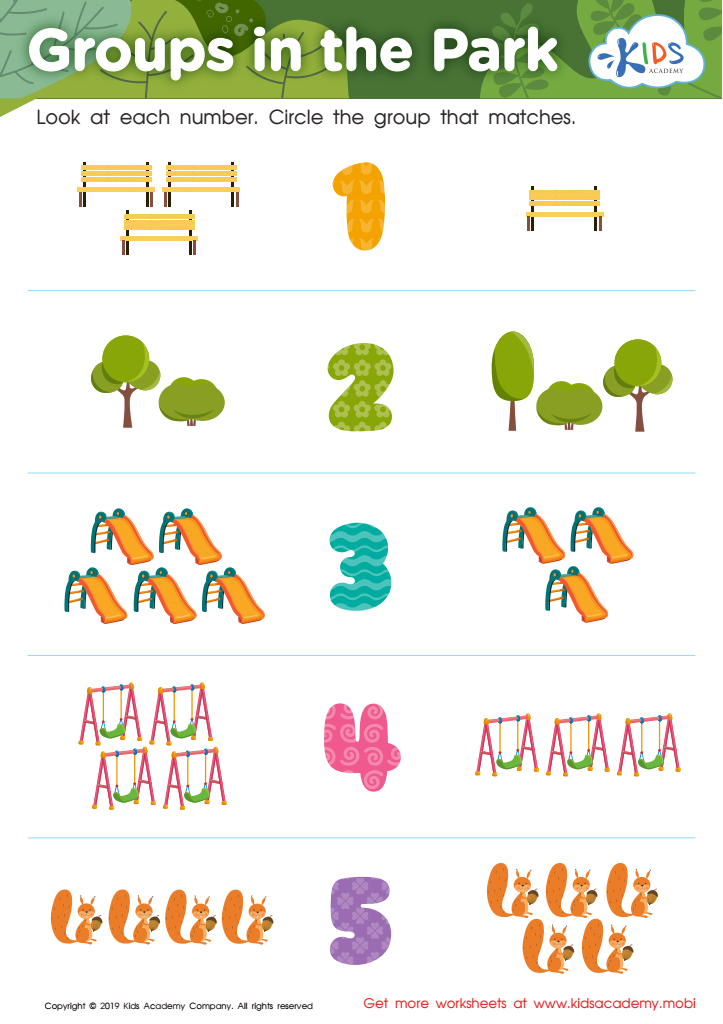
Groups in the Park Worksheet
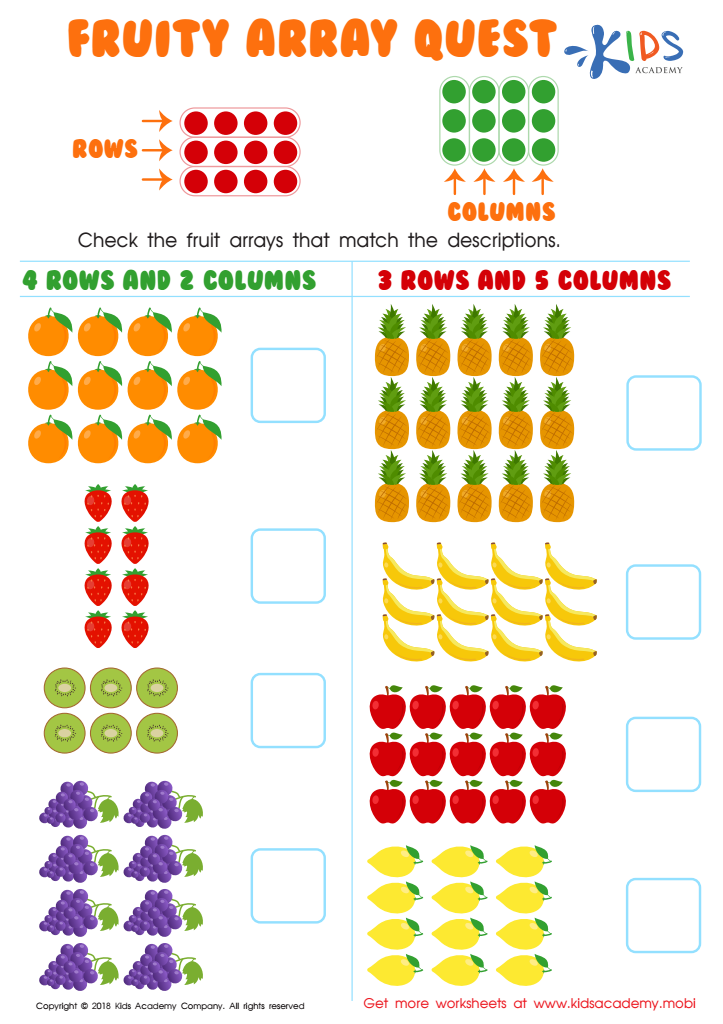
Fruity Array Quest Worksheet
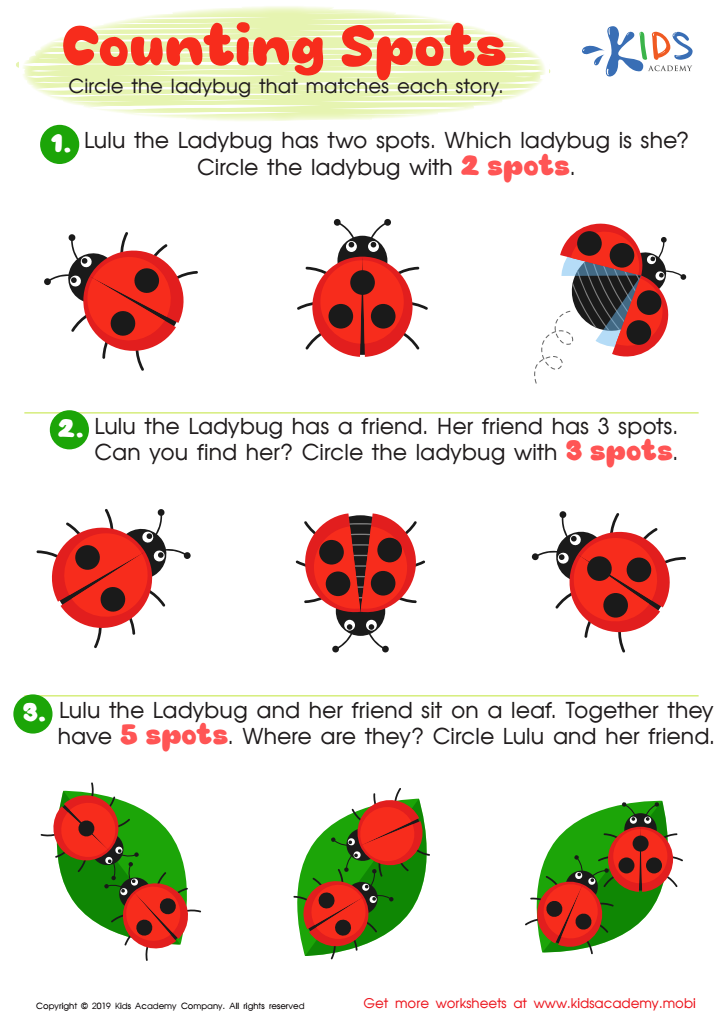
Counting Spots Worksheet
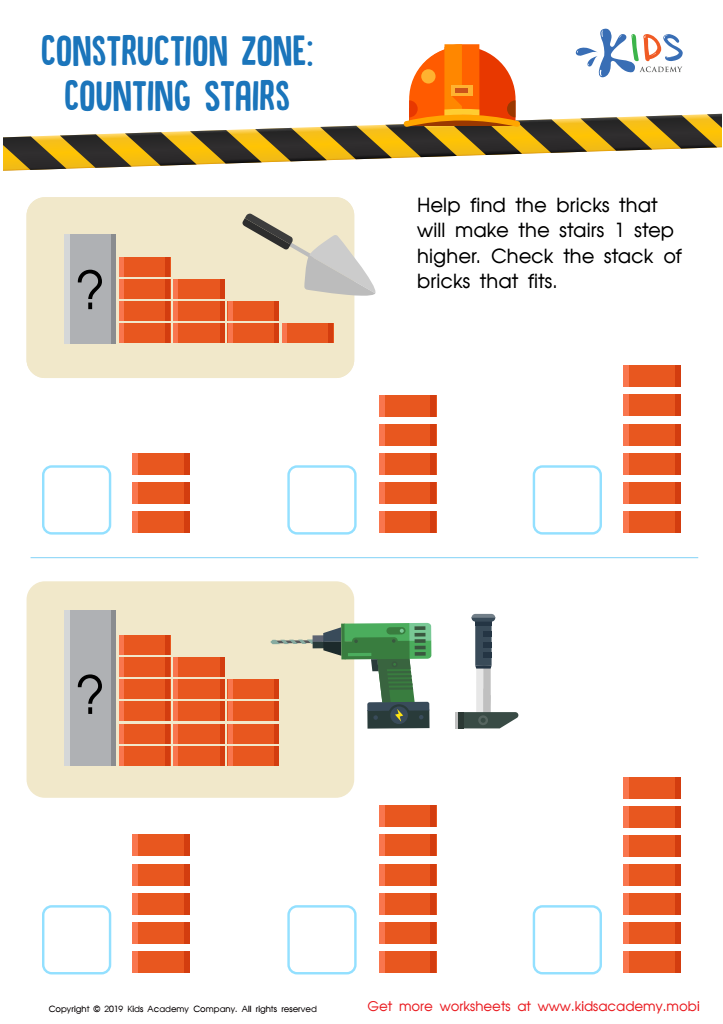
Construction Zone: Counting Stairs Worksheet
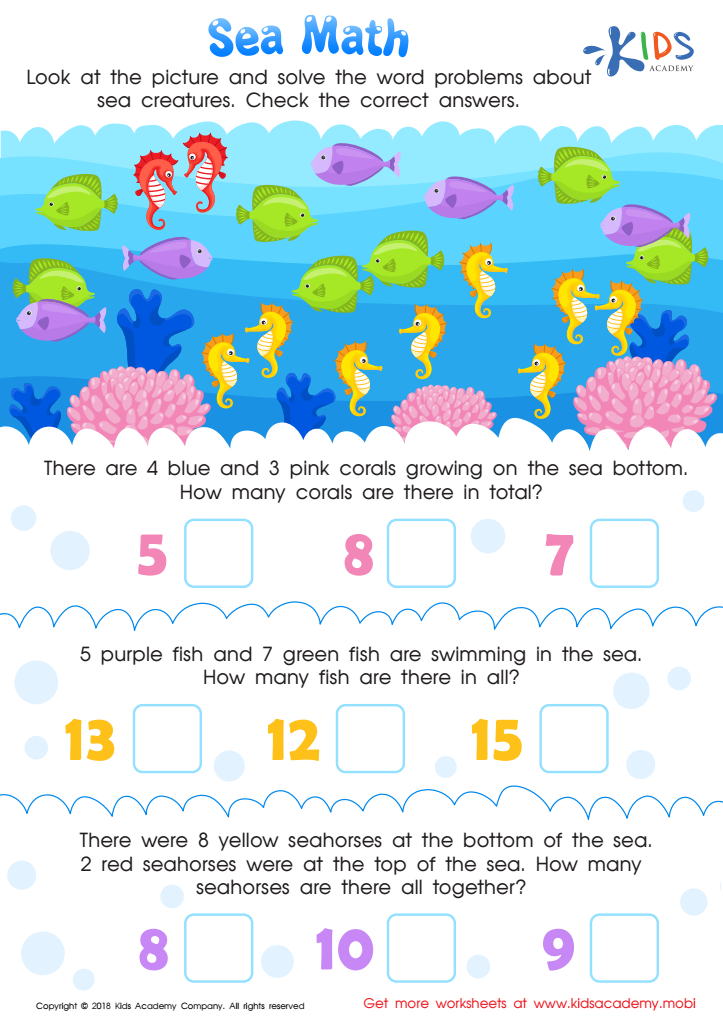
Sea Math Worksheet
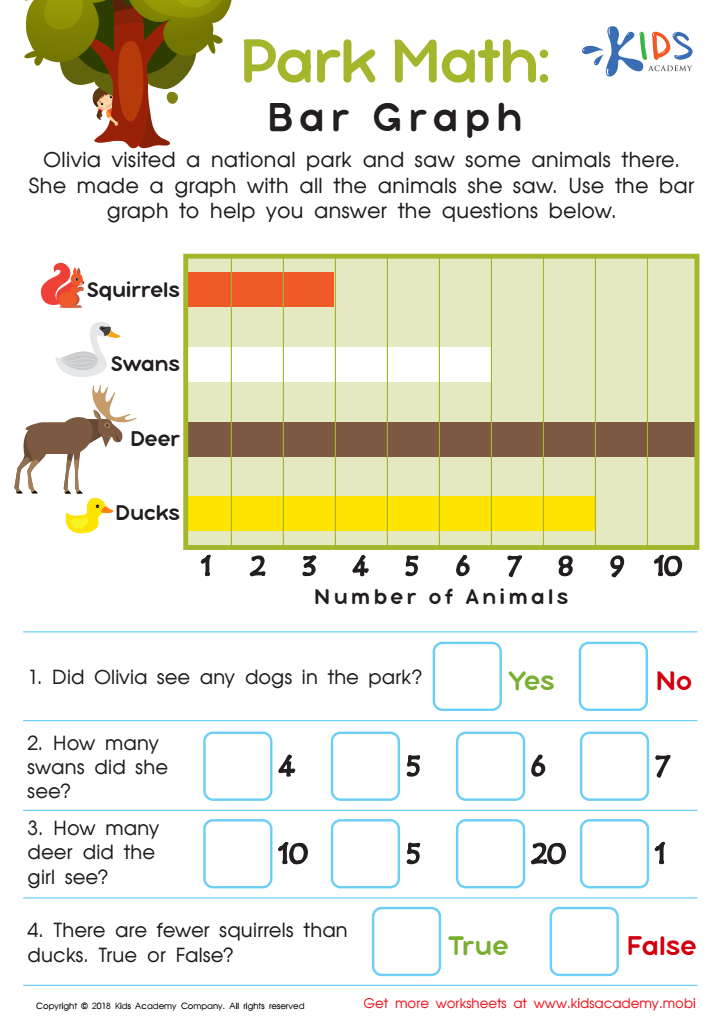
Park Math: Bar Graph Worksheet
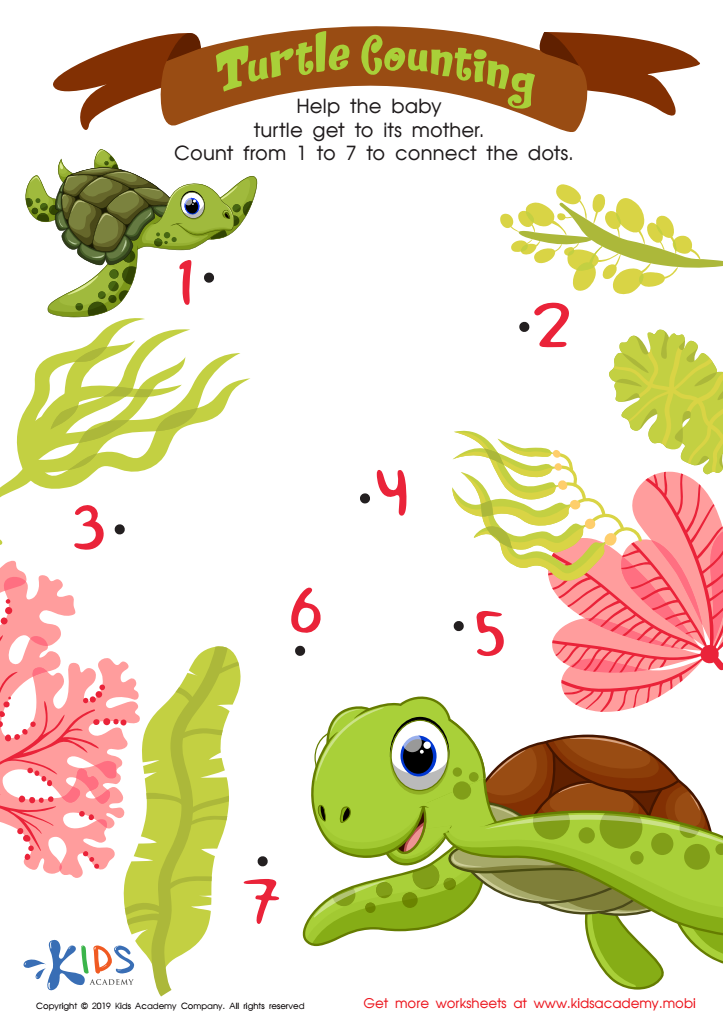
Turtle Counting Worksheet
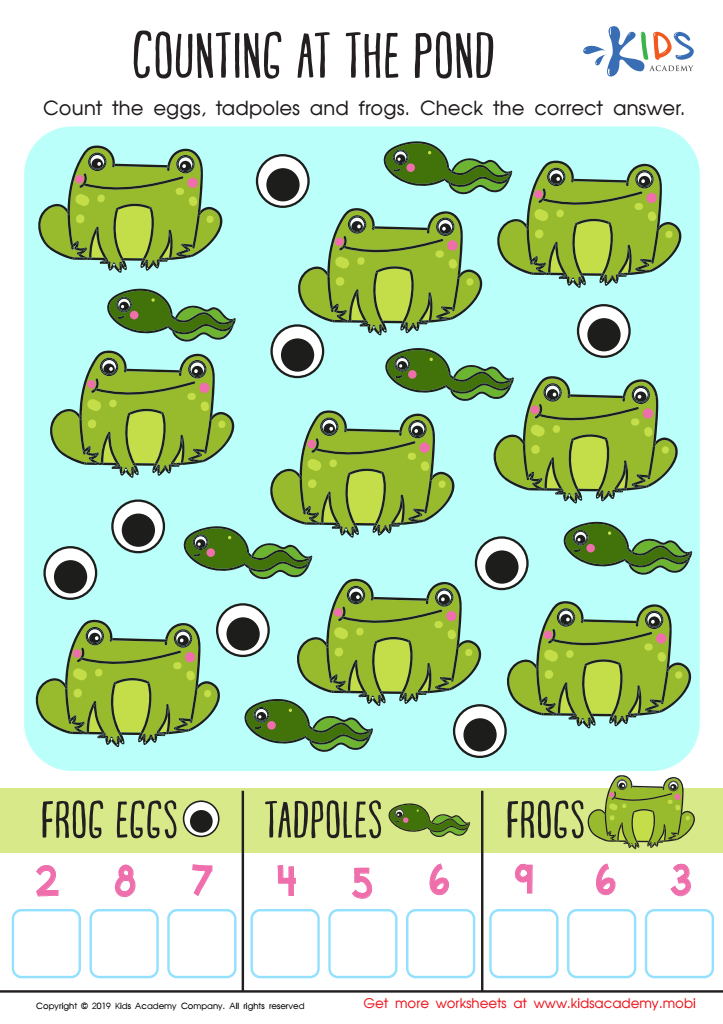
Counting at the Pond Worksheet
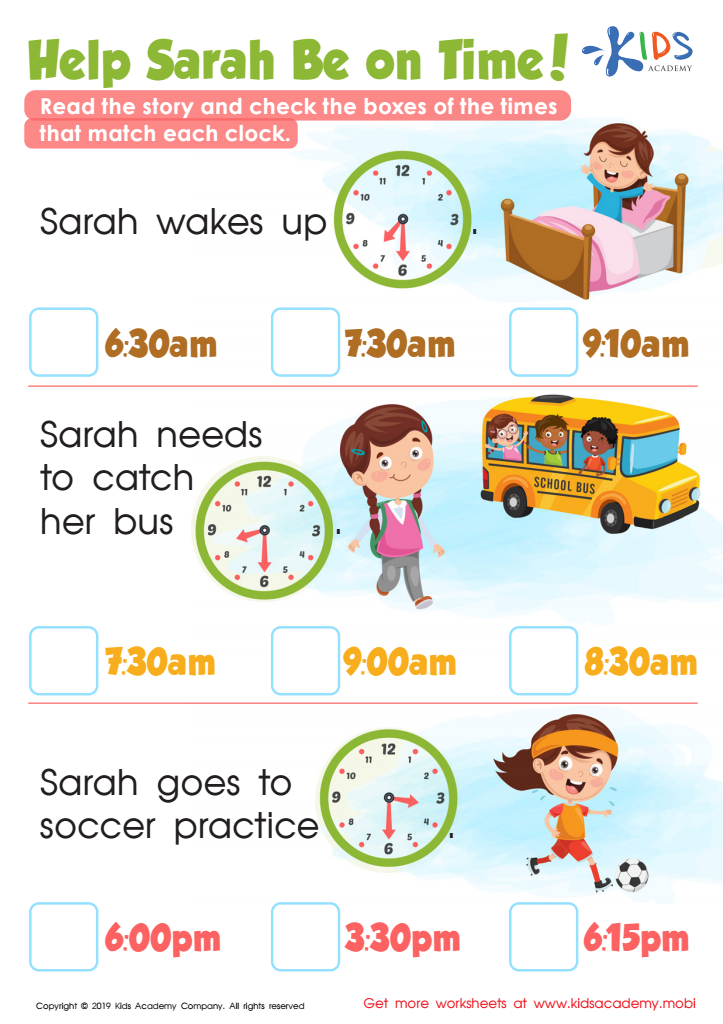
Help Sarah Be on Time! Worksheet
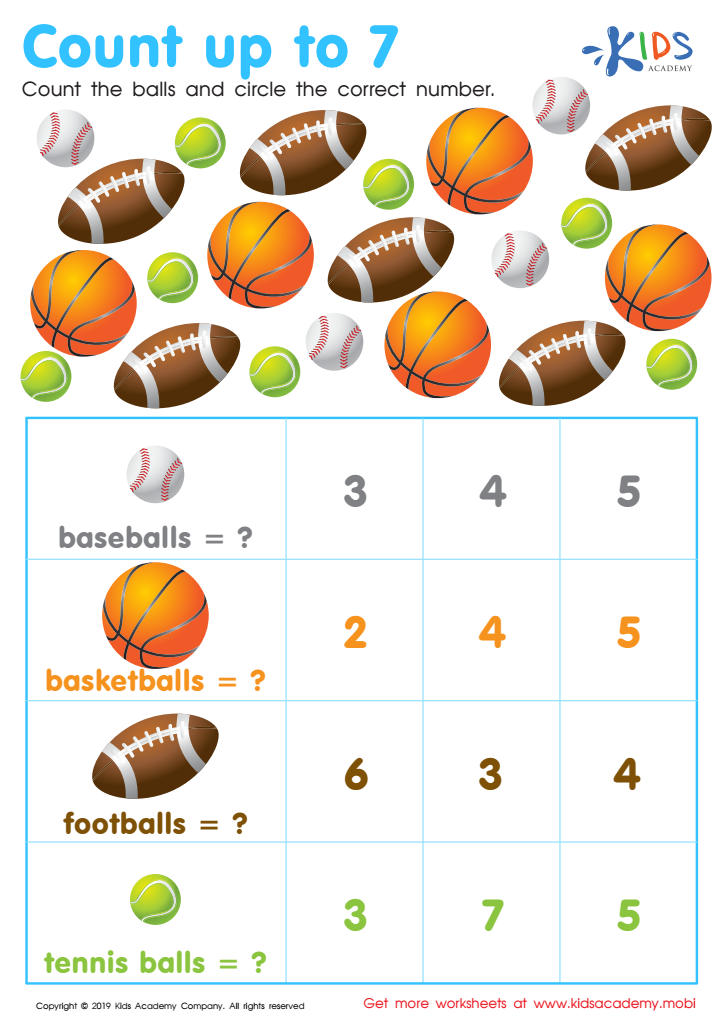
Count up to 7 Worksheet
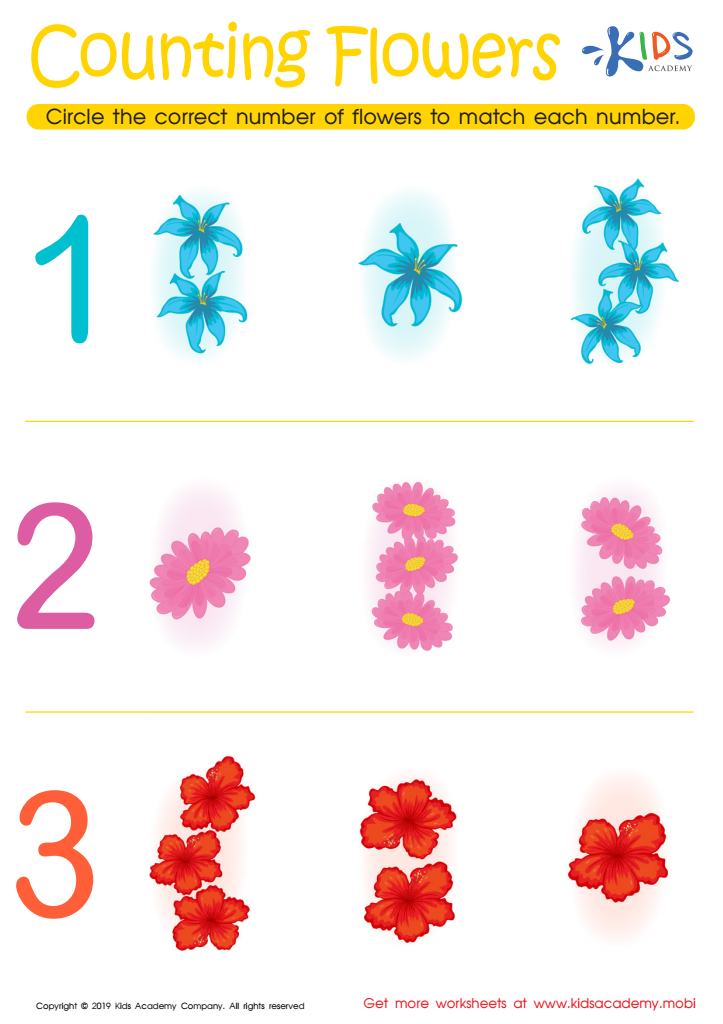
Counting Flowers Worksheet
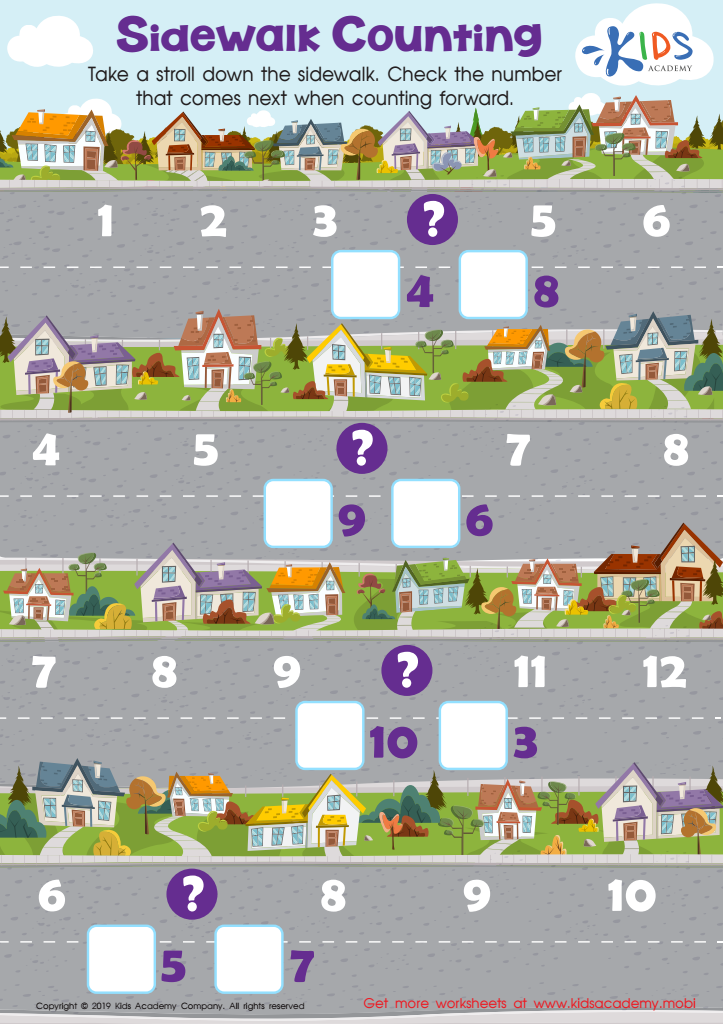
Sidewalk Counting Worksheet
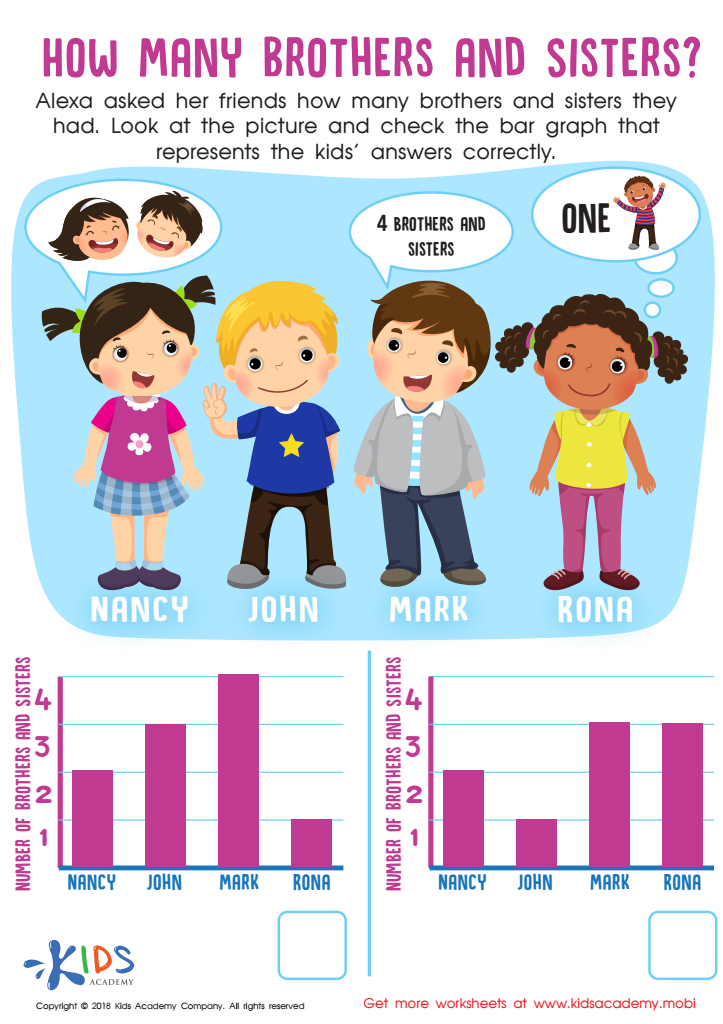
How Many Brothers and Sisters? Worksheet
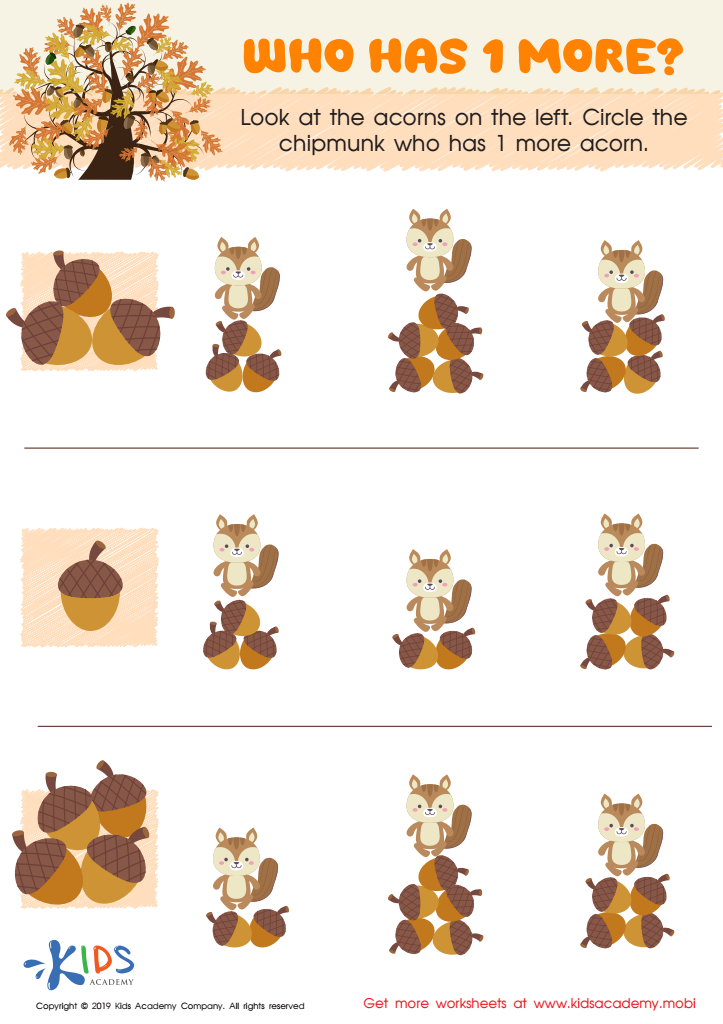
Who Has 1 More? Worksheet
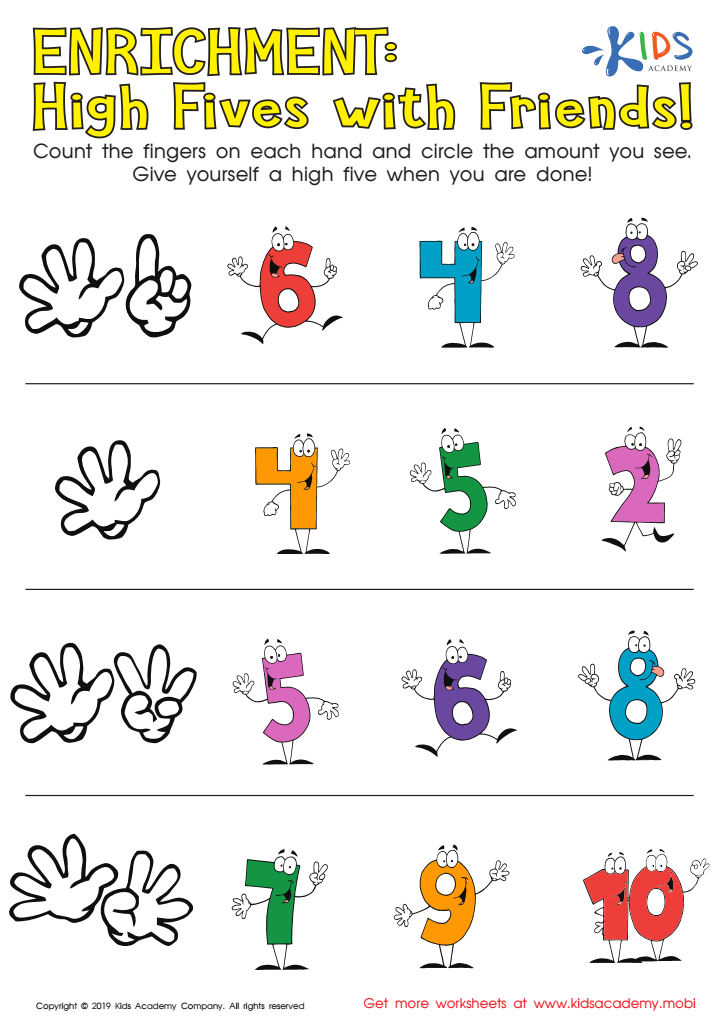
Enrichment: High Fives with Friends! Worksheet
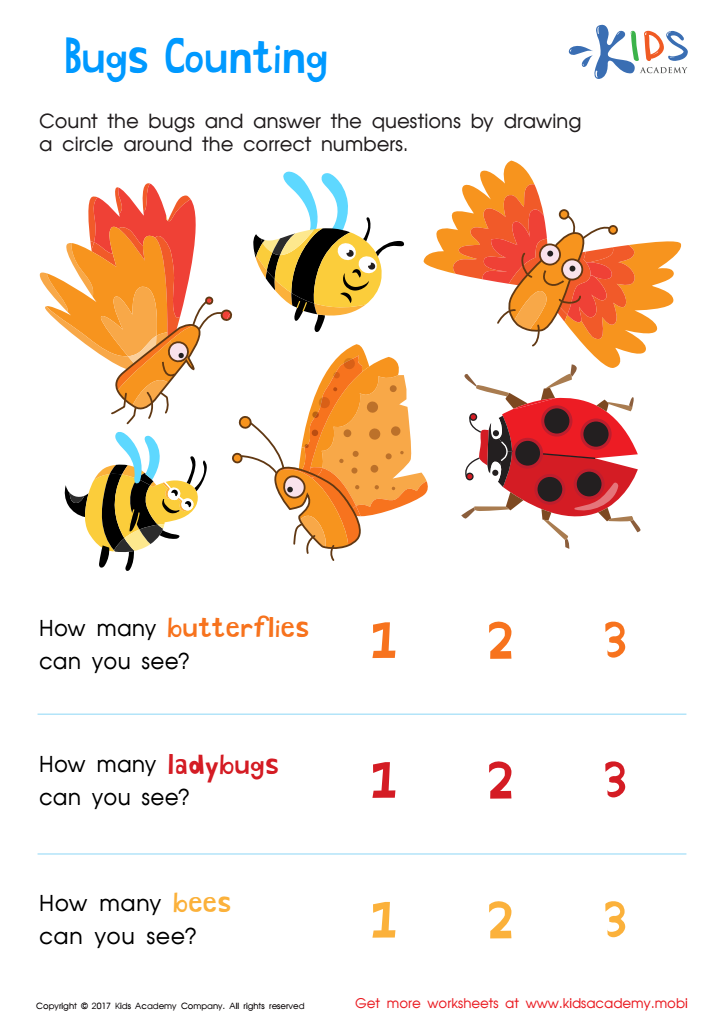
Bugs Counting Worksheet
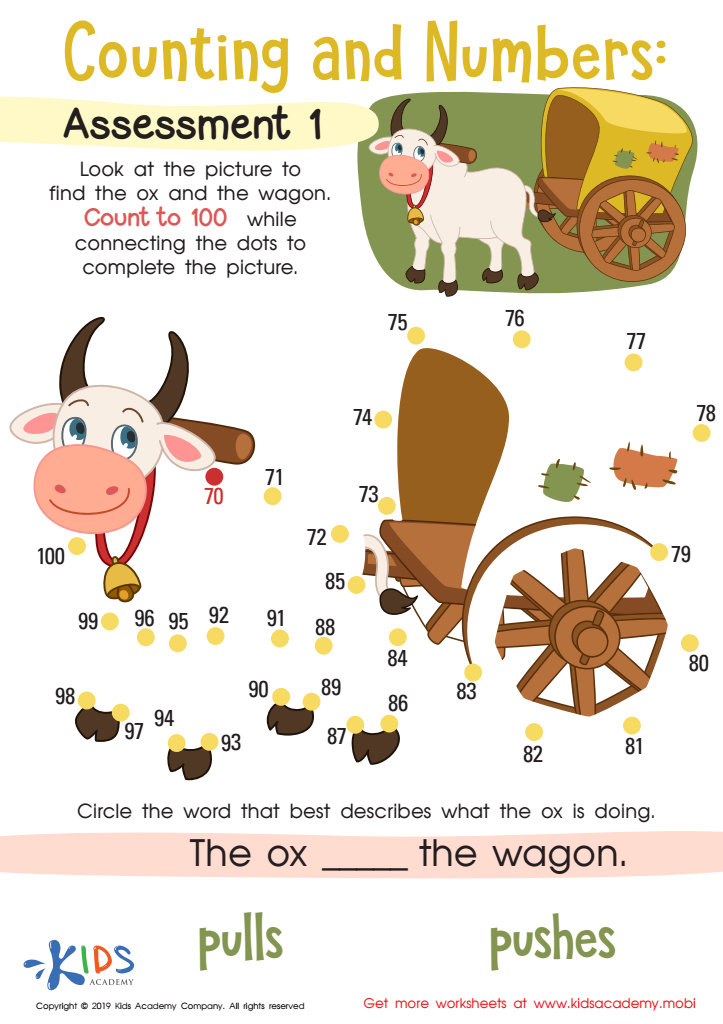
Counting and Numbers: Assessment 1 Worksheet
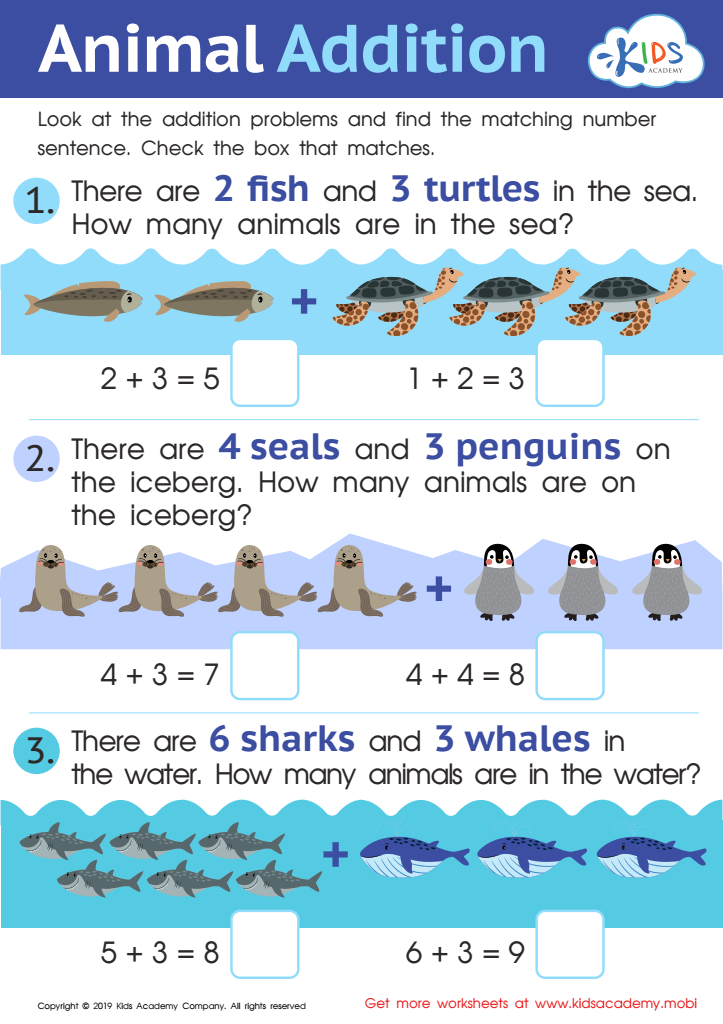
Animal Addition Worksheet
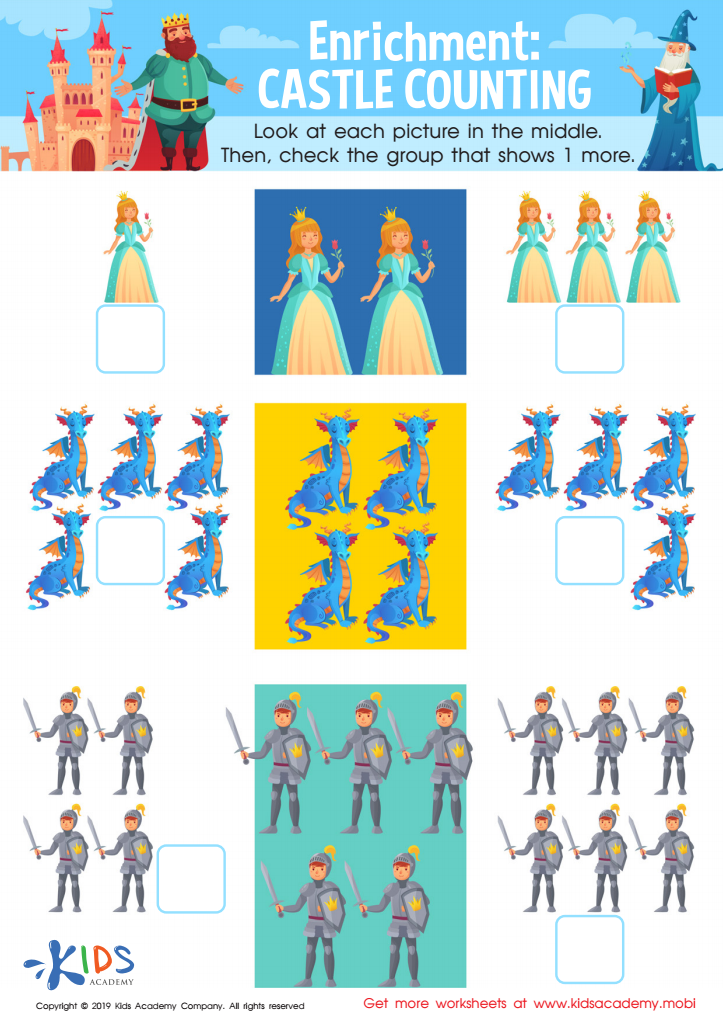
Enrichment: Castle Counting Worksheet
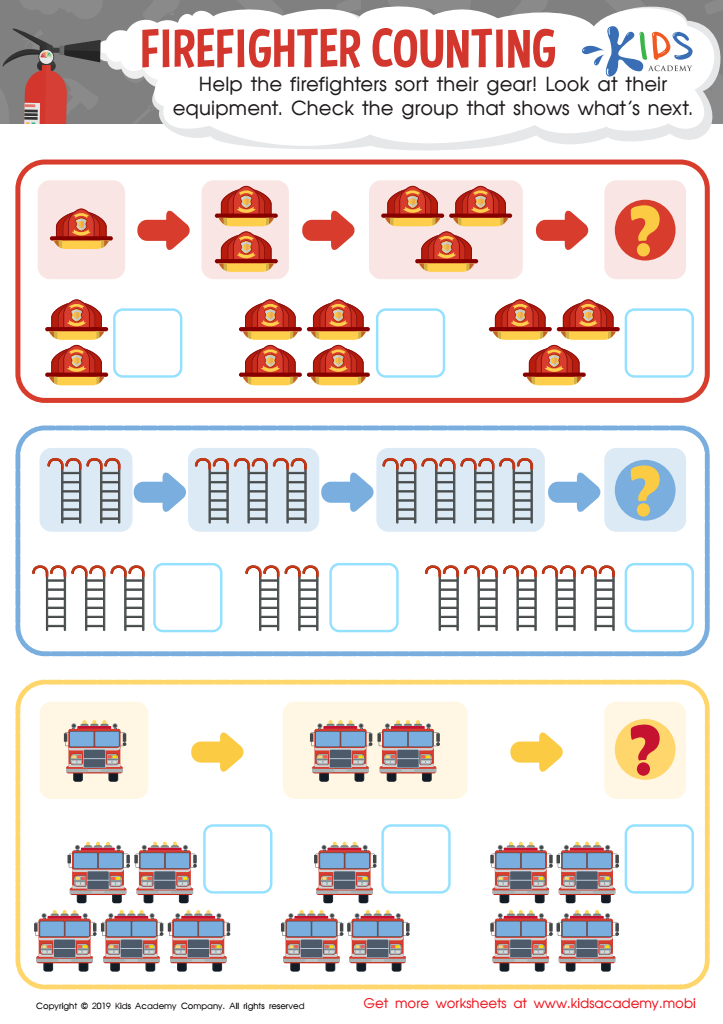
Firefighter Counting Worksheet
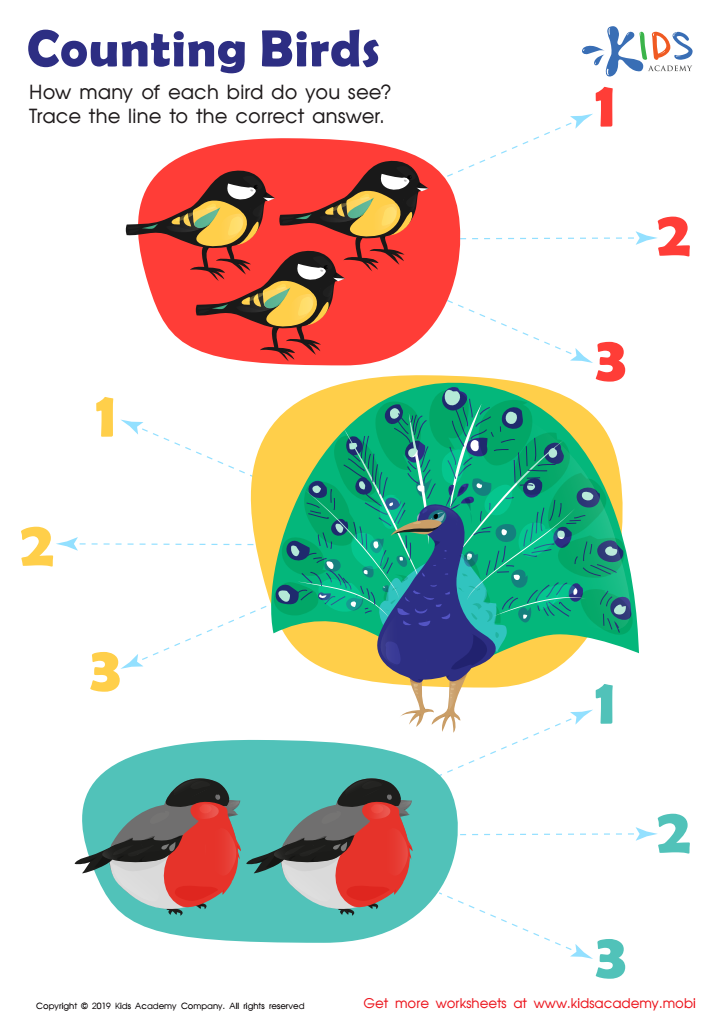
Counting Birds Worksheet


.jpg)





Basic addition skills are foundational to young children's cognitive and academic development. Teaching children aged 4-8 basic addition not only equips them with essential math skills but also enhances their problem-solving abilities and logical thinking. During these formative years, children are like sponges eagerly absorbing information. By introducing basic addition in a fun and engaging manner, parents and teachers can cultivate a positive attitude toward math, setting the stage for lifelong learning.
Moreover, mastering basic addition supports children's readiness for more complex mathematical concepts later on. It helps build confidence, as children begin to solve problems independently and experience a sense of accomplishment. Early exposure to addition also improves fine motor skills through hands-on activities, such as using counters or drawing objects to count.
As children develop these skills, they also enhance their social skills by engaging in collaborative activities and games. Creating a supportive learning environment at home and in classrooms encourages discussion and interaction, reinforcing their understanding of numbers. Ultimately, prioritizing basic addition for children aged 4-8 lays the groundwork for future academic success and instills a love for learning, which is crucial for their overall development.








