Fine Motor Skills Easy Worksheets for Ages 4-8 - Page 4
82 filtered results
-
From - To
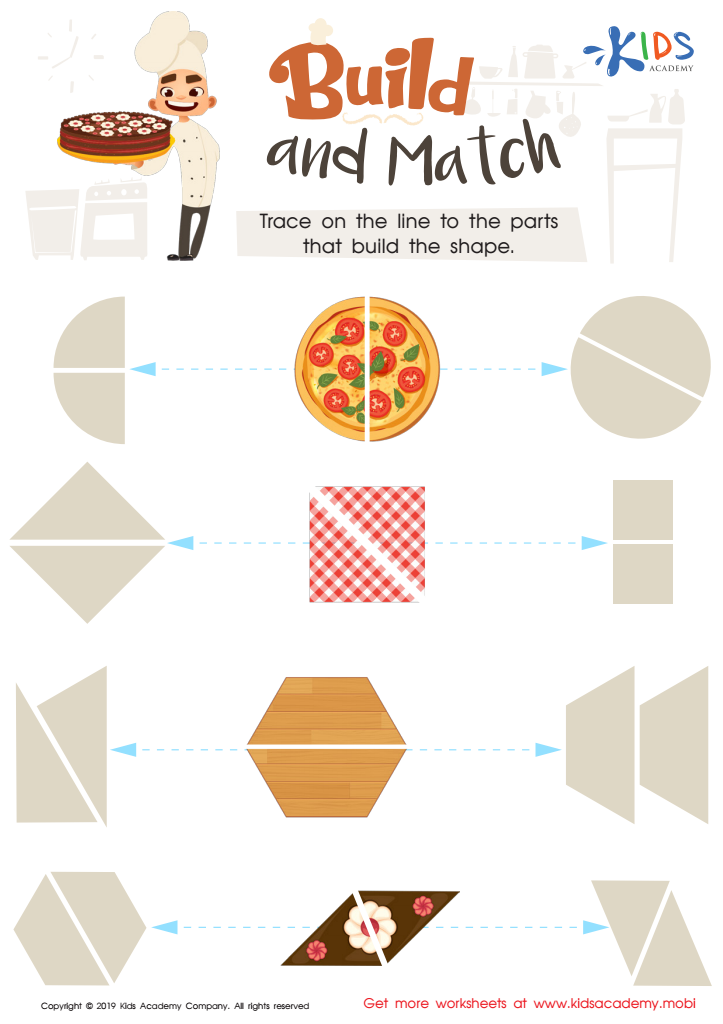
Build and Match Worksheet
 Assign to My Students
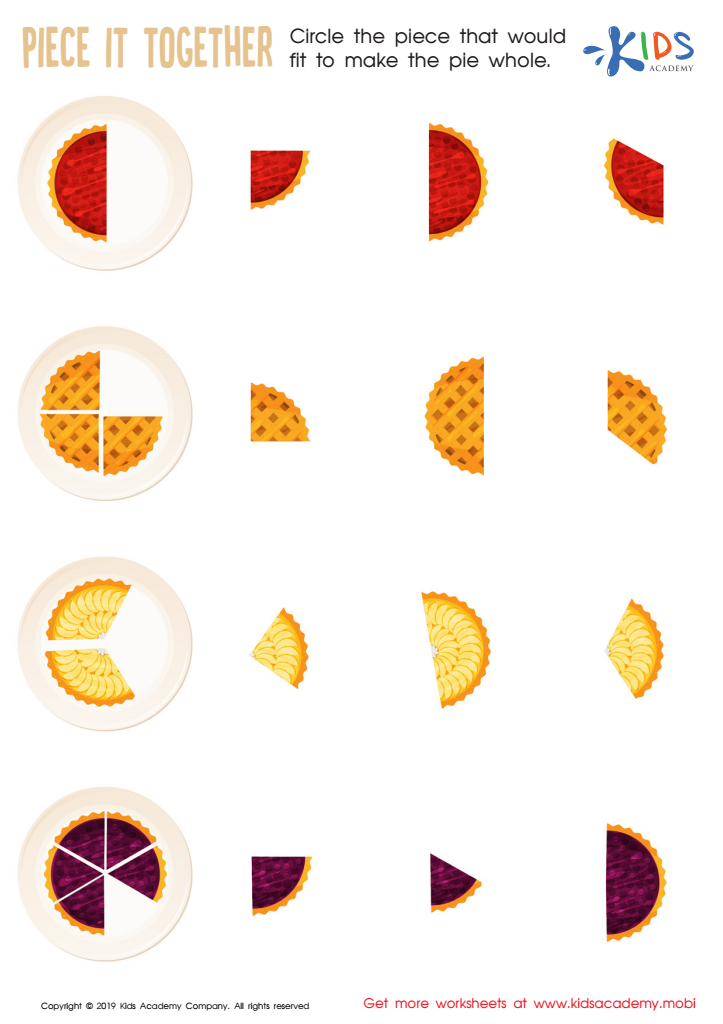
Piece it together Worksheet
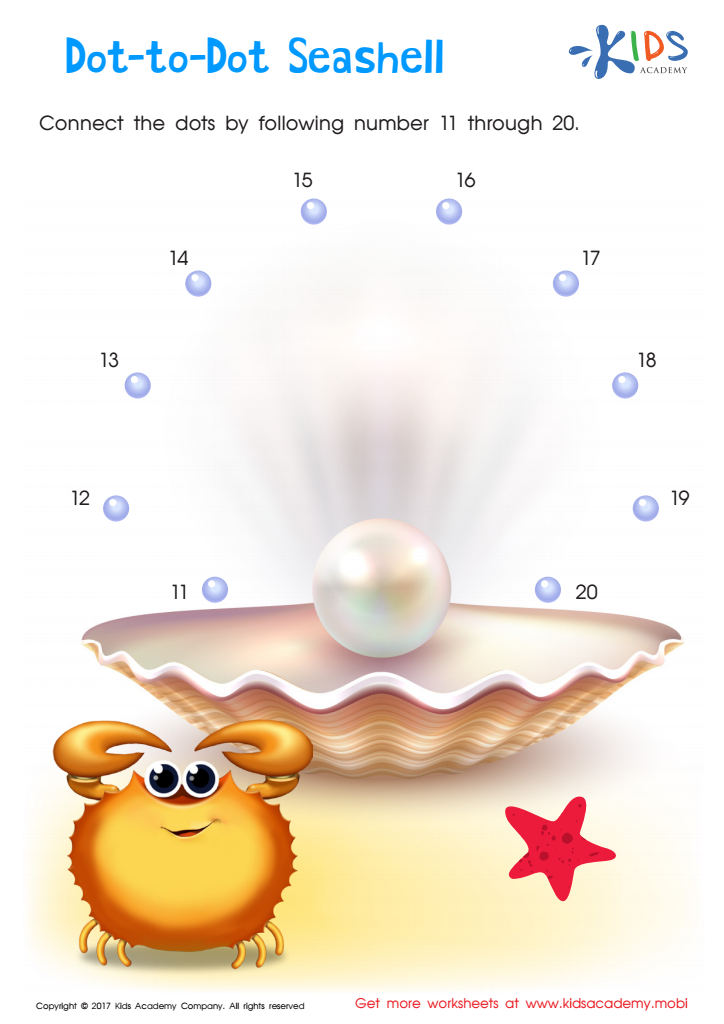
Ordering 11–20: Dot–to–dot Seashell Printable
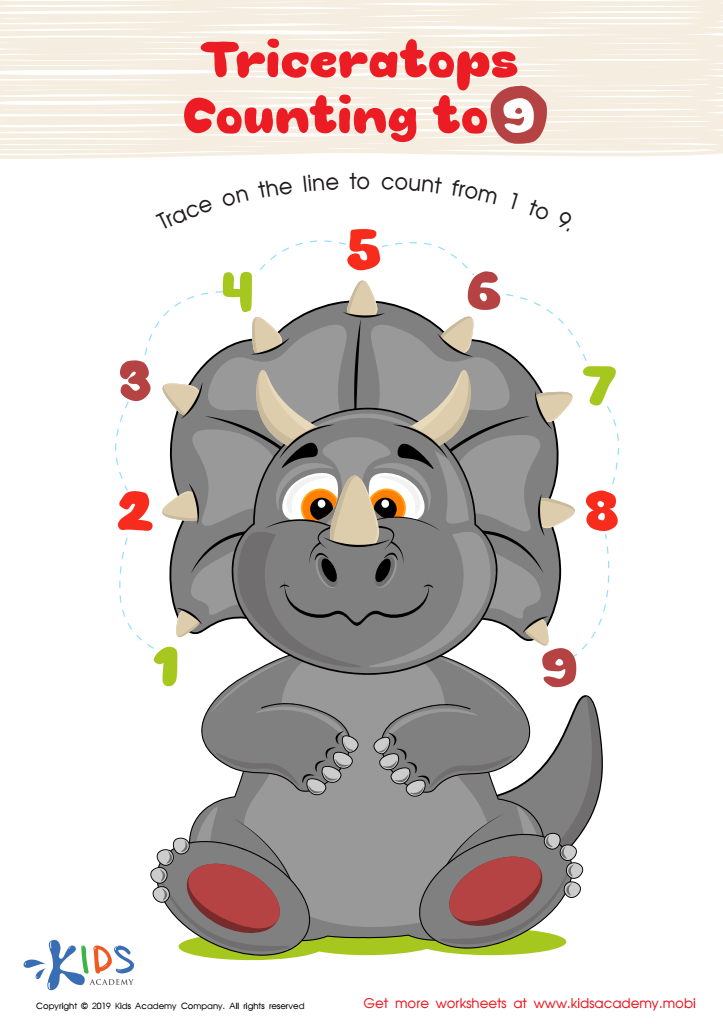
Triceratops Counting to 9 Worksheet

Counting on the City Skyline: Dot-to-Dot Worksheet
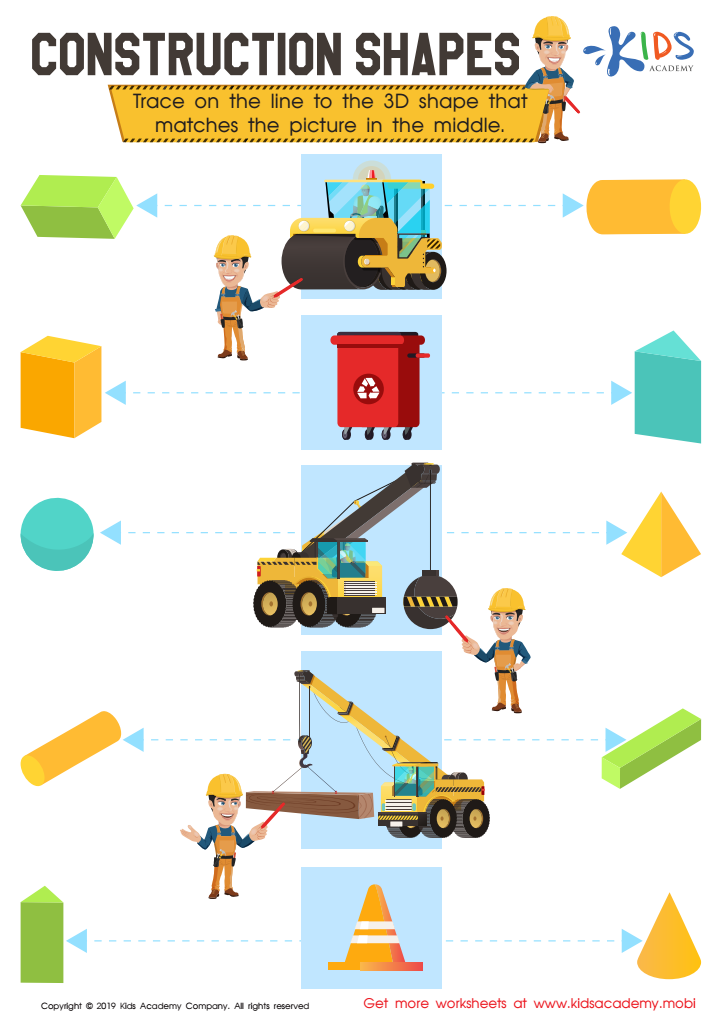
Construction Shapes Worksheet
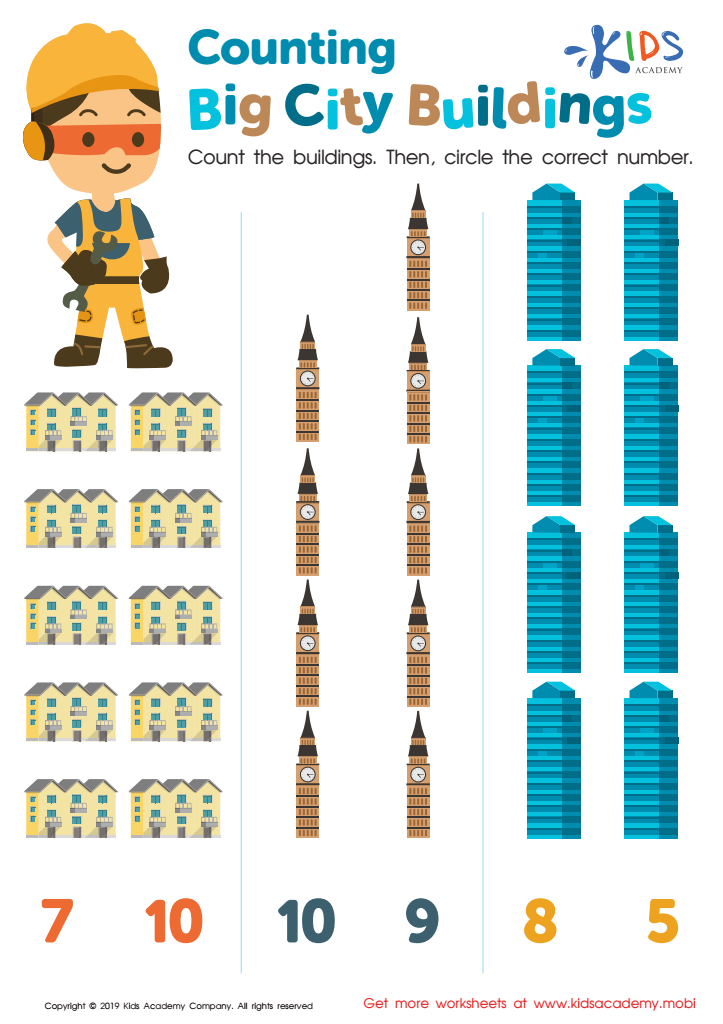
Counting Big City Buildings Worksheet

Night Sky Numbers Worksheet








Fine motor skills are crucial for children aged 4-8 as they lay the foundation for various daily activities and learning experiences. These skills, which involve the use of small muscles in the hands and fingers, affect a child's ability to perform tasks like writing, cutting with scissors, tying shoelaces, and buttoning clothing. Developing fine motor skills enhances a child's confidence and independence, allowing them to engage more fully in both academic and play-based activities.
Furthermore, fine motor skills play a significant role in cognitive development. Activities that strengthen these skills, such as drawing, painting, or building with blocks, also foster creativity, problem-solving abilities, and hand-eye coordination. When parents and teachers prioritize fine motor skill development, they promote a child’s readiness for school tasks and activities that require precision and control.
Additionally, strong fine motor skills can impact a child’s social interactions, as they are more likely to participate in group activities, arts and crafts, or sports with confidence. Supporting children in developing these skills ultimately nurtures their overall growth, learning, and self-esteem, making it integral for parents and teachers to focus on fine motor skills in this critical developmental stage.








