Number Sequencing Easy Worksheets for Ages 4-8
6 filtered results
-
From - To
Discover our engaging "Number Sequencing Easy Worksheets" designed for children aged 4-8! These worksheets help young learners develop essential math skills by fostering number recognition and sequencing abilities through fun and interactive exercises. With a variety of colorful illustrations and age-appropriate challenges, kids will enjoy practicing their counting skills while enhancing their understanding of number order. Perfect for home or classroom use, these worksheets encourage independent learning and build confidence in early math concepts. Explore our collection today to support your child’s educational journey and make learning numbers an enjoyable experience! Tailored learning for every little mathematician awaits!
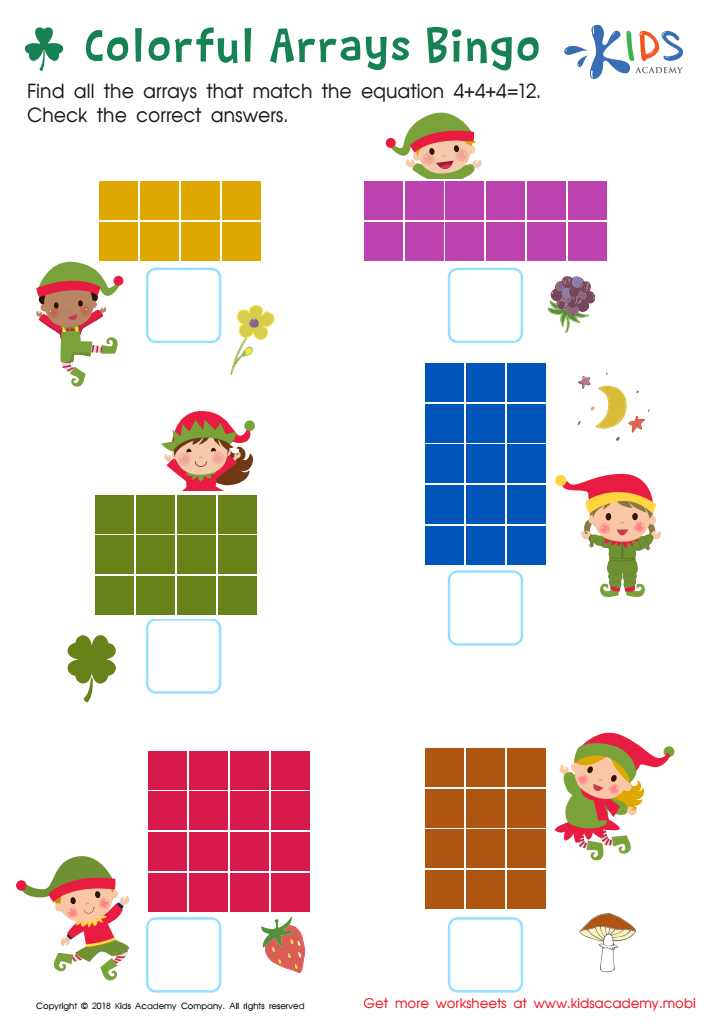
Colorful Arrays Bingo Worksheet
 Assign to My Students
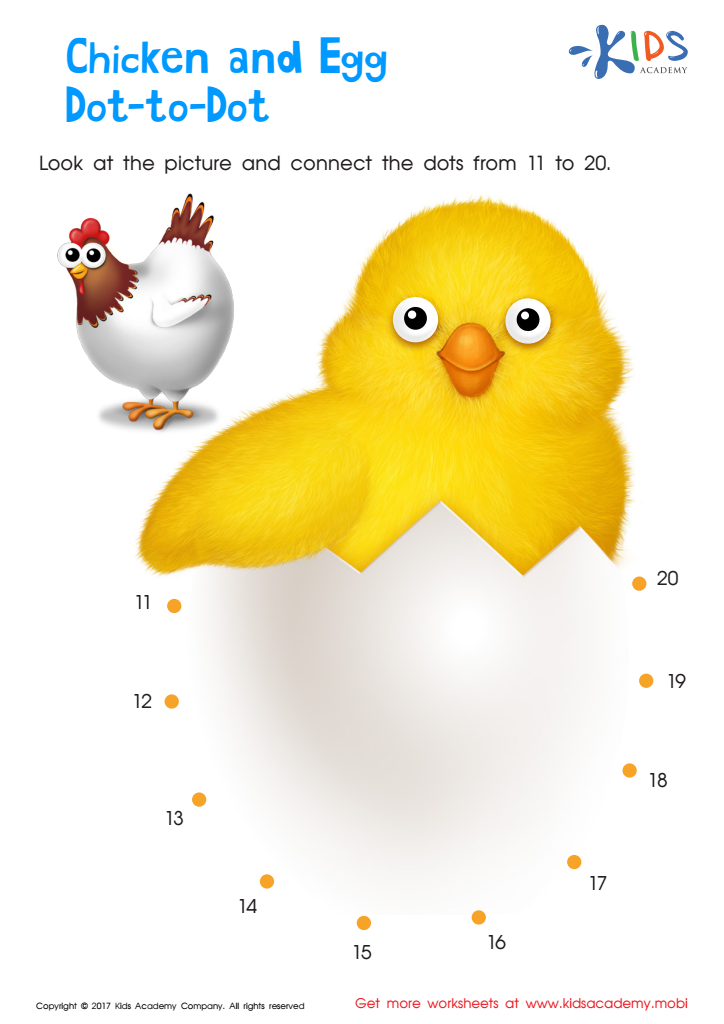
Ordering 11–20: Chicken & Egg Dot–to–dot Worksheet
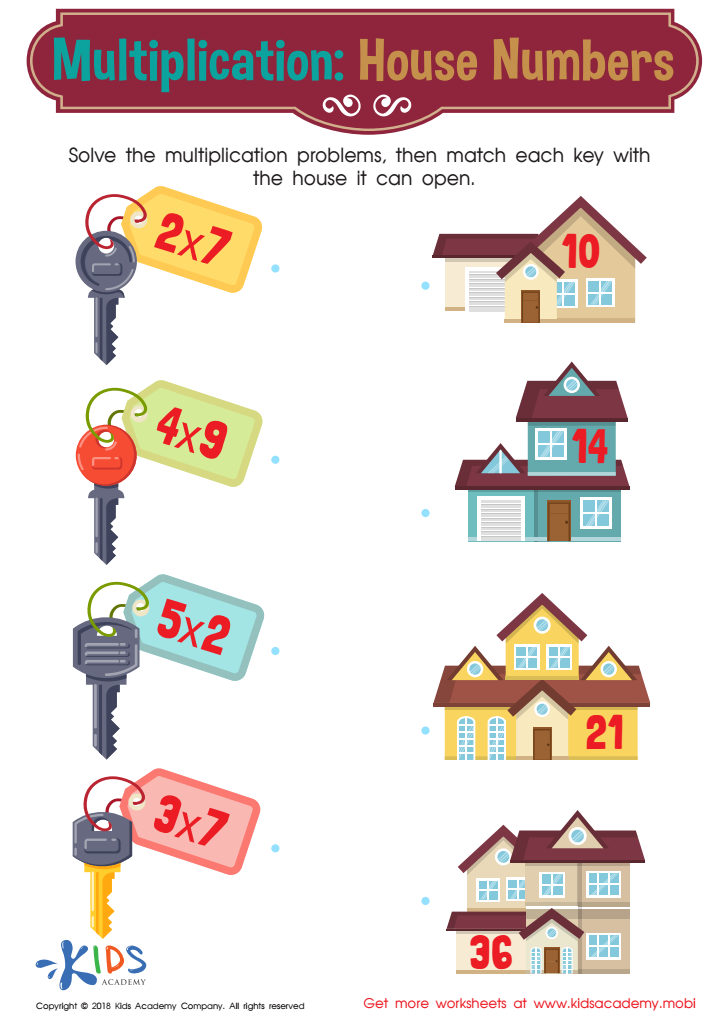
House Numbers Worksheet
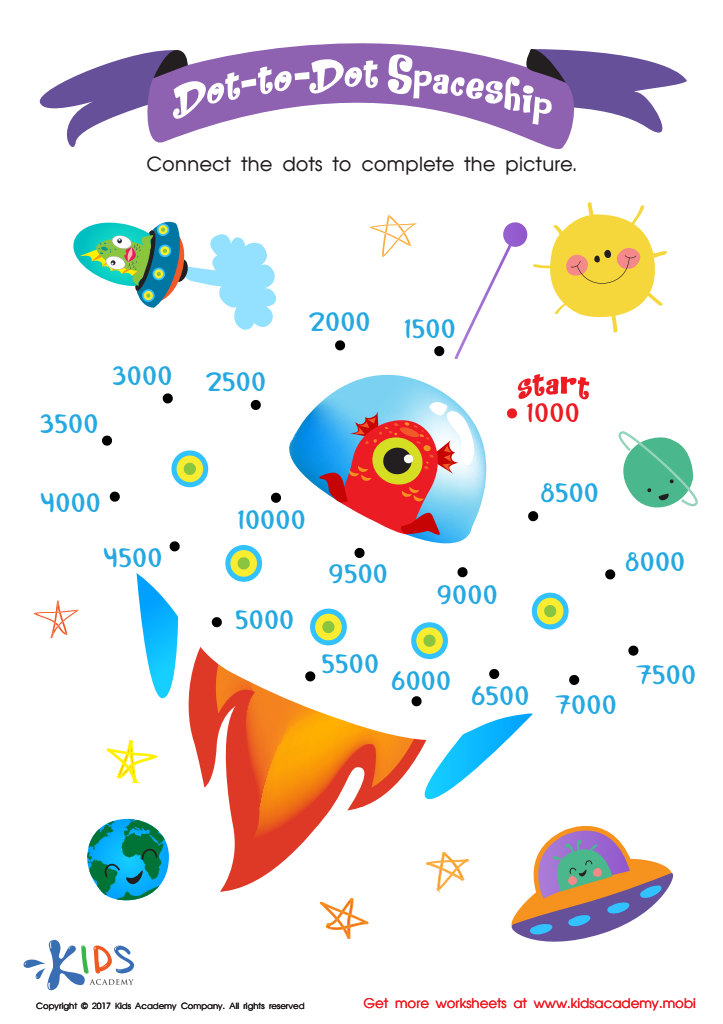
Dot to Dot Worksheet for 3rd Grade
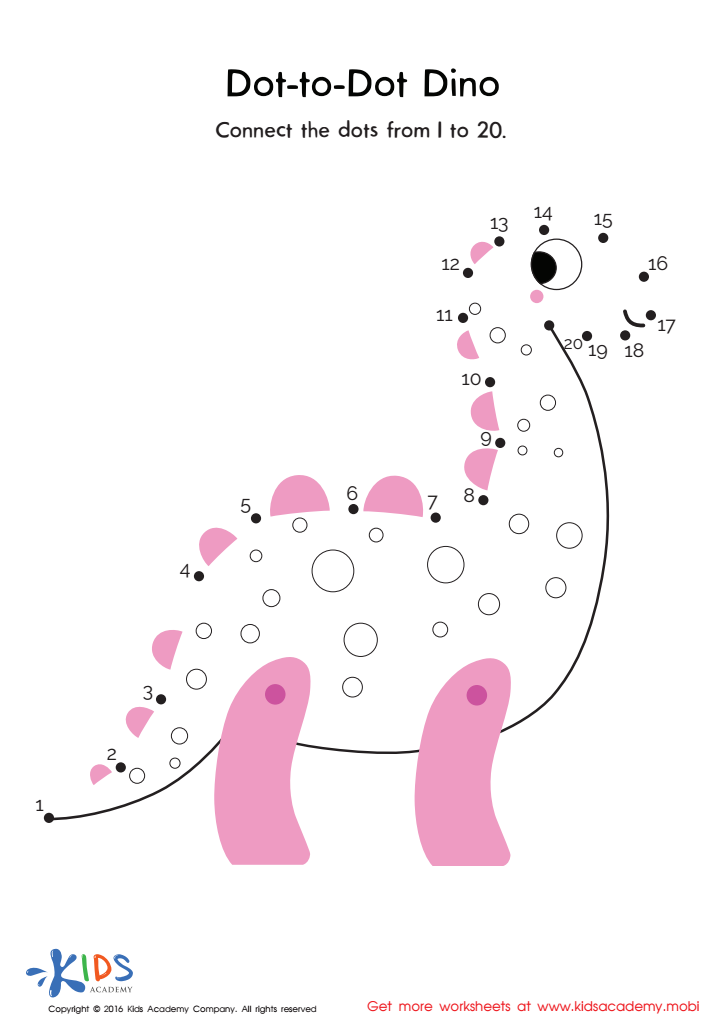
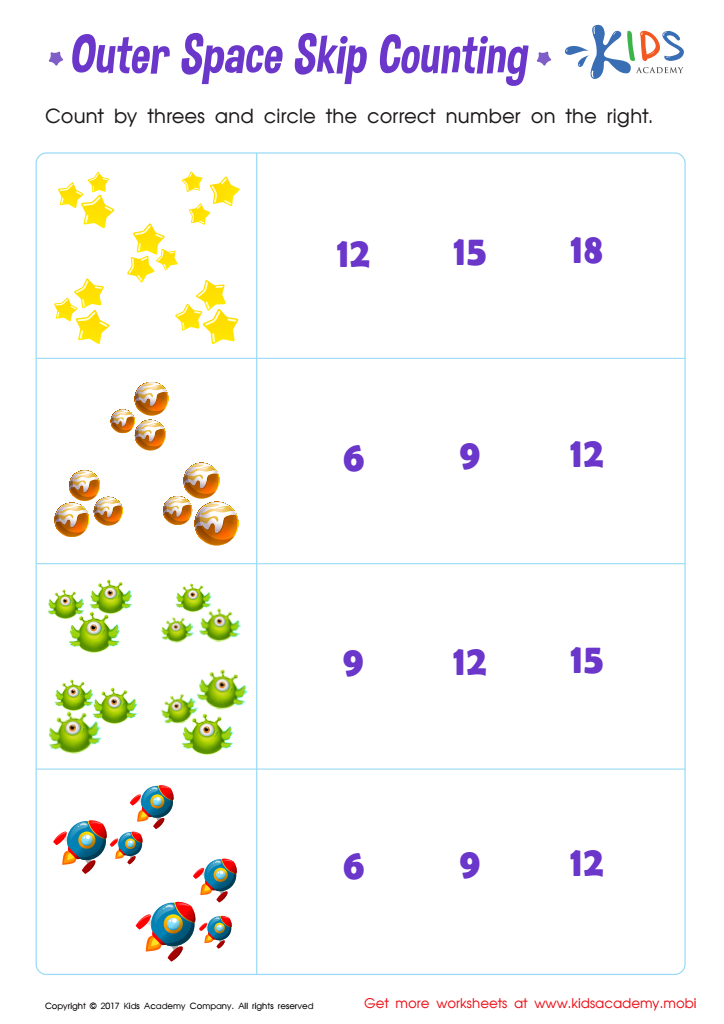
Skip Counting by 3s: Outer Space Skip Counting Printable








Number sequencing is a foundational math skill critical for children aged 4-8, as it fosters essential cognitive development. For parents and teachers, understanding and supporting this concept is vital because it lays the groundwork for future math learning and reasoning abilities.
At this age, children are developing their number sense, which is crucial for academic success. Number sequencing helps them recognize patterns, understand the order of numbers, and perform basic counting, which are all essential skills for later mathematical operations like addition and subtraction. As children practice sequencing, they learn logical thinking, which is applicable across various subjects, not just math.
Moreover, engaging with number sequencing activities can make learning fun and interactive. This encourages children to solve problems independently while boosting their confidence. It also allows parents and teachers to bond with children by participating in playful educational activities at home or in the classroom.
Ultimately, by emphasizing number sequencing, parents and teachers help children build a solid mathematical foundation, enhancing their overall learning and problem-solving capabilities that will benefit them throughout their education and beyond. Investing time in these early skills leads to increased proficiency in math and fosters a positive attitude towards learning.








