Addition Practice Easy Math Worksheets for Ages 4-8 - Page 2
27 filtered results
-
From - To
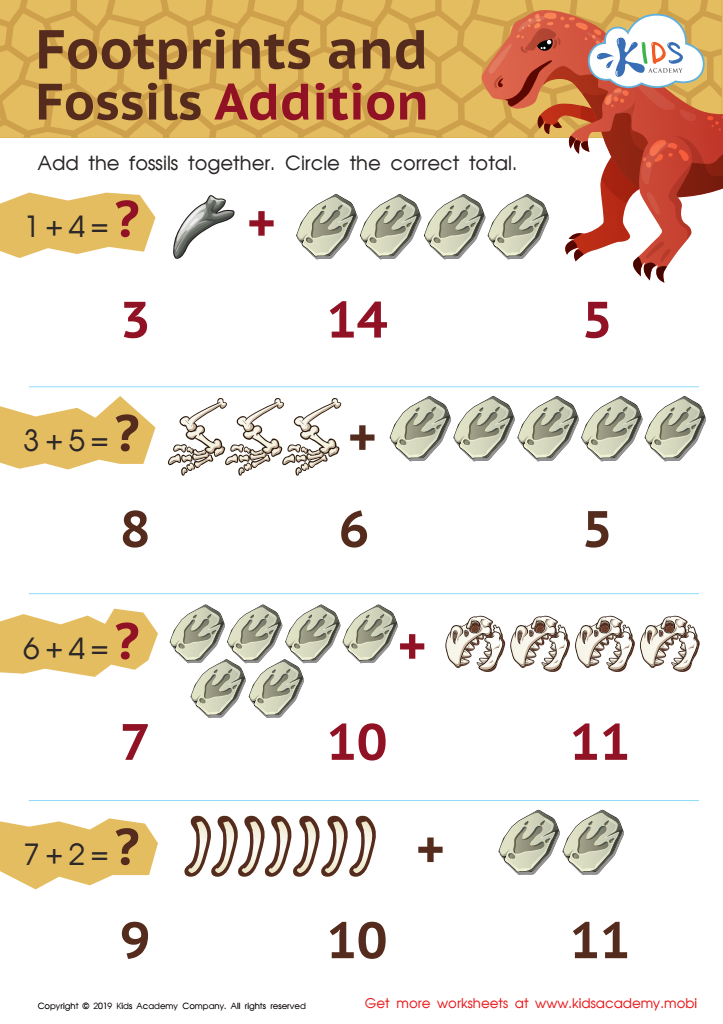
Footprints and Fossils Addition Worksheet
 Assign to My Students
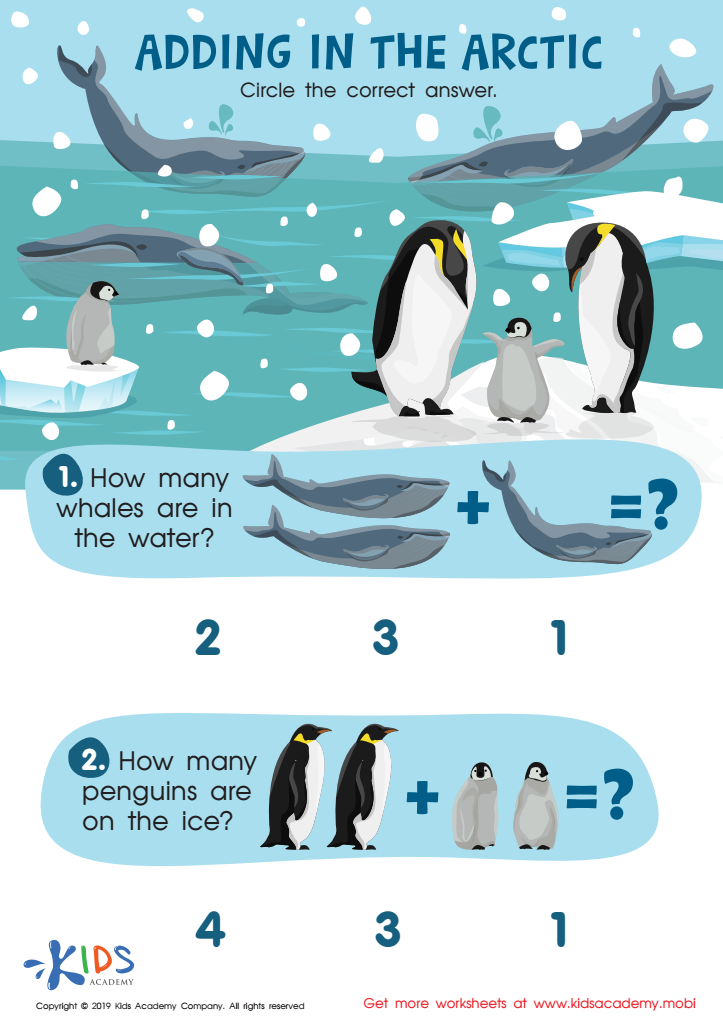
Adding in the Arctic Worksheet
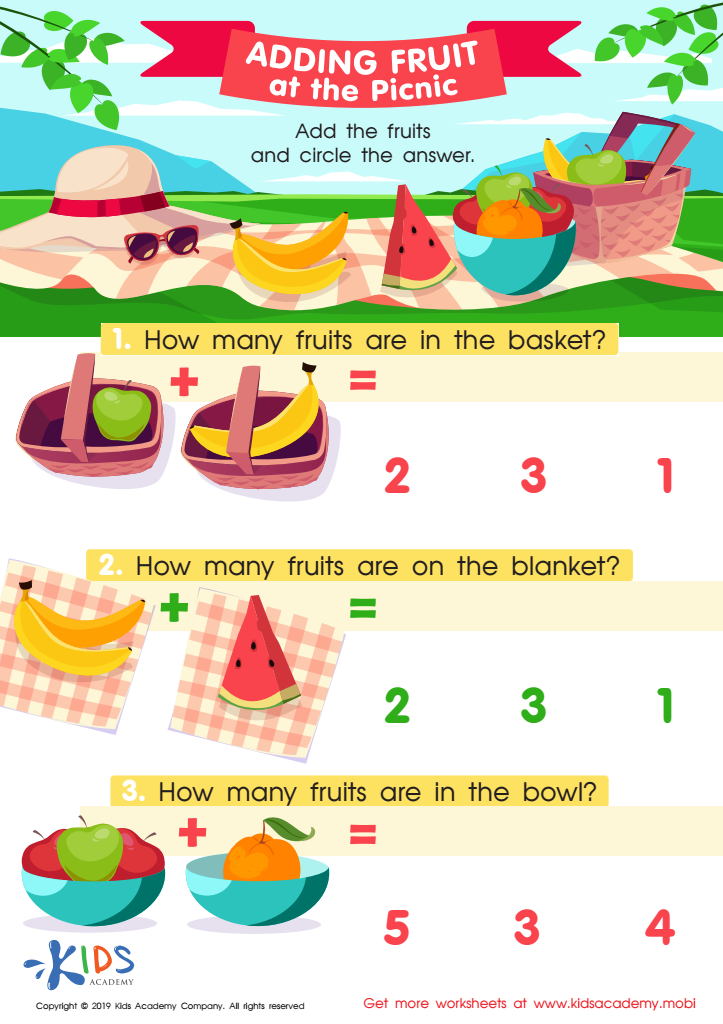
Adding Fruit at the Picnic Worksheet


%20(1).jpg)





Parents and teachers should care about addition practice for children aged 4-8 because this stage sets the foundation for their mathematical understanding and overall cognitive development. Learning addition helps young children develop number sense, which is crucial for comprehending more advanced math concepts later on. At this age, children are highly receptive to learning new skills, and practicing addition can enhance their problem-solving abilities, logical thinking, and working memory.
Consistent addition practice fosters confidence in young learners, making them more likely to approach math with a positive attitude. It also helps children understand relationships between numbers, recognize patterns, and develop strategies for tackling various mathematical challenges. Additionally, integrating addition into everyday activities can make learning enjoyable and show children how math is relevant to their daily lives.
For teachers, structured addition practice improves classroom performance, enabling students to follow along with more complex lessons. For parents, supporting addition practice at home can strengthen the parent-child bond and encourage a lifetime love of learning. Overall, ensuring that children master basic addition sets the stage for academic success and a deeper understanding of the world around them.








