Hand-eye Coordination Easy Math Worksheets for Ages 4-8
20 filtered results
-
From - To
Enhance your child's learning experience with our Hand-eye Coordination Easy Math Worksheets, designed specifically for ages 4-8. These engaging worksheets blend fun activities with essential math skills, helping young learners develop coordination while solving problems. Each printable resource combines visual elements and physical challenges to reinforce number recognition, counting, and basic operations. Perfect for both classroom and home use, these worksheets foster essential skills in a playful context, making math enjoyable. Our easy-to-follow designs cater to varying skill levels, ensuring every child becomes more confident in math. Start your child on a path to success with our delightful hand-eye coordination worksheets today!
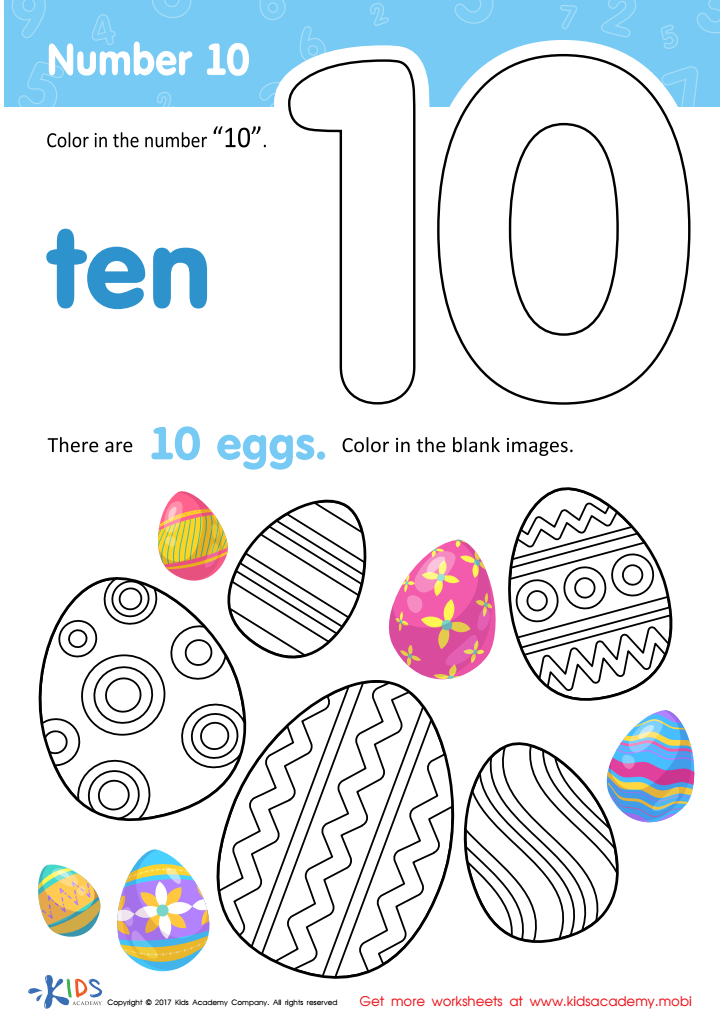
Number 10 Printable
 Assign to My Students
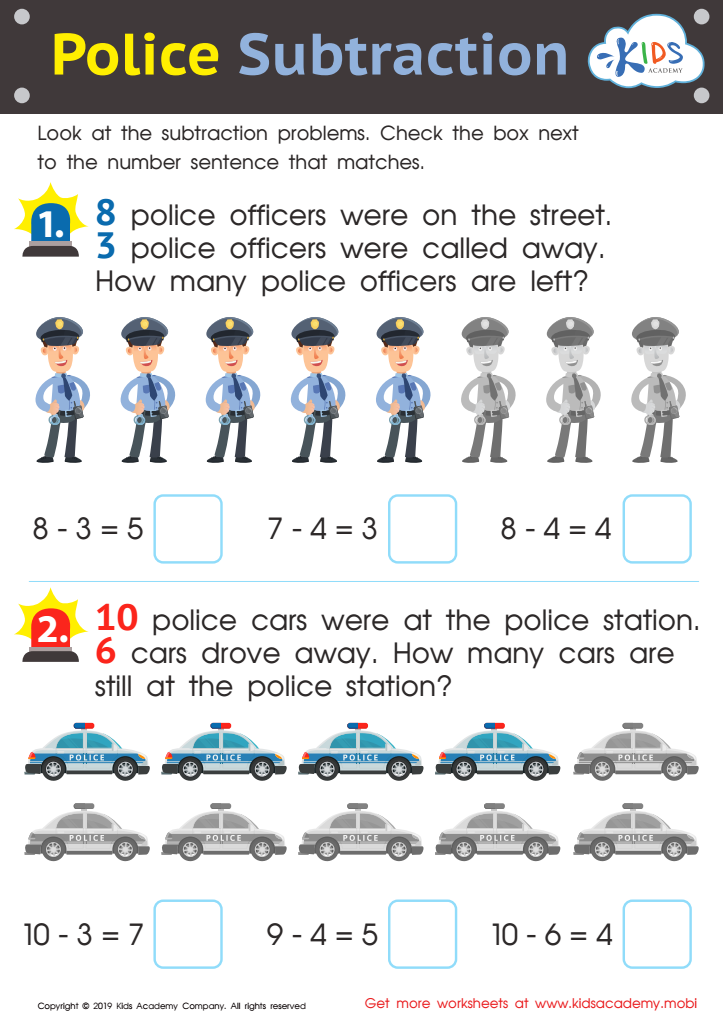
Police Subtraction Worksheet
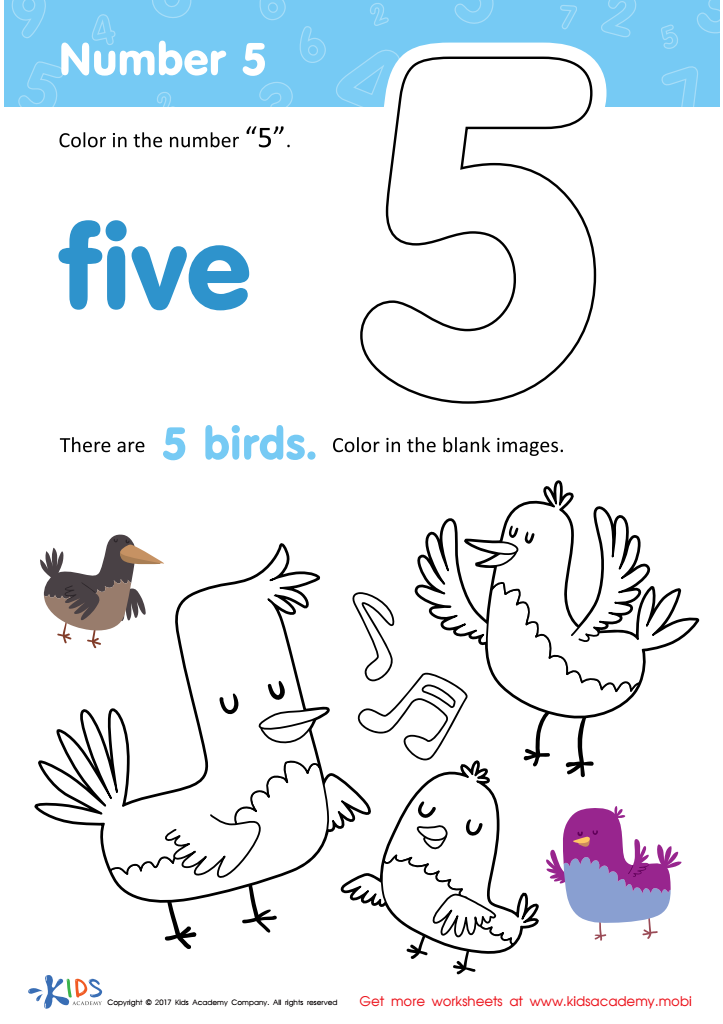
Number 5 Printable
Assign to My Students
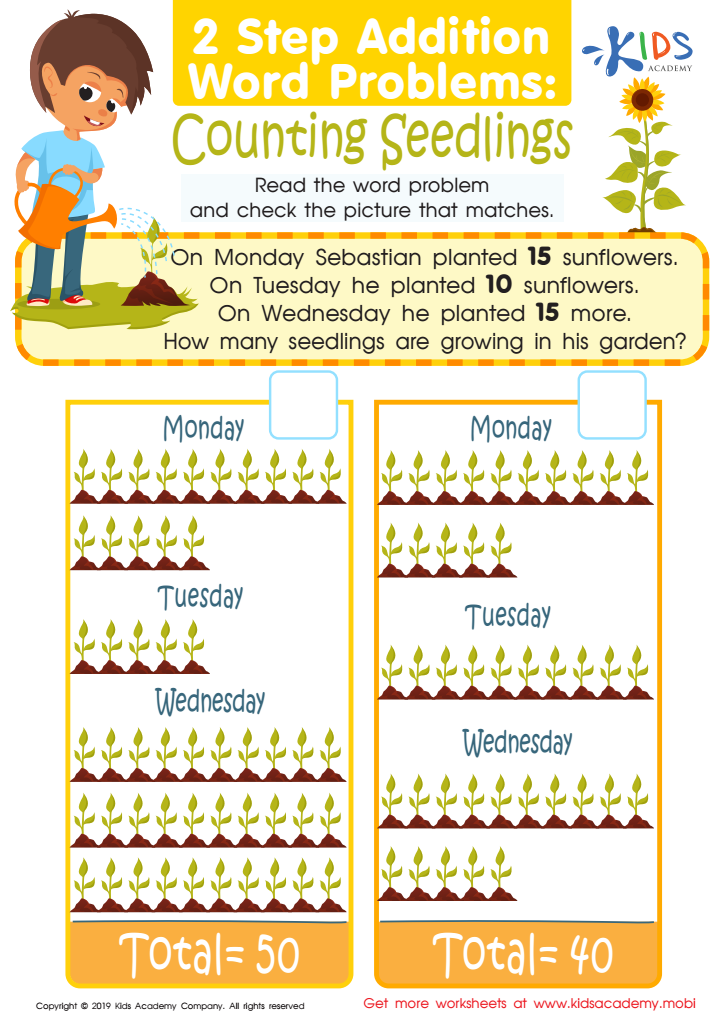
Counting Seedlings Worksheet
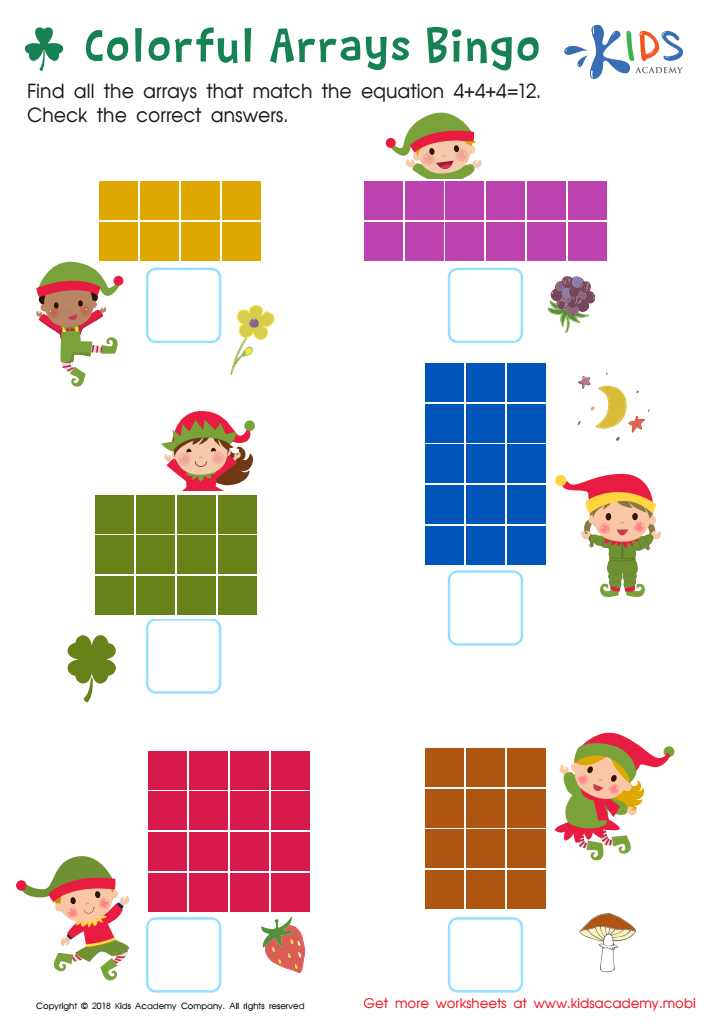
Colorful Arrays Bingo Worksheet
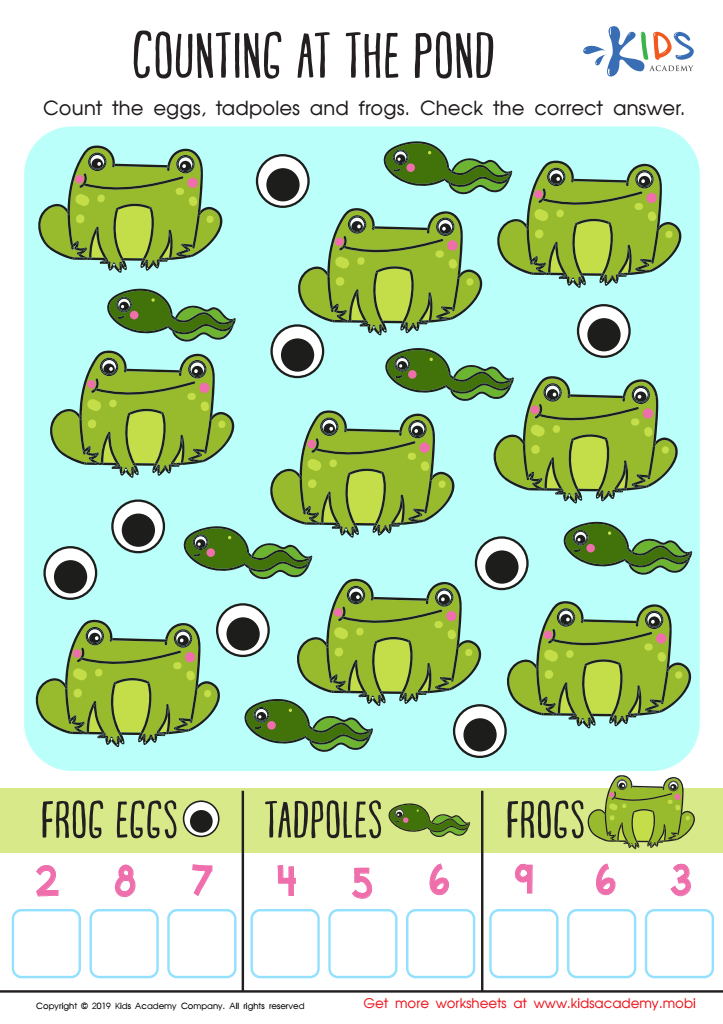
Counting at the Pond Worksheet
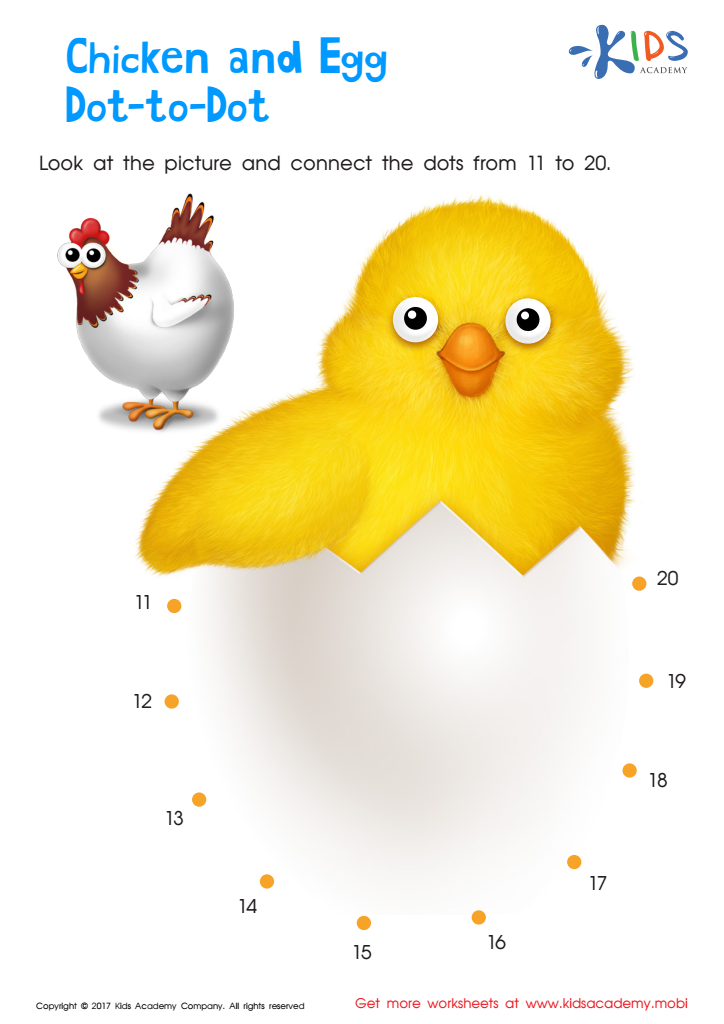
Ordering 11–20: Chicken & Egg Dot–to–dot Worksheet
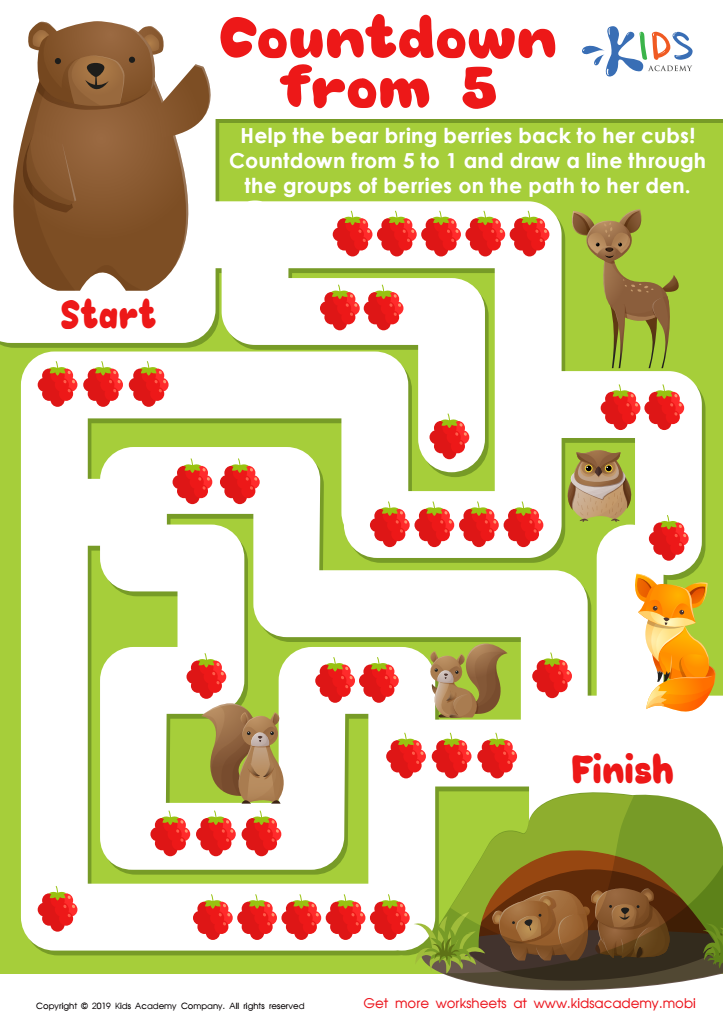
Countdown from 5 Worksheet
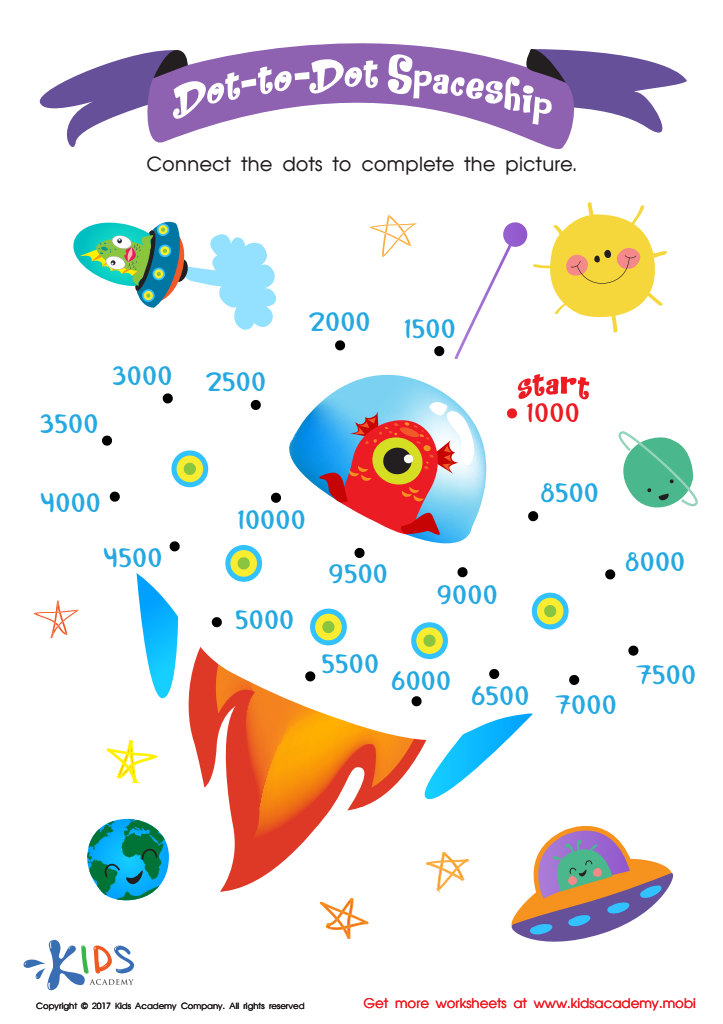
Dot to Dot Worksheet for 3rd Grade
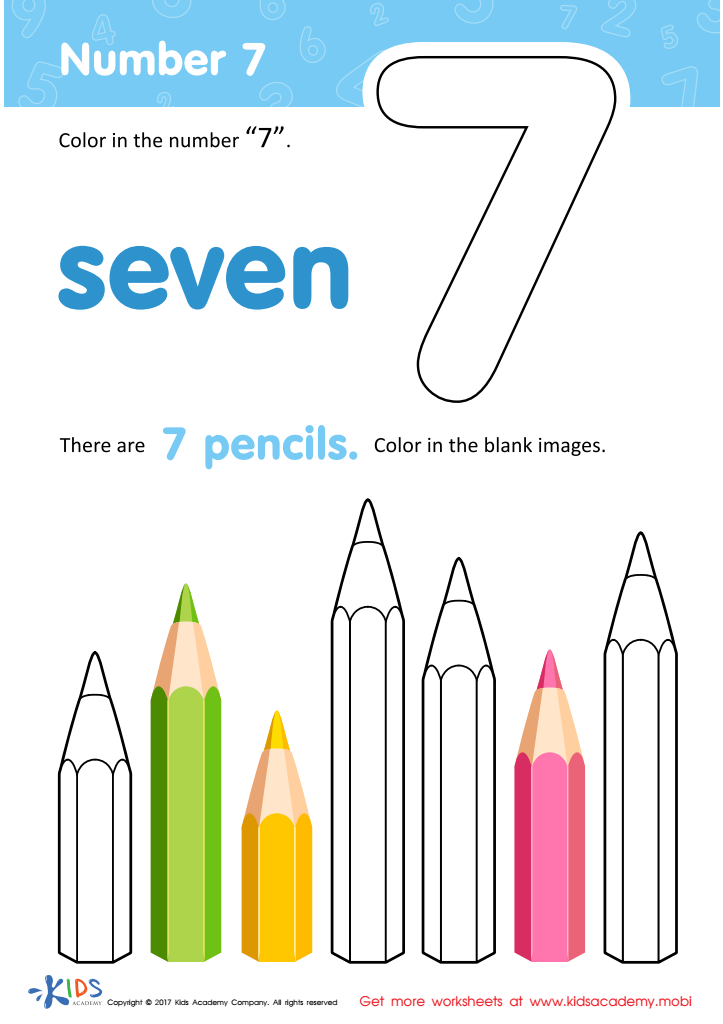
Number 7 Worksheet
Assign to My Students
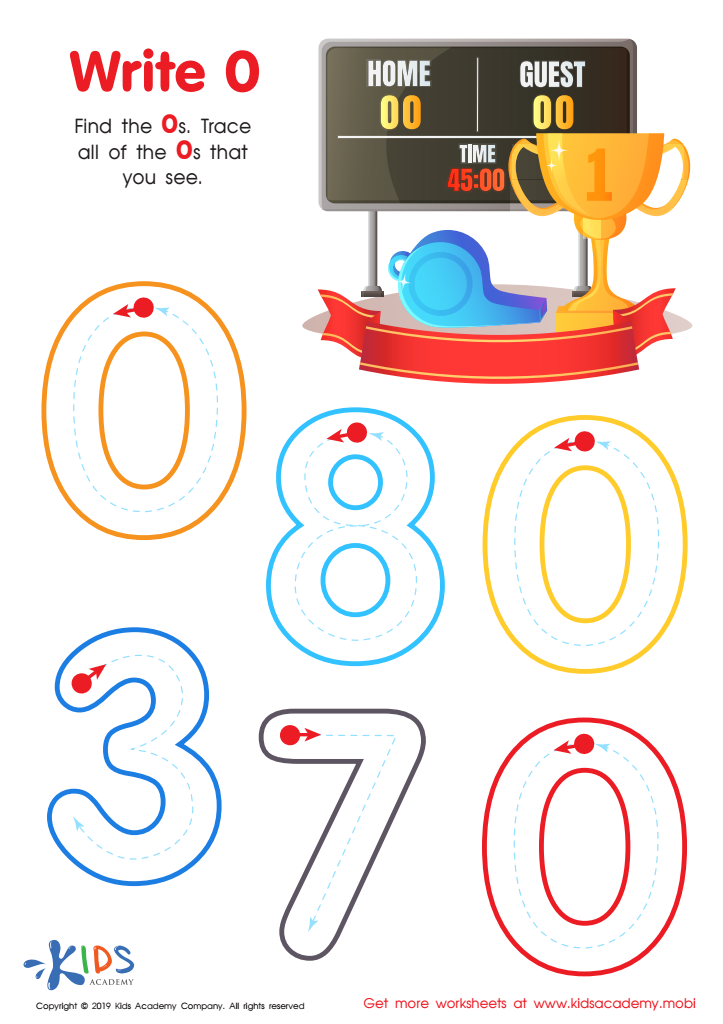
Write 0 Worksheet
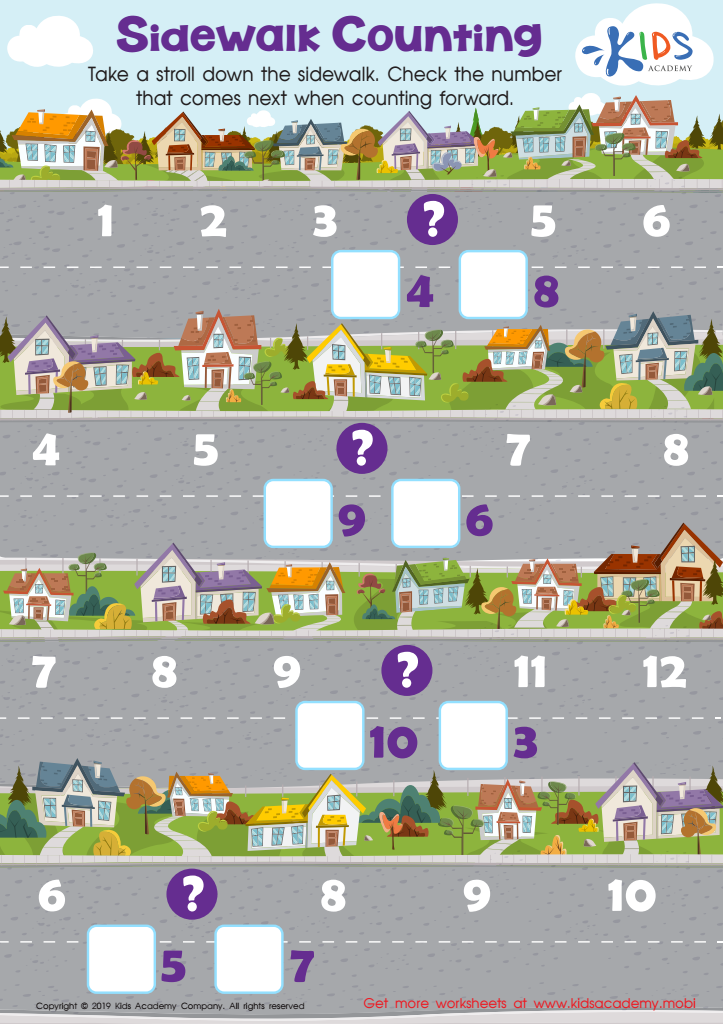
Sidewalk Counting Worksheet
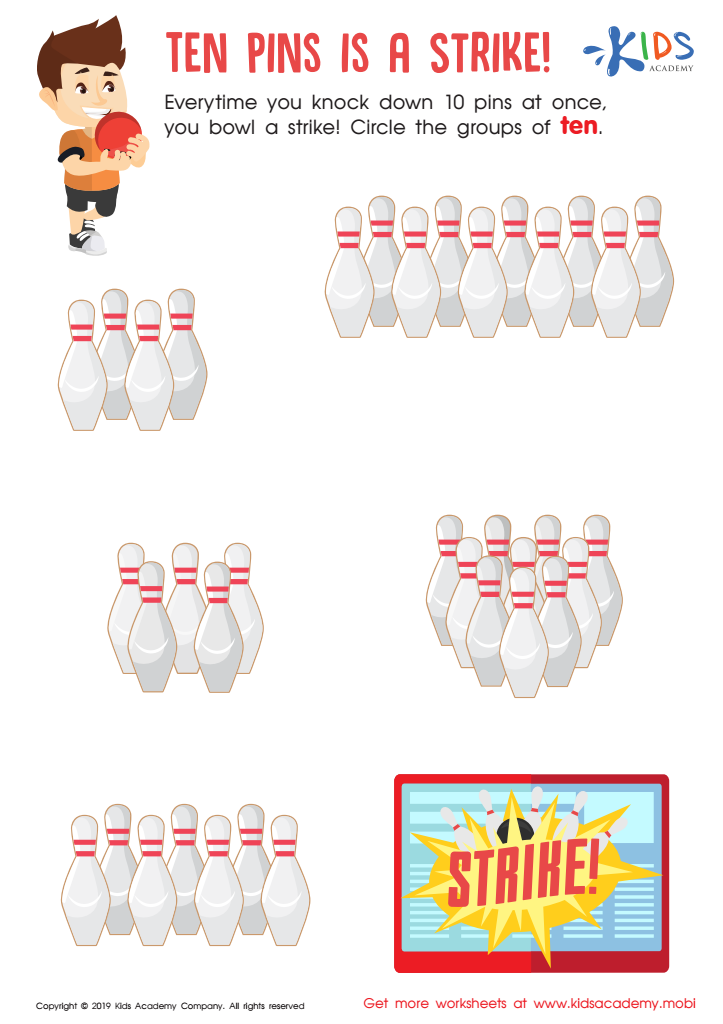
Ten Pins is a Strike Worksheet
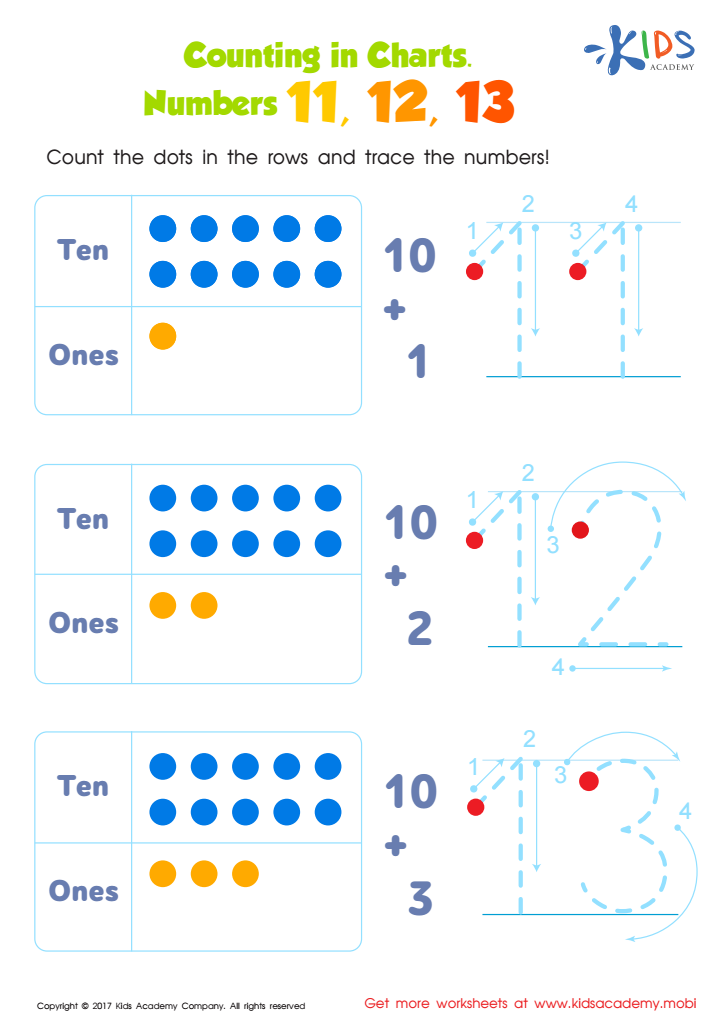
Number Tracing Worksheet For Kindergarten
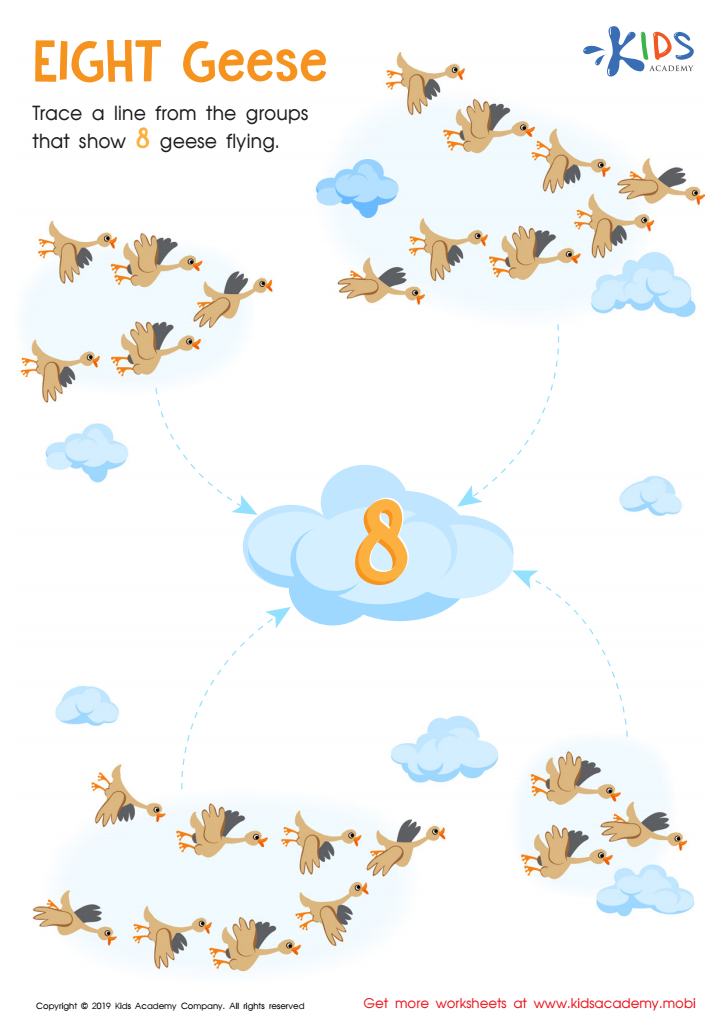
Eight Geese Worksheet
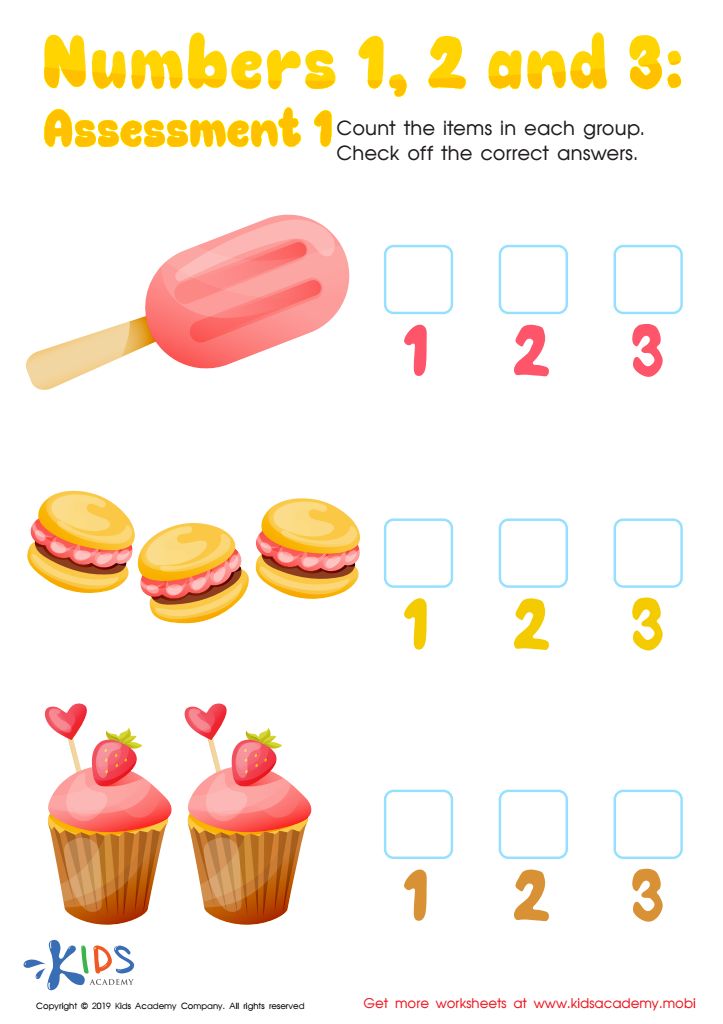
Numbers 1, 2 and 3: Assessment 1 Worksheet
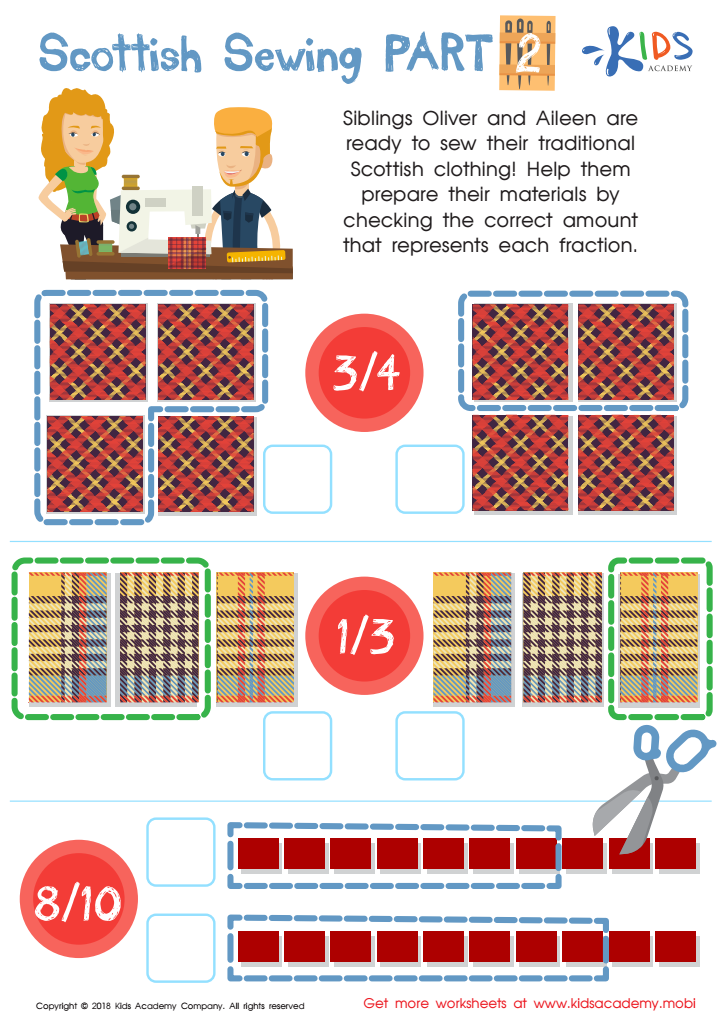
Scottish Sewing Part 2 Worksheet
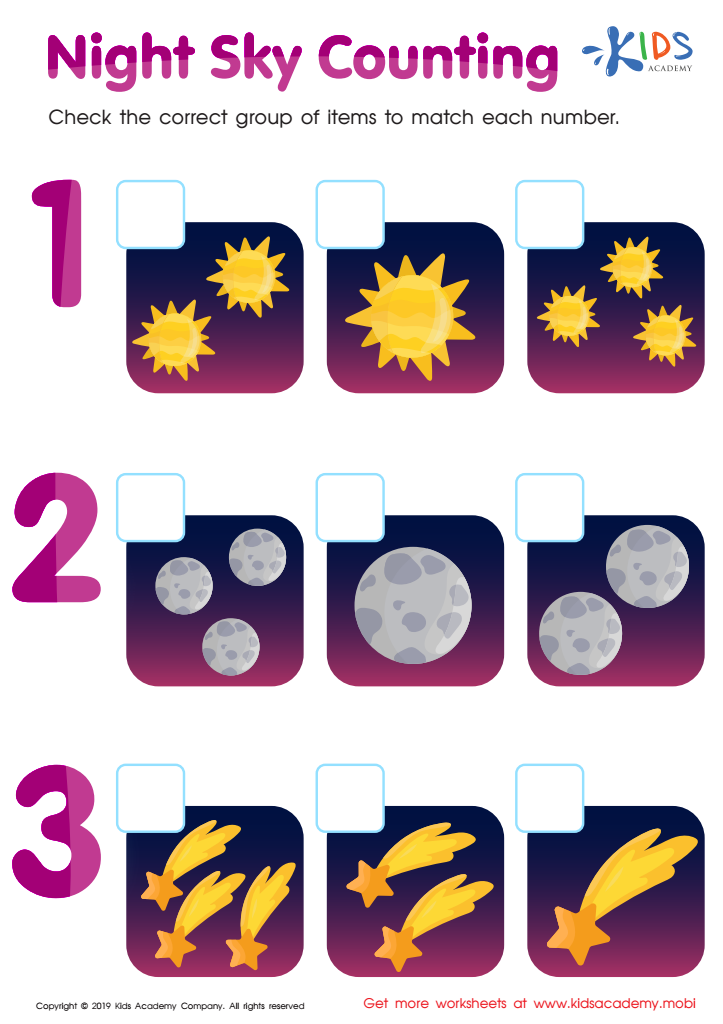
Night Sky Counting Worksheet
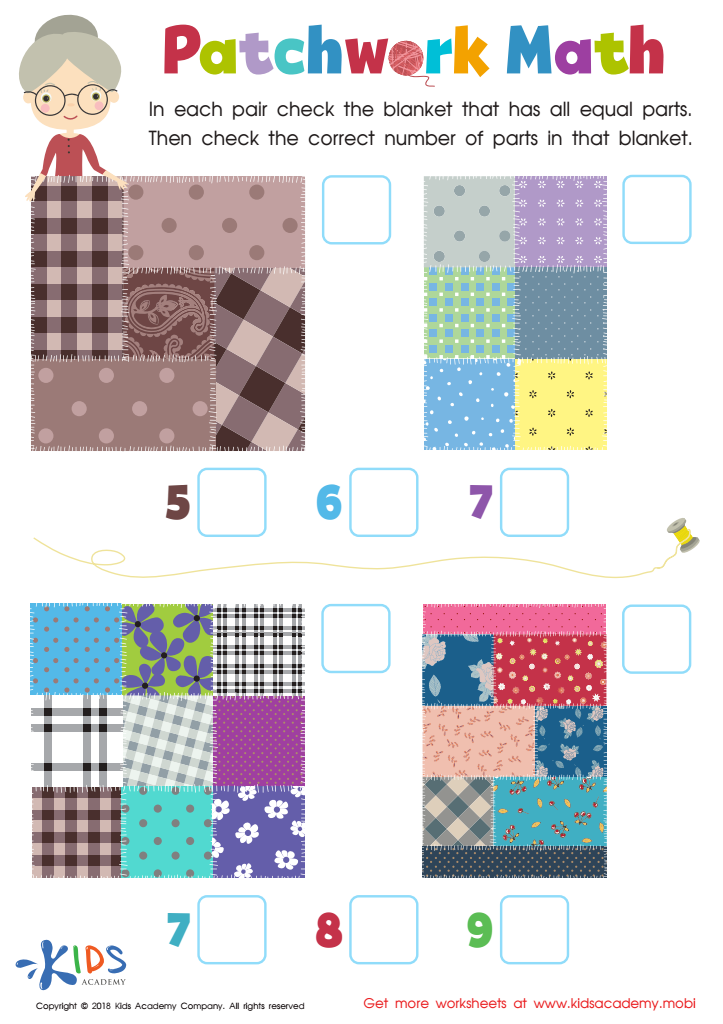
Patchwork Math Worksheet
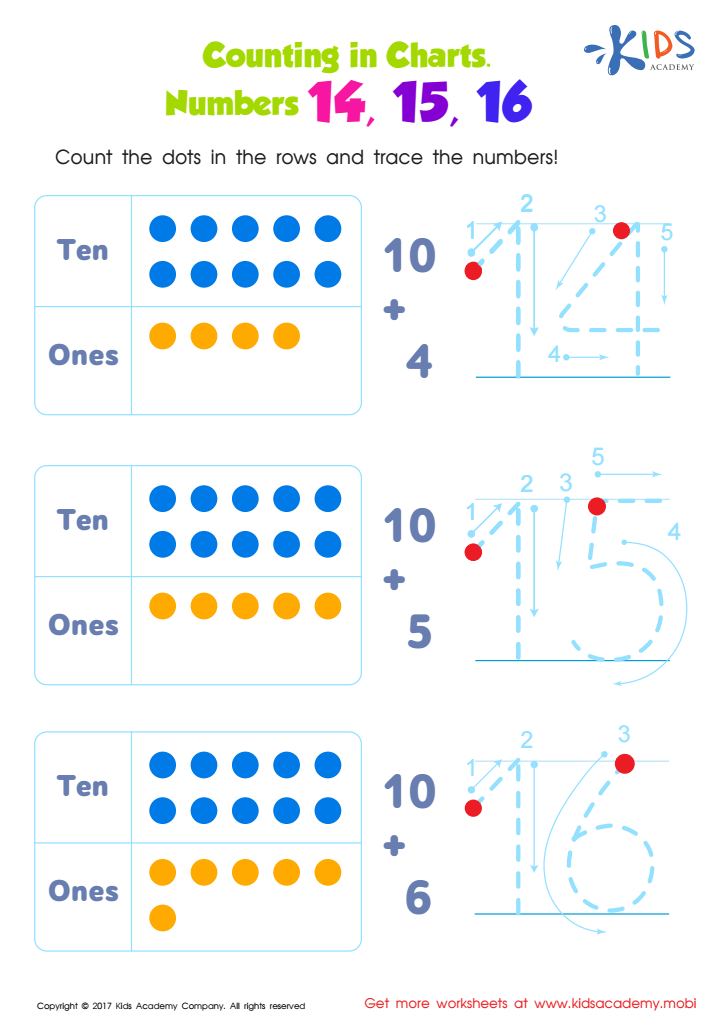
Number Tracing Worksheet








Hand-eye coordination is crucial for young children’s overall development, particularly in the age range of 4-8, as it plays a significant role in their ability to perform various tasks. Parents and teachers should be concerned about enhancing this skill because it directly impacts a child's ability to engage in easy math activities. Strong hand-eye coordination helps children accurately position their hands and fingers for writing numbers, manipulating objects, or using tools such as rulers or scissors.
Moreover, these fundamental skills contribute to the child’s confidence and enjoyment of math. As they practice easy math concepts—like counting, measuring, or sorting—they simultaneously develop motor skills critical for later academic and life tasks. Hand-eye coordination also enhances concentration, improves memory, and helps facilitate greater understanding of spatial relationships, key elements in mathematical learning.
Furthermore, engaging children in fun, hands-on activities supports collaborative learning experiences. Encouraging this integration not only fosters a more positive attitude towards math but also helps build essential skills they will utilize in daily life. By focusing on hand-eye coordination during early mathematical instruction, parents and teachers can create a foundational skill set that promotes educational success and lifelong learning. Therefore, investing time in these activities is vital for holistic child development.








