Problem-Solving Skills Easy Math Worksheets for Ages 4-8 - Page 2
49 filtered results
-
From - To
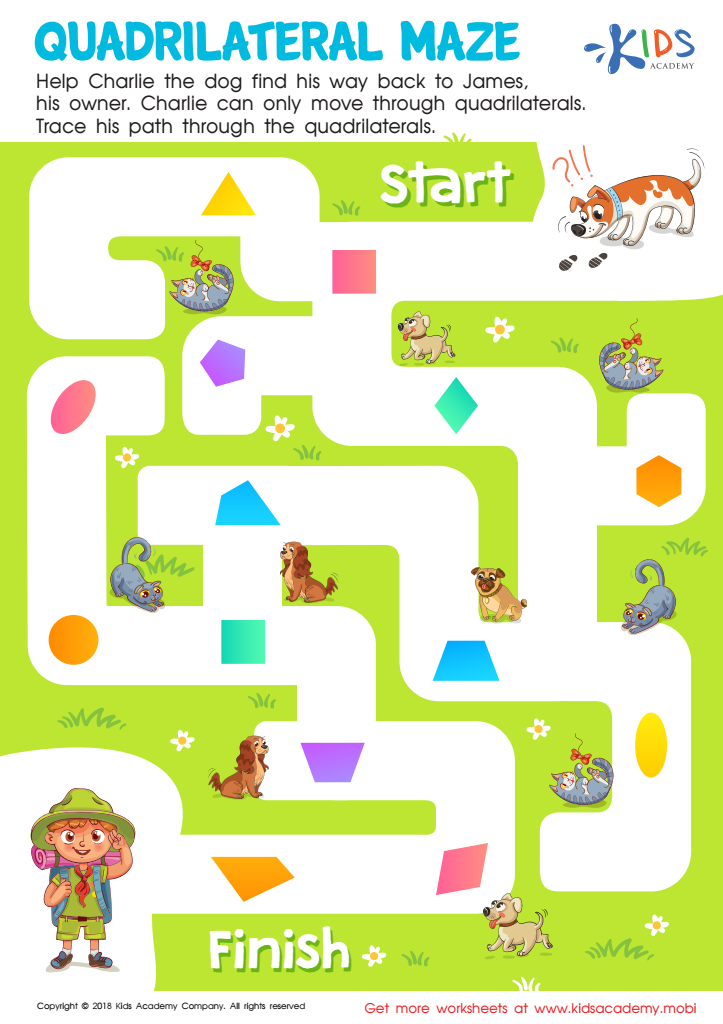
Quadrilateral Maze Worksheet
 Assign to My Students
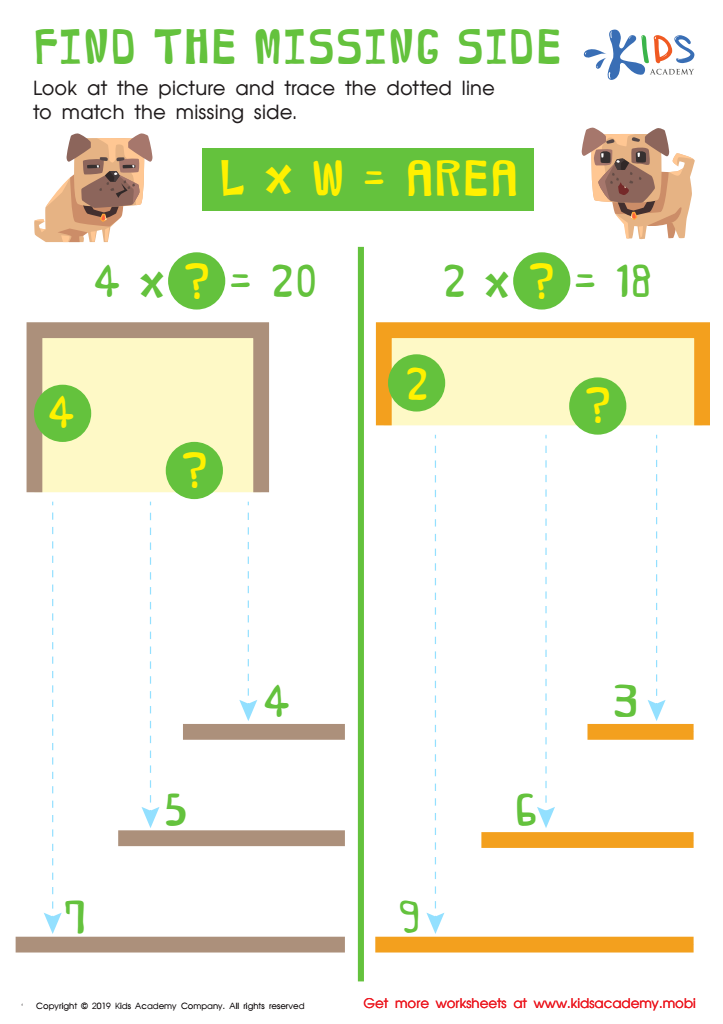
Find the Missing Side Worksheet
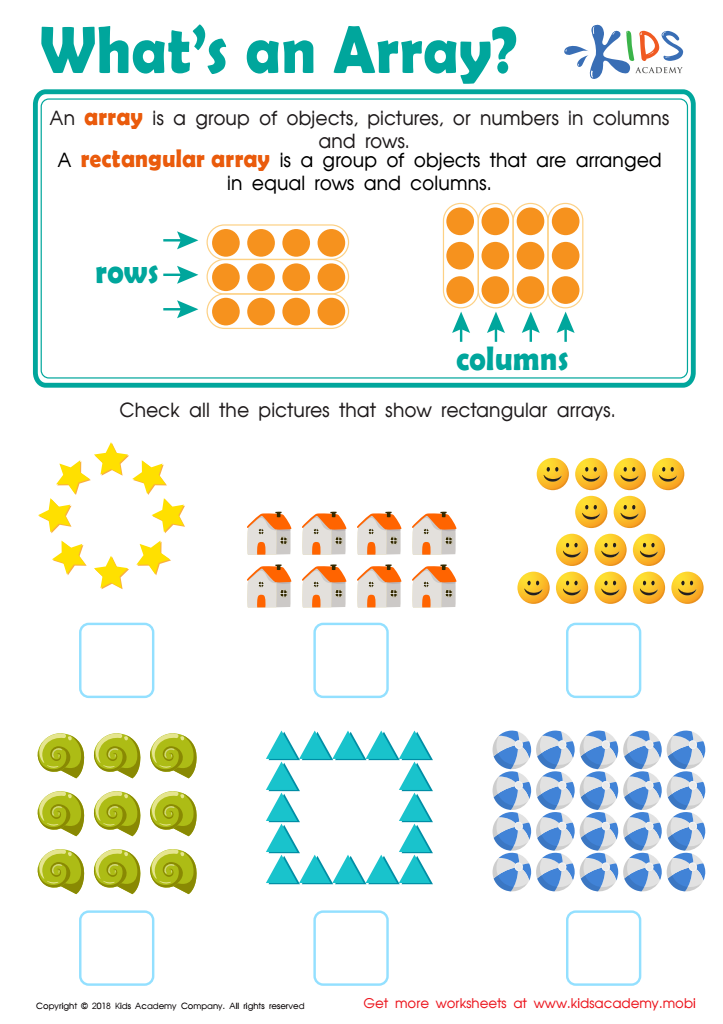
What's an Array? Worksheet
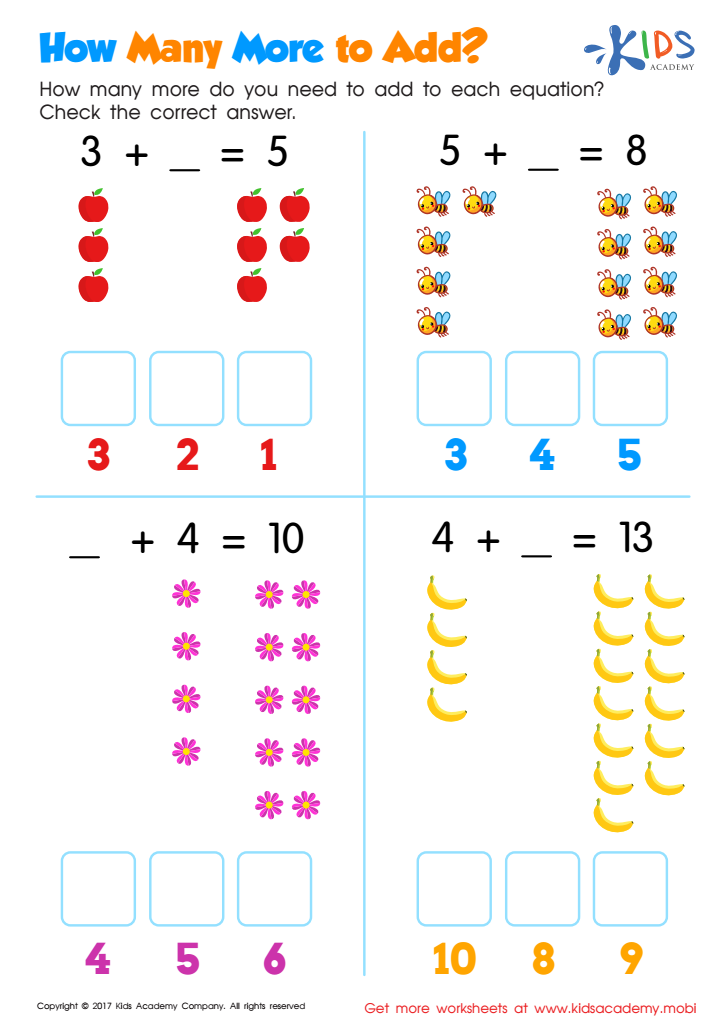
How Many More to Add Worksheet
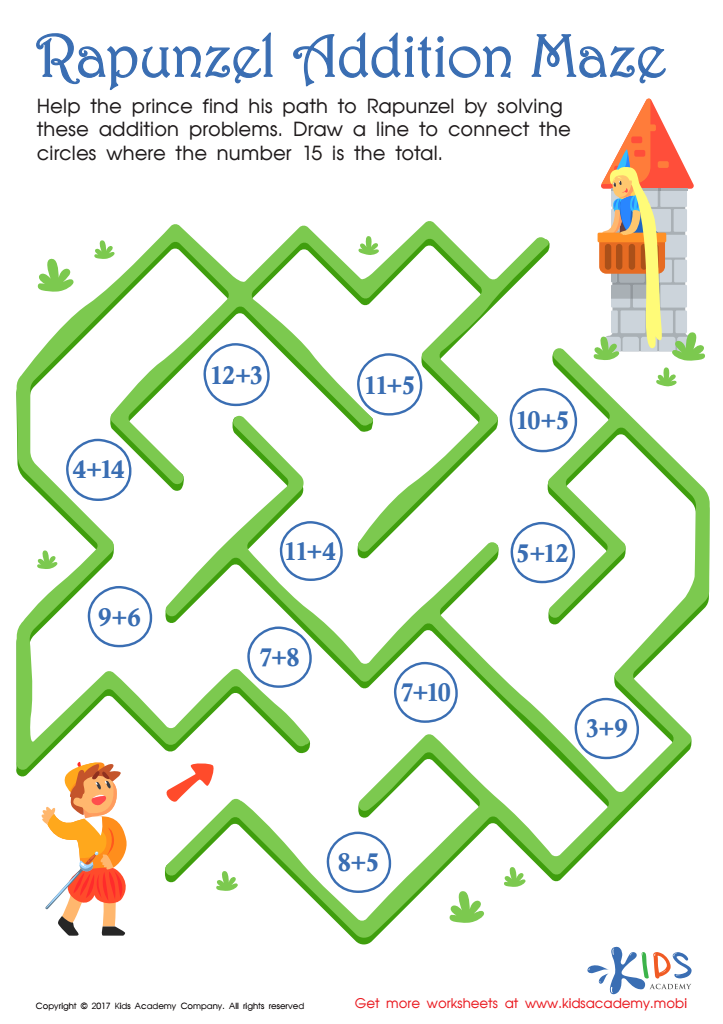
Rapunzel Addition Maze Worksheet
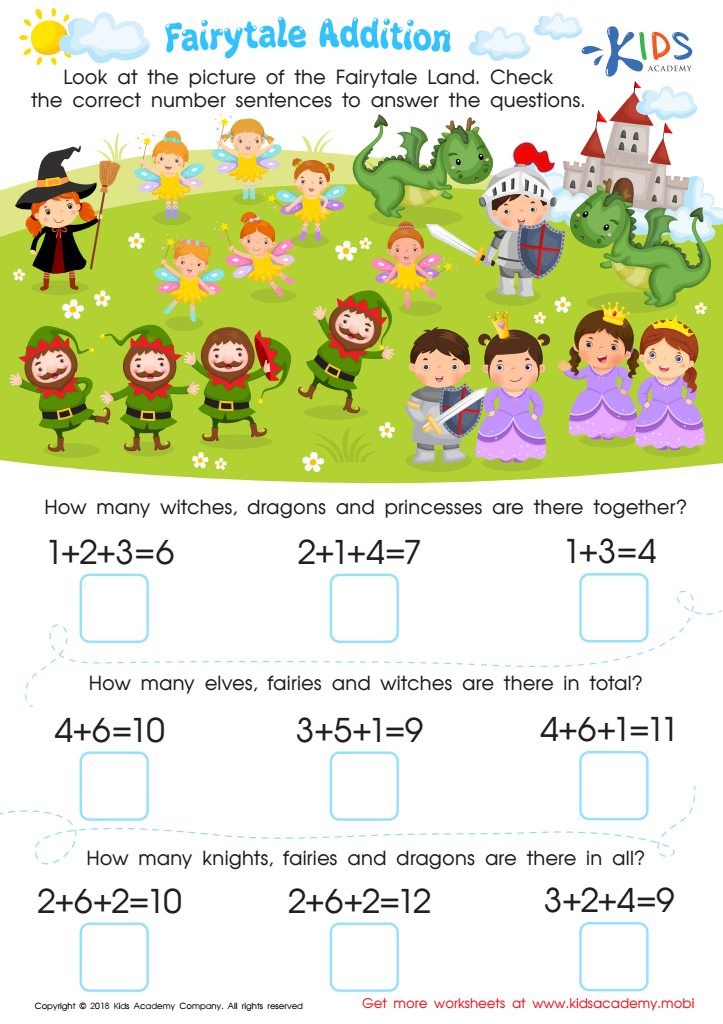
Fairytale Addition Worksheet
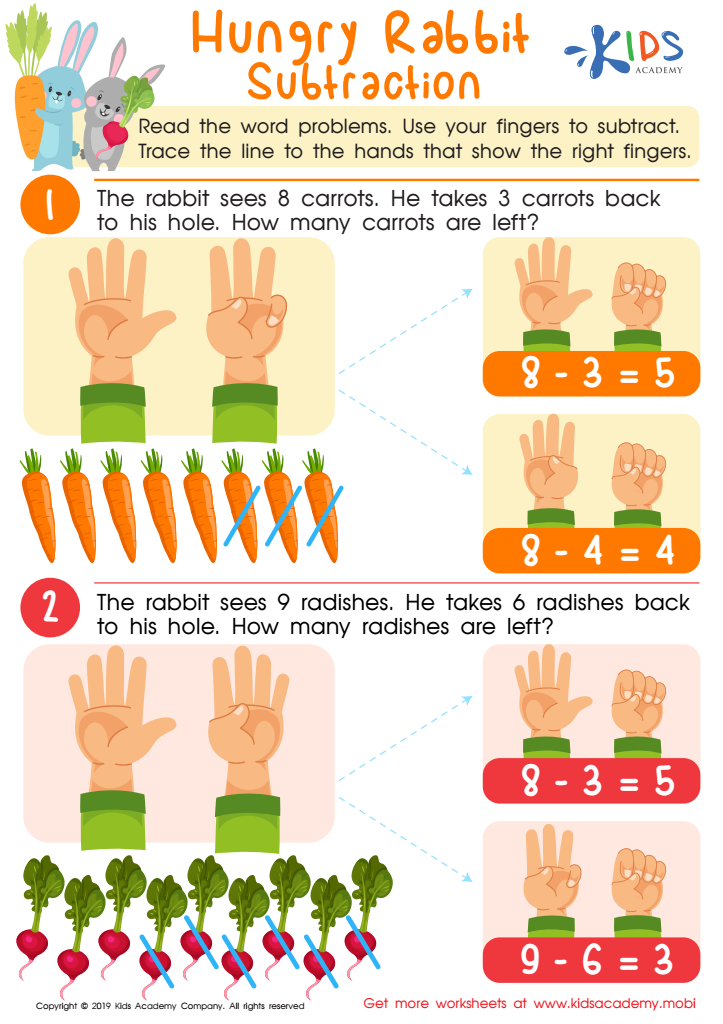
Hungry Rabbit Subtraction Worksheet
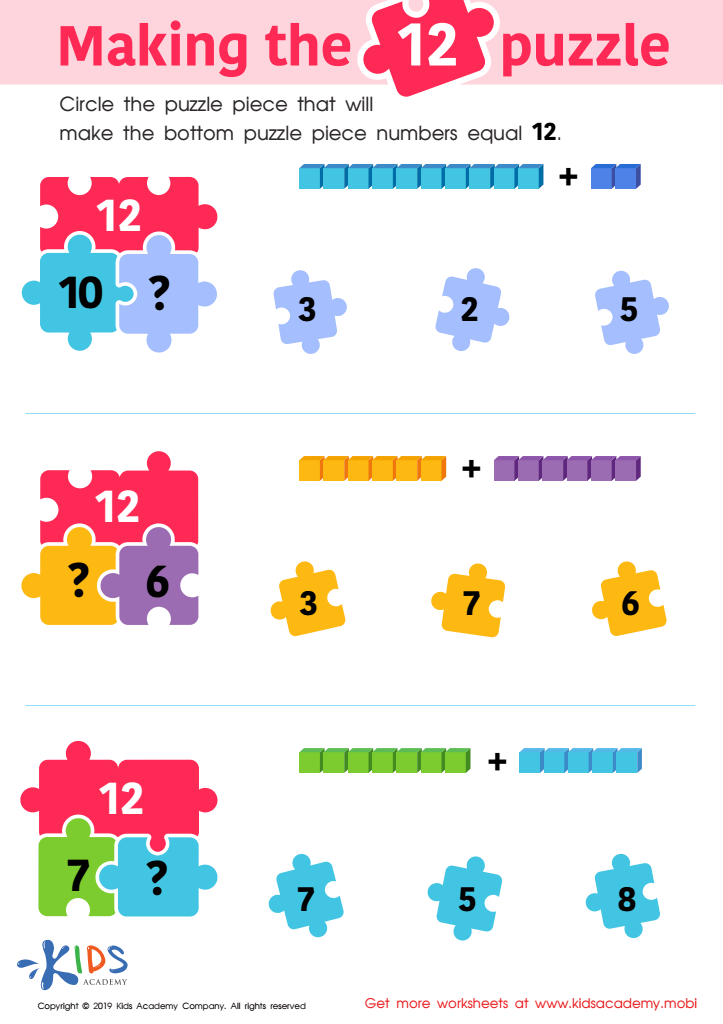
Making the 12 Puzzle Worksheet
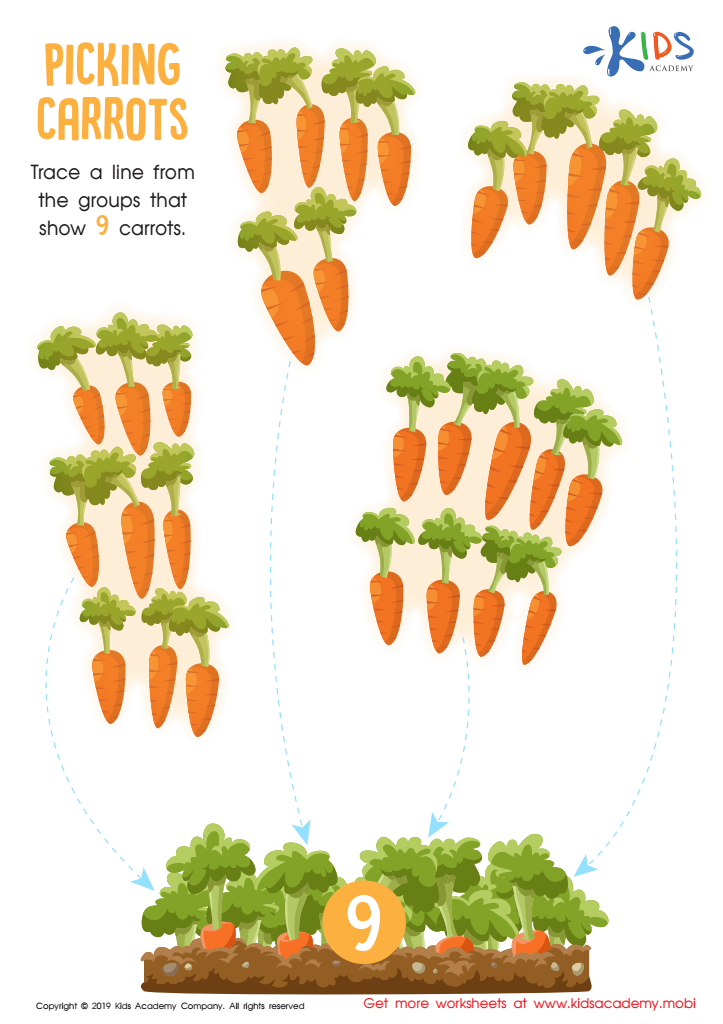
Picking Carrots Worksheet
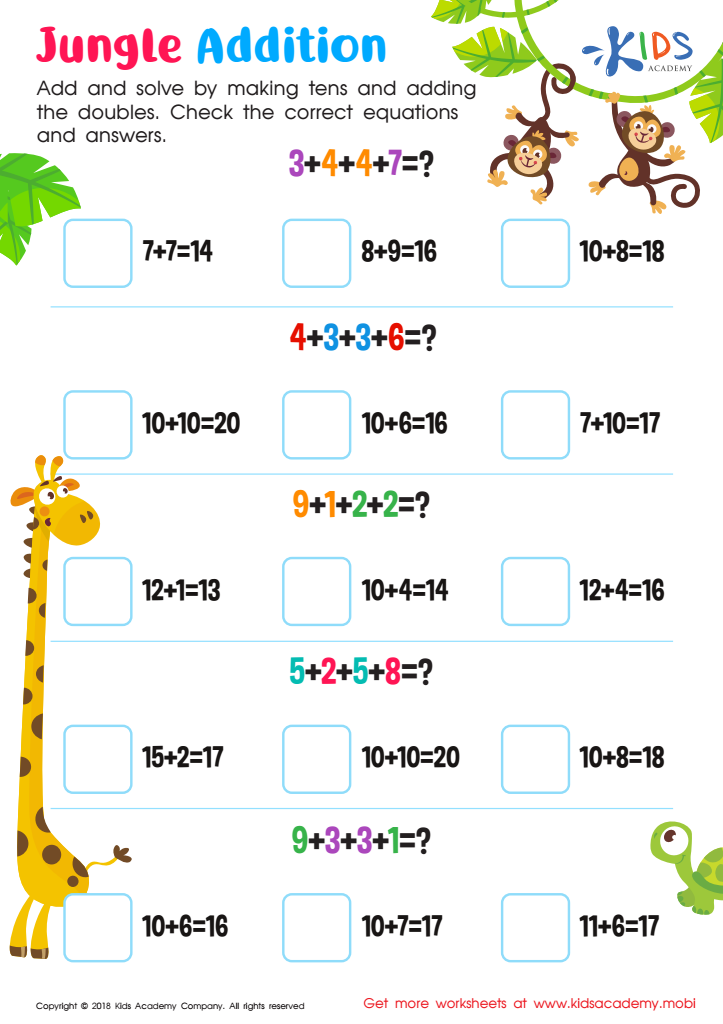
Jungle Addition Worksheet
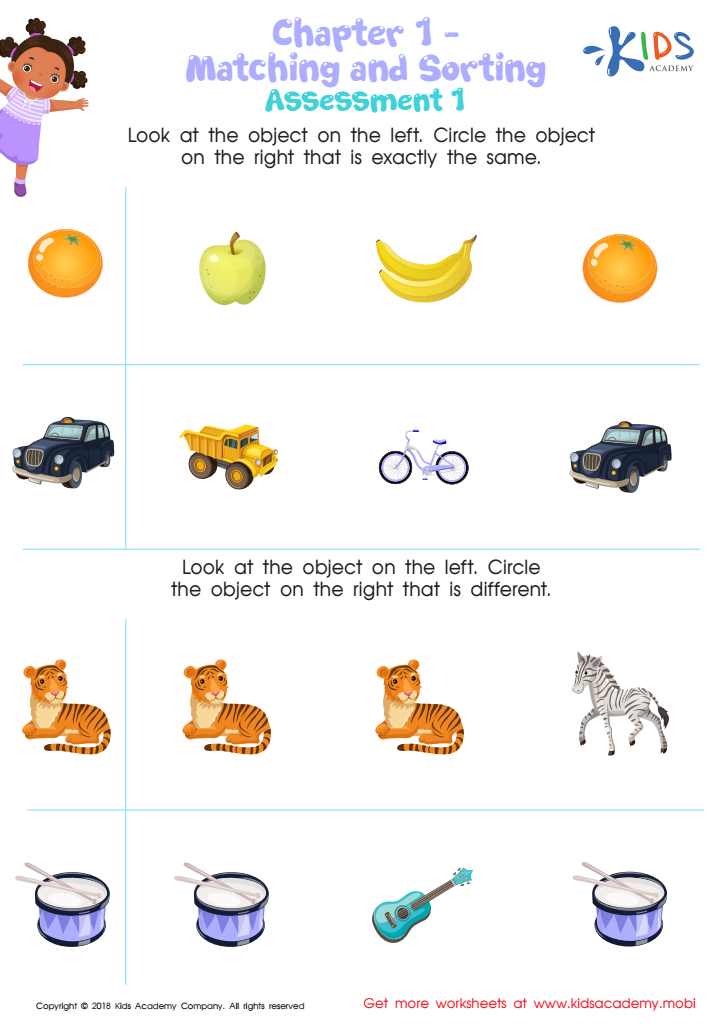
Matching and Sorting for Preschool: Assessment 1 Worksheet
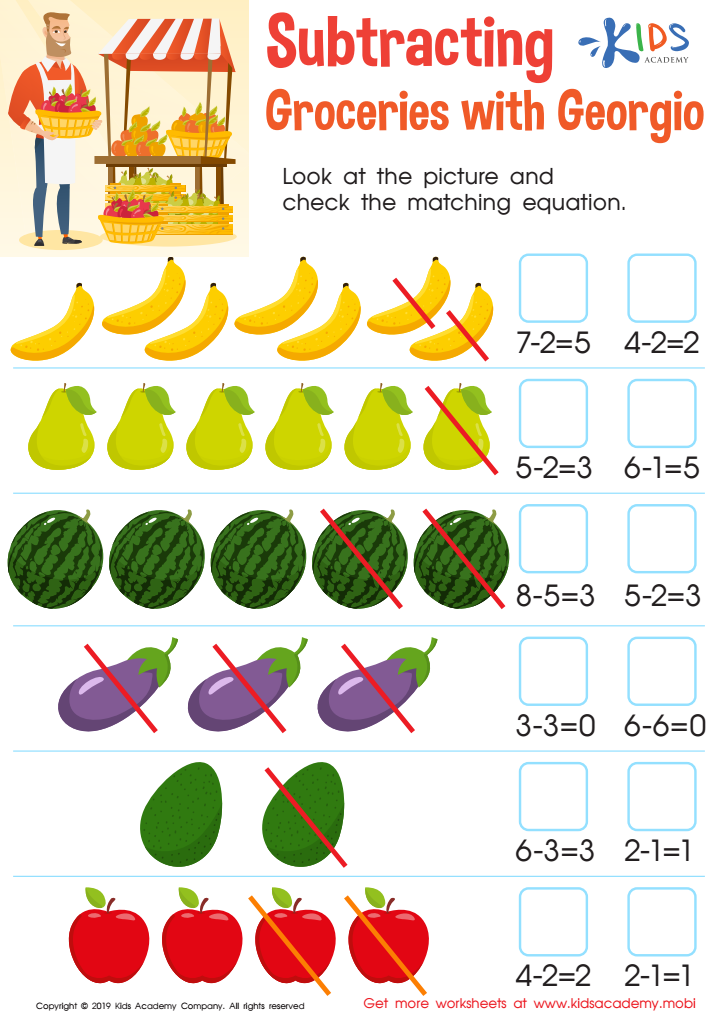
Subtracting: Groceries with Georgio Worksheet
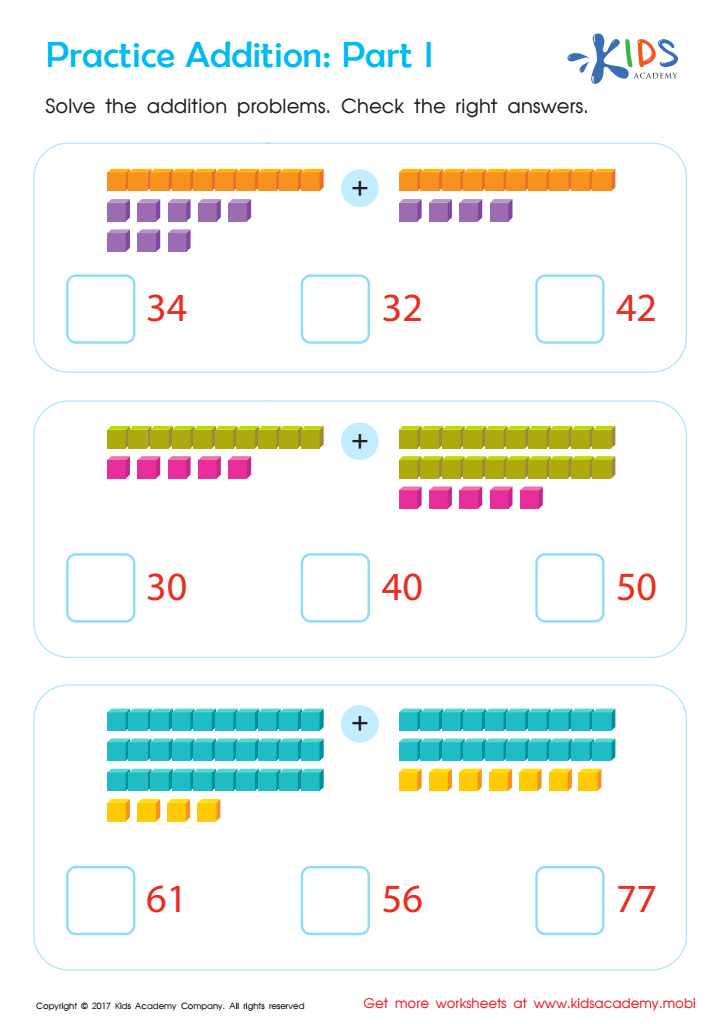
Practice Addition: Part 1 Worksheet
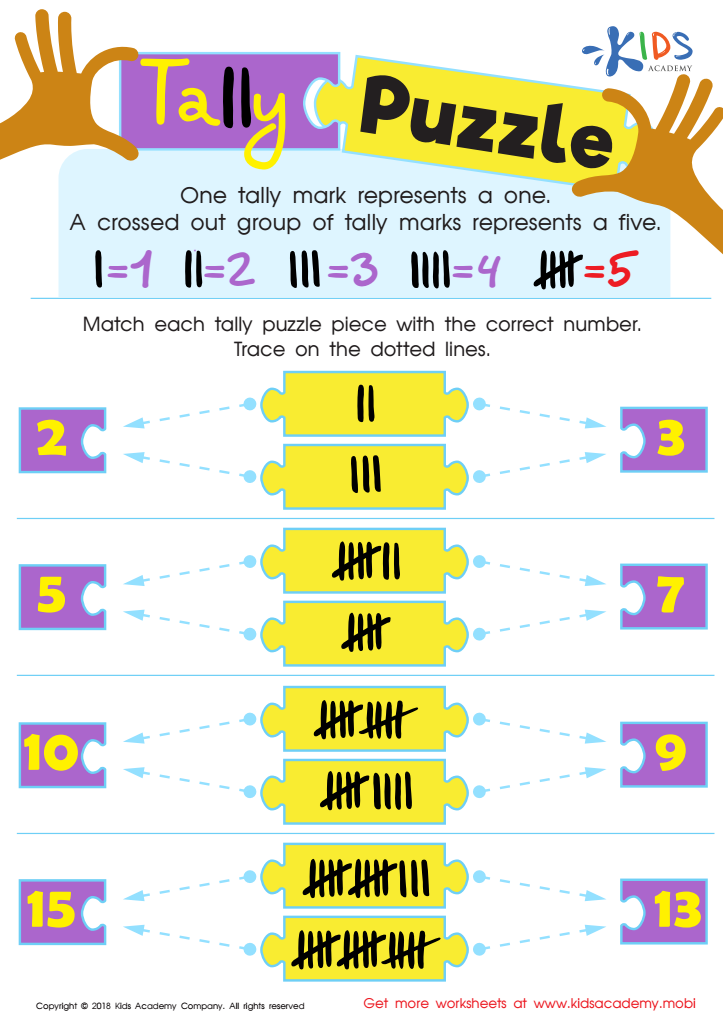
Tally Puzzle Worksheet
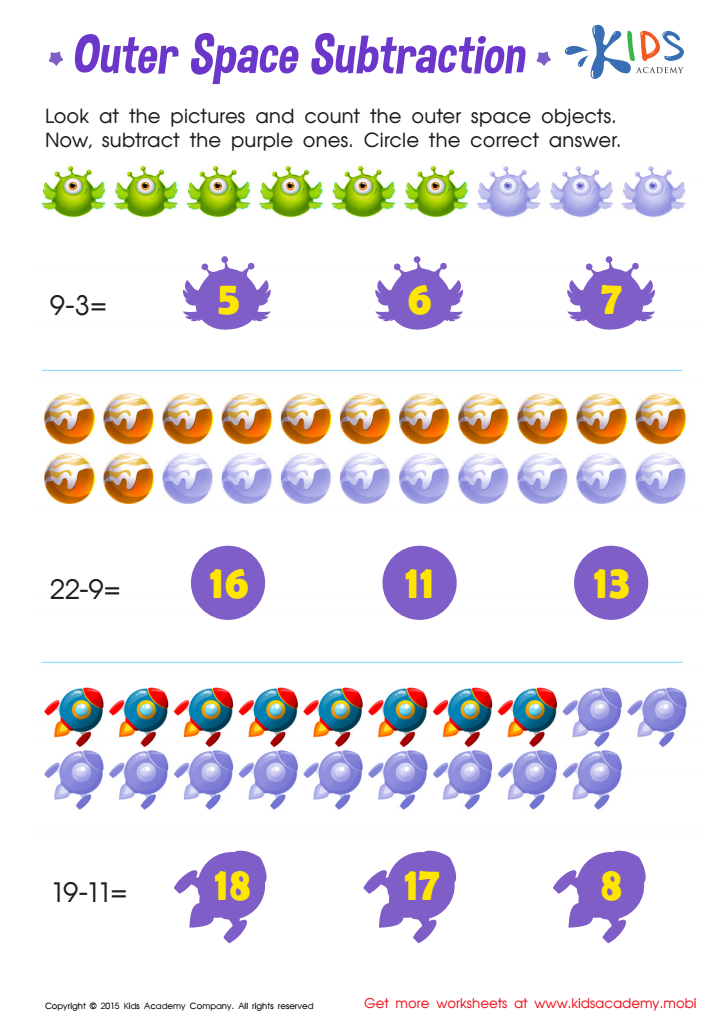
Outer Space Substraction Worksheet
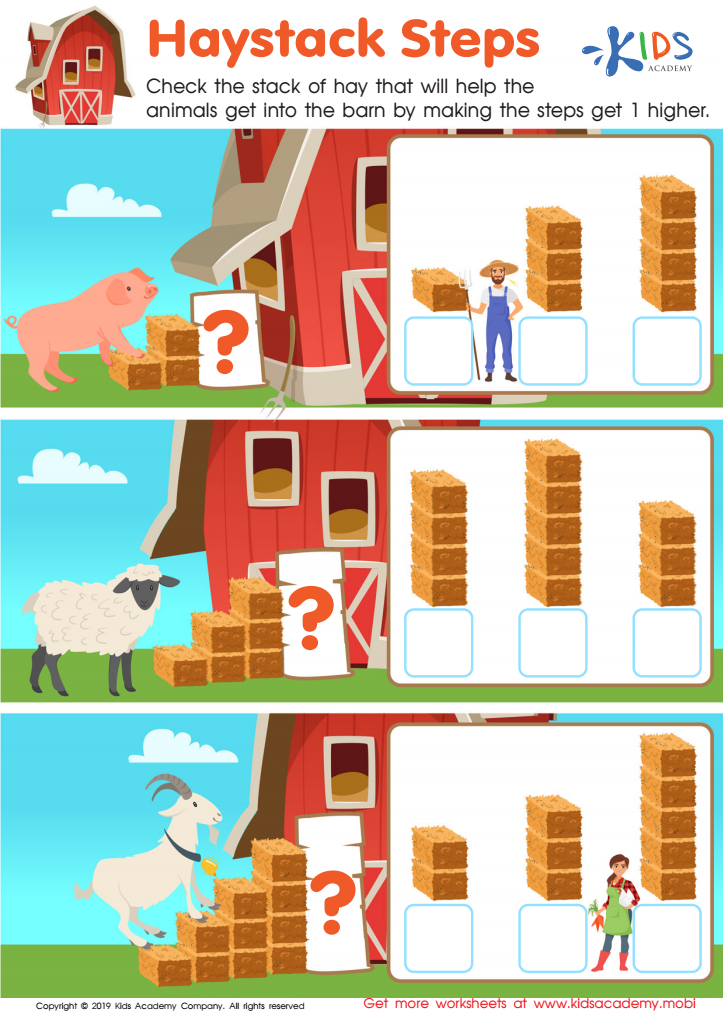
Haystack Steps Worksheet
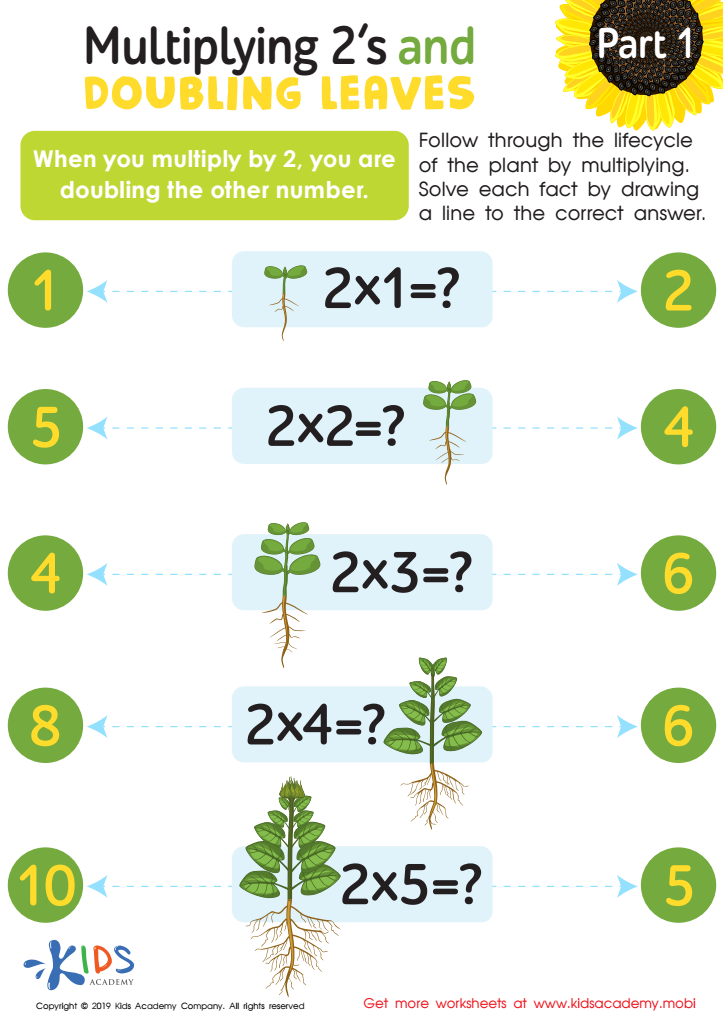
Multiplying 2’s and Doubling Leaves Part 1 Worksheet
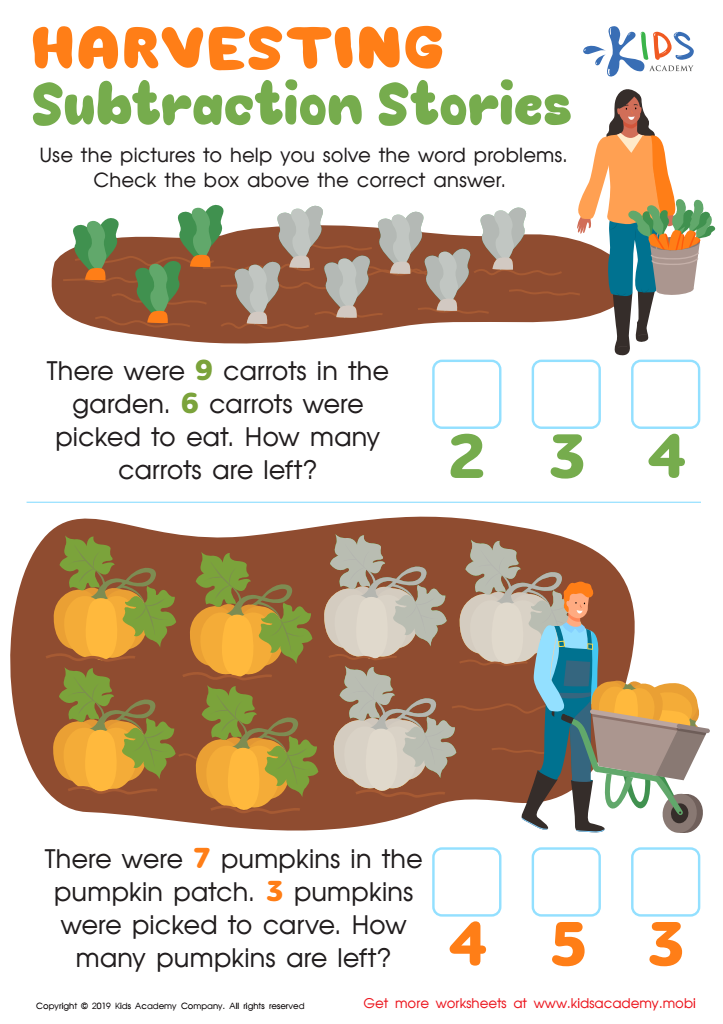
Harvesting Subtraction Stories Worksheet
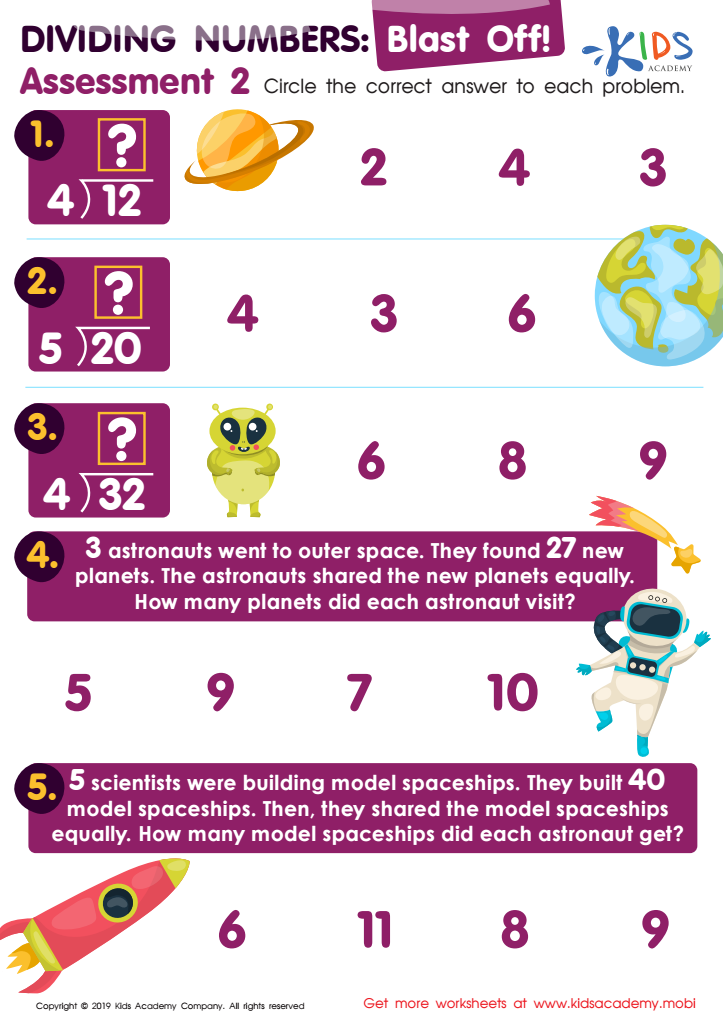
Dividing Numbers Assessment 2 Worksheet
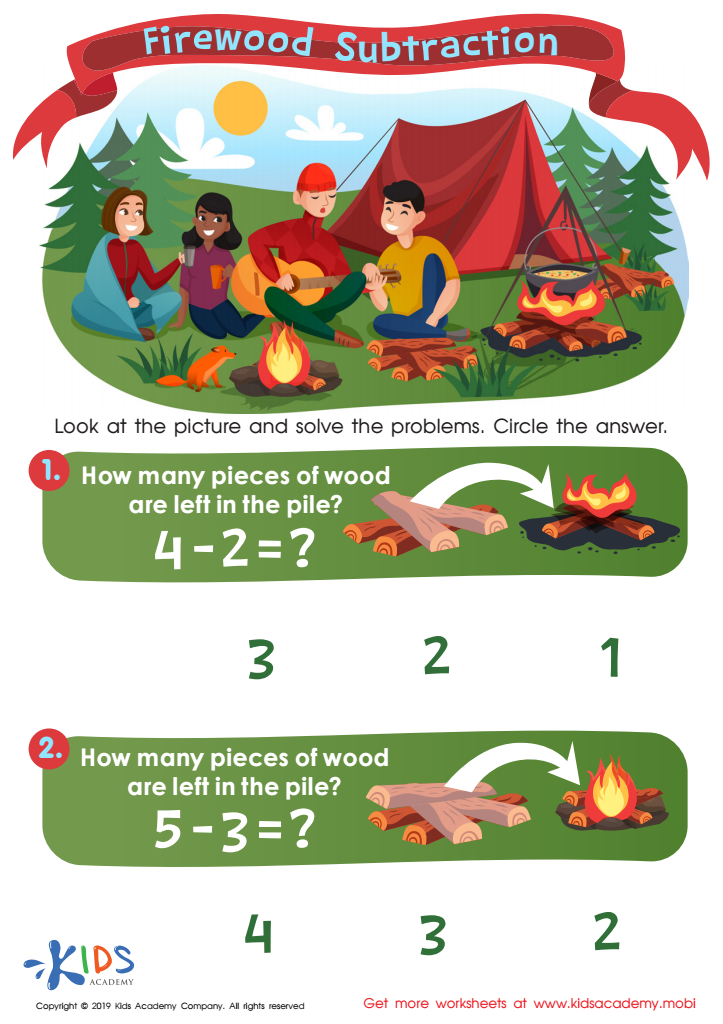
Firewood Subtraction Worksheet
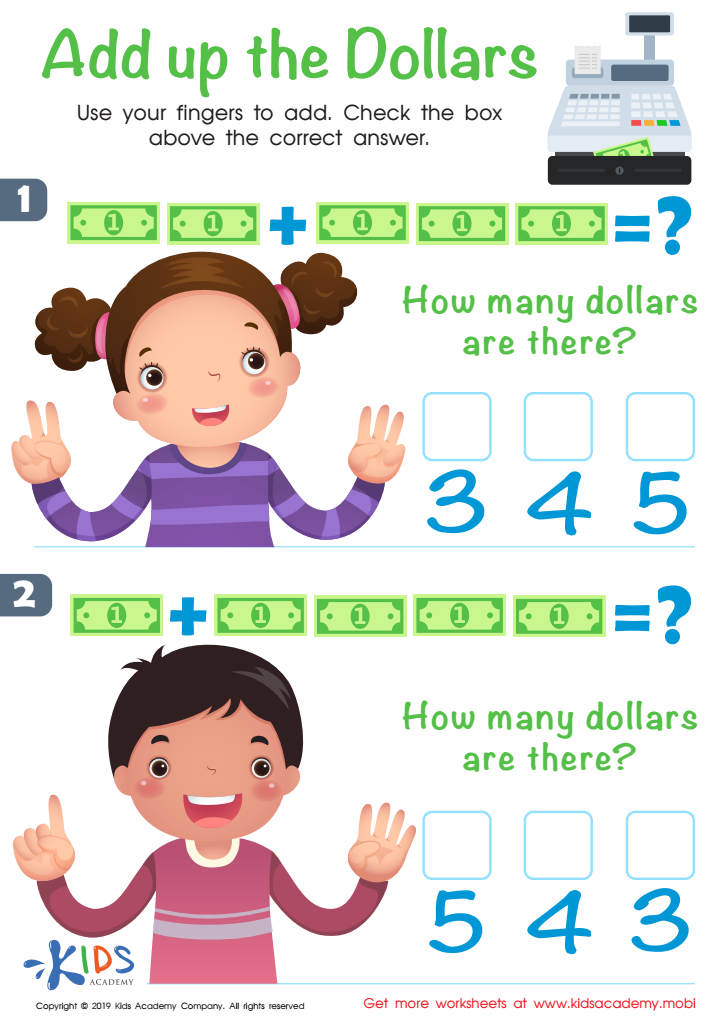
Add up the Dollars Worksheet
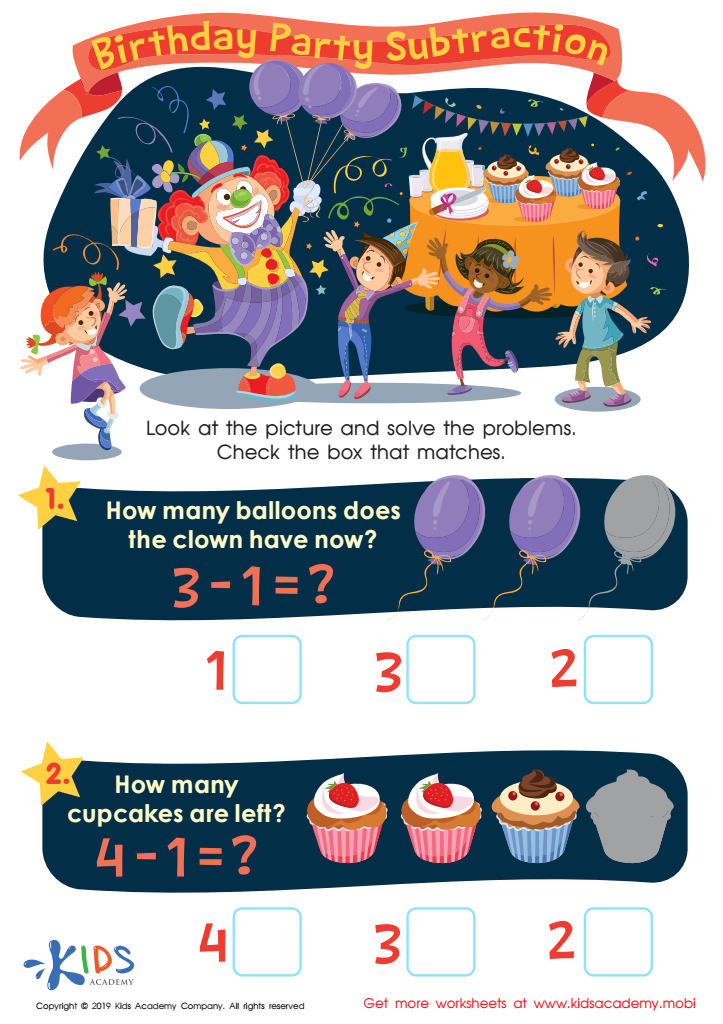
Birthday Party Subtraction Worksheet
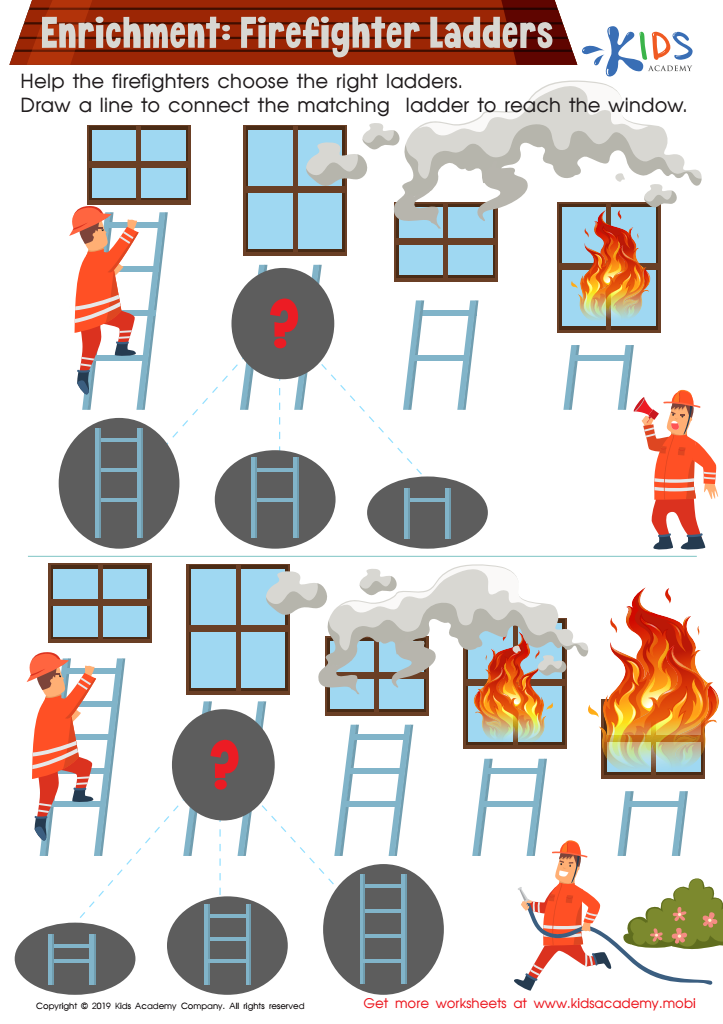
Enrichment: Firefighter Ladders Worksheet
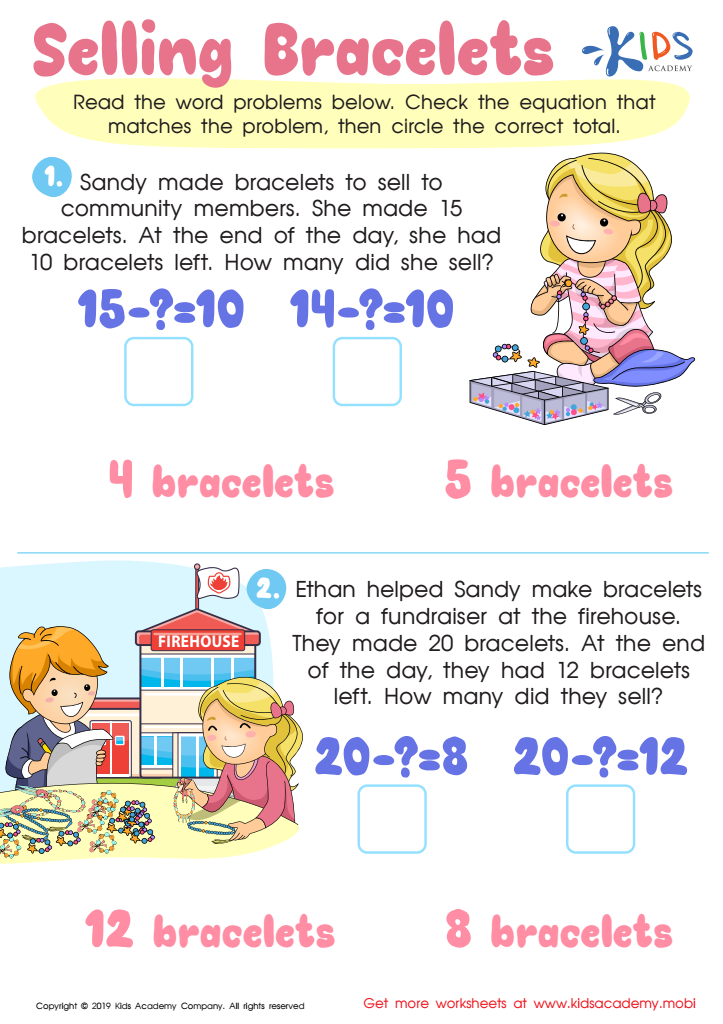
Selling the Bracelets Worksheet







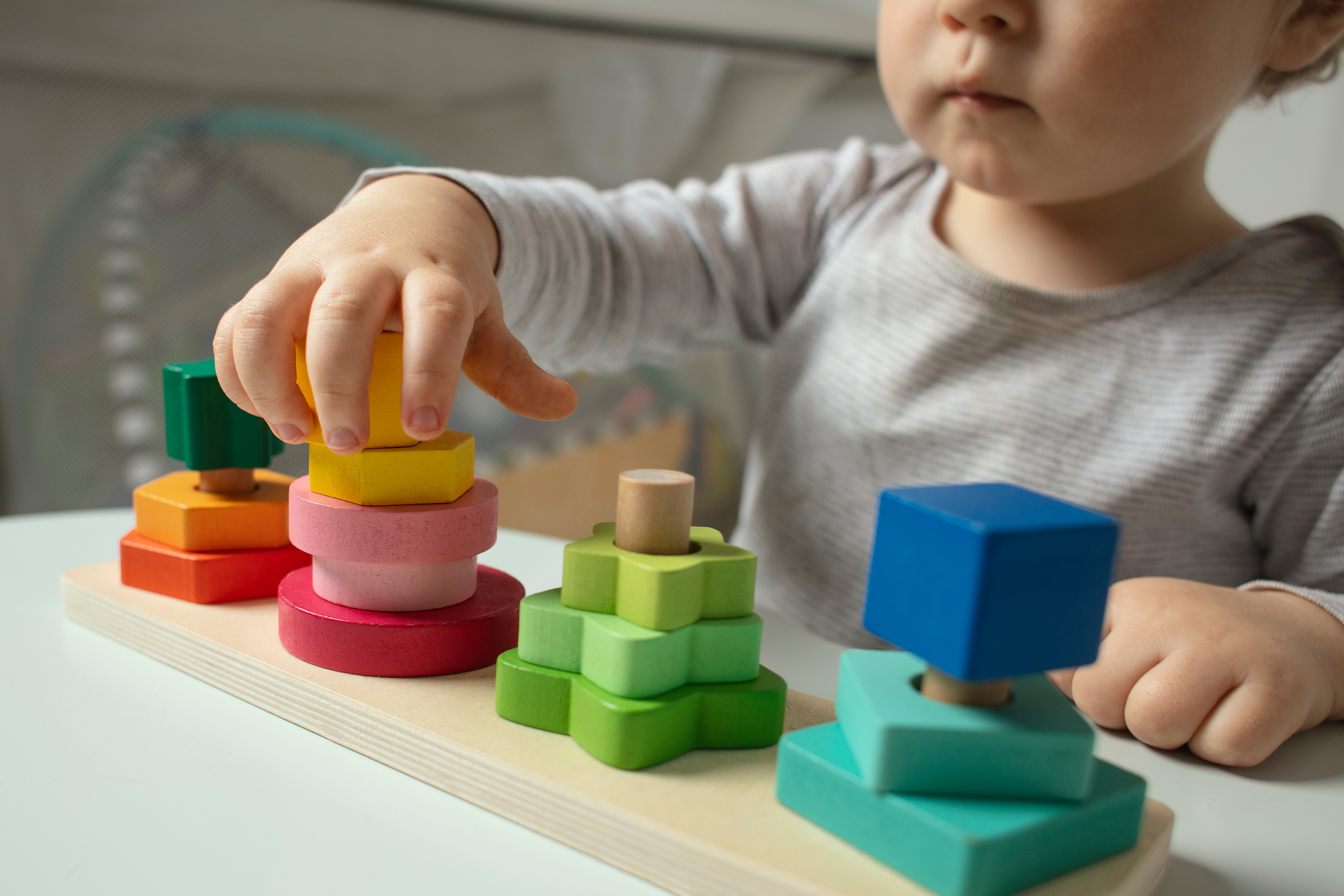
Parents and teachers should prioritize problem-solving skills in easy math for children aged 4-8 because these foundational abilities are essential for a child's academic success and lifelong learning. During this critical age, children develop cognitive skills, and engaging with problem-solving activities enhances their critical thinking, creativity, and logical reasoning.
Easy math tasks, such as counting, simple addition and subtraction, and pattern recognition, can be presented in fun, engaging ways that align with a child's natural curiosity. These activities encourage children to explore various solutions, fostering independence and confidence in their ability to tackle challenges.
Additionally, problem-solving in math goes beyond academics. It nurtures perseverance and resilience, teaching children how to confront difficulties and find solutions—a vital skill for future social interactions and workplace situations.
When parents and teachers collaborate to emphasize the importance of problem-solving skills in math, they support a holistic learning environment. This focus extends beyond rote memorization to deeper comprehension and application of mathematical concepts, paving the way for more advanced learning in later years. Ultimately, nurturing these vital skills helps ensure children are well-prepared for the challenges of school and life.








