Fine motor development Easy Worksheets for Ages 4-9
3 filtered results
-
From - To
Enhance your child’s fine motor skills with our collection of easy worksheets tailored for ages 4-9! These engaging activities are designed to support and develop important skills, such as hand-eye coordination, dexterity, and concentration. Our worksheets include a variety of fun exercises, from tracing and cutting to coloring and patterns, ensuring your child will enjoy learning while improving their motor abilities. Ideal for homeschooling, classroom settings, or extra practice at home, our worksheets are user-friendly and printable. Begin your child's journey to fine motor mastery today and watch their confidence and skills grow!
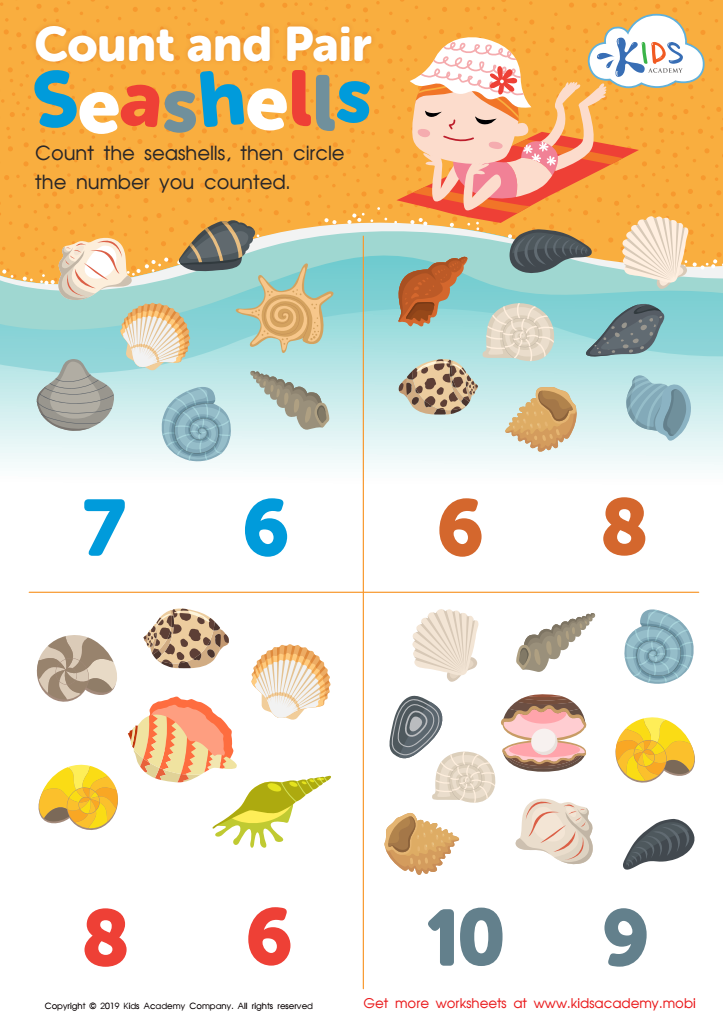
Count and Pair Seashells Worksheet
 Assign to My Students
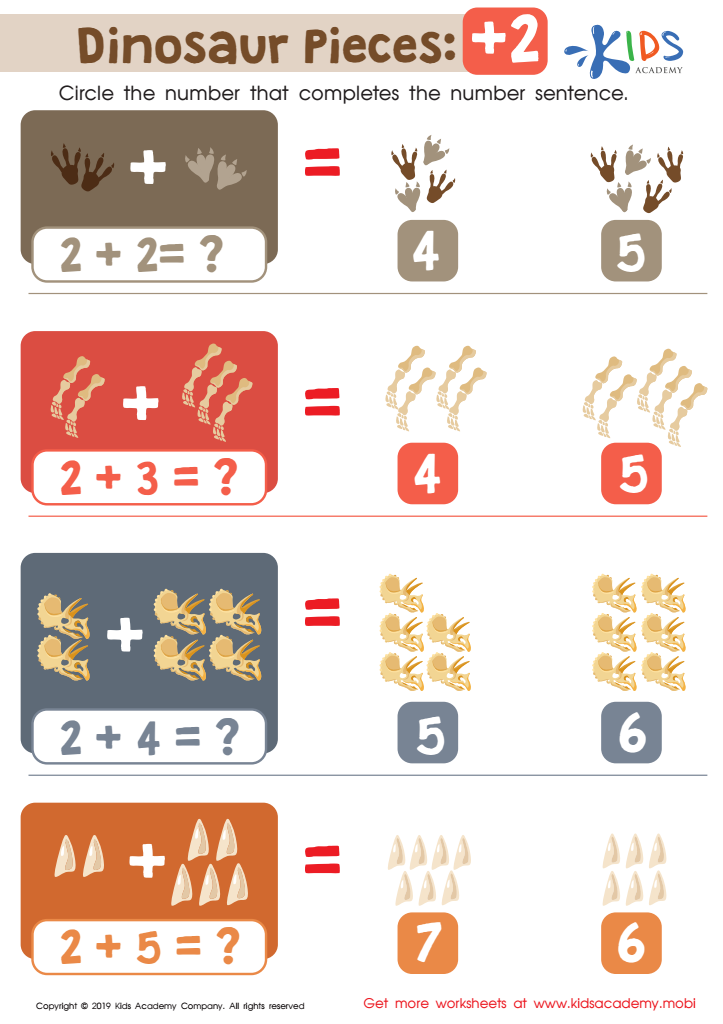
Dinosaur Pieces: +2 Worksheet



.jpg)



Fine motor development is crucial for children aged 4-9 as it lays the foundation for essential skills they will use throughout their lives. This development involves the coordination of small muscles in the hands and fingers, which is necessary for activities like writing, drawing, using scissors, and buttoning clothes. When children master these skills, they gain confidence and independence in everyday tasks.
Parents and teachers should care about fine motor development because it significantly impacts a child's academic success and self-esteem. For instance, children who struggle with fine motor skills may find writing challenging, leading to frustration and a dip in motivation. Ensuring that kids develop these abilities through fun activities, such as drawing, crafting, or playing with building toys, can enhance their dexterity and hand-eye coordination.
Furthermore, strong fine motor skills help children develop cognitive abilities, such as problem-solving and critical thinking, as they manipulate objects and tools. By promoting fine motor activities, parents and teachers can create enriching learning environments that cater to each child's development, leading to well-rounded individuals who are better prepared for future challenges.








