Improving vocabulary Easy Worksheets for Ages 4-9
3 filtered results
-
From - To
Discover the joy of enhancing vocabulary with our "Improving Vocabulary Easy Worksheets" tailored for children aged 4-9. Our engaging, interactive resources are designed to make learning fun and effective, helping young minds build a strong word foundation. Each worksheet promotes essential skills through colorful illustrations and age-appropriate activities, ensuring that kids are motivated to explore and learn. Perfect for home or classroom use, these worksheets encourage creativity while enhancing language comprehension. Equip your child with the tools for effective communication and confidence. Explore our collection today and watch their vocabulary flourish!
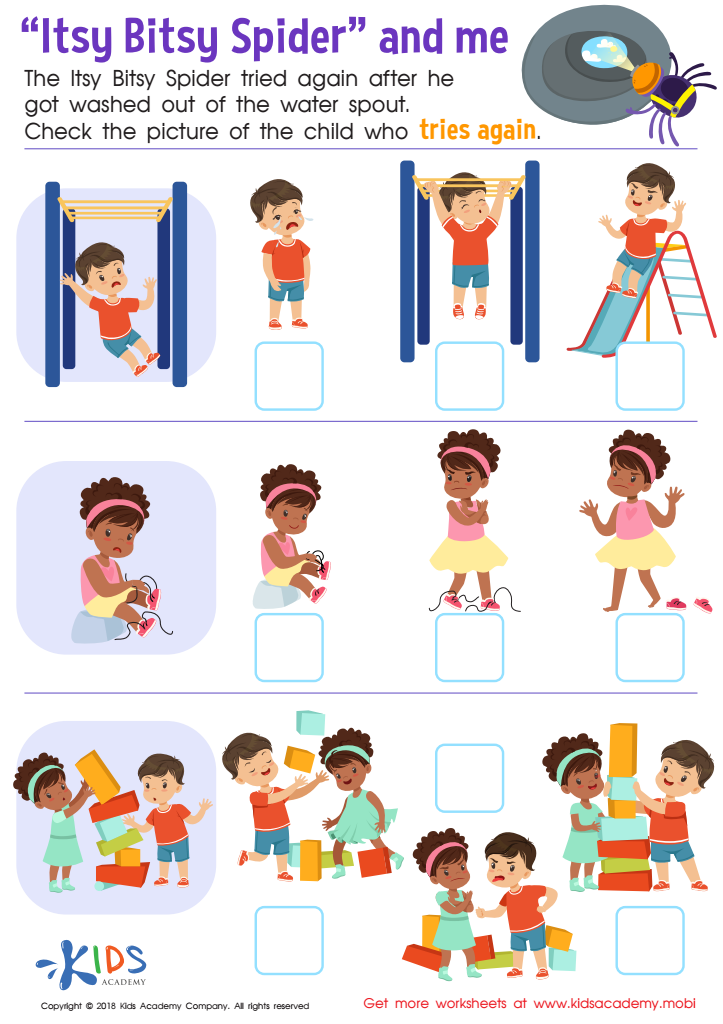
Itsy Bitsy Spider and Me Worksheet
 Assign to My Students
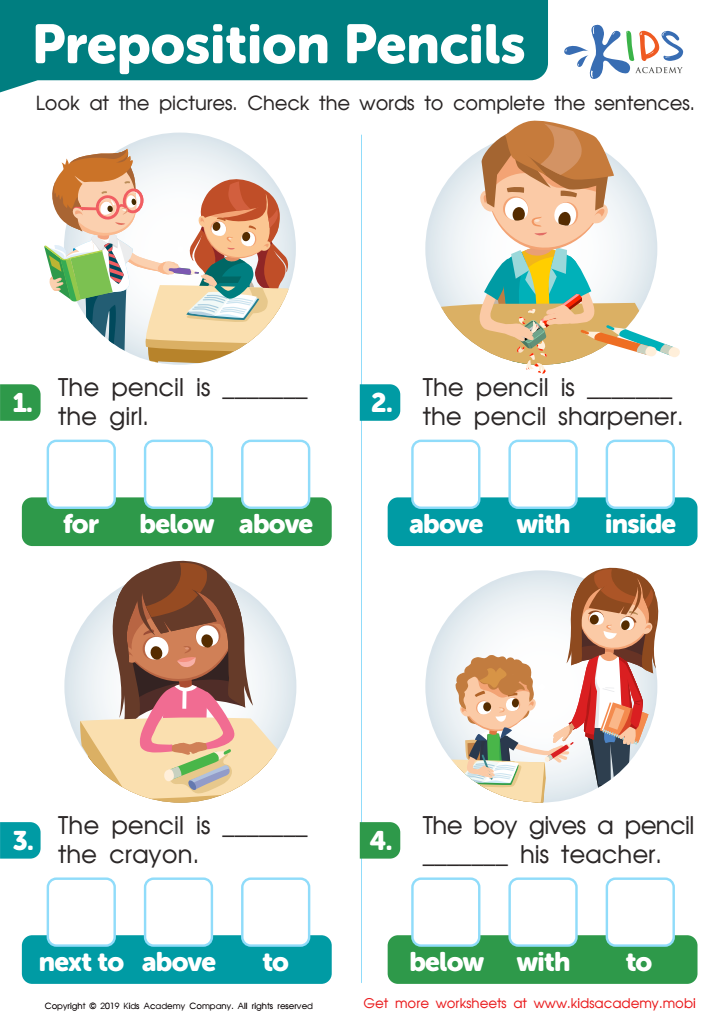
Preposition Pencils Worksheet
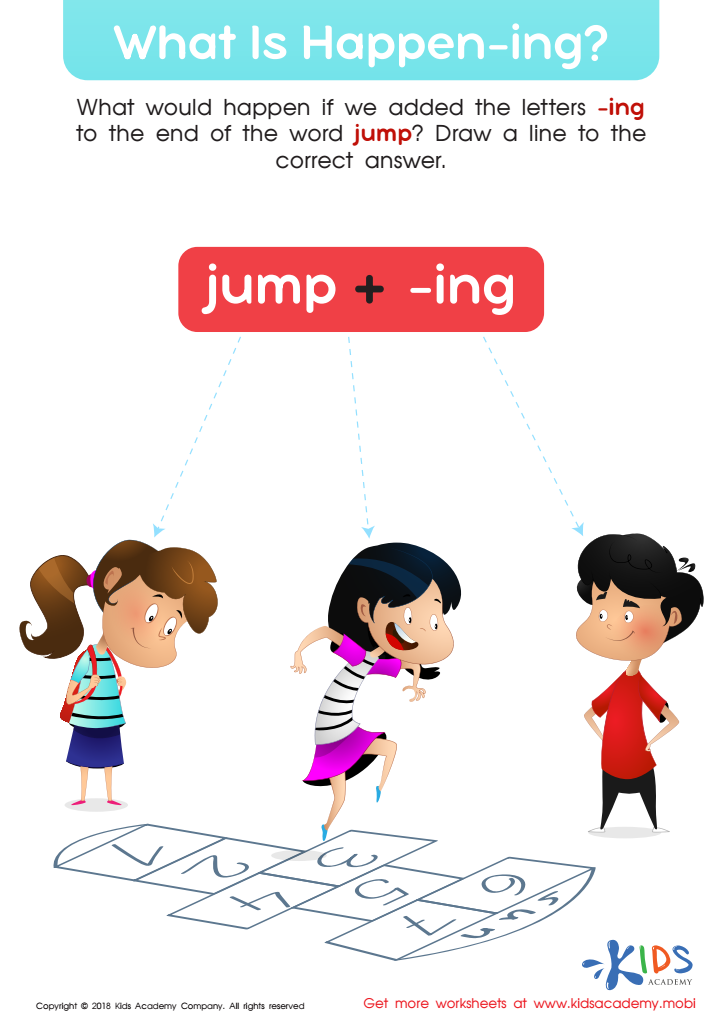
What Is Happen-Ing? Worksheet



.jpg)




Improving vocabulary in young children, ages 4-9, is essential for their overall language development and academic success. This age group is a critical period for building language skills, as children are highly receptive and eager to absorb new words and their meanings. A rich vocabulary enhances communication abilities, enabling children to express themselves clearly and confidently.
Parents and teachers play a key role in fostering vocabulary growth. Engaging in conversations, reading aloud, and introducing new words during daily activities can significantly boost a child's word bank. A robust vocabulary not only aids in language comprehension but also improves reading skills, leading to better academic performance.
Moreover, extensive vocabulary is linked to enhanced critical thinking and creativity. Children who can articulate their thoughts clearly are better equipped to engage in discussions, ask questions, and solve problems. This ability also fosters social interactions and emotional expression, contributing to their overall emotional intelligence.
Ultimately, investing time and effort into improving vocabulary during these formative years creates a strong foundation for lifelong learning and communication skills. Parents and teachers should actively seek opportunities to make vocabulary building a fun and engaging part of children's daily experiences, setting them up for success in school and beyond.








