Visual discrimination Easy Worksheets for Ages 4-9
5 filtered results
-
From - To
Visual discrimination is a crucial foundational skill for early learners, essential for reading, writing, and daily activities. Our "Visual Discrimination Easy Worksheets for Ages 4-9" are designed to enhance your child's ability to notice differences in shapes, patterns, and objects, fostering cognitive development. With engaging, colorful activities, these worksheets help improve attention to detail, focus, and observational skills. Perfect for both home and classroom settings, our worksheets are a fun and effective way to support early learners' growth. Help your child master visual discrimination with our easy-to-use resources, tailored specifically for young minds.
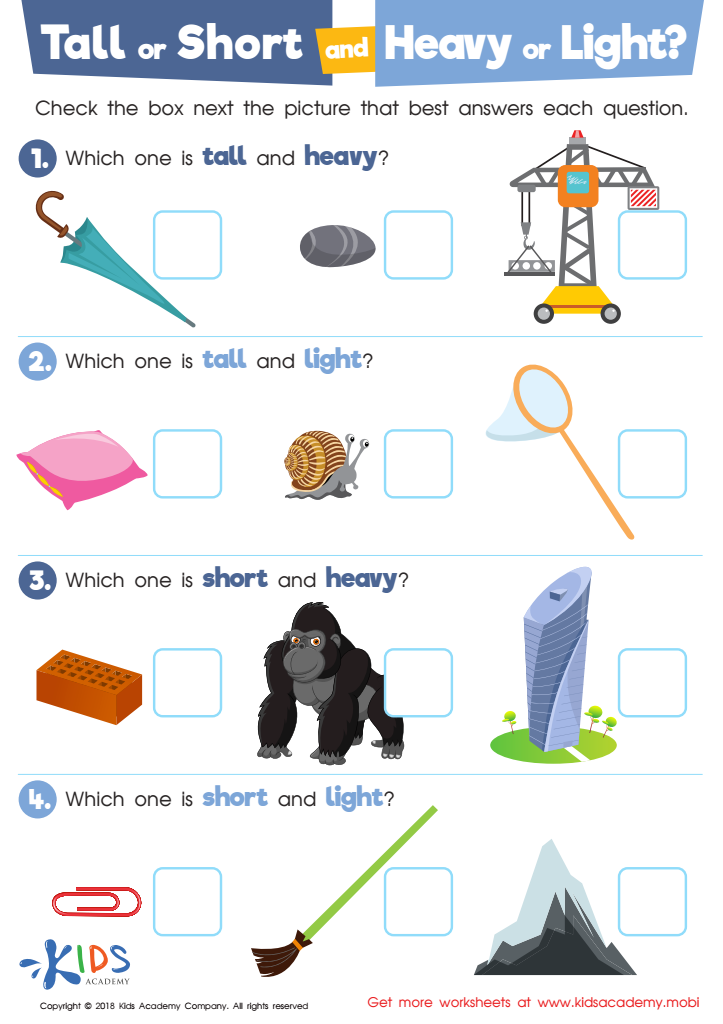
Tall or Short and Heavy or Light? Worksheet
 Assign to My Students
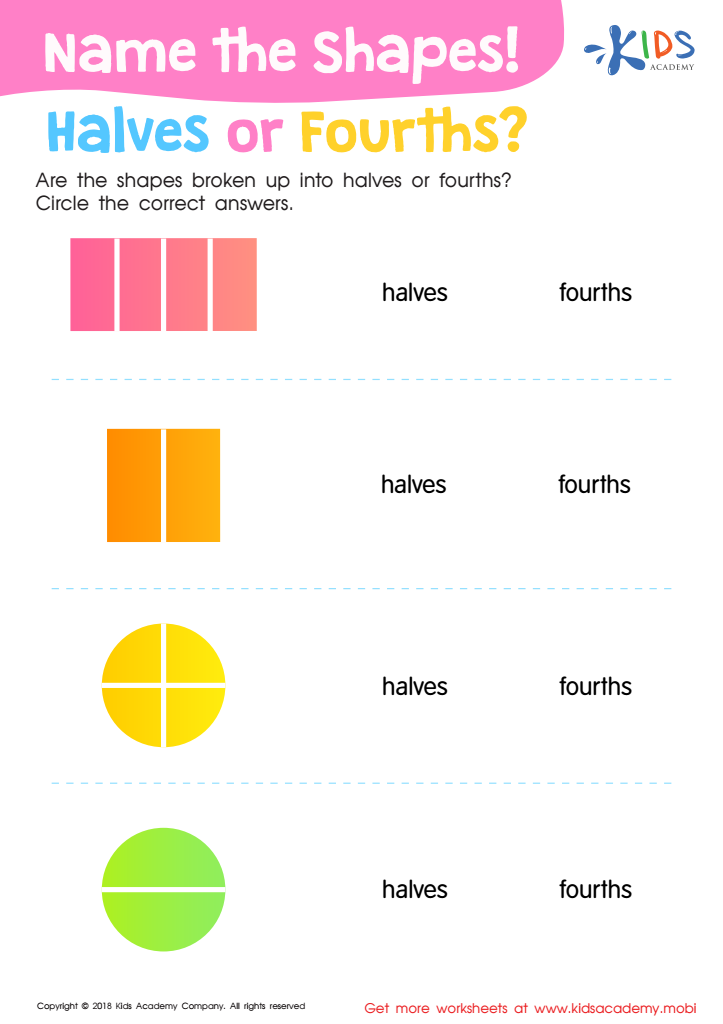
Name the Shapes Halves or Fourths? Worksheet
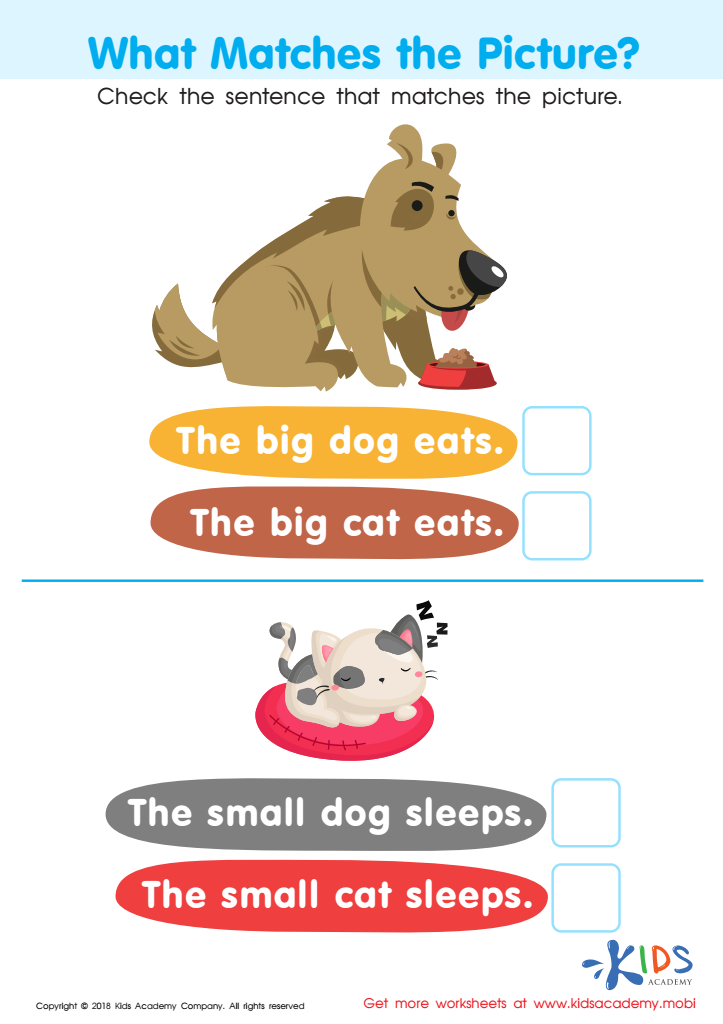
What Matches the Picture? Worksheet
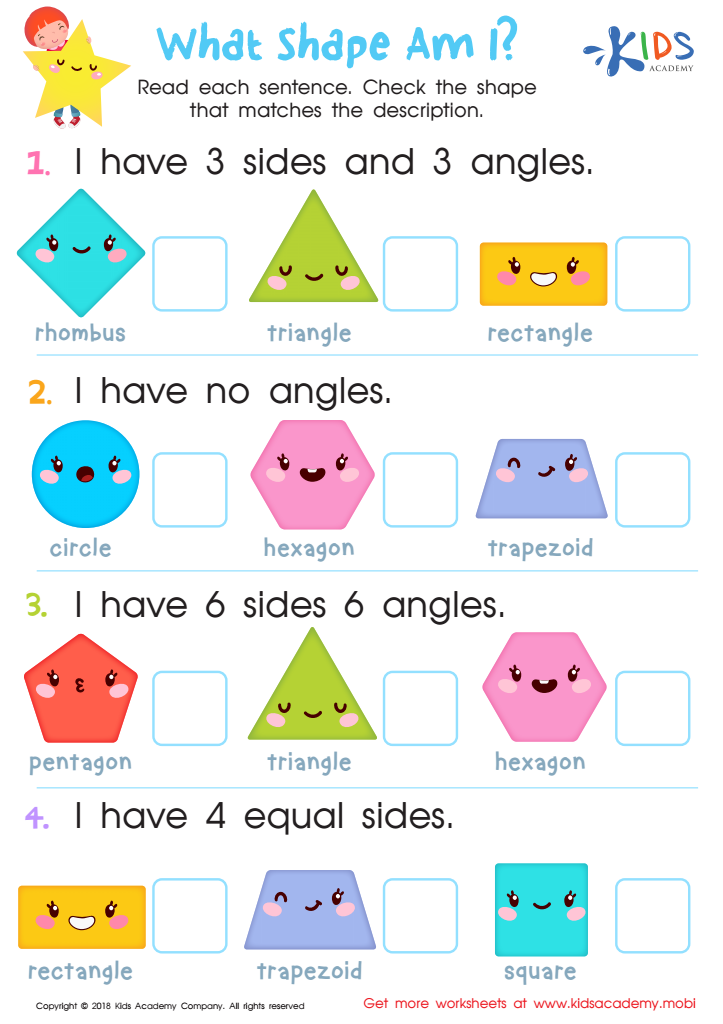
What Shape Am I? Worksheet
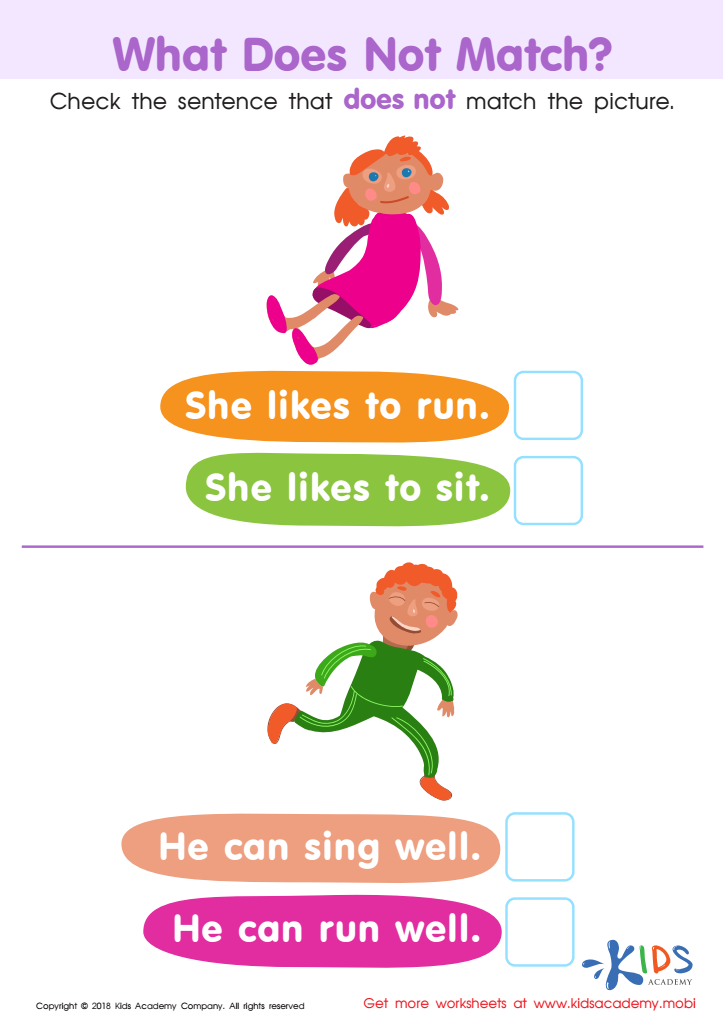
What Does Not Match? Worksheet







.jpg)
Visual discrimination is a crucial foundational skill, particularly for children aged 4-9, and it is important for parents and teachers to understand its value. At its core, visual discrimination involves the ability to notice and distinguish differences and similarities among visual stimuli, such as shapes, patterns, and letters.
For young children, this skill is vital for several reasons. Firstly, it is directly tied to early literacy skills. As children learn to read, they need to differentiate between letters like "b" and "d" or "p" and "q," which look similar but have different meanings. Mastery in visual discrimination thus aids in preventing common reading difficulties and lays the groundwork for fluent reading.
Secondly, visual discrimination supports mathematical understanding. Children learn to distinguish between symbols and numbers, and to recognise patterns, which is essential for developing early numeracy skills.
Additionally, strong visual discrimination skills contribute to better attention to detail. This not only helps in academic tasks, but also enhances their overall cognitive development, problem-solving skills, and even daily activities like identifying objects and friends.
By incorporating activities that strengthen visual discrimination, parents and teachers can provide children with crucial tools to succeed in various learning domains and everyday life. Engaging games, puzzles, and reading exercises are all effective methods to nurture this skill.








