Number Recognition Easy Addition Facts Worksheets for Ages 4-9
3 filtered results
-
From - To
Discover our engaging Number Recognition Easy Addition Facts Worksheets tailored for ages 4-9! These worksheets seamlessly blend fun with learning, helping young minds master number recognition and simple addition. Designed to build a strong mathematical foundation, each activity enhances cognitive skills, problem-solving abilities, and confidence in math. Perfect for both classroom settings and at-home learning, our worksheets provide vibrant, easy-to-follow exercises that keep kids motivated. With progressive difficulty levels, these resources ensure continuous growth and satisfaction. Visit Kids Academy now to boost your child's early math skills and set them on the path to success.
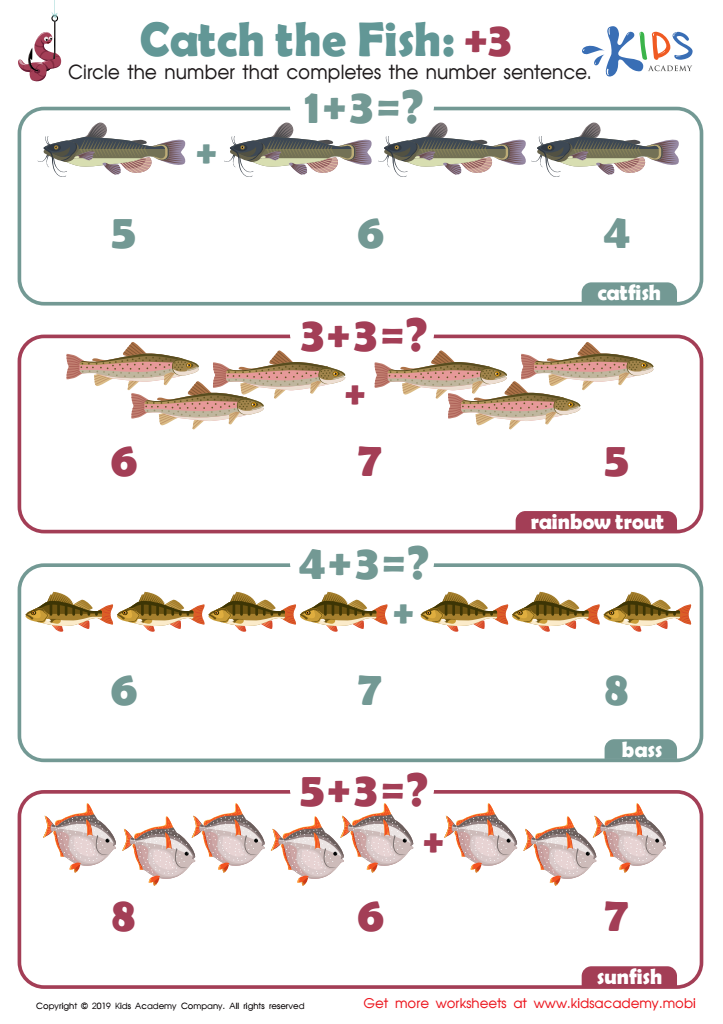
Catch the Fish: +3 Worksheet
 Assign to My Students
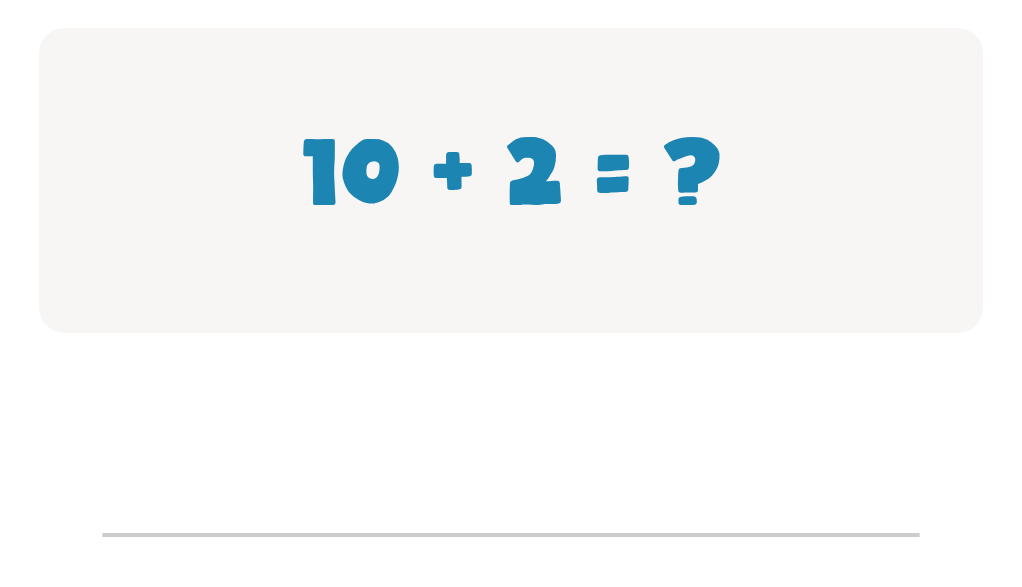

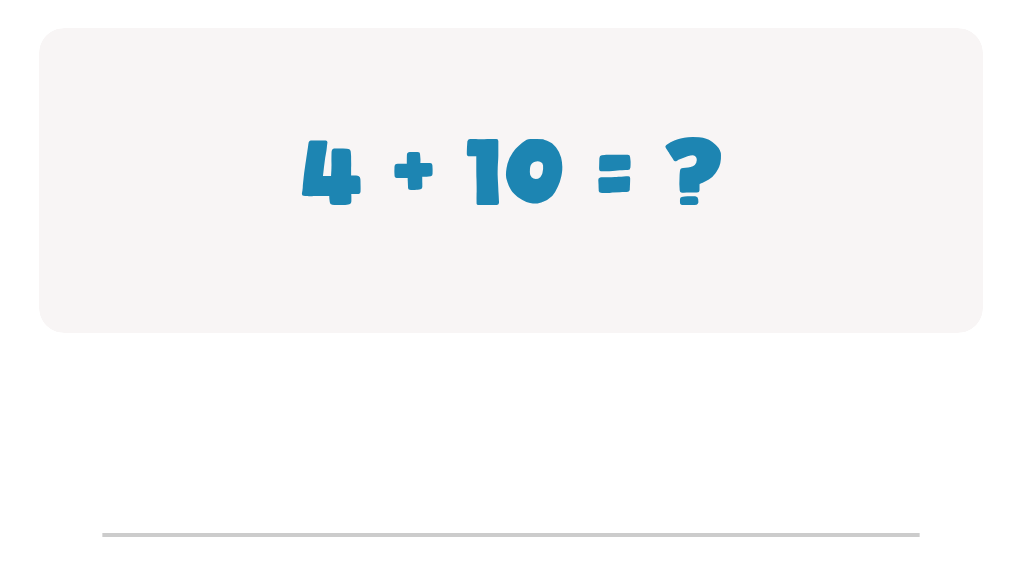
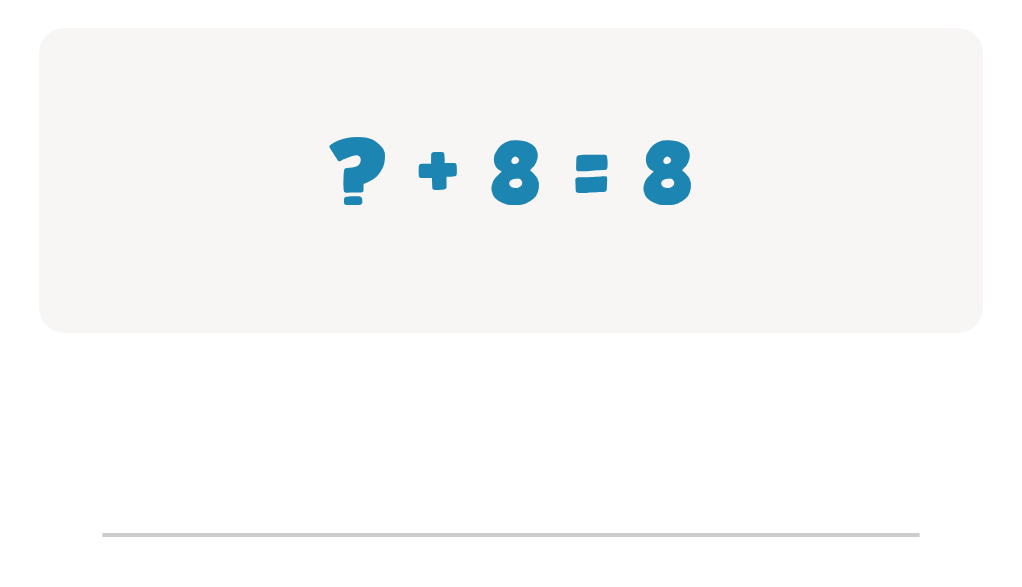

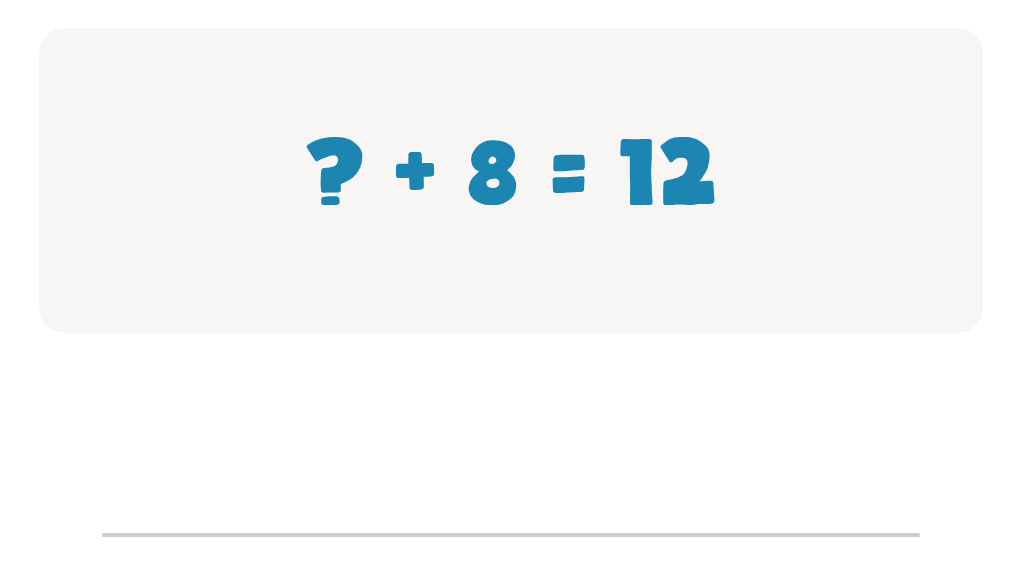
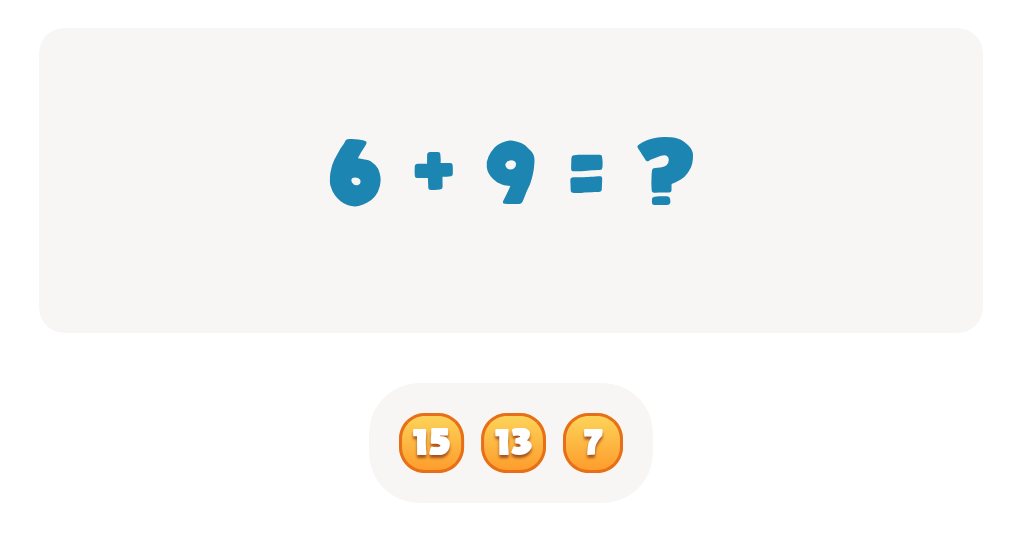
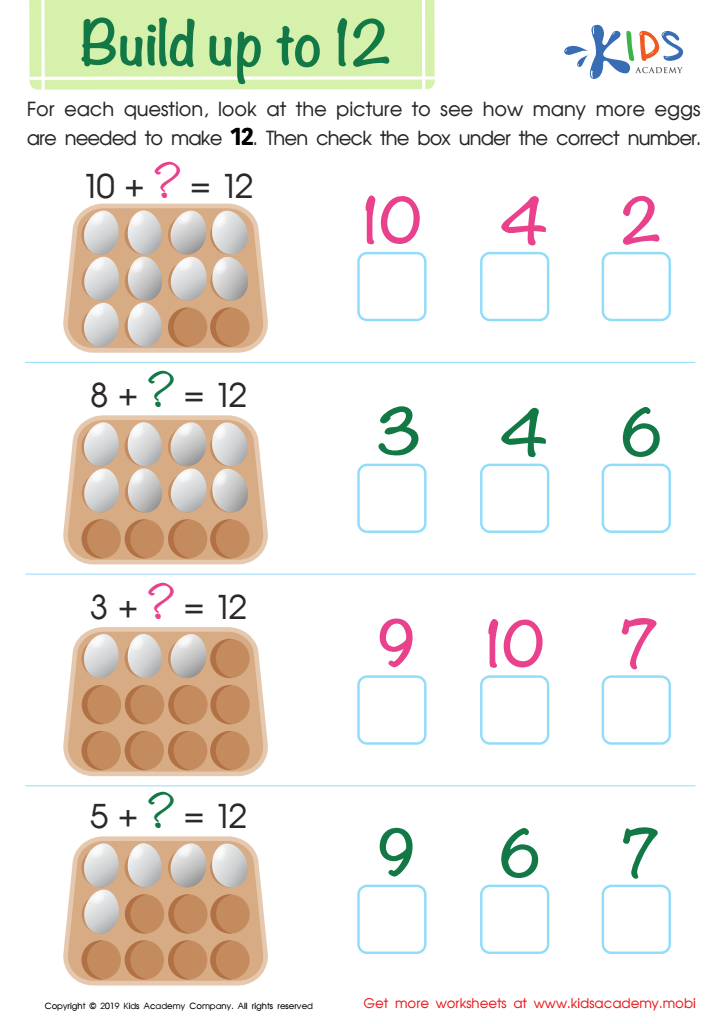
Build up to 12 Worksheet
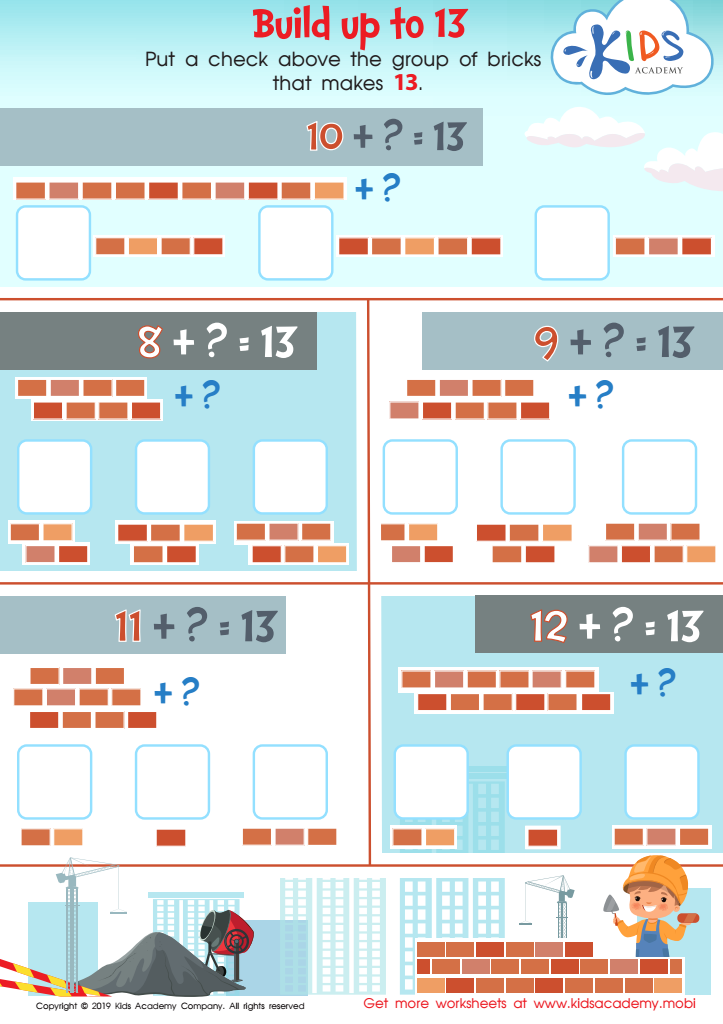
Build up to 13 Worksheet








Number recognition and easy addition facts are fundamental skills crucial for the cognitive development of children ages 4-9. These skills serve as the foundational building blocks for more advanced mathematical concepts children will encounter later in their academic journey.
First, number recognition helps children understand and identify the numeric symbols and their corresponding quantities, which is essential for performing any math-related task. When children are comfortable recognizing numbers, they can better understand and process mathematical instructions and problems. This early familiarity with numbers also improves their confidence, making them more willing to engage with math.
Easy addition facts, on the other hand, introduce children to the basic principles of addition – an essential arithmetic operation. Mastering these facts through practice and repetition helps achieve computational fluency, enabling children to solve more complex problems quickly and accurately. Moreover, fluency in basic addition enhances their ability to understand the imaginative and logical aspects of math, fostering critical thinking.
Consistent practice in these areas lays a strong foundation not just for future math learning, but also for general cognitive growth, including pattern recognition and problem-solving skills. Parental or teacher involvement in these early stages ensures that children receive the guidance, reinforcement, and encouragement needed to build confidence and competence for lifelong learning.








