Following instructions Easy Numbers Worksheets for Ages 4-9
5 filtered results
-
From - To
Introducing "Following Instructions Easy Numbers Worksheets for Ages 4-9" – the perfect resource to help young learners master number concepts and improve their ability to follow directions! Ideal for kids aged 4 to 9, these engaging and thoughtfully designed worksheets focus on foundational math skills while fostering critical learning skills such as listening and following instructions. Each worksheet offers vibrant illustrations and fun activities, ensuring that children remain engaged and motivated throughout their learning journey. Tailored to support early childhood development, these worksheets pave the way for academic success and a lifelong love for math. Download today and watch your child excel!
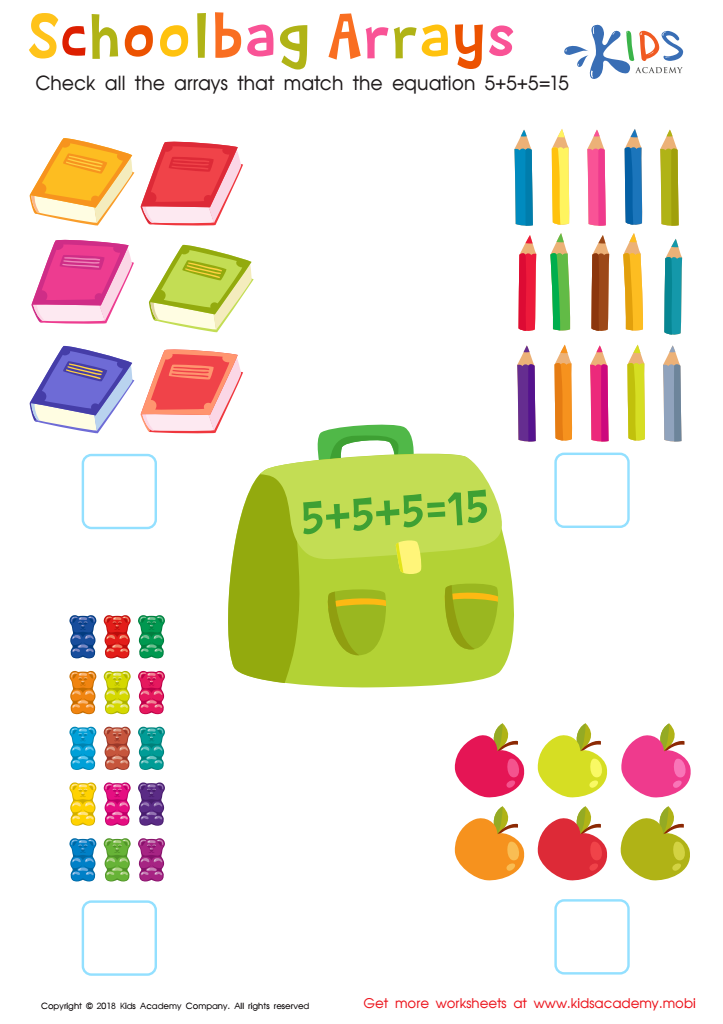
Schoolbag Arrays Worksheet
 Assign to My Students

6 Parrots Worksheet
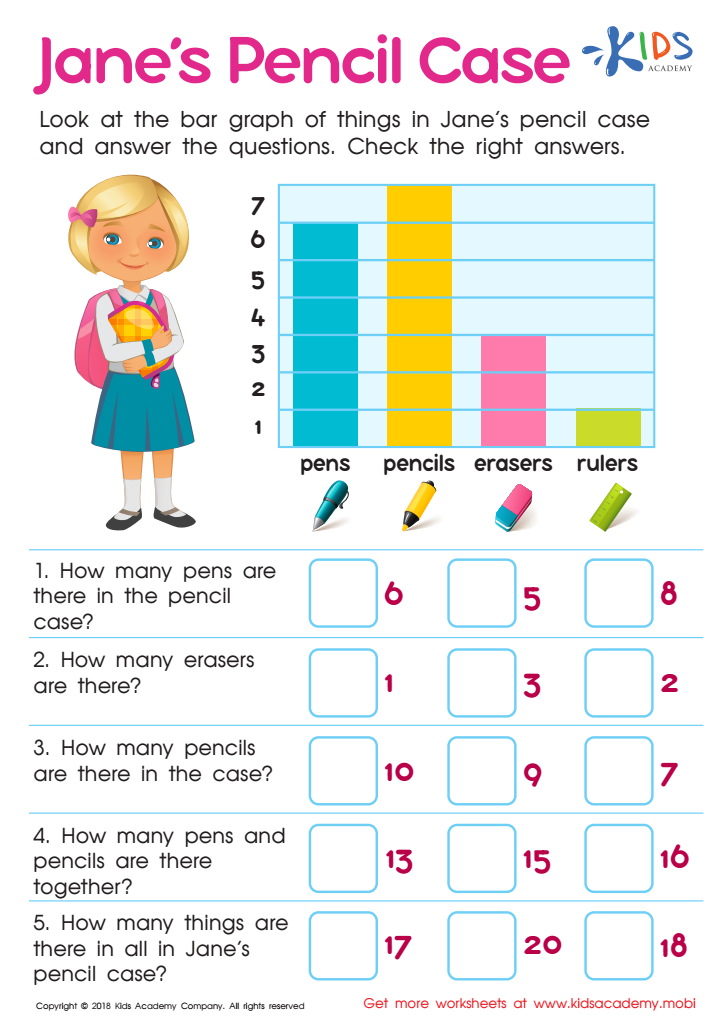
Jane's Pencil Case Worksheet
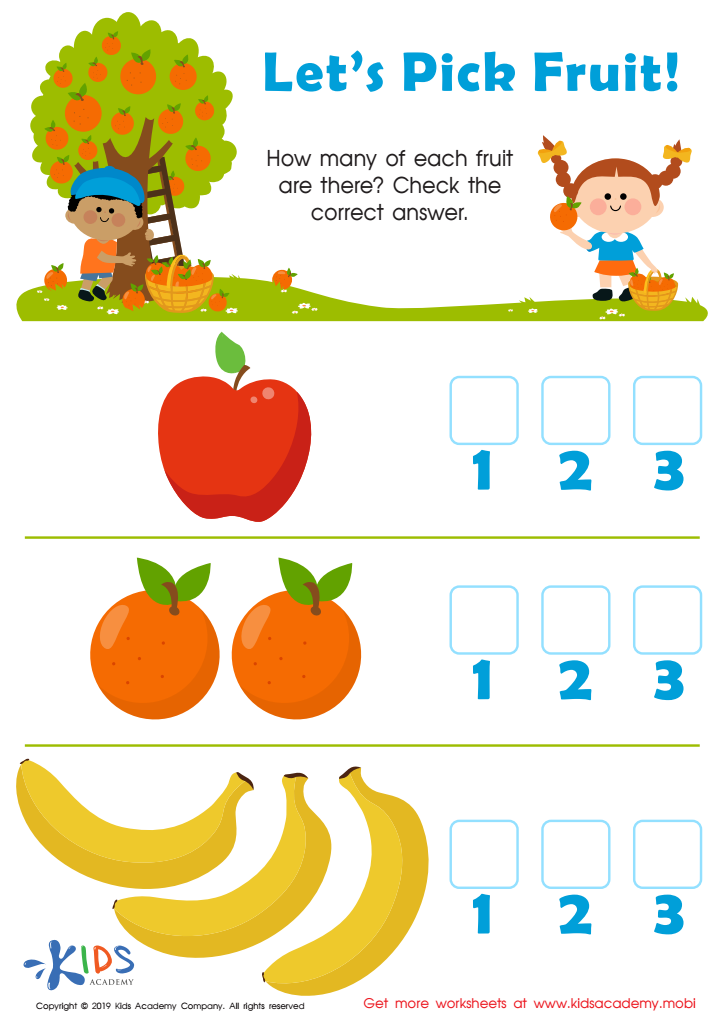
Let's Pick Fruit Worksheet
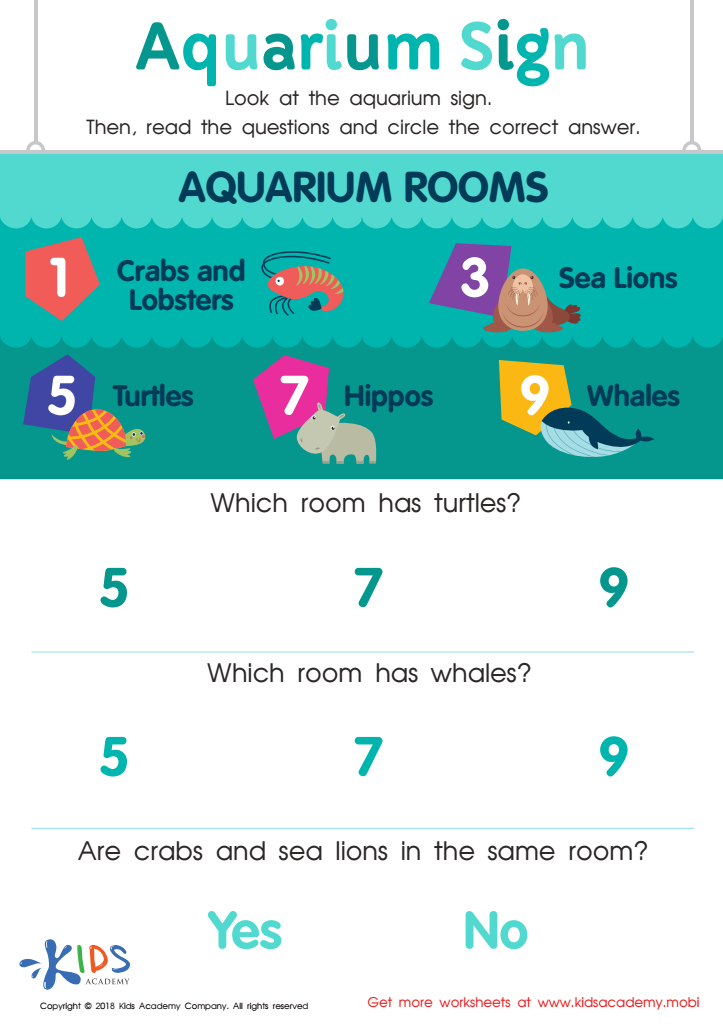
Assessment: Aquarium Sign Worksheet








Following instructions and understanding simple numbers are foundational skills for children aged 4-9. These abilities are crucial for a child's overall cognitive development and future academic success.
Firstly, following instructions enhances a child’s listening skills, which are vital for effective communication. It helps them comprehend tasks better, ensuring they can follow directions in various settings, such as school, home, and social interactions. This skill also fosters independence and confidence, as children learn to complete tasks on their own.
Understanding numbers is key to developing early math skills. It sets the stage for more complex mathematical concepts and problem-solving abilities. When children grasp the basics of counting, addition, and subtraction, they build a strong numerical foundation. This knowledge is crucial not just for academic purposes, like excelling in math, but also for daily life activities like telling time or identifying quantities.
Furthermore, these skills aid in developing a child’s attention span and concentration. Engaging with instructions and numbers improves their ability to focus on tasks for extended periods.
Involvement from parents and teachers in nurturing these skills ensures that children receive consistent practice and positive reinforcement, enabling them to thrive academically and socially. Overall, these foundational skills contribute to the holistic development of a child, equipping them for future challenges.








