Shape Recognition Easy Numbers Worksheets for Ages 4-9
3 filtered results
-
From - To
Discover our engaging "Shape Recognition Easy Numbers Worksheets" designed for children aged 4-9! These interactive worksheets make learning about shapes and numbers fun and accessible. Through vibrant illustrations and hands-on activities, young learners will enhance their shape recognition skills while developing foundational math abilities. Each worksheet combines colorful visuals with simple instructions, fostering confidence in identifying shapes while making connections to numbers. Perfect for classroom use or home reinforcement, our easy-to-follow worksheets cater to diverse learning styles and ensure children grasp essential concepts. Unlock your child’s potential and raise their enthusiasm for learning with these captivating resources today!
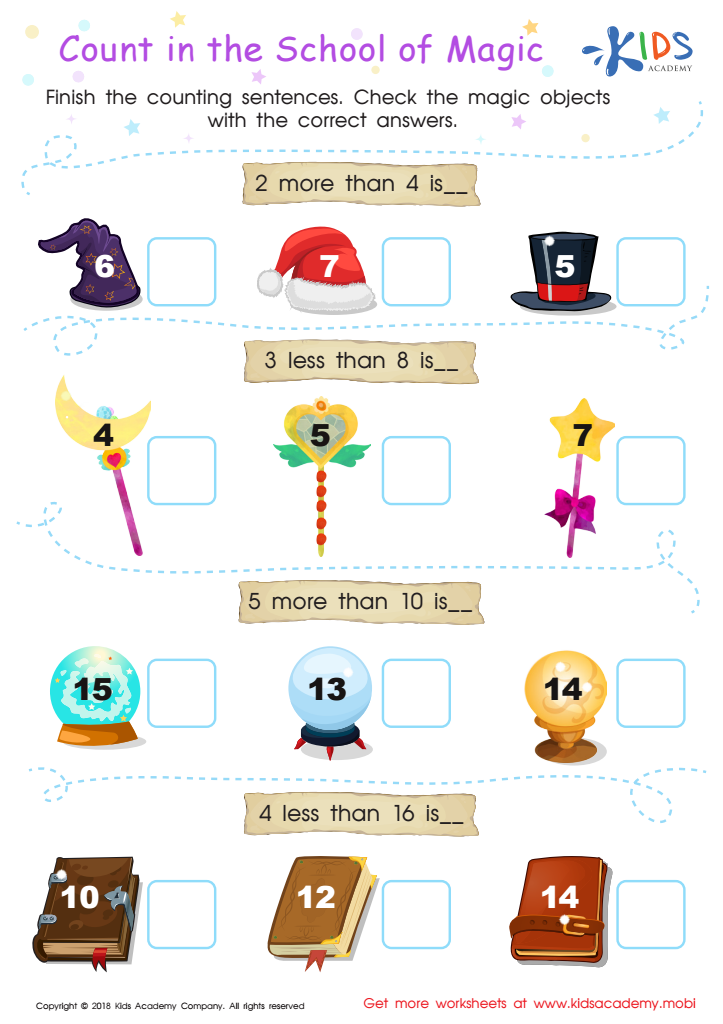
Count in the School of Magic Worksheet
 Assign to My Students
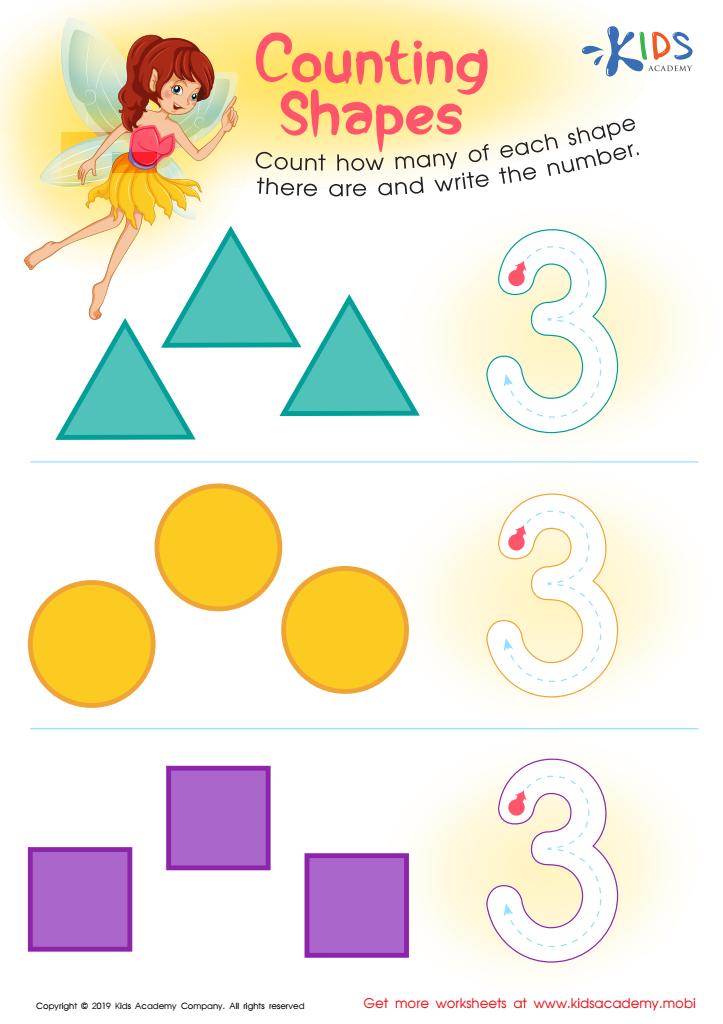
Counting Shapes Worksheet
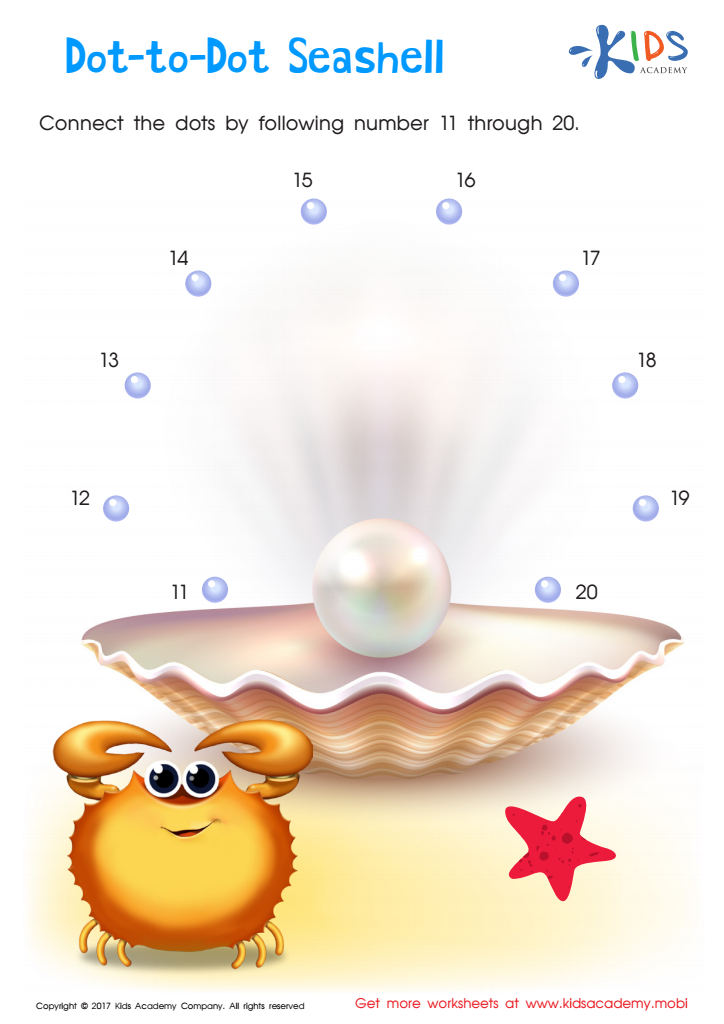
Ordering 11–20: Dot–to–dot Seashell Printable








Shape recognition and understanding easy numbers are foundational skills for children aged 4-9, essential in their cognitive and developmental growth. When children learn to recognize shapes, they develop critical thinking and spatial awareness, which are crucial for problem-solving in math, art, and science. Shapes serve as the building blocks for later mathematical concepts, helping children understand geometry and facilitating a smoother transition into more complex tasks.
Additionally, learning easy numbers cultivates numeracy skills, promoting a child's ability to count, compare, and perform basic arithmetic. This understanding lays the groundwork for future math proficiency and helps enhance their ability to think logically.
For teachers and parents, fostering these skills in early education supports a well-rounded curriculum that addresses the diverse learning needs of students. Engaging with shapes and numbers through interactive play, art, and everyday activities makes learning enjoyable, deepening children's interest and motivation. Early intervention and support in these areas help identify and overcome any learning gaps, setting children on a path to academic success. Therefore, recognizing the significance of these foundational skills is critical in ensuring children are prepared for future educational challenges and opportunities.








