Counting skills Easy Math Worksheets for Ages 4-9 - Page 4
89 filtered results
-
From - To
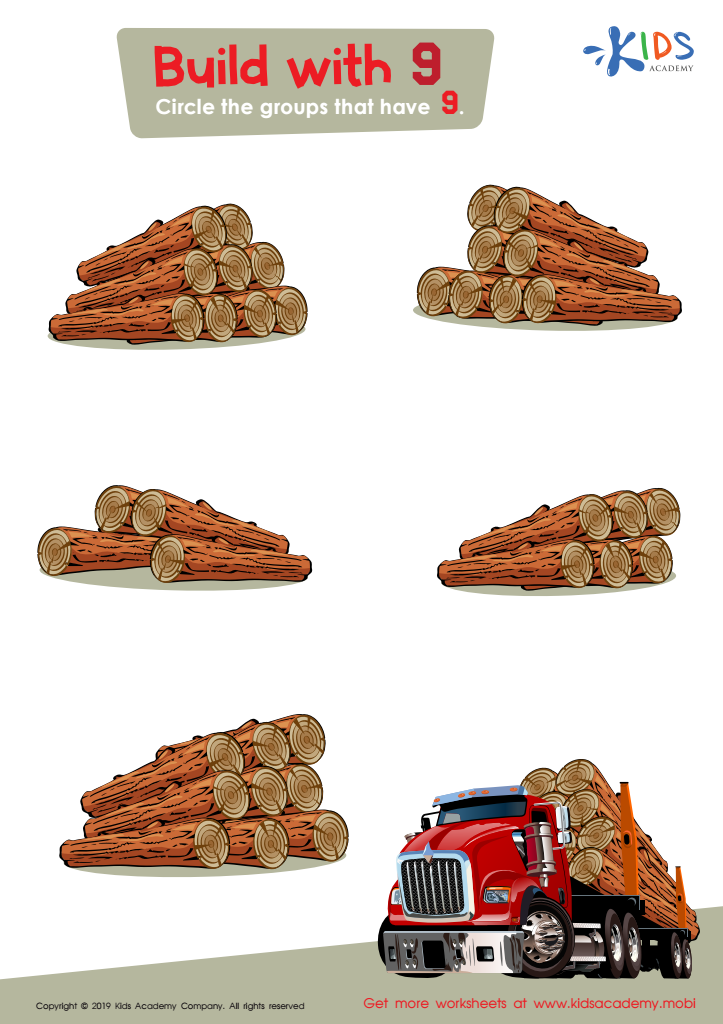
Build with 9 Worksheet
 Assign to My Students

Aircraft Carrier Picture Graphs Worksheet
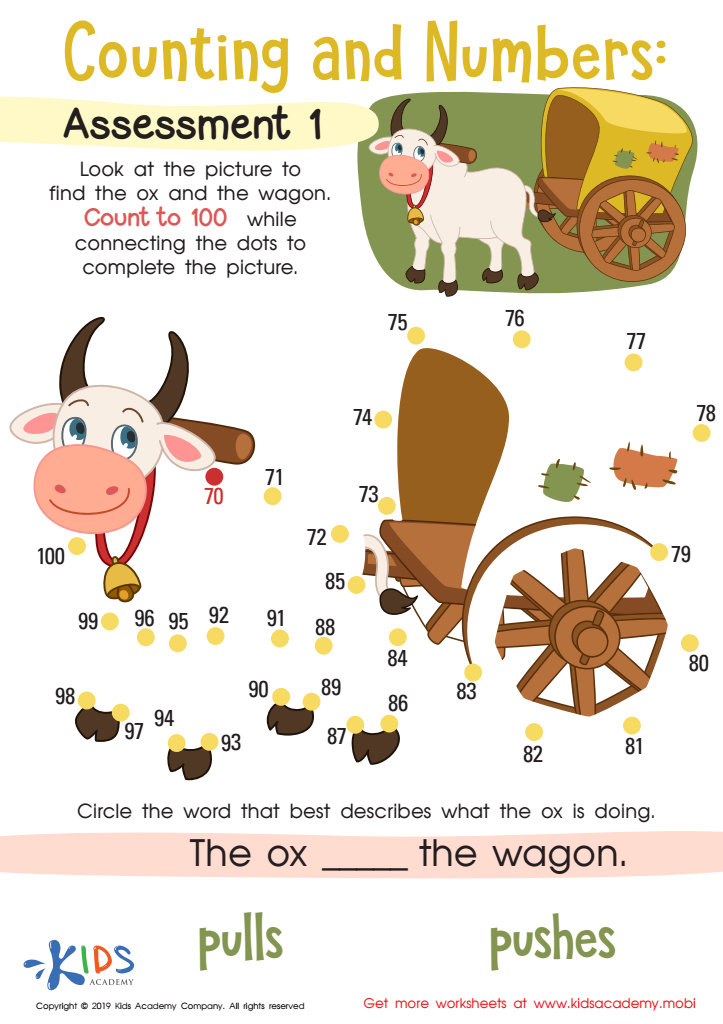
Counting and Numbers: Assessment 1 Worksheet
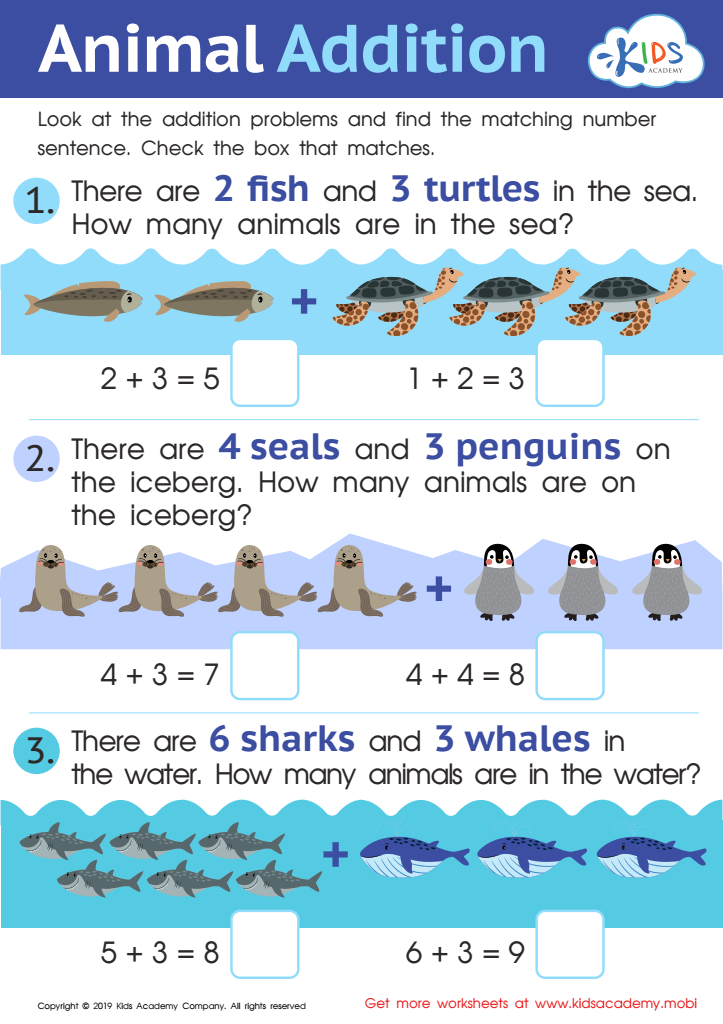
Animal Addition Worksheet
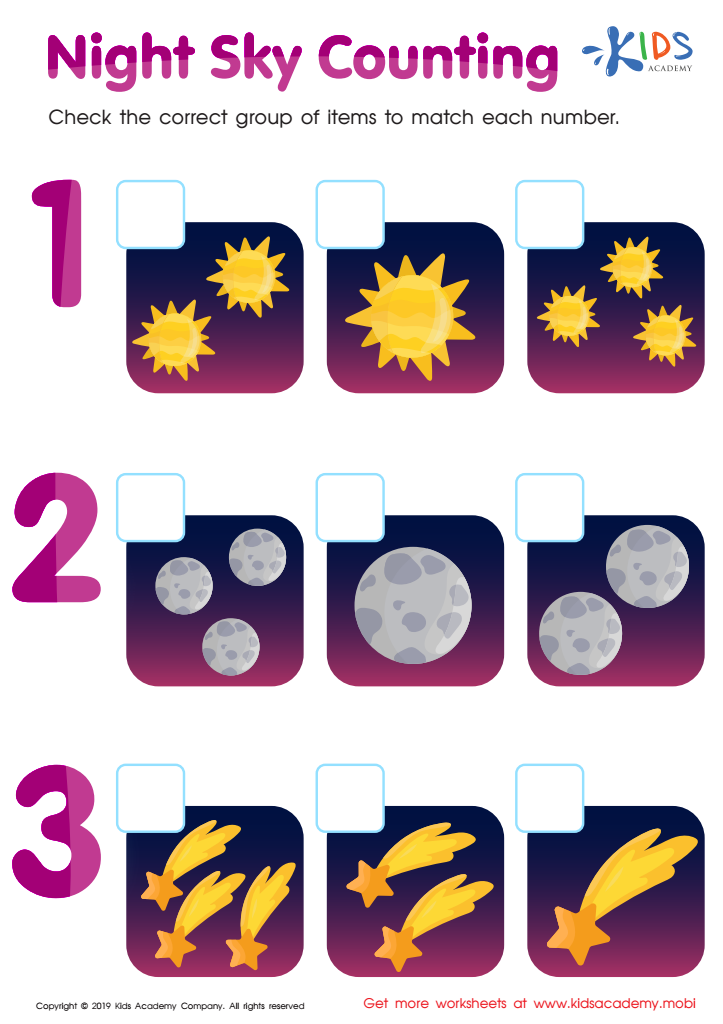
Night Sky Counting Worksheet
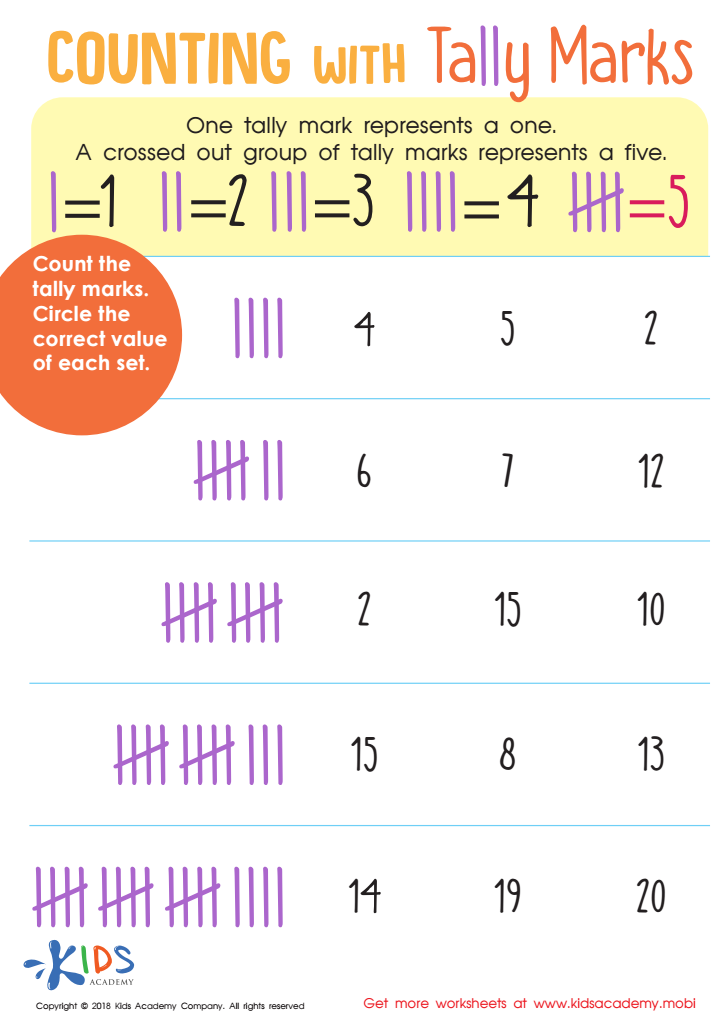
Counting with Tally Marks Worksheet
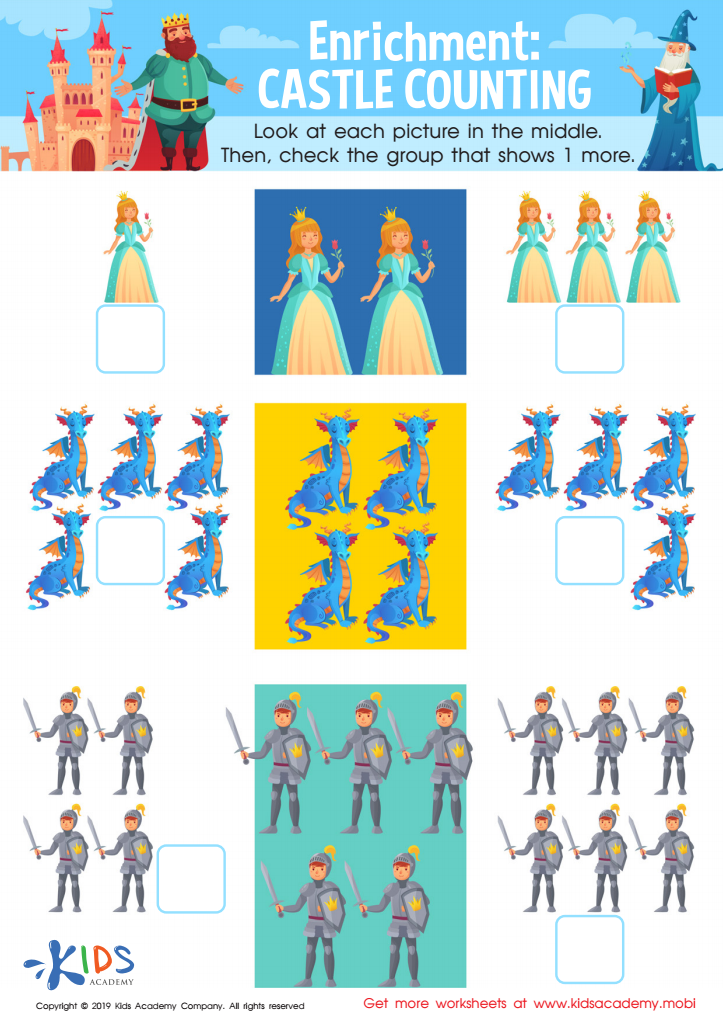
Enrichment: Castle Counting Worksheet
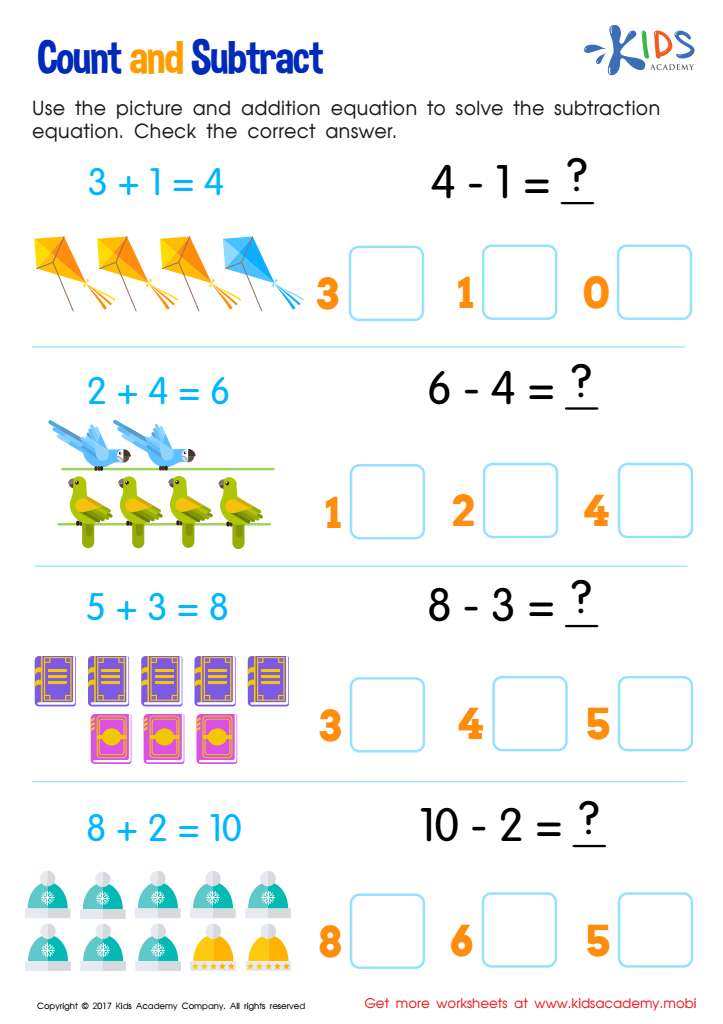
Count and Subtract Worksheet
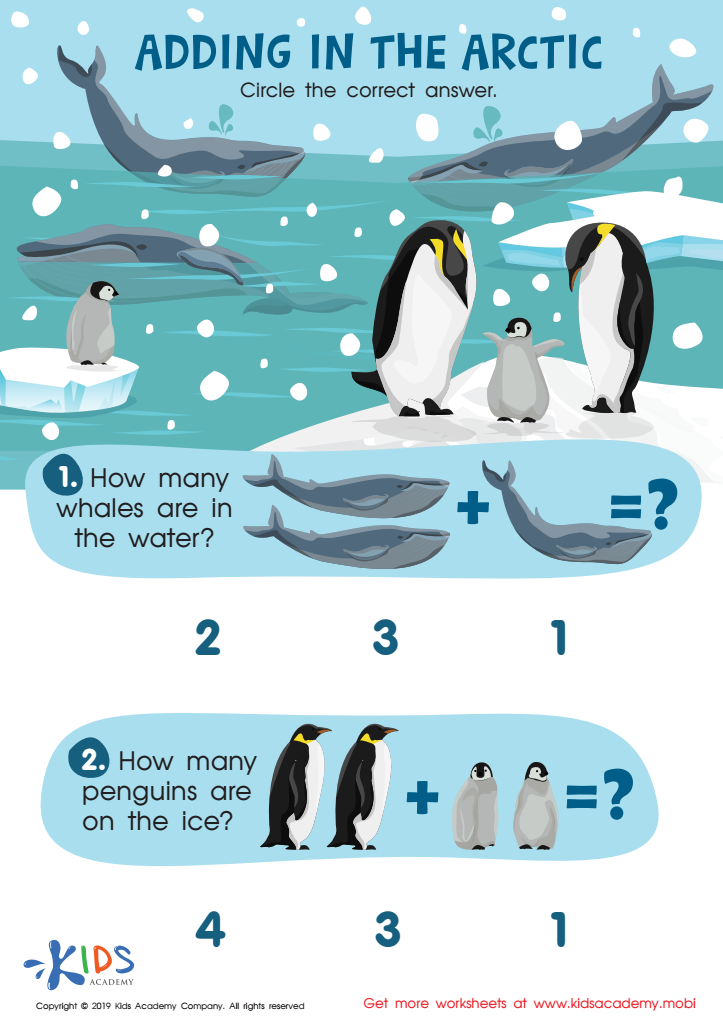
Adding in the Arctic Worksheet
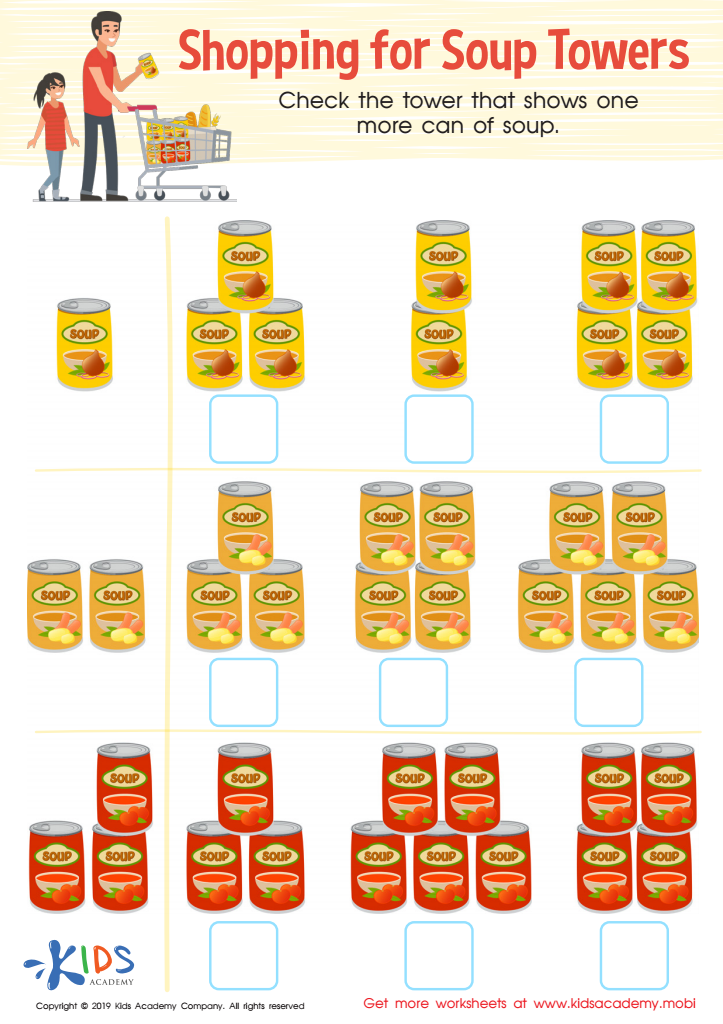
Soup Towers Worksheet
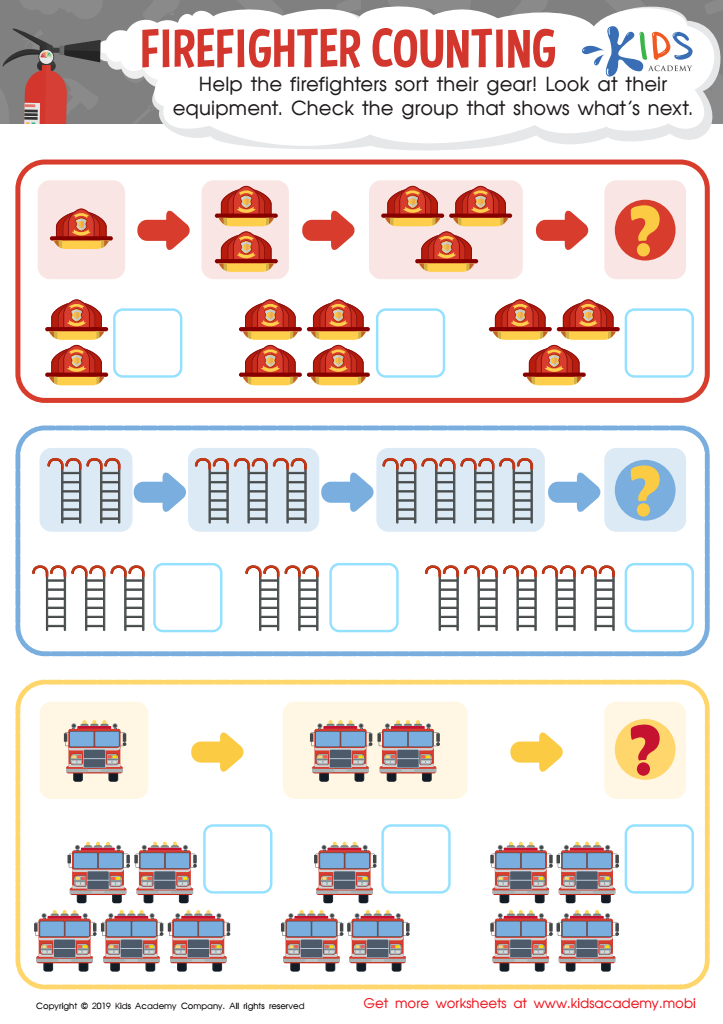
Firefighter Counting Worksheet
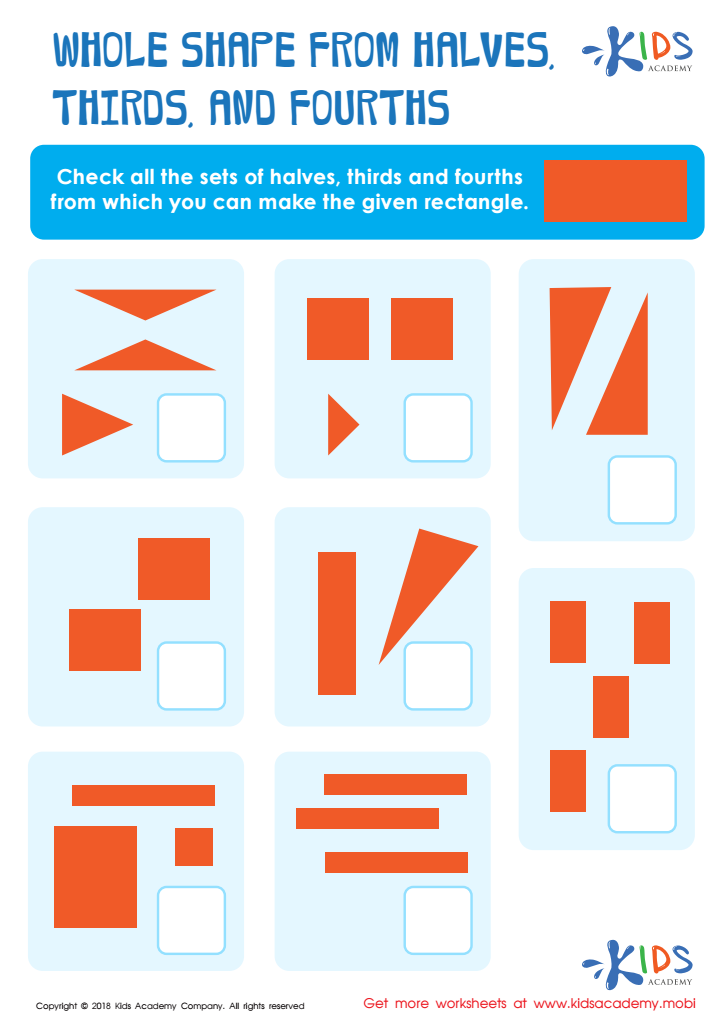
Whole Shape from Halves, Thirds and Fourths Worksheet
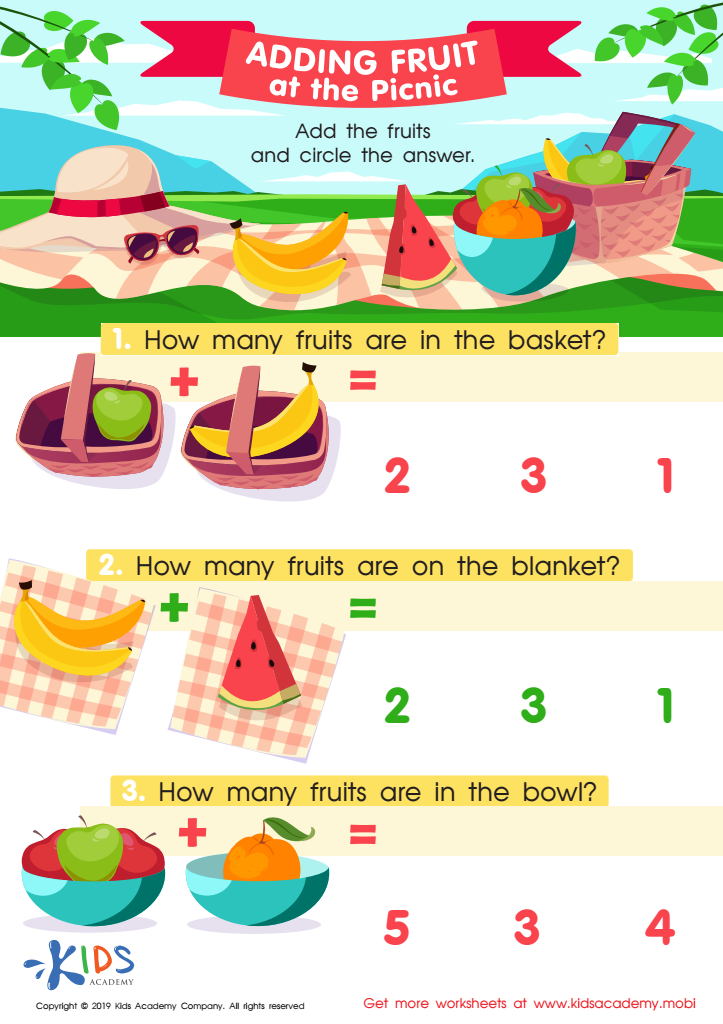
Adding Fruit at the Picnic Worksheet
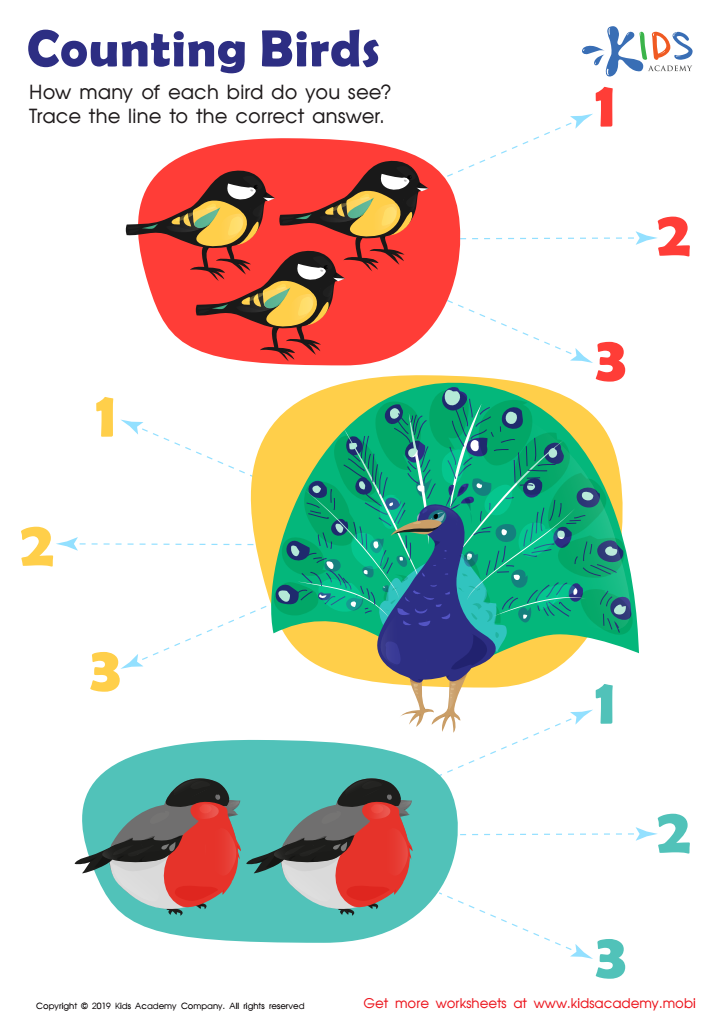
Counting Birds Worksheet
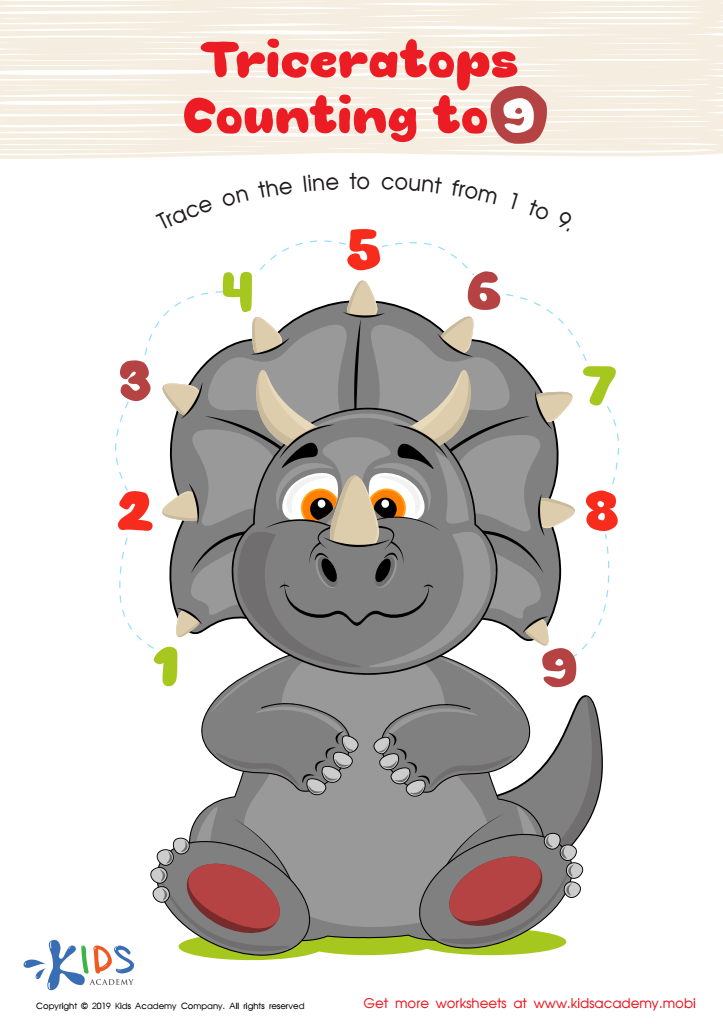
Triceratops Counting to 9 Worksheet
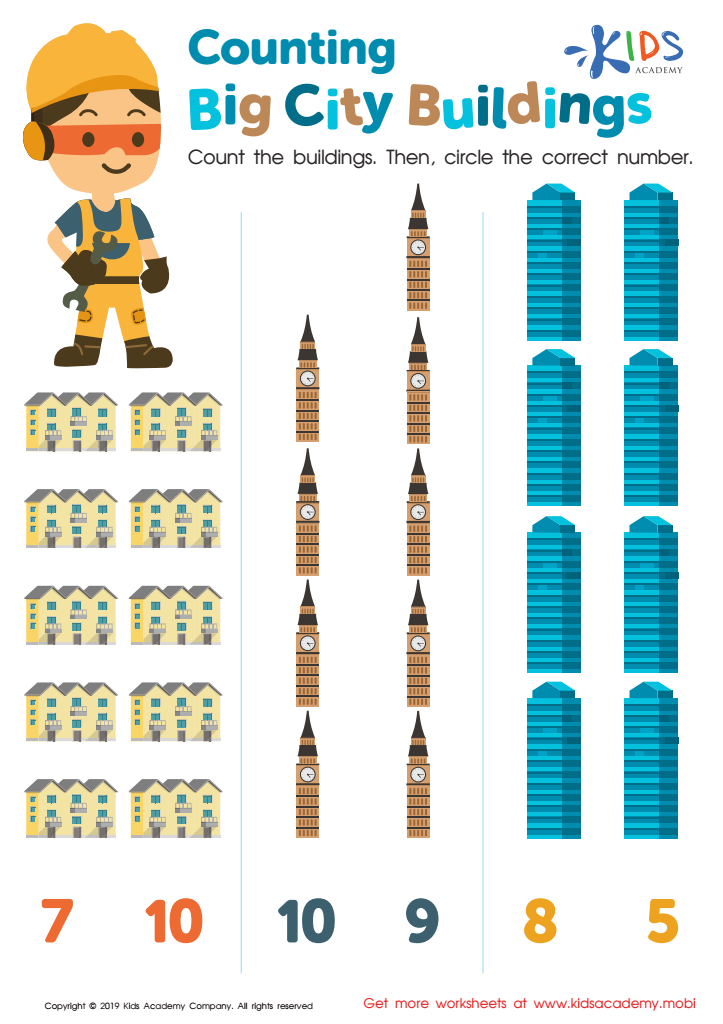
Counting Big City Buildings Worksheet

Night Sky Numbers Worksheet








Counting skills are foundational to early childhood education, serving as the building blocks for more advanced mathematical concepts as children grow. For ages 4-9, early proficiency in counting significantly impacts their future success in math and other STEM subjects.
Firstly, counting introduces the basic concepts of number recognition and sequence, which are critical for understanding more complex operations like addition, subtraction, multiplication, and division. It aids in strengthening a child's number sense, which is essential for making logical decisions and solving problems effectively.
Secondly, counting activities boost cognitive development. They sharpen memory, attention span, and improve both fine and gross motor skills through activities such as counting objects, using fingers, or hopping in sequence. These activities often enhance a child's spatial awareness and pattern recognition, critical skills needed in everyday tasks and other academic areas.
Furthermore, counting exercises nurture a child's confidence. A firm grasp of counting reassures children of their abilities, fostering a positive attitude towards learning. This confidence extends beyond mathematics, encouraging curiosity and resilience in facing more challenging subjects.
For parents and teachers, focusing on easy math and counting skills provides children with essential life skills, builds a strong academic foundation, and stimulates intellectual growth, ultimately setting the stage for lifelong learning and problem-solving abilities.








