Easy Building Vocabulary Worksheets for Ages 4-9 - Page 2
43 filtered results
-
From - To
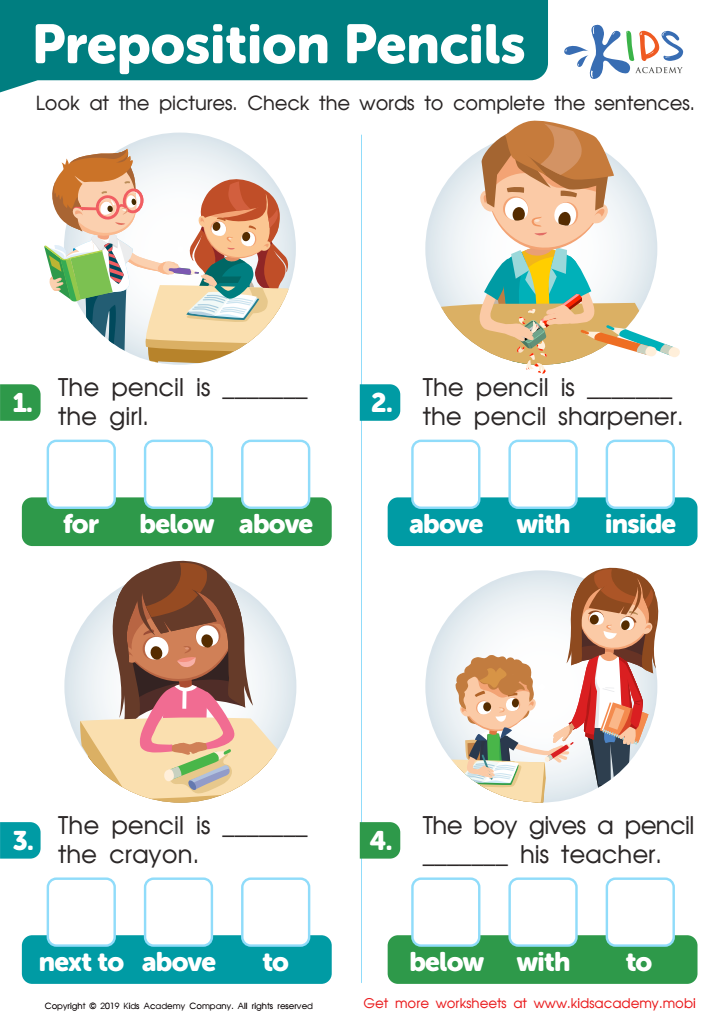
Preposition Pencils Worksheet











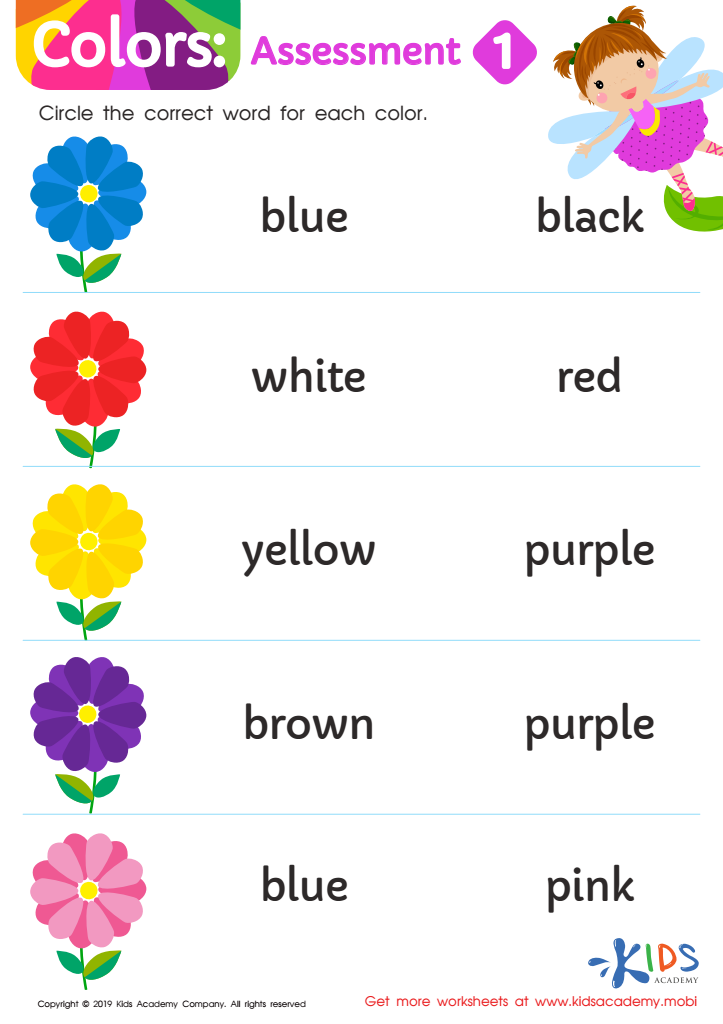
Colors: Assessment 1 Worksheet
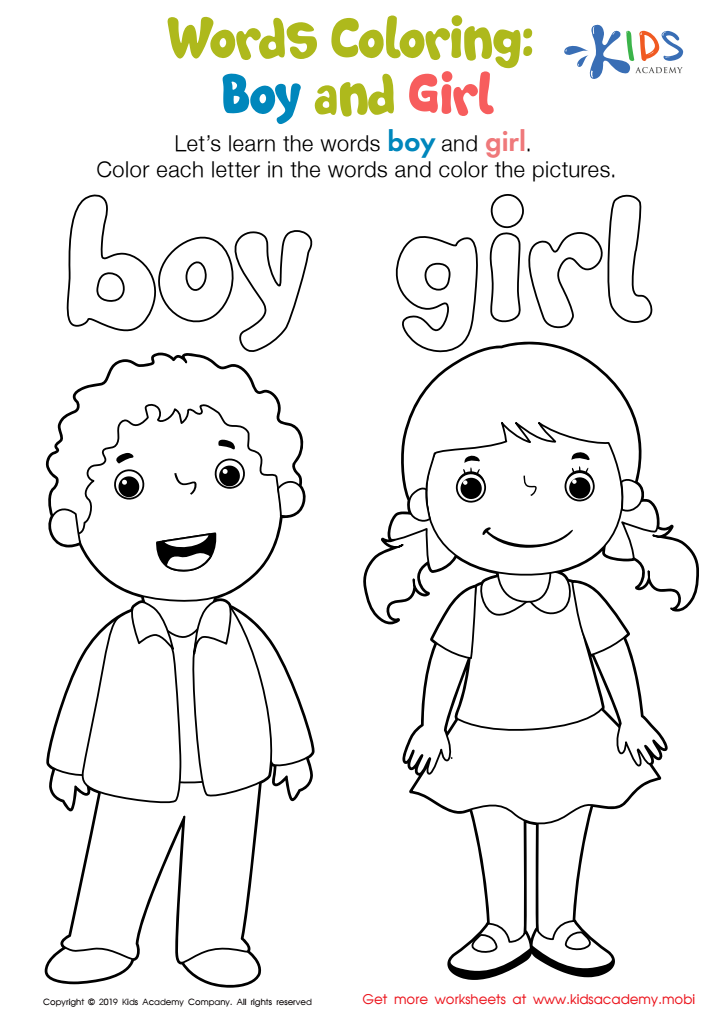
Boy and Girl Words Coloring Worksheet
 Assign to My Students
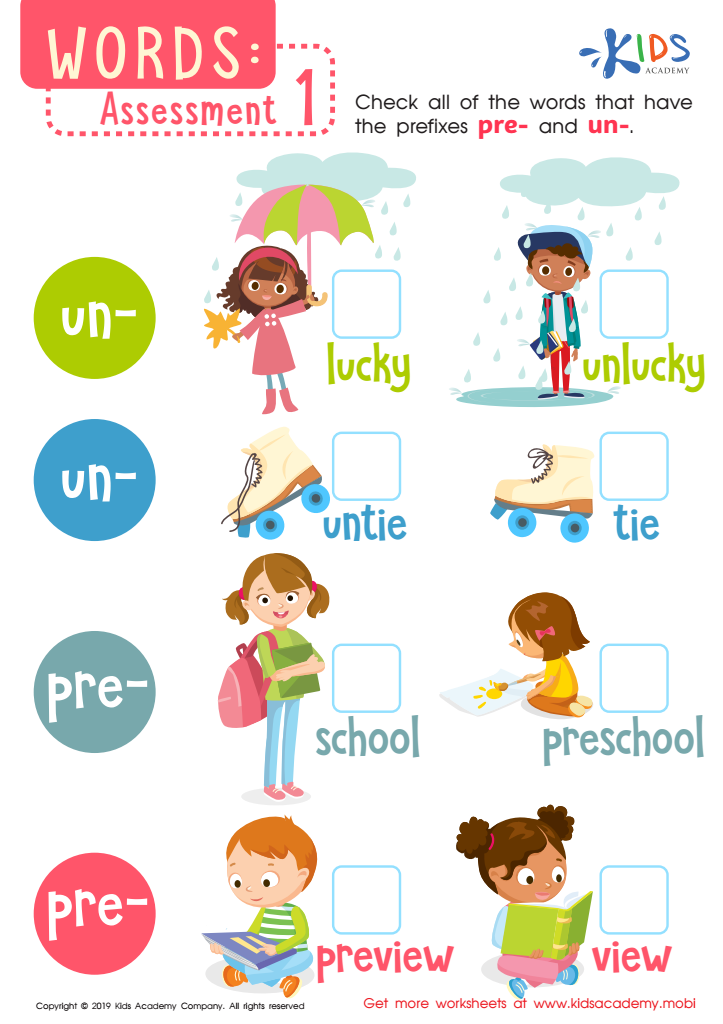
Words: Assessment 1 Worksheet
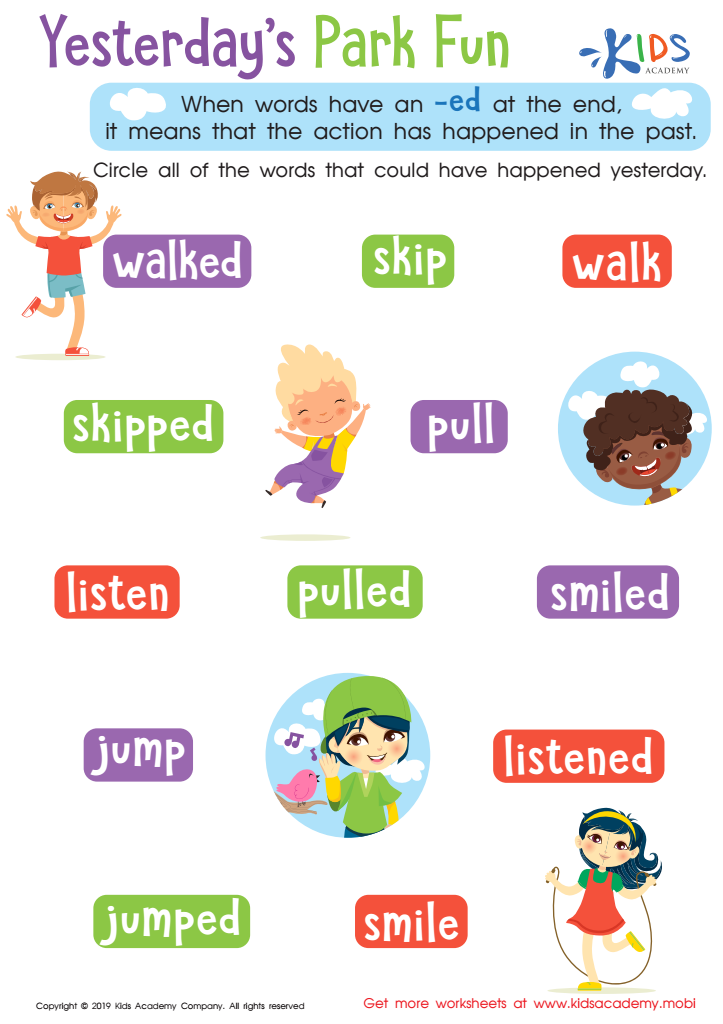
Yesterday's Park Fun Worksheet
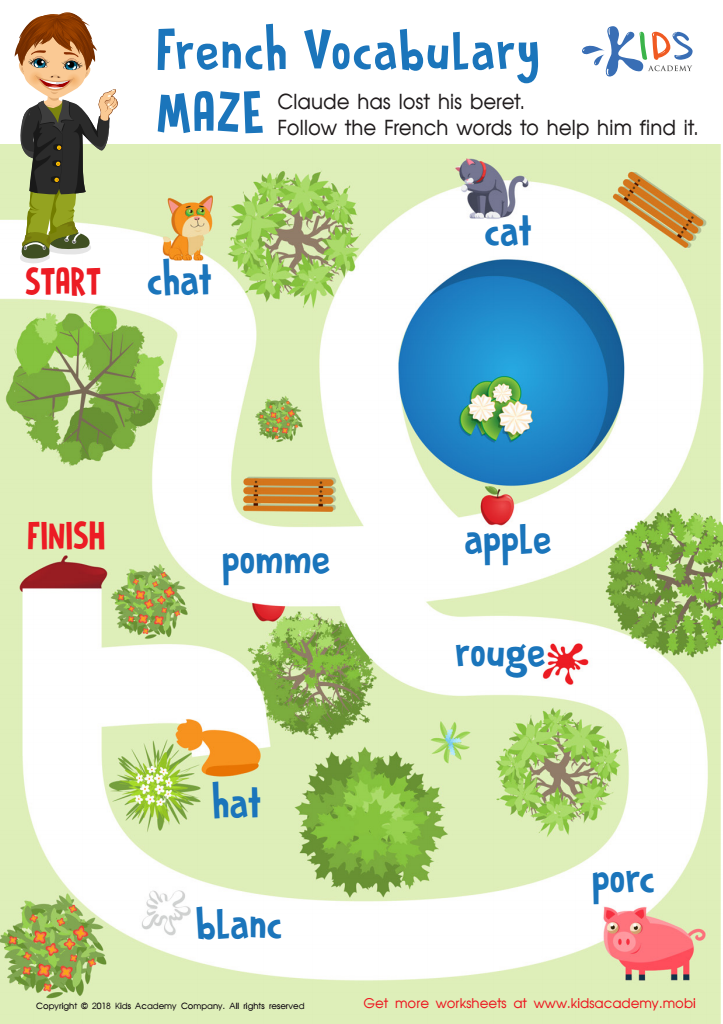
French Vocabulary Maze Worksheet
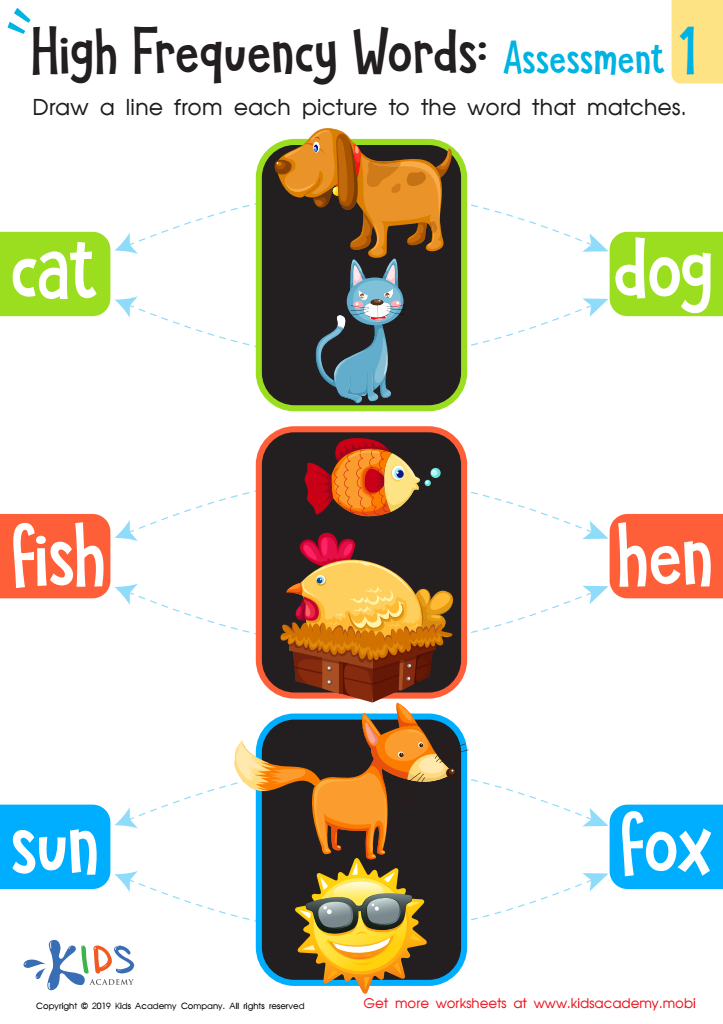
High Frequency Words: Assessment 1 Worksheet
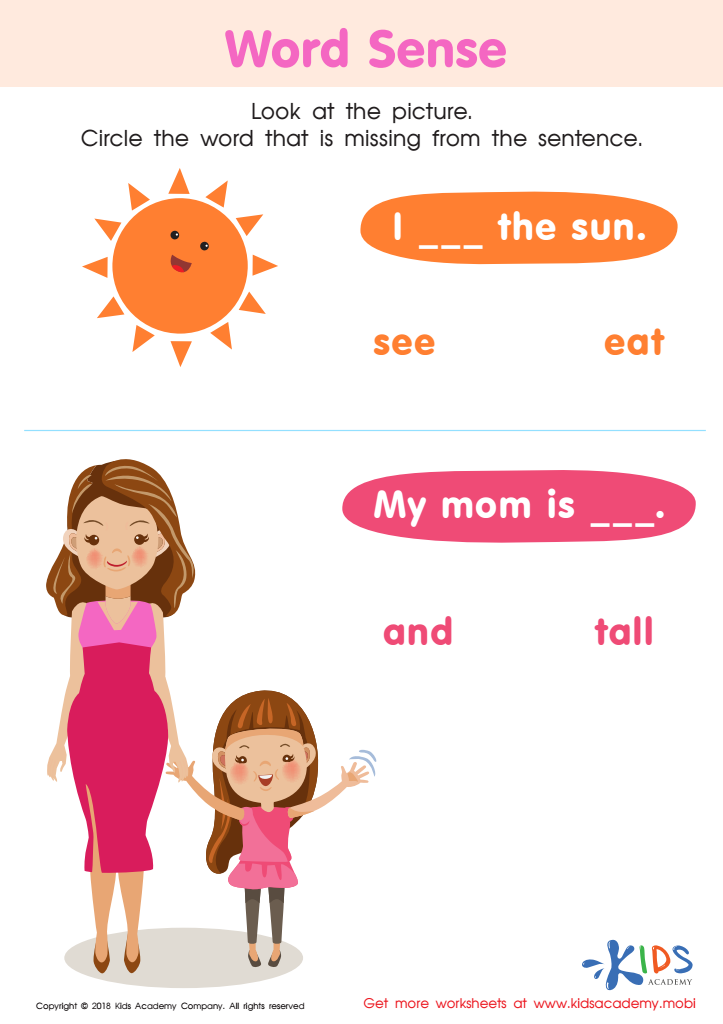
Word Sense Worksheet
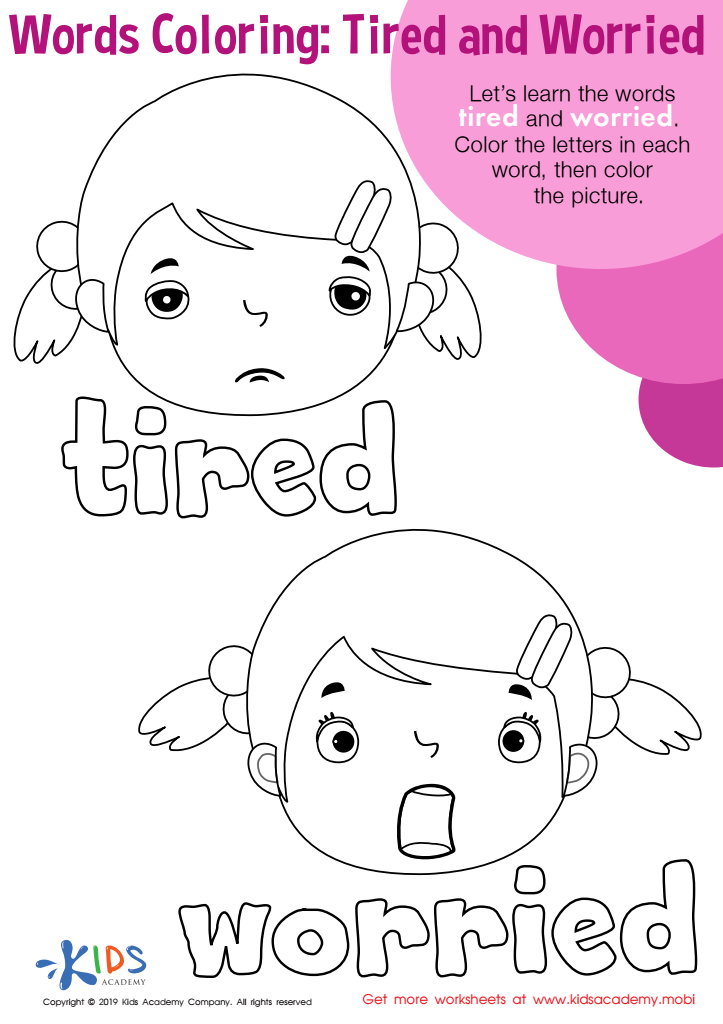
Tired and Worried Words Coloring Worksheet
Assign to My Students
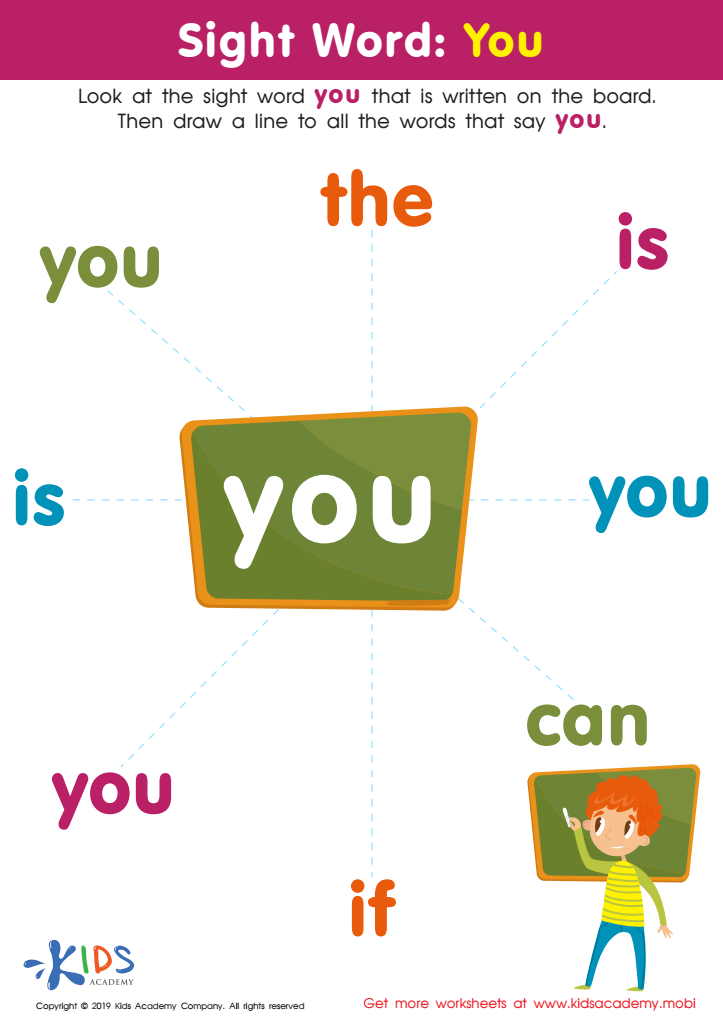
Sight Word You Worksheet
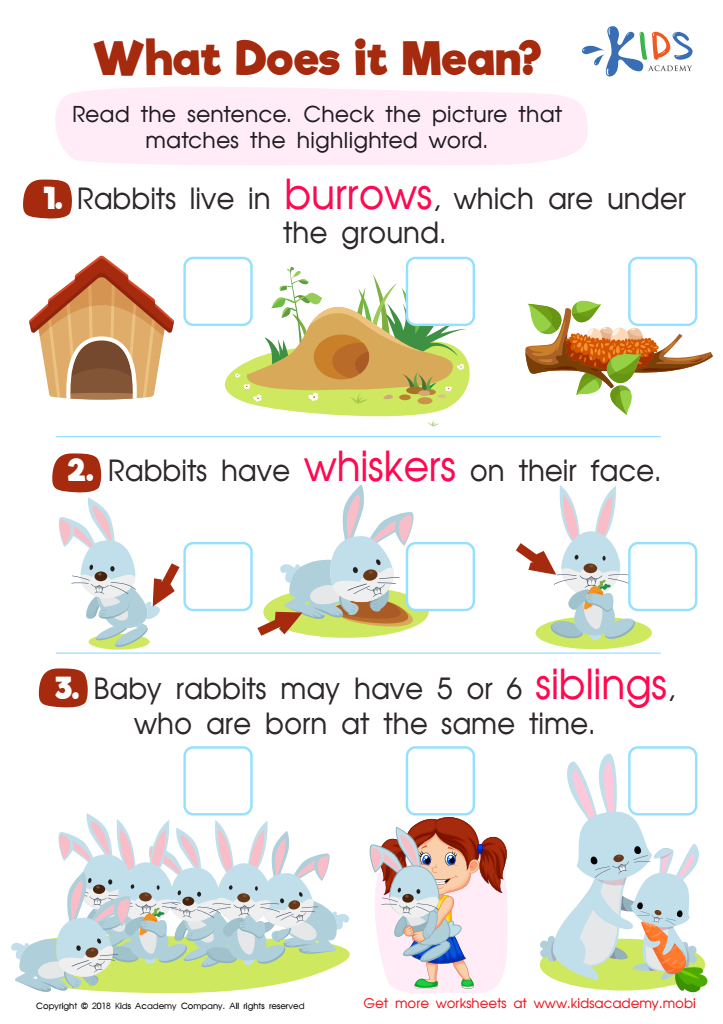
What Does It Mean? Worksheet
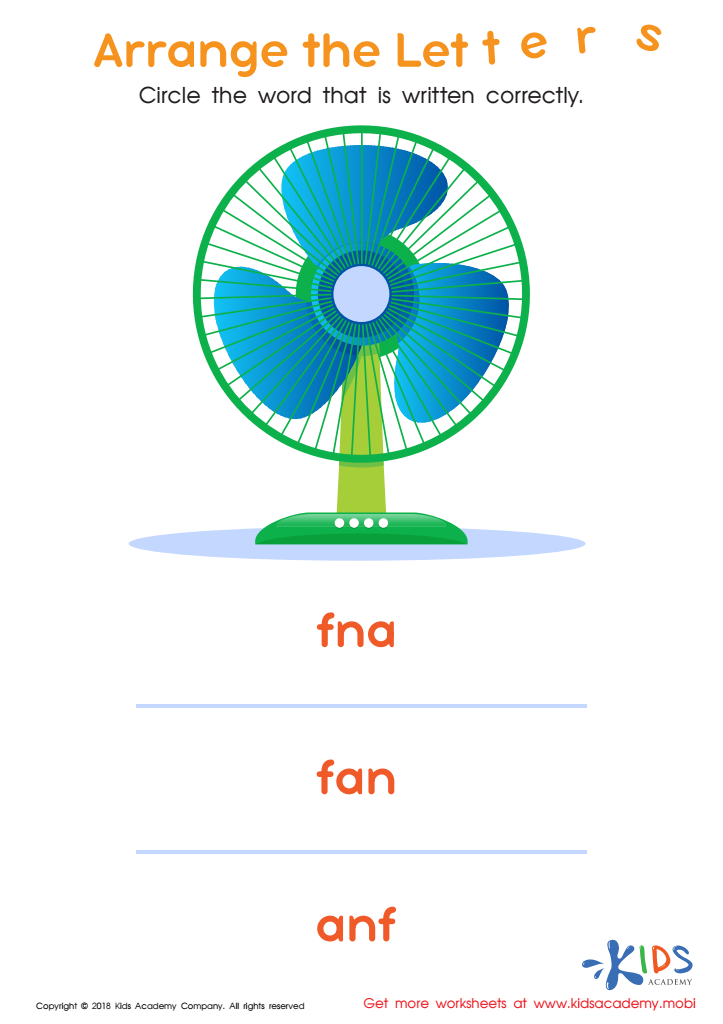
Arrange the Letters Worksheet
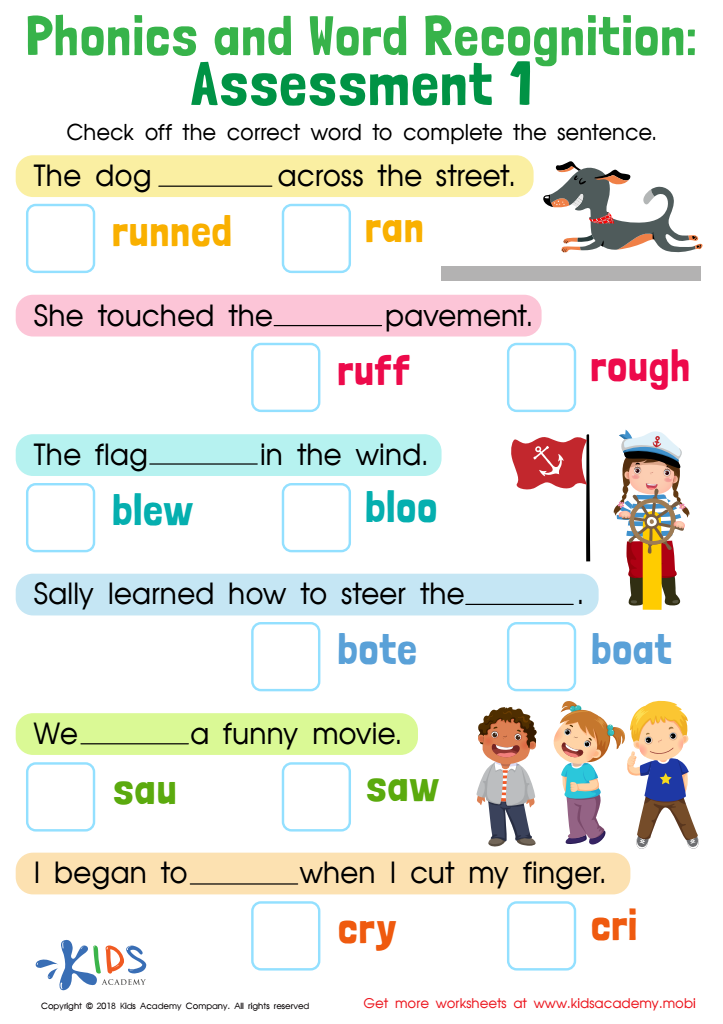
Phonics and Word Recognition: Assessment 1 Worksheet
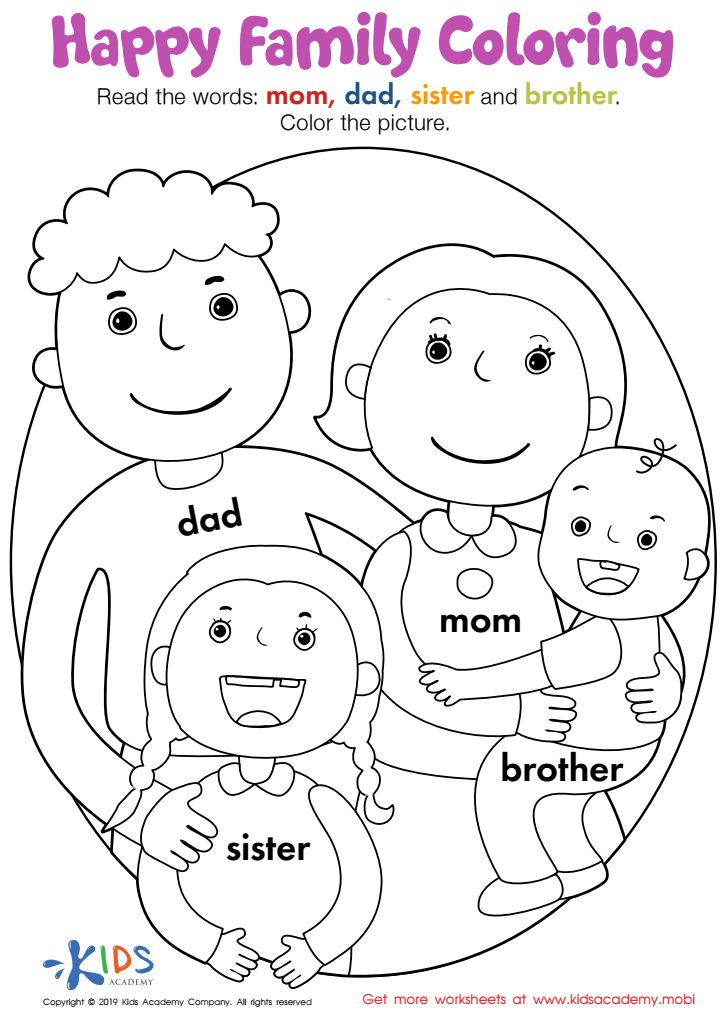
Happy Family Coloring Worksheet
Assign to My Students
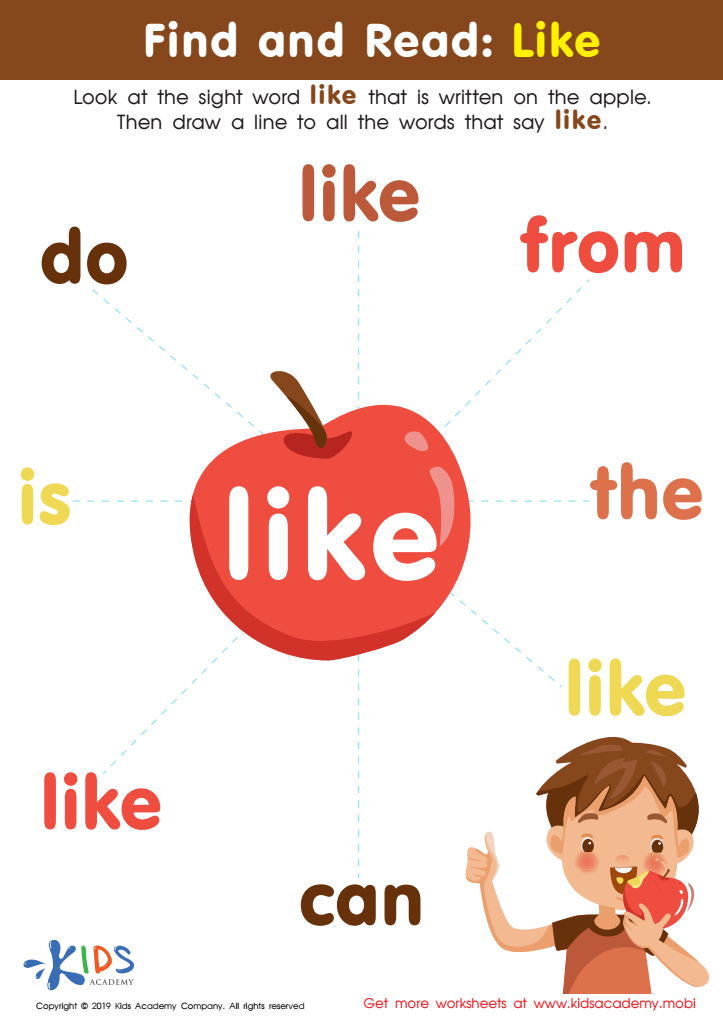
Find and Read: Like Worksheet
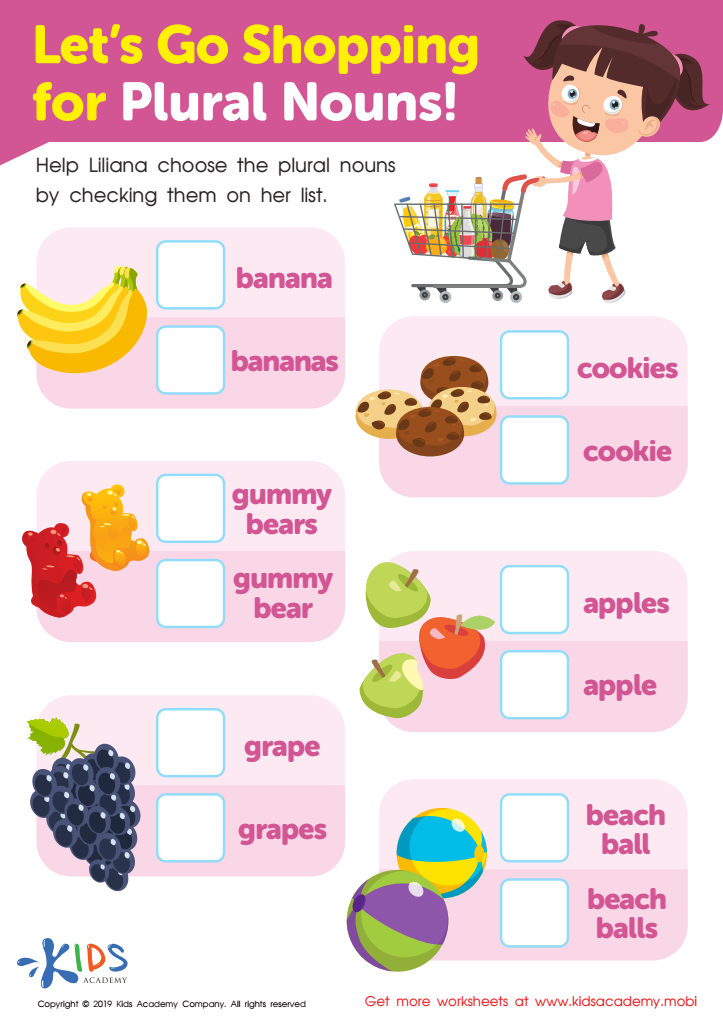
Let's Go Shopping for Plural Nouns! Worksheet
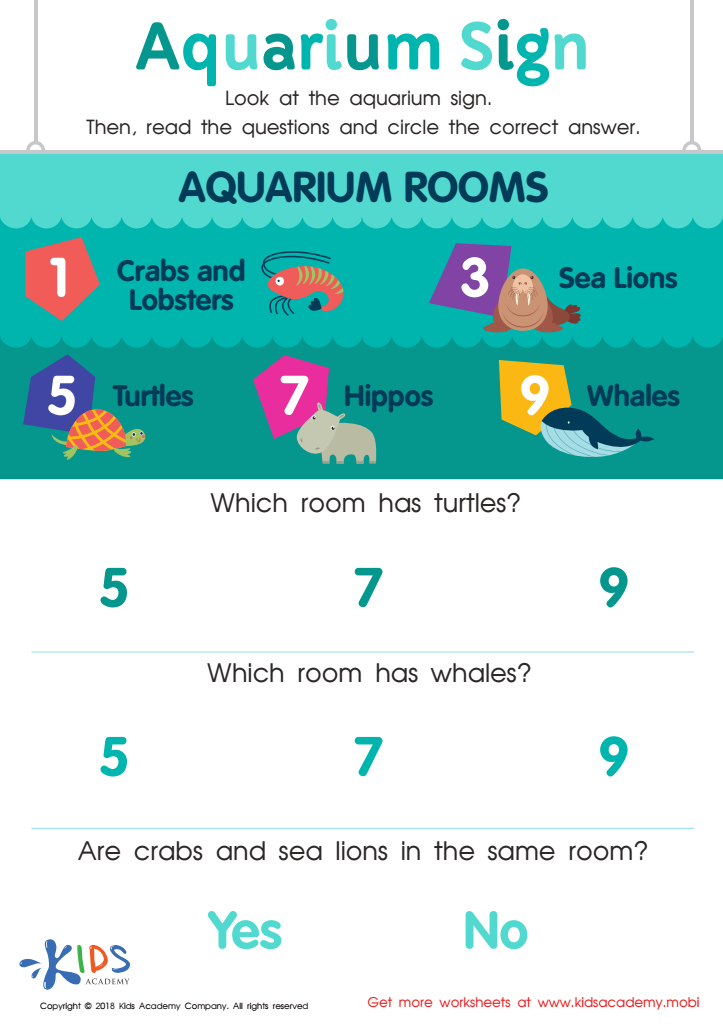
Assessment: Aquarium Sign Worksheet
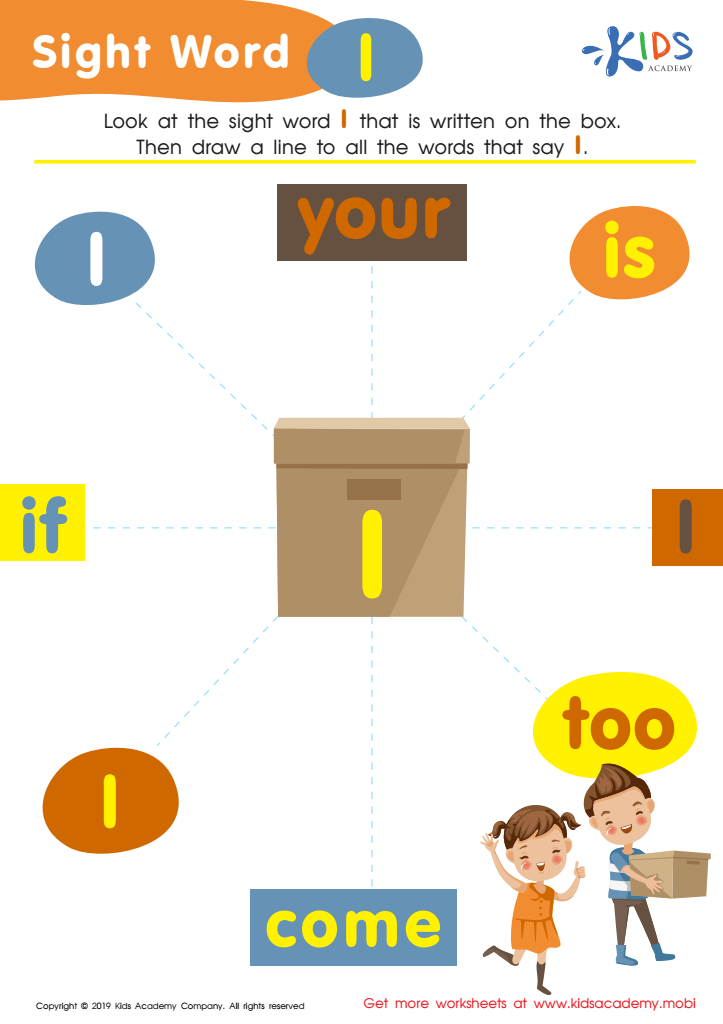
Sight Word I Worksheet
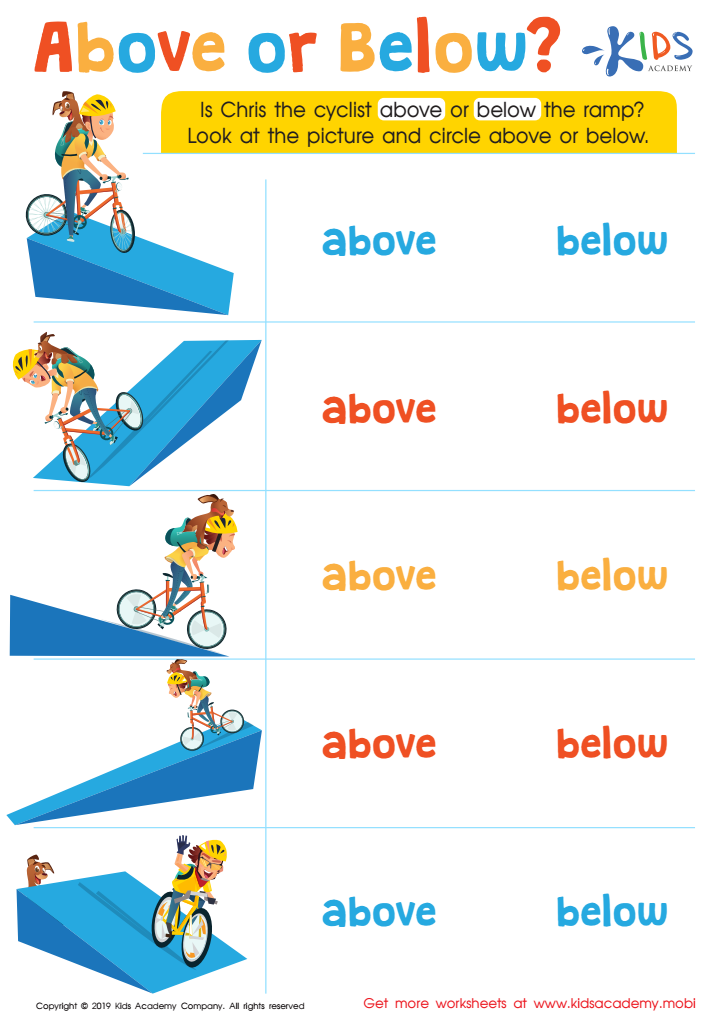
Above or Below? Worksheet








Building vocabulary in young children ages 4-9 is crucial for their overall development and academic success. Parents and teachers play a vital role in fostering a rich language environment that enhances communication skills, comprehension, and critical thinking. A strong vocabulary helps children express their thoughts and feelings more effectively, leading to better interpersonal skills and social interactions.
Moreover, vocabulary acquisition is closely linked to reading ability. Children with a robust word bank are more proficient at understanding books, which lays the foundation for lifelong learning. With the right vocabulary, they can decode texts and grasp subtle nuances in language, enabling them to make connections between ideas and comprehend complex subjects in later grades.
Engaging in fun and interactive vocabulary-building activities can make learning enjoyable. Additionally, it promotes cognitive development, as children become more adept at associating words with meanings and contexts. By prioritizing vocabulary development, parents and teachers not only prepare children for academic challenges but also cultivate their creativity and critical thinking abilities that are essential in today’s world. Ultimately, investing time and resources in building vocabulary contributes to the skills students need to thrive in school and beyond.