Story sequencing Easy Reading Comprehension Worksheets for Ages 4-9
3 filtered results
-
From - To
Transform your child's reading journey with our Story Sequencing Easy Reading Comprehension Worksheets, tailored for ages 4-9! These engaging, educational tools help young learners grasp the essential skill of sequencing story events, fostering better understanding and retention. Each worksheet captivates with vibrant illustrations, short stories, and fun activities, making learning an enjoyable adventure. Perfect for young readers, these resources enhance vocabulary, critical thinking, and comprehension skills. Plus, they align with educational standards, seamlessly integrating into any learning schedule. Empower your child to become a confident, enthusiastic reader with our thoughtfully designed worksheets!
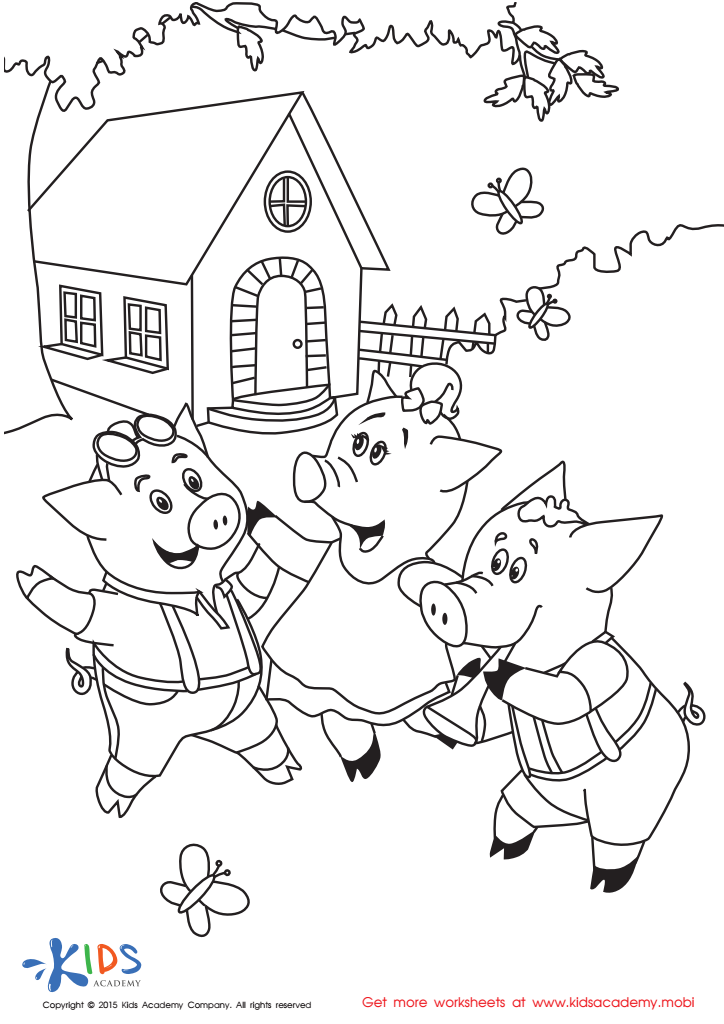
Folktales Printable PDF Worksheet: The 3 Little Pigs
 Assign to My Students
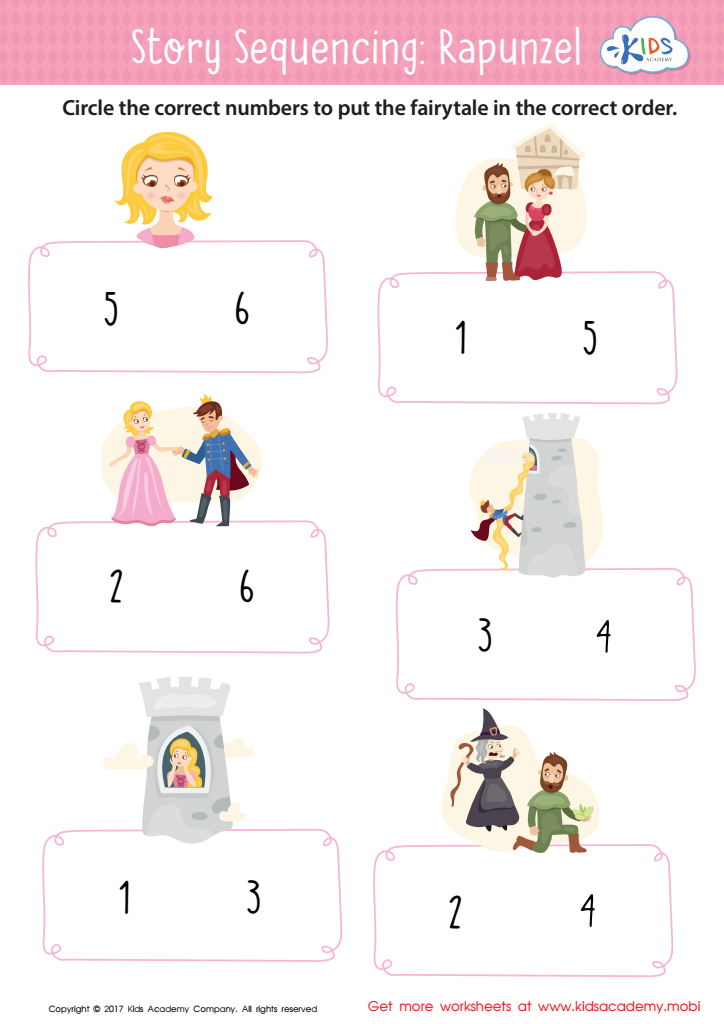
Rapunzel Story Sequencing Worksheet
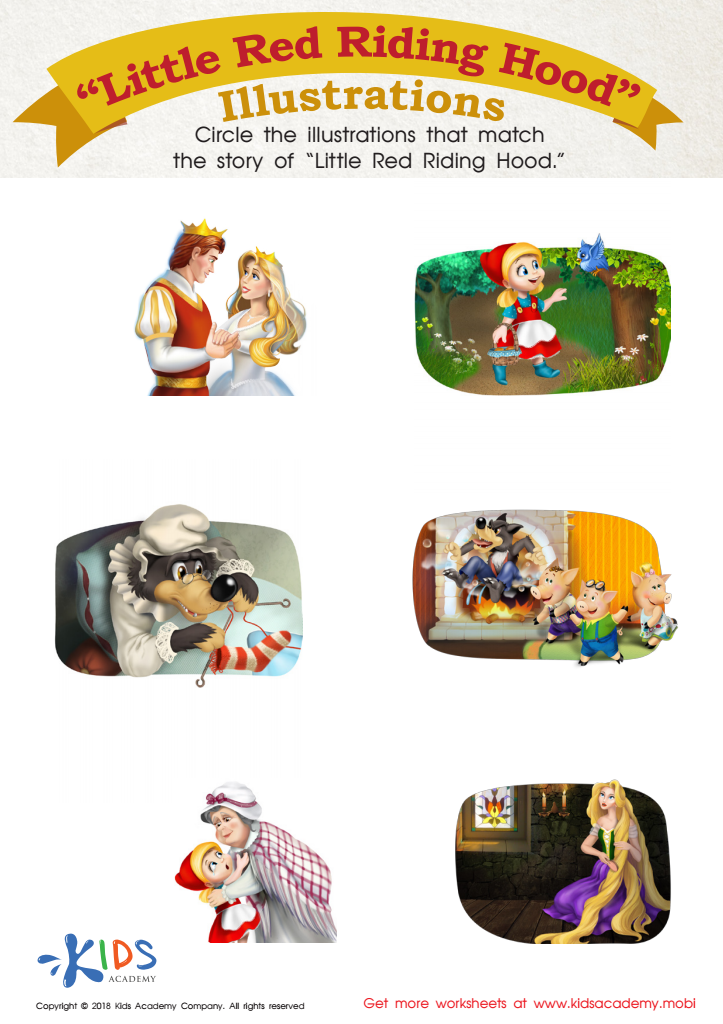
Little Red Riding Hood: Illustrations Worksheet








Story sequencing is essential for young children's reading comprehension development, making it a critical focus for parents and teachers of children ages 4-9. Understanding the sequence of events helps children grasp the narrative flow, enhancing their ability to comprehend stories fully. Sequencing requires children to identify the beginning, middle, and end of a story, promoting logical thinking and organization skills.
For parents and teachers, prioritizing story sequencing nurtures children’s narrative skills, fostering stronger links between actions and outcomes. This connection is foundational for understanding cause and effect, a crucial cognitive development aspect that extends beyond reading into social and problem-solving situations.
Moreover, engaging in story sequencing activities, such as arranging picture cards or summarizing story plots, boosts memory retention, vocabulary, and language skills. It encourages active participation, stimulating children's imagination and critical thinking.
Crucially, mastering this skill builds a stronger foundation for more advanced comprehension tasks as children progress in their education. By emphasizing story sequencing, parents and teachers support a child's ability to enjoy and understand what they read, contributing to a lifelong love of reading and learning. Investing in these skills early ensures a smoother transition into more complex literacy activities, placing children on a path to academic success.