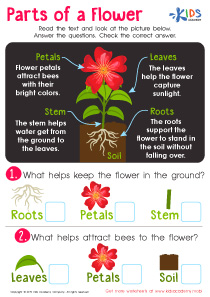
Sequencing Skills Easy Reading Fiction Worksheets for Ages 4-9
3 filtered results
-
From - To
Discover our engaging Sequencing Skills Easy Reading Fiction Worksheets for children aged 4-9! Designed to enhance comprehension and critical thinking, these worksheets help young learners master the art of sequencing through fun, interactive stories. Each colorful worksheet encourages kids to order events, enabling them to grasp narrative structure while boosting reading confidence. Ideal for classrooms or at-home learning, our resources cater to various reading levels and keep children motivated. Explore a world of creativity and improve foundational skills with our carefully crafted fiction worksheets, perfect for developing essential sequencing skills integral to early literacy success! Get started today and watch your child thrive!
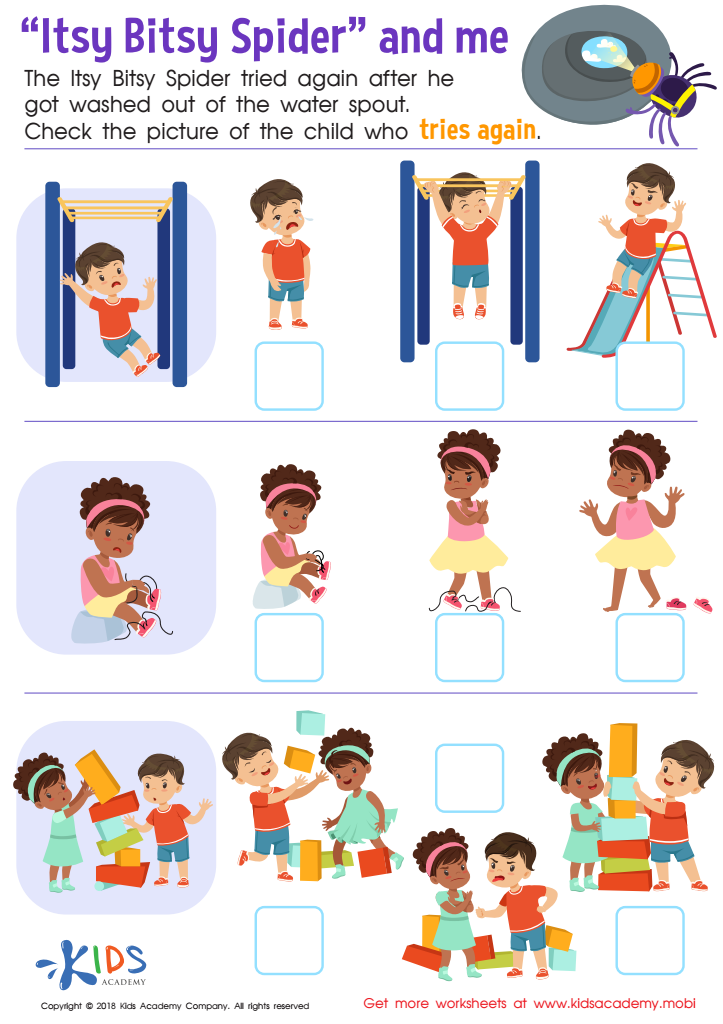
Itsy Bitsy Spider and Me Worksheet
 Assign to My Students
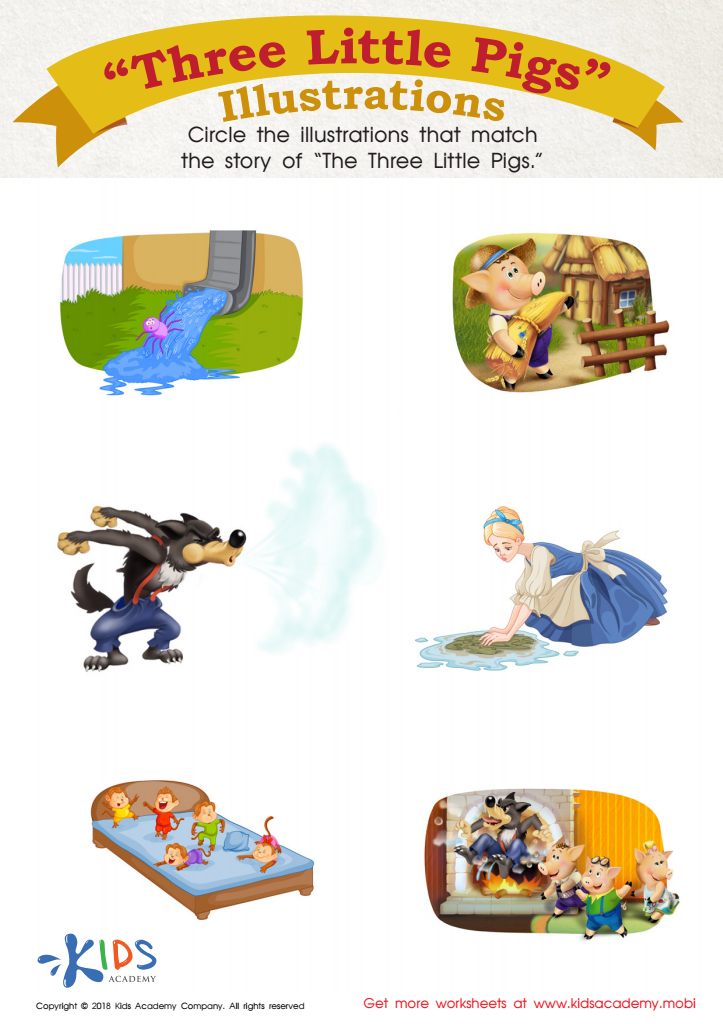
Three Little Pigs: Illustrations Worksheet
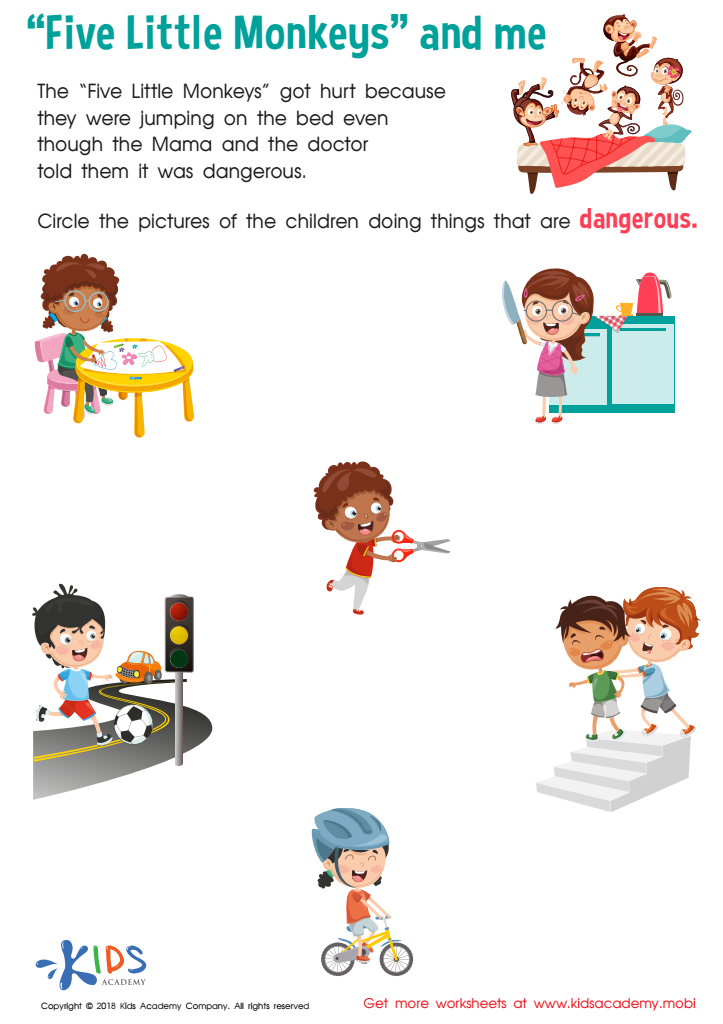
Five Little Monkeys and Me Worksheet



.jpg)




Sequencing skills are essential for young readers, particularly in the context of easy reading fiction for ages 4-9. These skills enable children to understand the order in which events occur in a story, which is crucial for comprehension and retention. When children can sequence the events in a narrative, they develop a clearer understanding of cause-and-effect relationships, which not only aids in story comprehension but also enhances critical thinking skills.
For parents and teachers, fostering sequencing abilities can significantly improve children's reading experiences and academic performance. Mastery of sequencing also lays the groundwork for future writing skills, helping young learners use chronological organization in their narratives. Moreover, engaging with sequenced stories encourages discussions about plot and character motivations, gently guiding children toward deeper analysis and interpretation.
Finally, developing sequencing skills can build children's confidence as readers. As they successfully retell stories and predict outcomes, they gain fluency, a love for reading, and the ability to engage with more complex materials in the future. Consequently, nurturing these skills in the early years is vital, making it important for parents and teachers to prioritize sequencing activities within fun and accessible reading experiences.