Alphabet Recognition Easy ABC Letters Worksheets for 4-Year-Olds
7 filtered results
-
From - To
Enhance your child's reading journey with our engaging Alphabet Recognition Easy ABC Letters Worksheets, tailored specifically for 4-year-olds. These worksheets are designed to make learning fun and interactive, helping young learners recognize and become familiar with each letter of the alphabet. Each activity encourages letter identification through colorful illustrations and playful exercises, promoting cognitive skills in a relaxed setting. With a focus on early literacy, our resources support children's development and spark their love for learning. Perfect for home or preschool use, these worksheets deliver an enjoyable way for your little ones to explore the world of letters and language!
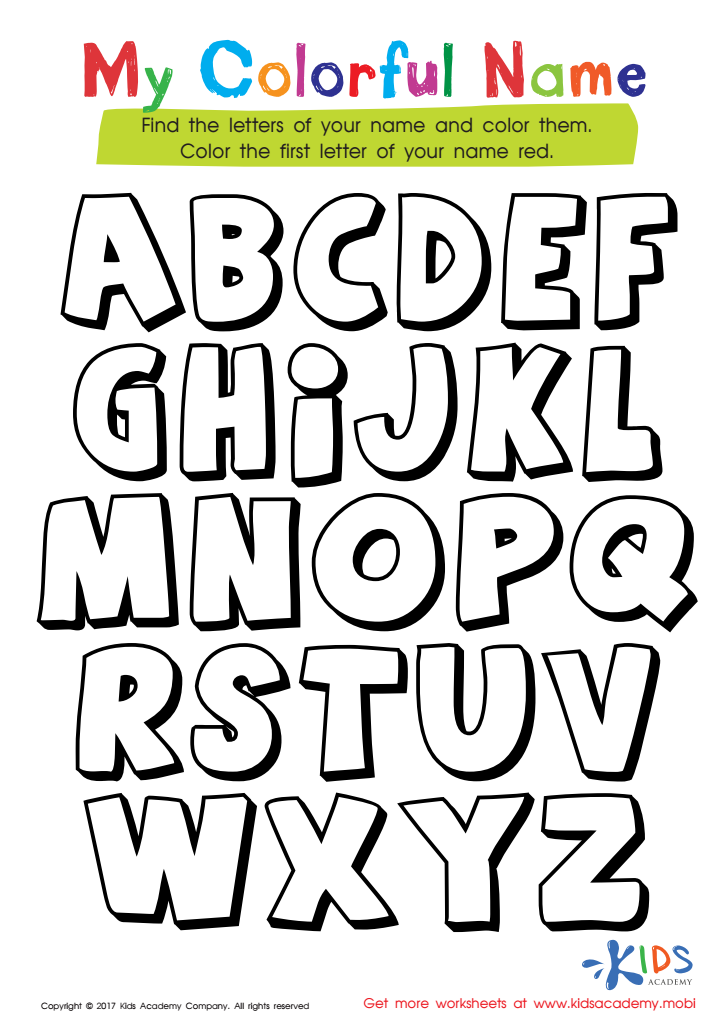
My Colorful Name Worksheet
 Assign to My Students






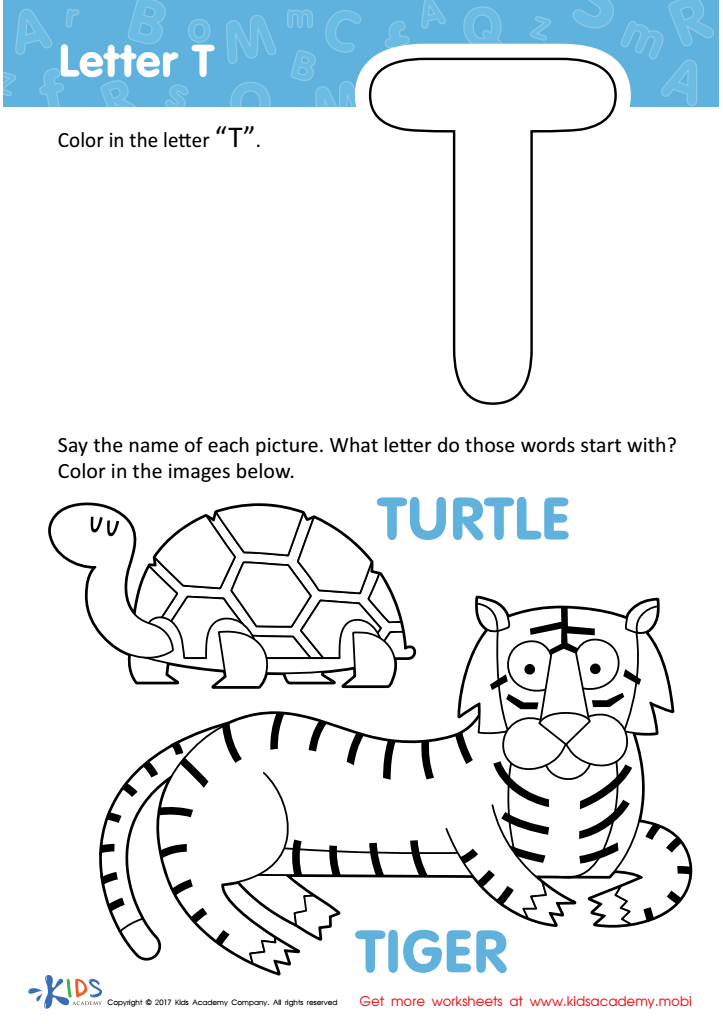
Letter T Coloring Sheet
Assign to My Students
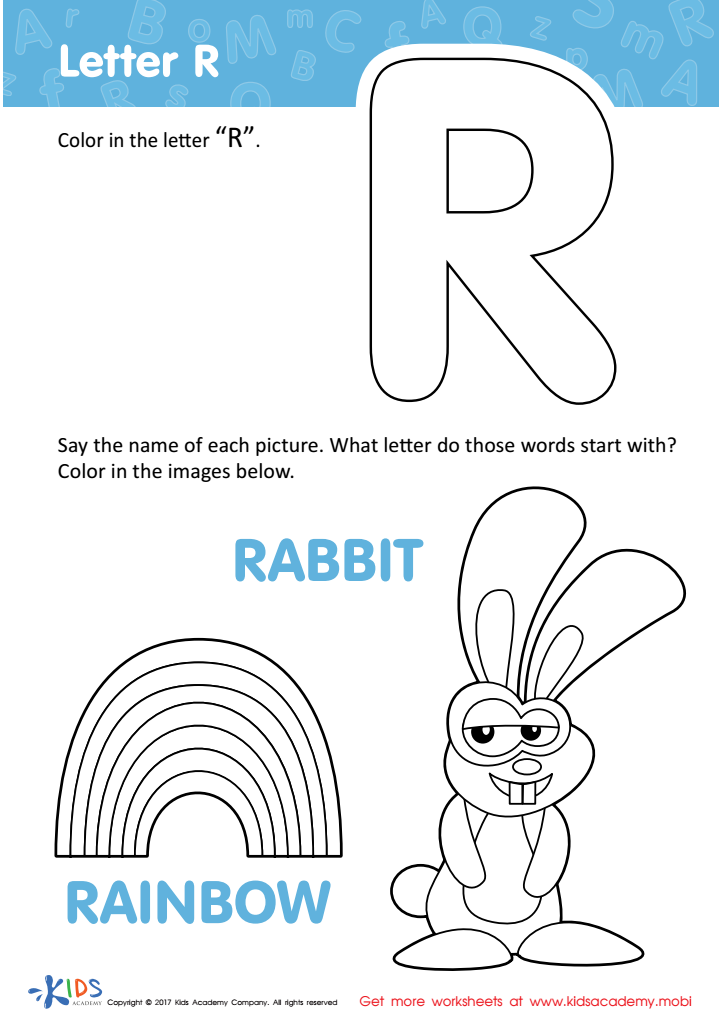
Letter R Coloring Sheet
Assign to My Students
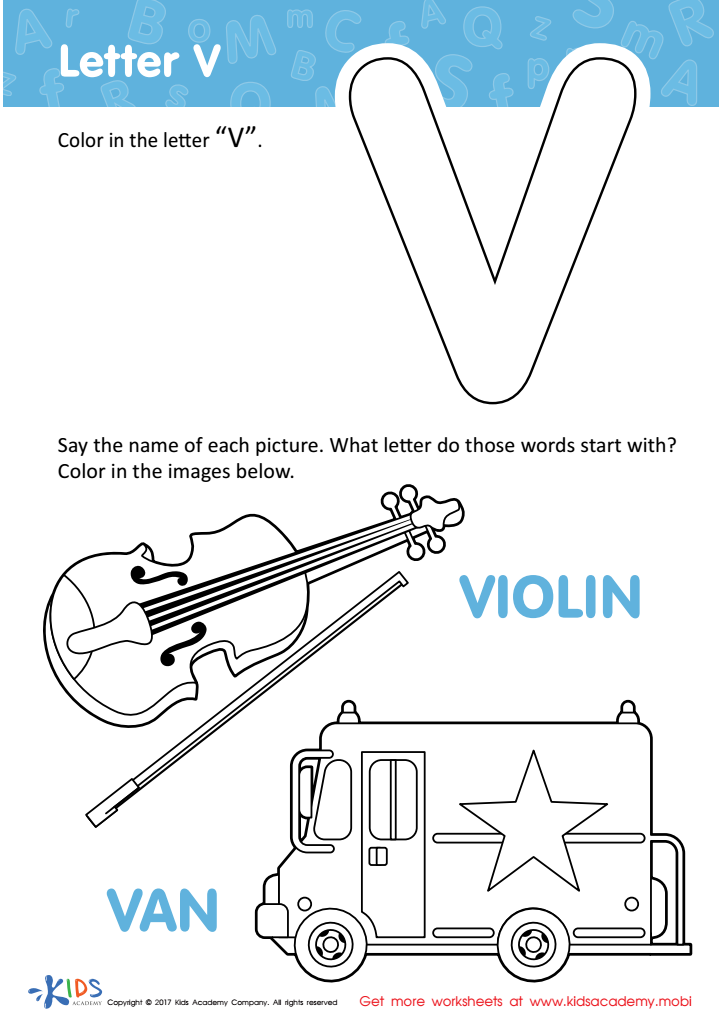
Letter V Coloring Sheet
Assign to My Students
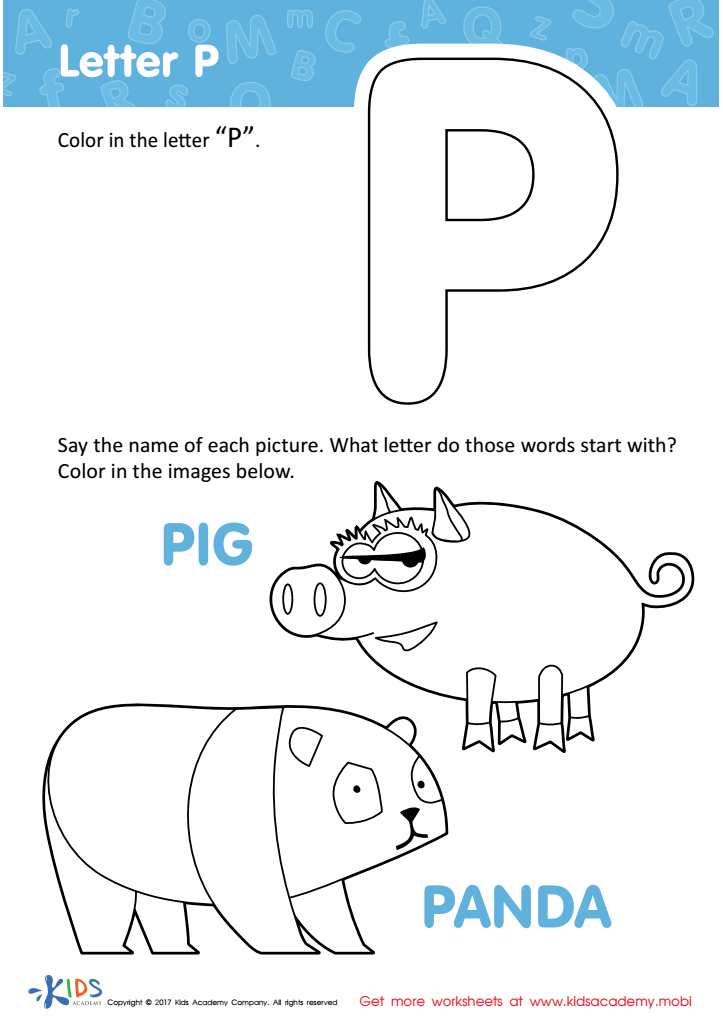
Letter P Coloring Sheet
Assign to My Students
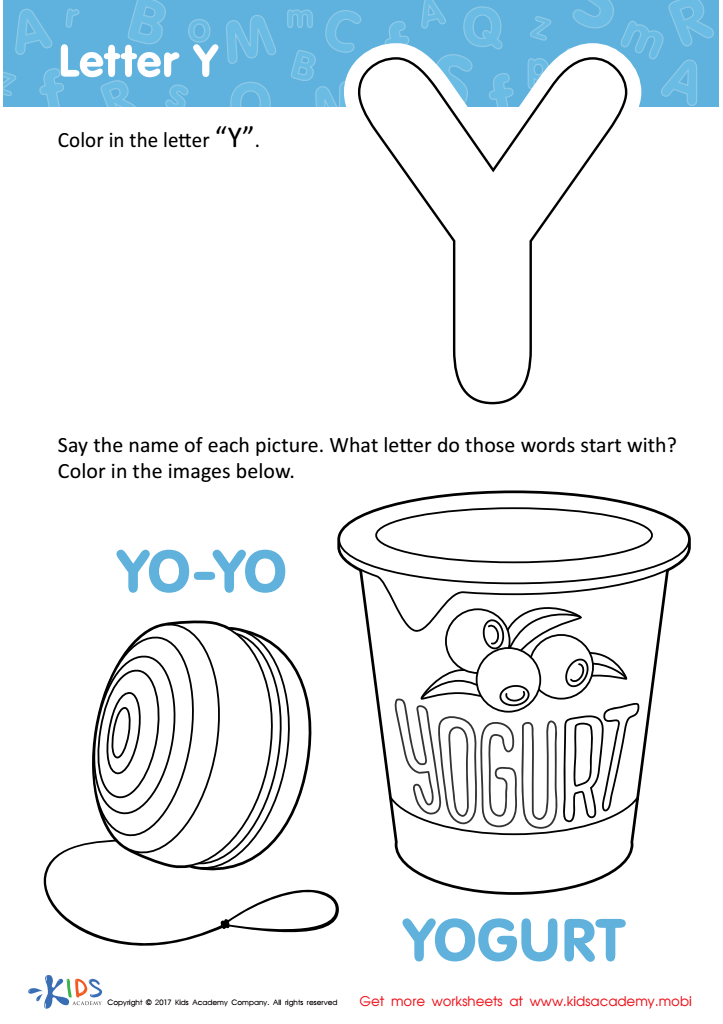
Letter Y Coloring Sheet
Assign to My Students
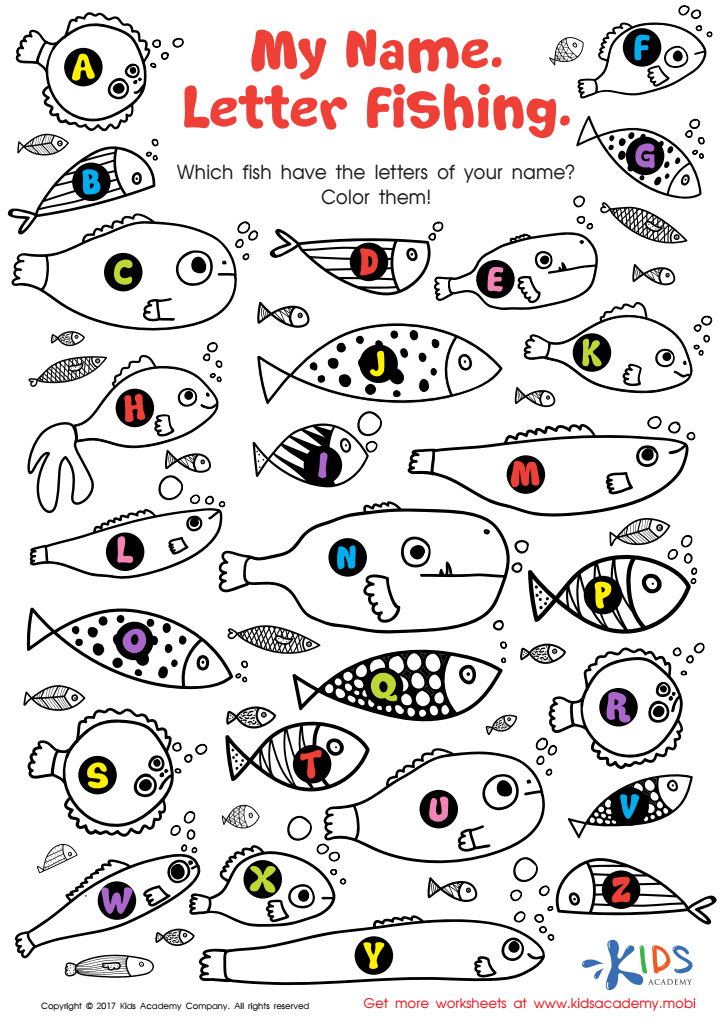
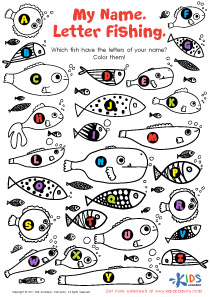
My Name: Letter Fishing Worksheet
Assign to My Students






Alphabet recognition is a foundational skill for early literacy, making it crucial for parents and teachers to prioritize. For 4-year-olds, mastering the easy ABC letters not only fosters a love for reading but also enhances cognitive and language development. Recognizing letters helps children to understand that letters represent sounds, which is essential for learning to read and write. This skill provides the building blocks for phonemic awareness, essential for successful literacy.
Furthermore, children who can identify letters are more likely to develop a positive attitude toward reading and educational activities. Engaging them through fun games and activities centered on alphabet recognition can stimulate curiosity, support social skills through cooperative play, and boost self-esteem as they achieve milestones. Teachers can incorporate diverse methods, including songs, crafts, and contextual usage within stories, to create enjoyable learning environments.
For parents, reinforcing alphabet recognition at home provides an opportunity for bonding while encouraging lifelong learning habits. By showing interest in their child’s alphabet skills, they lay the groundwork for future academic success, making understanding the ABCs a valuable priority in early education. Overall, fostering alphabet recognition ensures that children are not just prepared for the basic requirements of schooling, but also for meaningful lifelong learning experiences.