Logical Reasoning Easy Worksheets for 4-Year-Olds
6 filtered results
-
From - To
Introduce young minds to the fascinating world of logic with our "Logical Reasoning Easy Worksheets for 4-Year-Olds." Designed to foster critical thinking and problem-solving skills, these captivating worksheets make learning fun and engaging. Through vibrant images and simple activities, children will improve pattern recognition, sequencing, and matching abilities. Perfect for early learners, our worksheets build foundational skills essential for academic success. Let your child discover the joy of learning while strengthening their logical reasoning with our expertly crafted resources. Visit our website for a delightful educational experience that prepares your little one for a lifetime of intellectual growth.
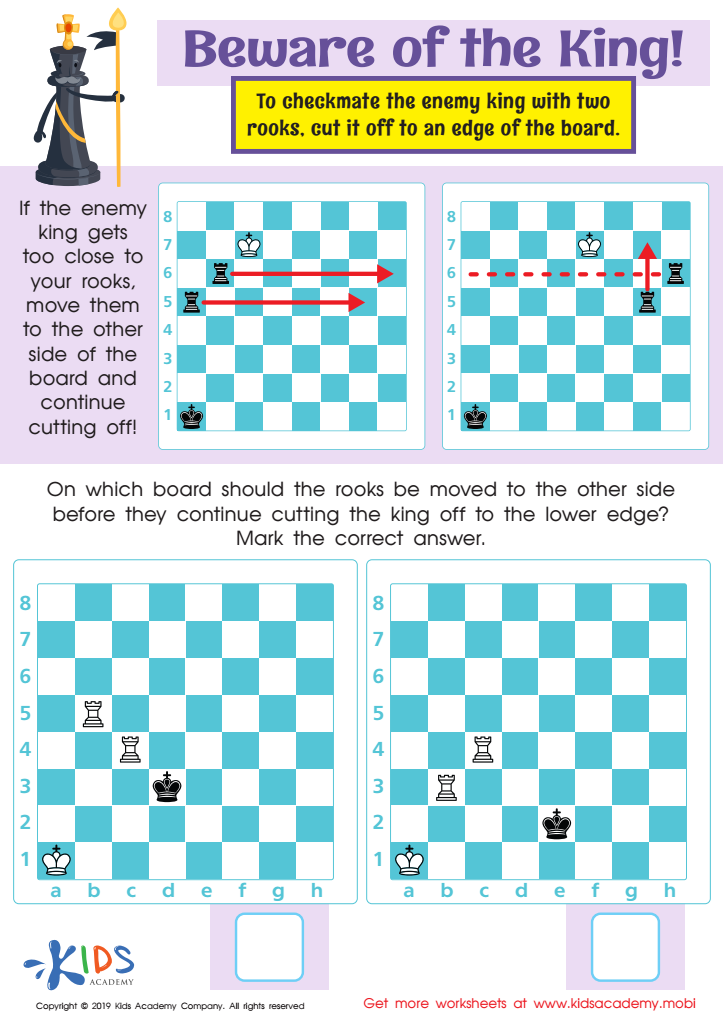
Beware of the King! Worksheet
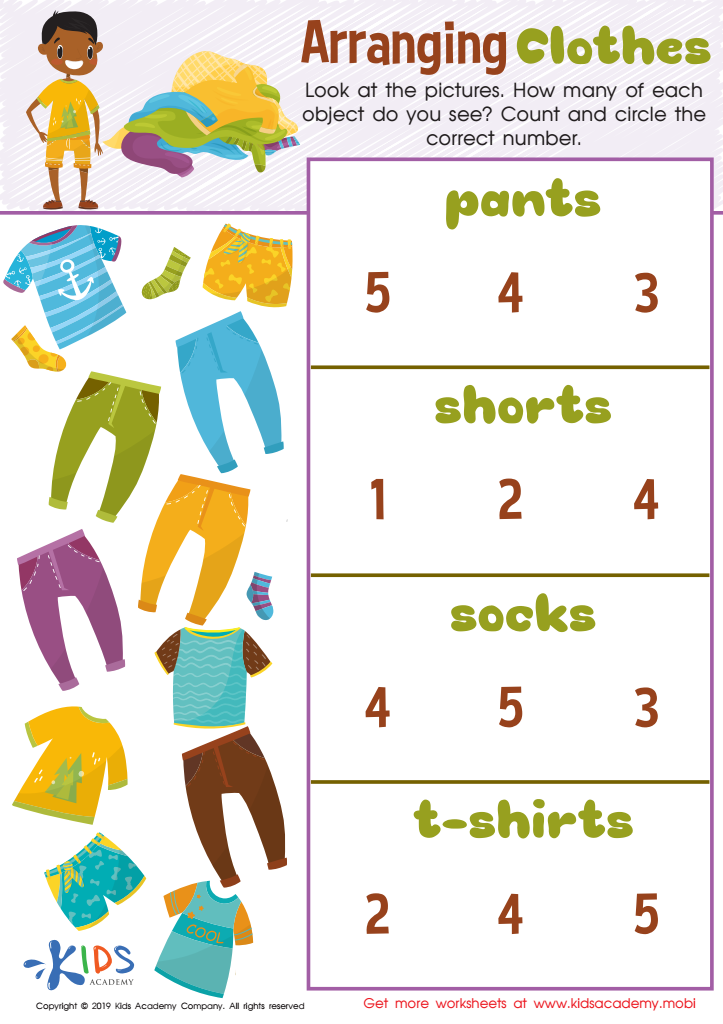
Arranging Clothes Worksheet
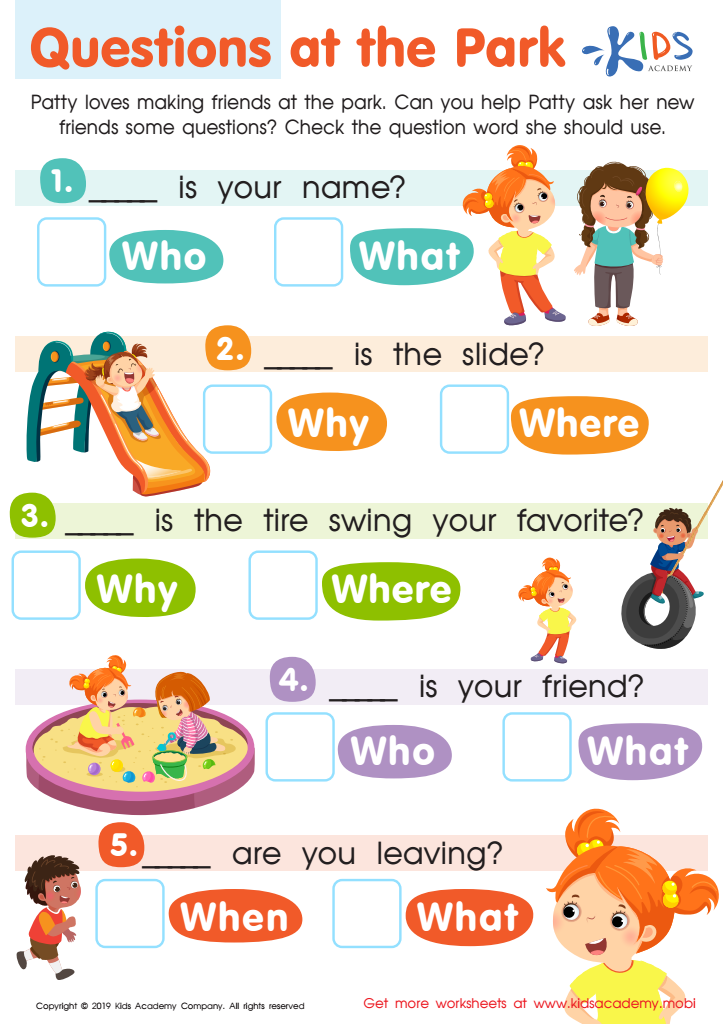
Questions at the Park Worksheet
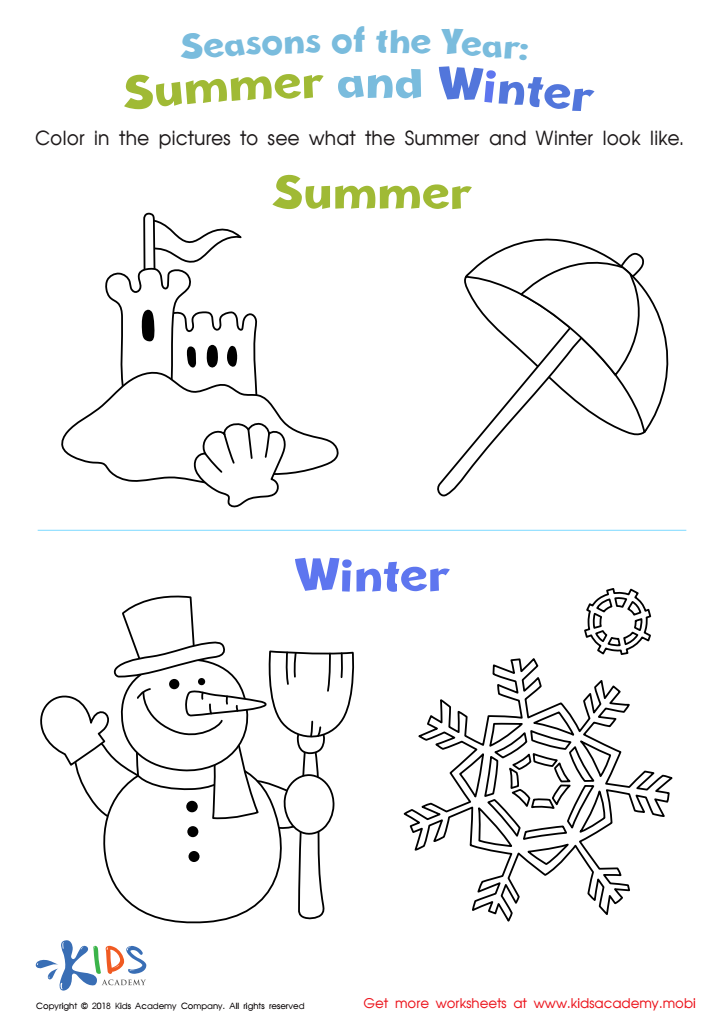
Summer and Winter Worksheet
 Assign to My Students
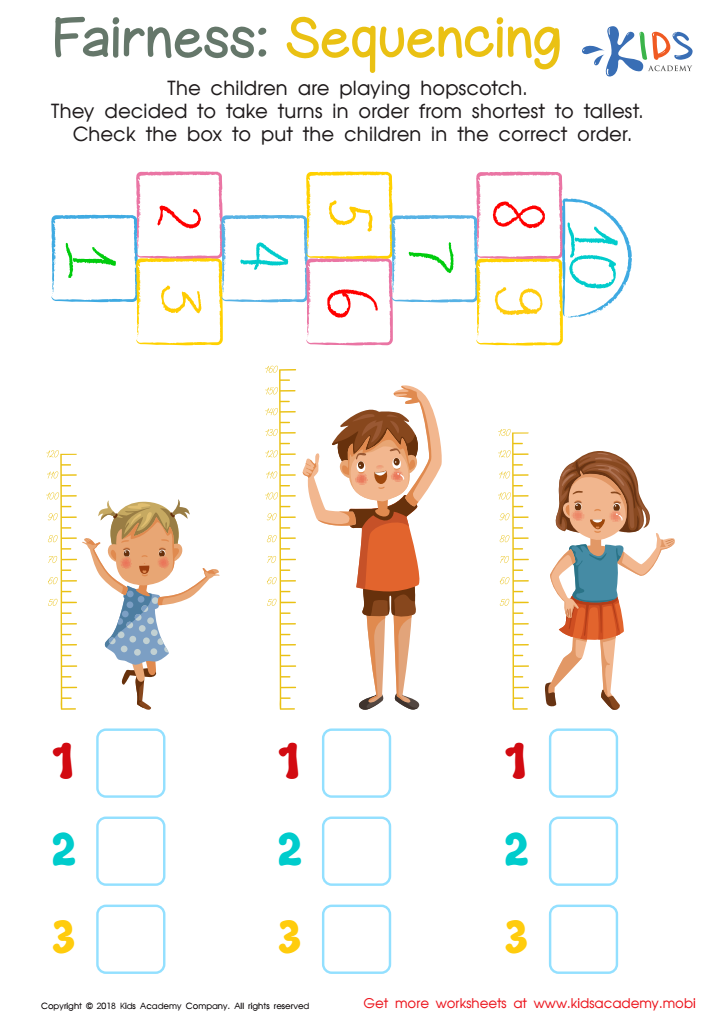
Fairness: Sequencing Worksheet
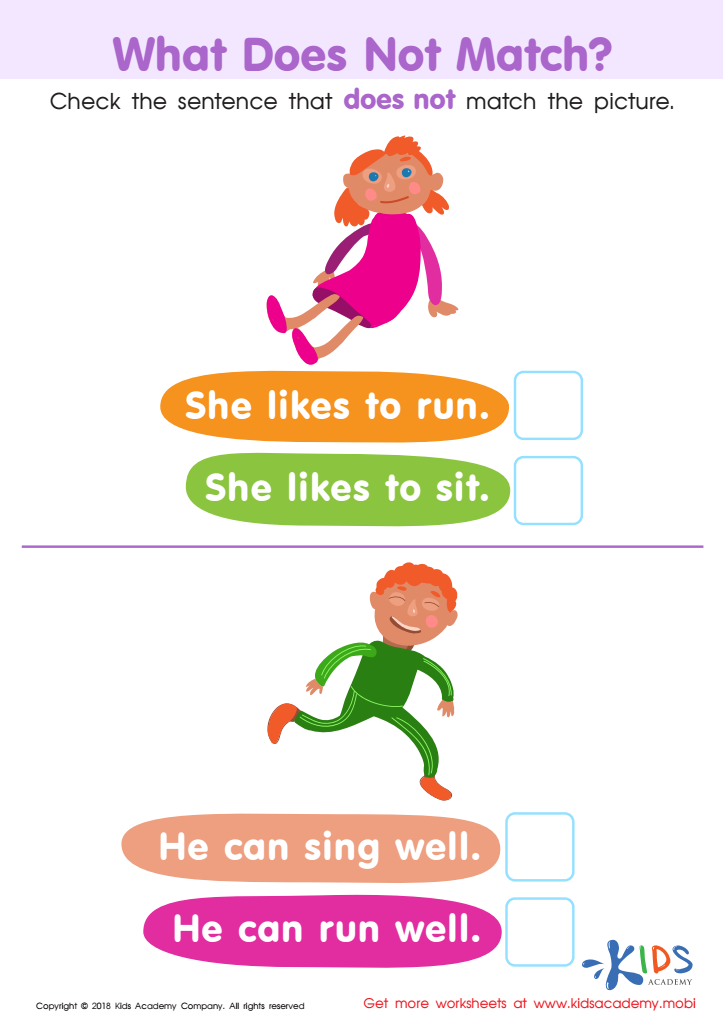
What Does Not Match? Worksheet




.jpg)


Parents and teachers should prioritize logical reasoning for 4-year-olds because it is fundamental to a child's cognitive development and future academic success. At this age, children are highly curious and absorb information rapidly, making it an ideal time to lay the groundwork for essential thinking skills. Introducing logical reasoning early helps children learn to analyze information, make connections between different pieces of knowledge, and solve problems effectively.
For parents, engaging in activities that foster logical reasoning, such as puzzles, matching games, and pattern recognition tasks, can enhance a child's ability to think systematically. This not only aids in academic subjects like math and science but also bolsters everyday decision-making and problem-solving abilities.
Teachers benefit from incorporating logical reasoning into their curriculum as it encourages active learning and helps children focus better. It promotes greater engagement in the classroom by providing children with the tools to understand and predict outcomes, leading to increased confidence and a more positive attitude towards learning.
Moreover, enhancing logical reasoning skills at an early age lays the foundation for later complex reasoning and critical thinking abilities, vital for success in higher education and future careers. Therefore, both parents and teachers play a crucial role in nurturing these skills to support a child's holistic growth and development.








