Fine Motor Skills Easy Math Worksheets for 4-Year-Olds - Page 2
34 filtered results
-
From - To
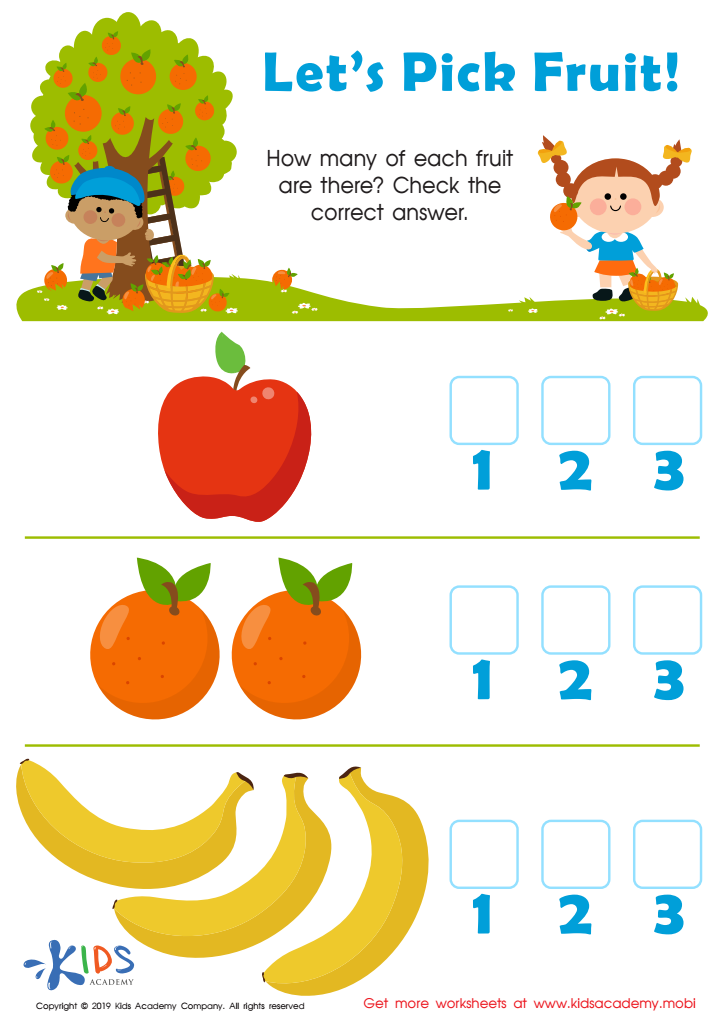
Let's Pick Fruit Worksheet
 Assign to My Students
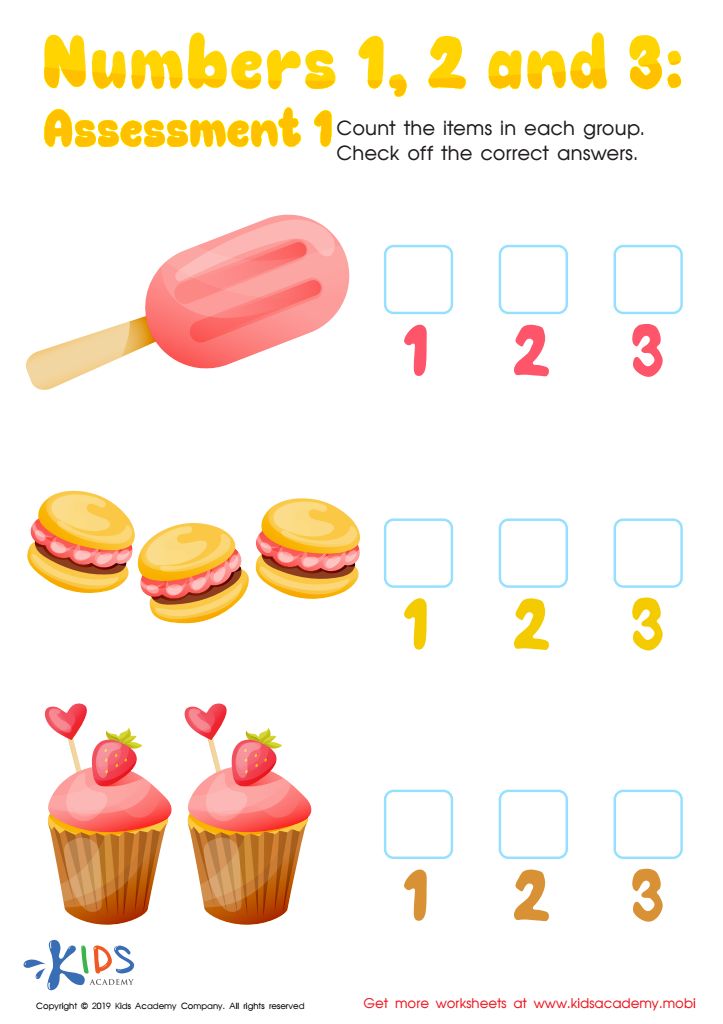
Numbers 1, 2 and 3: Assessment 1 Worksheet
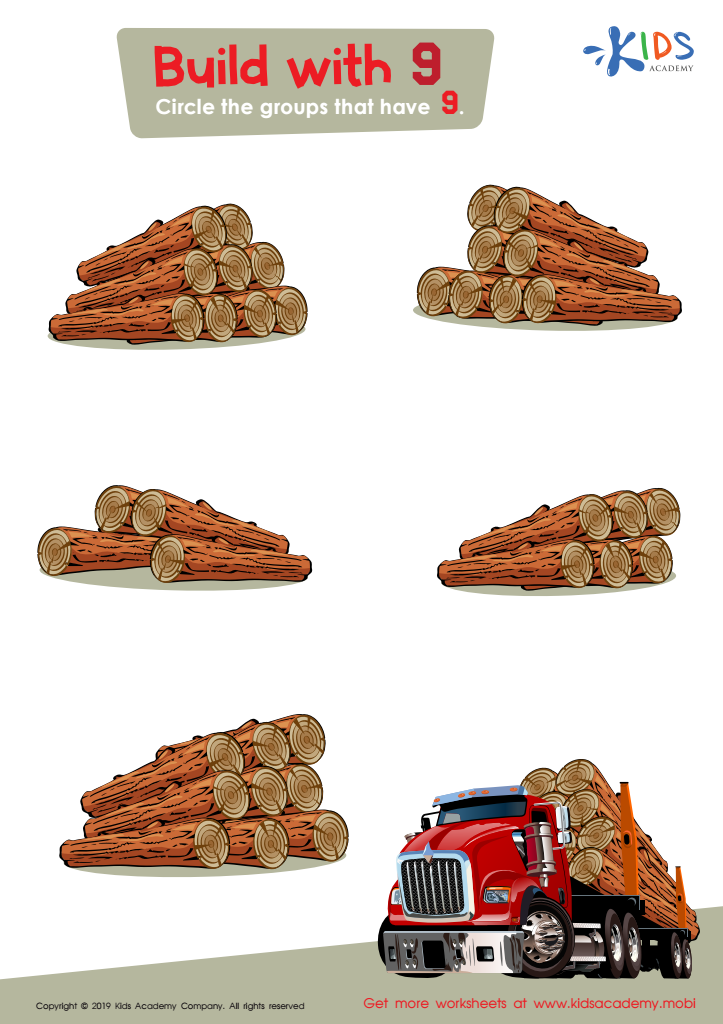
Build with 9 Worksheet
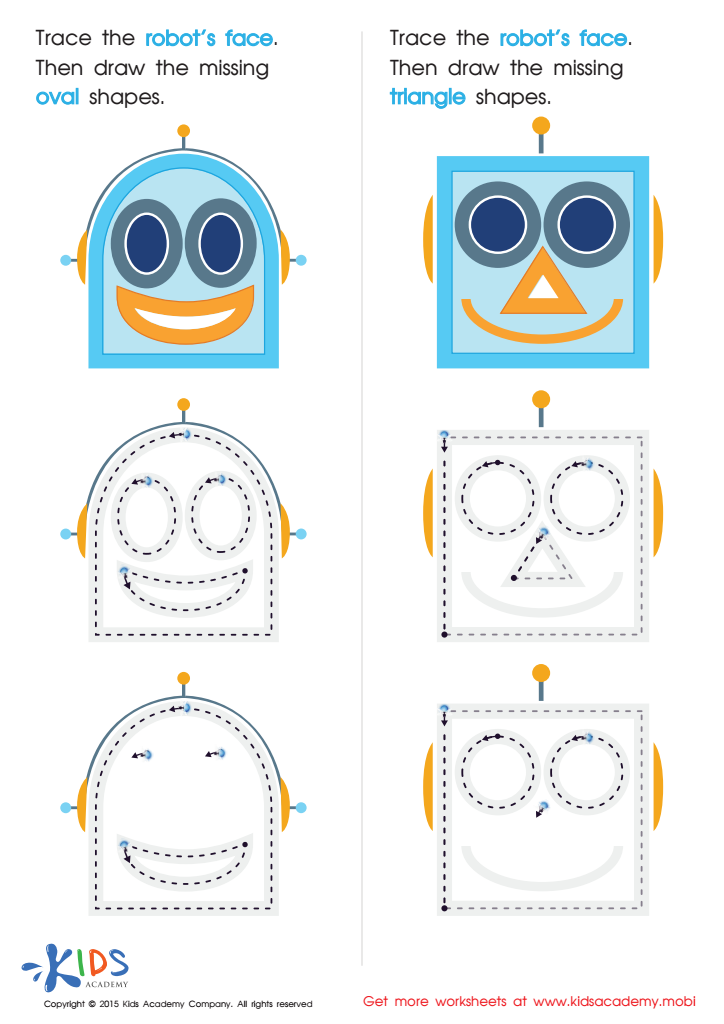
Drawing Ovals And Triangles with Fun Printable
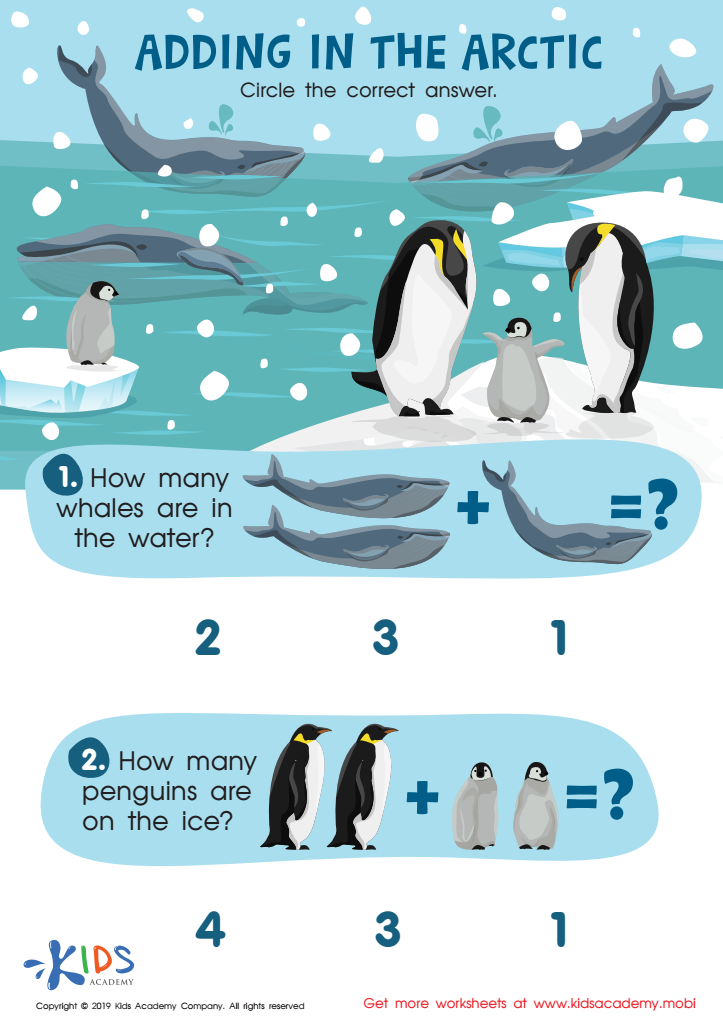
Adding in the Arctic Worksheet
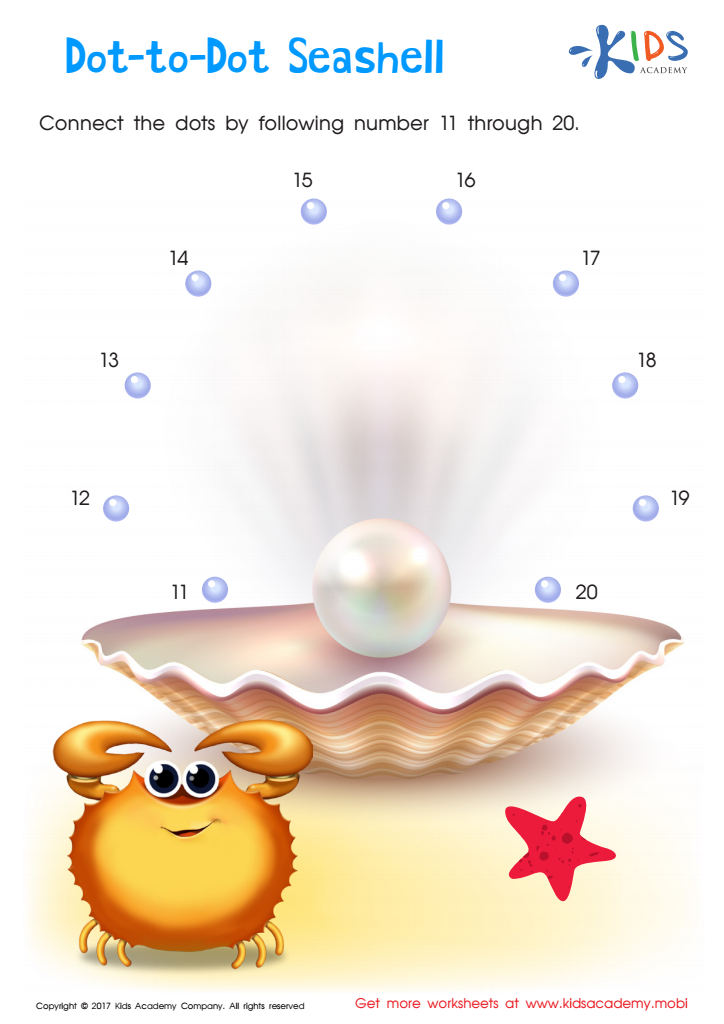
Ordering 11–20: Dot–to–dot Seashell Printable
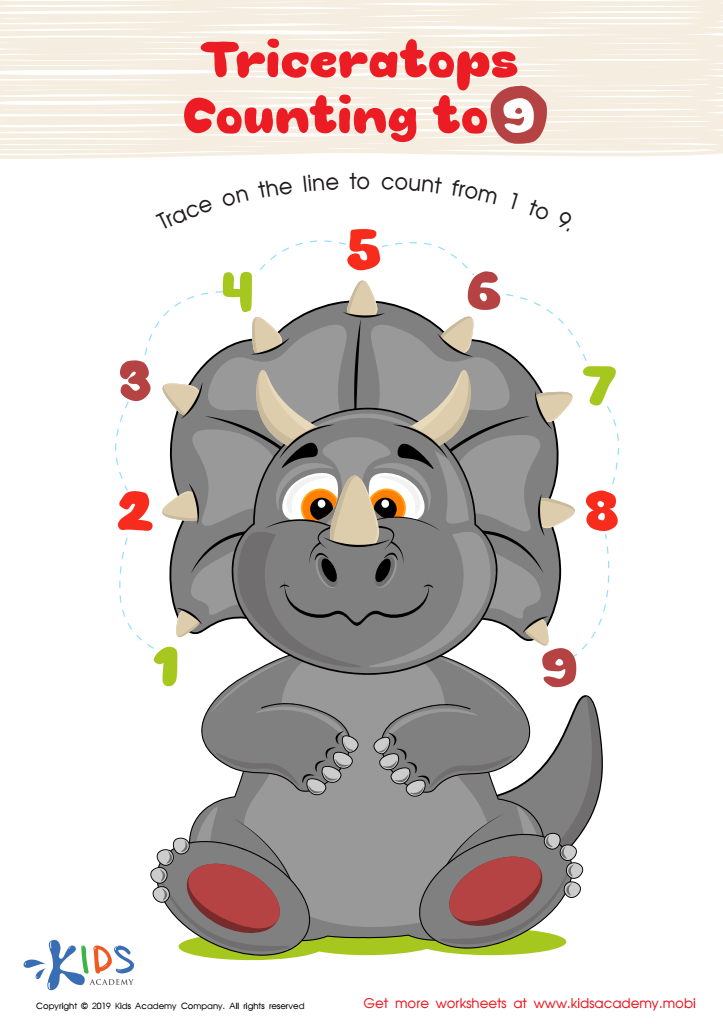
Triceratops Counting to 9 Worksheet

Counting on the City Skyline: Dot-to-Dot Worksheet
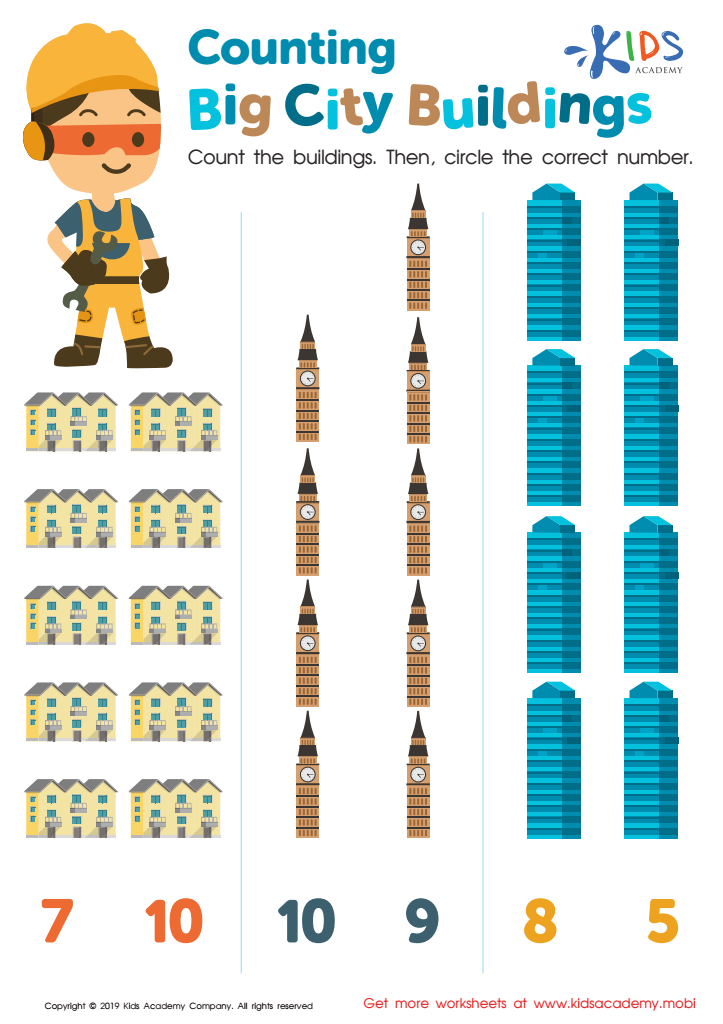
Counting Big City Buildings Worksheet

Night Sky Numbers Worksheet








Fine motor skills are essential for children's overall development, particularly in early childhood. For 4-year-olds, these skills lay the foundation for future learning, including math. When children engage in activities that enhance fine motor skills, such as manipulating small objects, using scissors, or drawing, they improve their hand-eye coordination and dexterity. This development is crucial for tasks like writing numbers, counting with manipulatives, and eventually performing complex math problems.
Incorporating easy math concepts into fine motor activities makes learning enjoyable and engaging. For instance, using beads to create patterns not only develops motor skills but also teaches counting, sorting, and recognizing shapes. Parents and teachers should prioritize these learning experiences, as they promote cognitive, social, and emotional growth.
Research shows that children with strong fine motor skills often excel in academic settings. Thus, by fostering both fine motor abilities and basic math understanding simultaneously, educators and caregivers can create a well-rounded foundation for future success. Additionally, engaging with fine motor activities can strengthen parent-child or teacher-student bonds, fostering a positive learning environment. For these reasons, focusing on Fine Motor Skills and Easy Math for 4-year-olds is vital for holistic childhood development and a strong educational foundation.








