Problem-Solving Skills Easy Numbers 0–10 Worksheets for 4-Year-Olds
3 filtered results
-
From - To
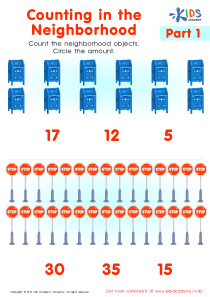
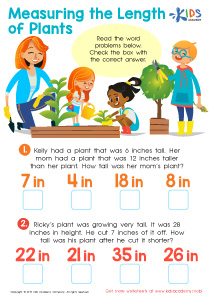
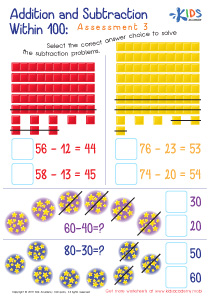
Enhance your child's early math skills with our engaging "Problem-Solving Skills Easy Numbers 0–10 Worksheets" designed for 4-year-olds. These playful worksheets provide an interactive approach to learning simple problem-solving strategies while familiarizing young learners with numbers 0–10. Each activity encourages critical thinking and reasoning through fun exercises that involve counting, comparing, and categorizing. Our worksheets are designed to capture children’s attention with colorful illustrations and captivating scenarios, making math enjoyable and accessible. Foster your child's cognitive development and boost their confidence in numbers while laying a strong foundation for future learning. Perfect for home or classroom use!

Picking Carrots Worksheet
 Assign to My Students

Haystack Steps Worksheet

Enrichment: Firefighter Ladders Worksheet








Problem-solving skills for 4-year-olds, particularly with easy numbers from 0 to 10, are foundational for their cognitive development. At this age, children are naturally curious and eager to explore the world around them. By engaging them in age-appropriate problem-solving activities involving simple numbers, parents and teachers can foster crucial analytical skills that will serve as a cornerstone for their future learning.
Developing problem-solving skills enhances critical thinking and helps children learn how to approach challenges systematically. Through activities such as counting objects, simple addition and subtraction, and puzzles, children learn to recognize patterns and relationships between numbers. These experiences encourage them to think creatively and logically, fostering self-confidence in their ability to tackle challenges—skills that extend well beyond math.
Moreover, early exposure to problem-solving helps build a positive attitude toward learning. When children feel successful in solving problems, they are more likely to embrace learning opportunities, boosting their motivation and engagement. This early groundwork in numerical problem-solving not only supports their academic journey but also nurtures essential life skills. Therefore, parents and teachers should prioritize encouraging these skills to help children thrive in school and beyond.