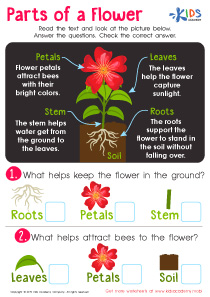
Critical Thinking Easy Reading Fiction Worksheets for 4-Year-Olds
5 filtered results
-
From - To
Unlock your child's potential with our "Critical Thinking Easy Reading Fiction Worksheets for 4-Year-Olds"! These engaging and beautifully illustrated worksheets are designed to ignite curiosity and develop critical thinking skills through fun and easy-to-read fiction stories. Perfectly crafted for young minds, these activities encourage logical reasoning, prediction, and comprehension. Each worksheet provides opportunities for kids to practice making connections, understanding sequences, and honing their analytical skills in a playful and interactive manner. Foster a love for reading and build essential cognitive skills with our expertly designed resources for early learners!
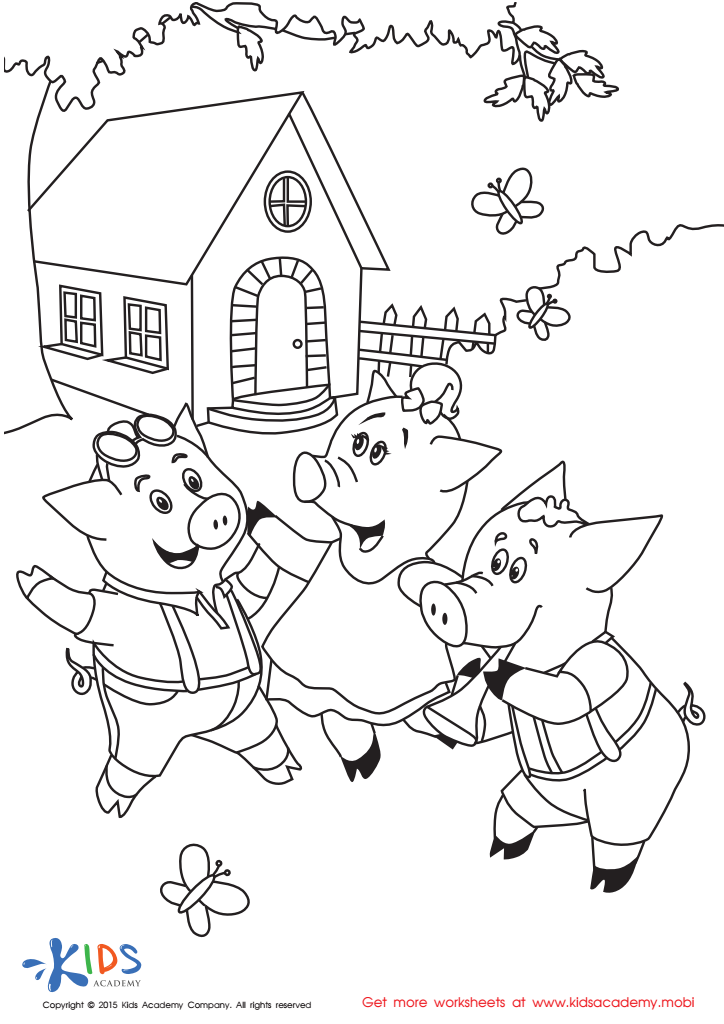
Folktales Printable PDF Worksheet: The 3 Little Pigs
 Assign to My Students
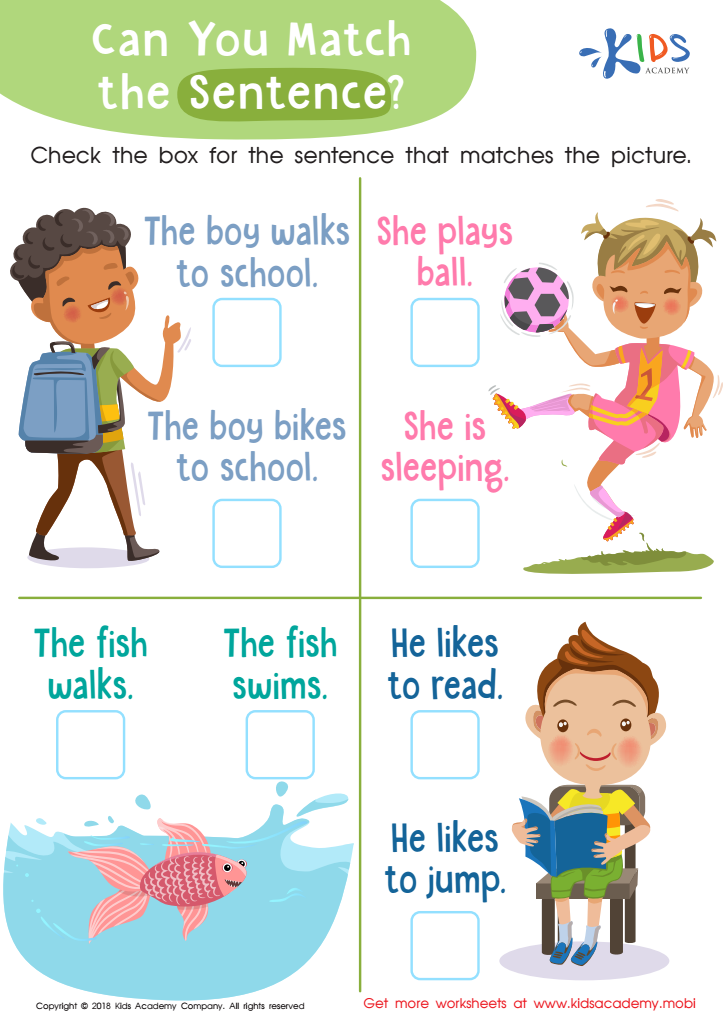
Can You Match the Sentence? Worksheet
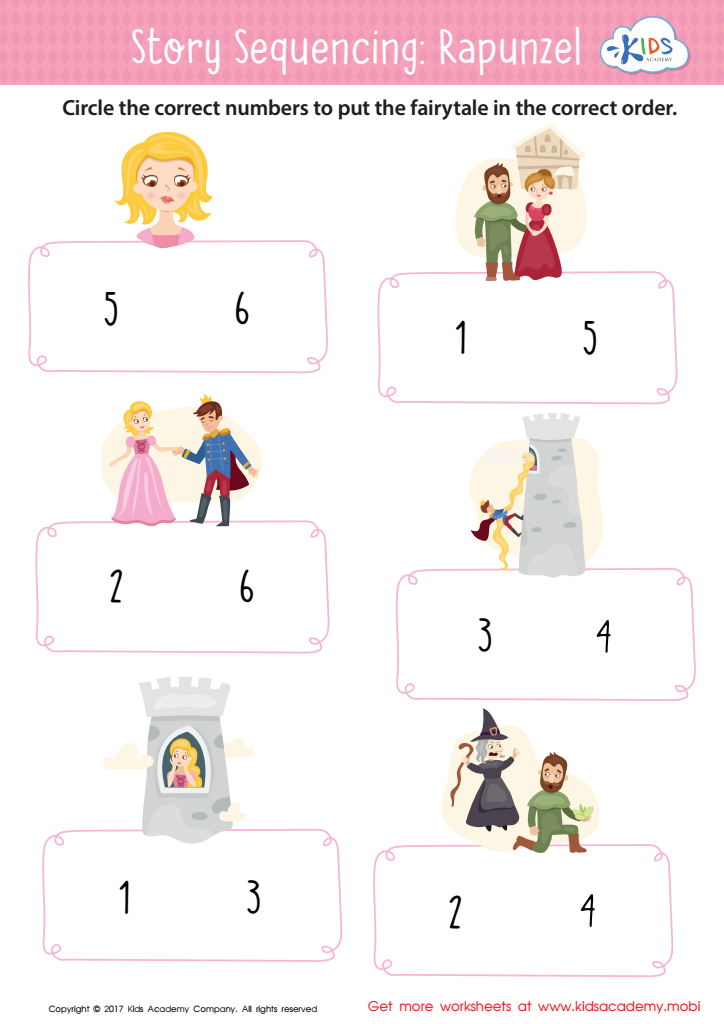
Rapunzel Story Sequencing Worksheet
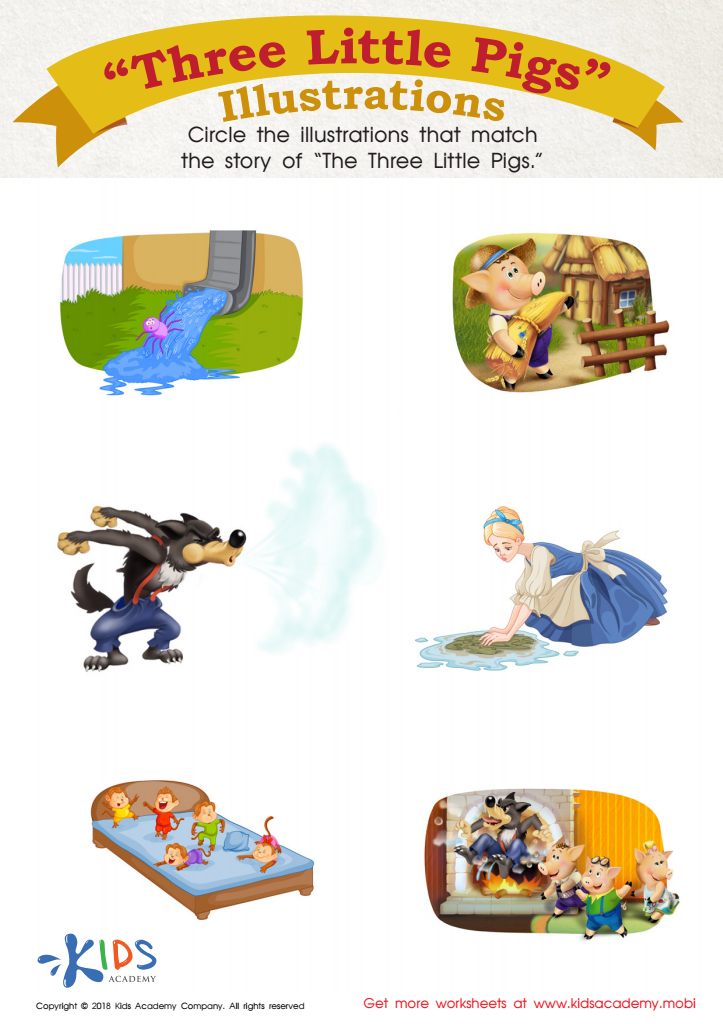
Three Little Pigs: Illustrations Worksheet

Questions About Stories: Assessment 1 Worksheet



.jpg)




Early childhood is a pivotal time for developing foundational skills, and critical thinking is no exception. Critical Thinking Easy Reading Fiction books for 4-year-olds play a crucial role in this developmental stage by blending engaging stories with cognitive challenges that nurture young minds. When parents or teachers introduce these books, they’re not just teaching children to read; they're empowering them to think independently, discern patterns, ask questions, and solve problems.
Firstly, these books use narratives that captivate a child's imagination, making learning enjoyable. An engaging story provides a familiar context in which children can practice critical thinking skills naturally. For example, asking predictive questions ("What do you think will happen next?") encourages anticipation and hypothesis forming. Posing open-ended questions ("Why do you think the character felt that way?") develops empathy and reasoning.
Additionally, early exposure to such materials fosters an intrinsic love for reading and learning. When children see reading as a pleasurable, curiosity-driven activity, they build a positive attitude toward future academic endeavors. This positive cycle of curiosity and learning paves the way for lifelong intellectual development.
In conclusion, prioritizing Critical Thinking Easy Reading Fiction for 4-year-olds is essential because it lays a strong foundation for intellectual growth, instills a love for reading, and promotes comprehensive cognitive development, equipping children with skills that extend far beyond the classroom.