Counting practice Easy Worksheets for Ages 5-6 - Page 2
27 filtered results
-
From - To
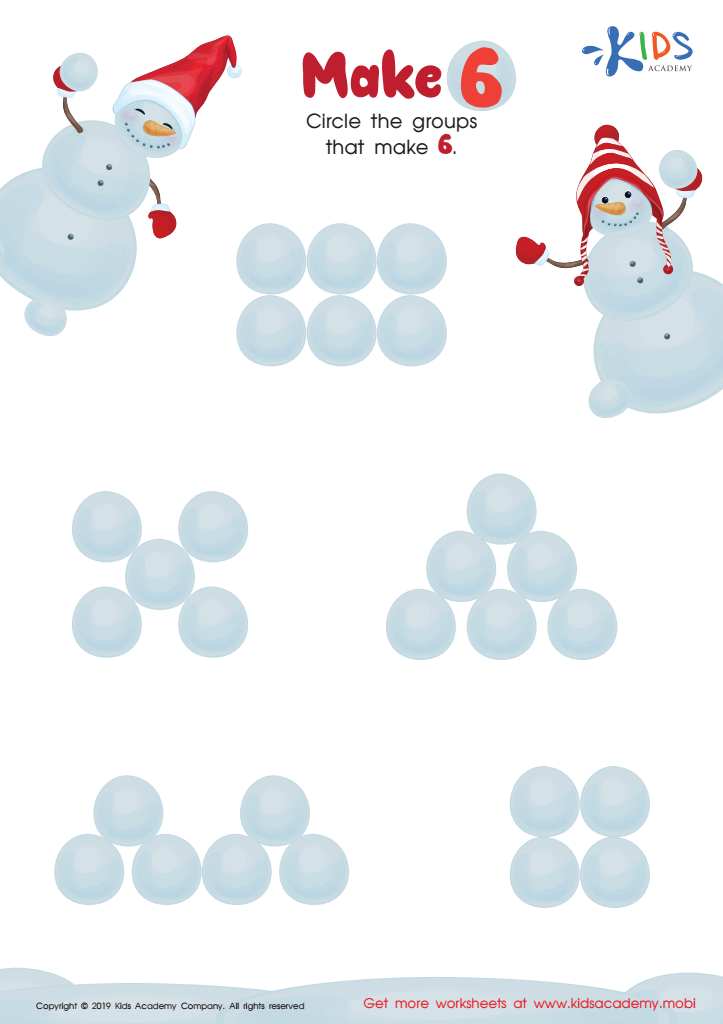
Make 6 Worksheet
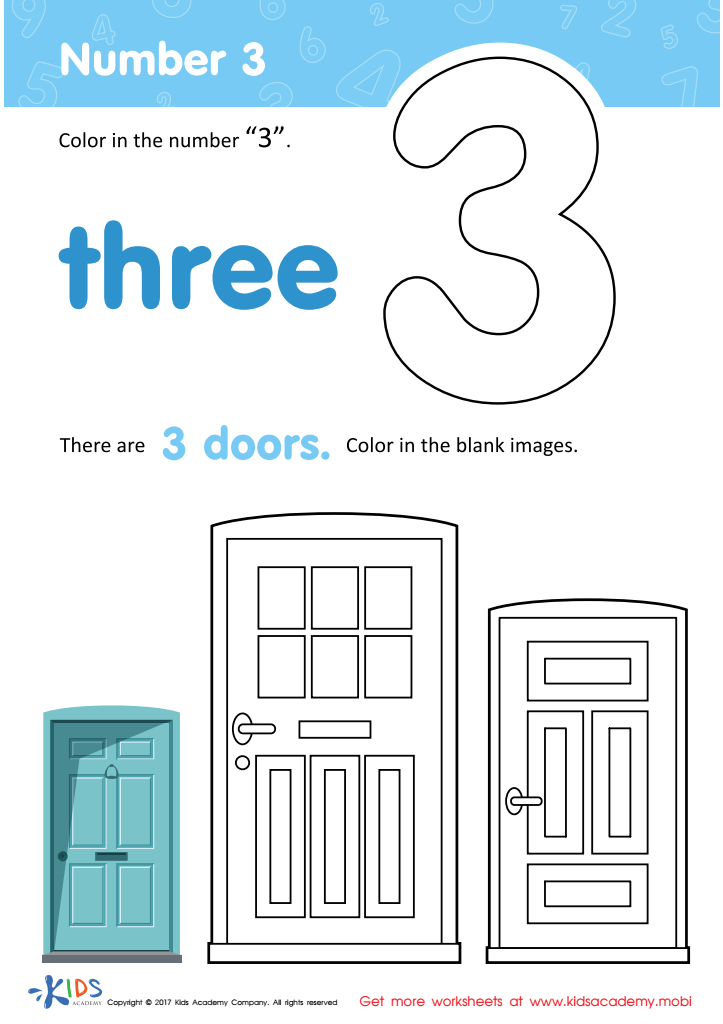
Number 3 Worksheet
 Assign to My Students

Counting on the City Skyline: Dot-to-Dot Worksheet






Counting practice is crucial for children aged 5 to 6, laying the foundation for future math skills and overall cognitive development. At this age, children are like sponges, eager to absorb knowledge and develop essential skills that will support their learning journey. Implementing easy counting exercises during this formative period enhances their number sense and mathematical understanding.
Parents and teachers should value counting practice because it fosters a child’s ability to recognize numbers, understand quantity, and build basic arithmetic skills. Engaging in counting activities can improve a child's focus, patience, and discipline, as they learn to concentrate on tasks and follow instructions.
Moreover, counting practice can be creatively integrated into everyday activities, making learning fun and relatable. Incorporating counting into games, stories, or even during shopping trips keeps children engaged and helps them appreciate the value of numbers in daily life.
Beyond mathematics, counting nurtures critical thinking and problem-solving skills, as children learn patterns and sequencing. Investing time in counting practice not only equips children with essential math skills but also cultivates a positive attitude towards learning, laying the groundwork for lifelong academic success. Thus, both parents and teachers have a significant role in promoting counting practice for young learners.








