Sorting skills Easy Worksheets for Ages 5-6
5 filtered results
-
From - To
Discover our "Sorting Skills Easy Worksheets" designed for children ages 5-6! These engaging worksheets help young learners develop critical sorting and categorization skills through fun, interactive activities. With colorful illustrations and age-appropriate exercises, kids will enjoy sorting objects by various attributes such as size, shape, and color. Perfect for classroom use or at-home learning, these worksheets promote independent thinking and enhance cognitive development. Plus, they align with early learning standards, making them an excellent resource for educators and parents. Foster creativity and analytical skills in your child with our delightful sorting skills worksheets! Download yours today and spark the joy of learning!
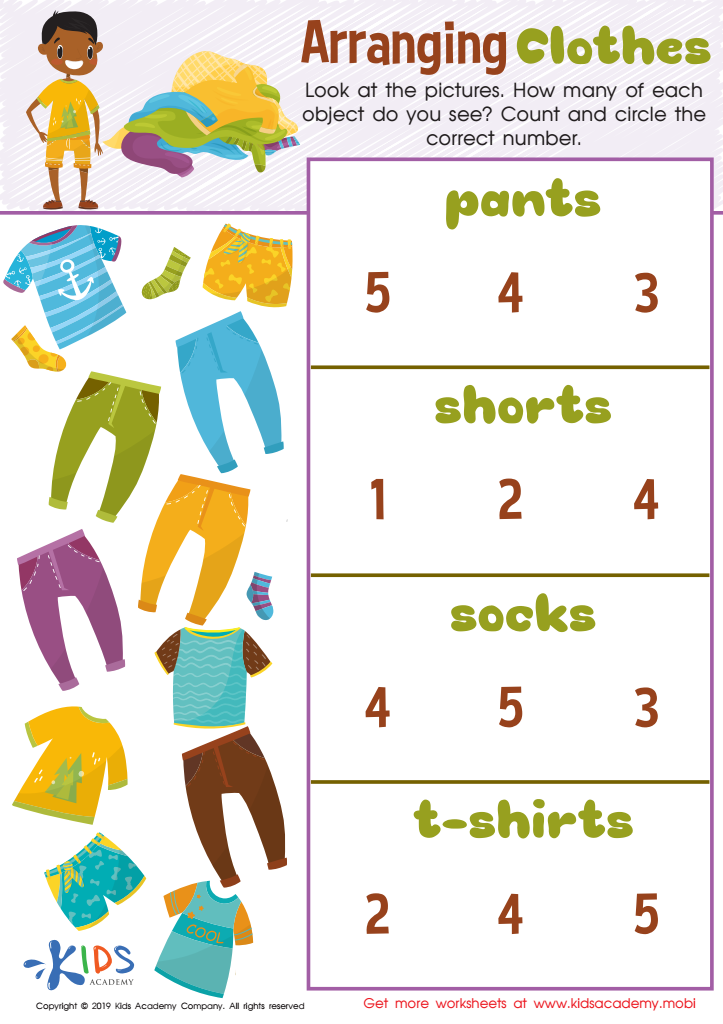
Arranging Clothes Worksheet
 Assign to My Students
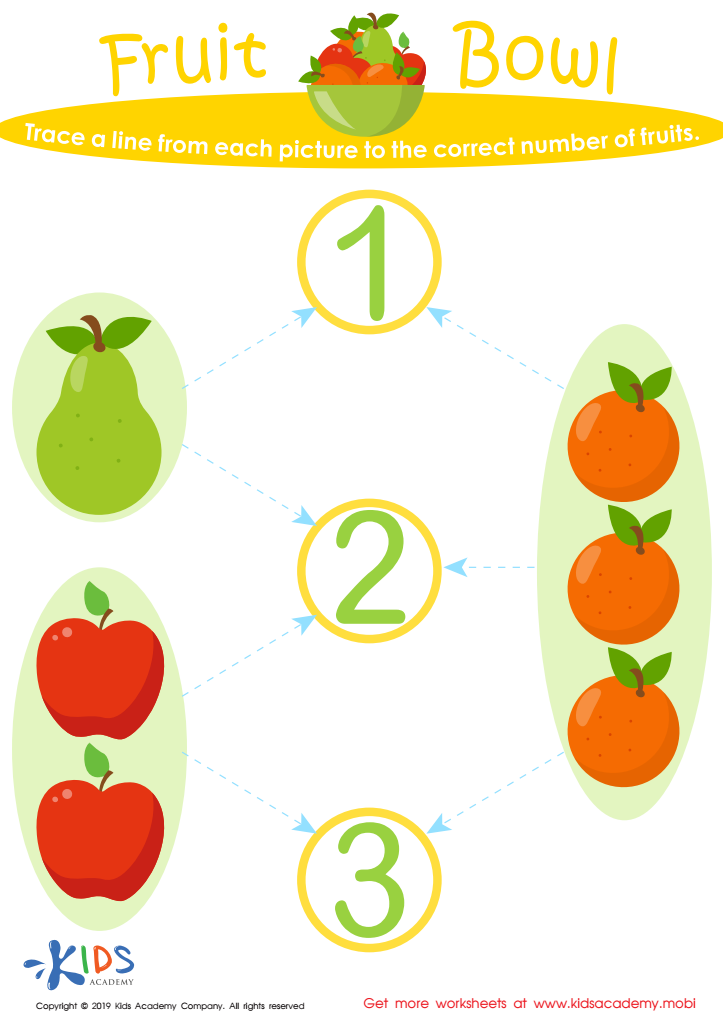
Fruit Bowl Worksheet
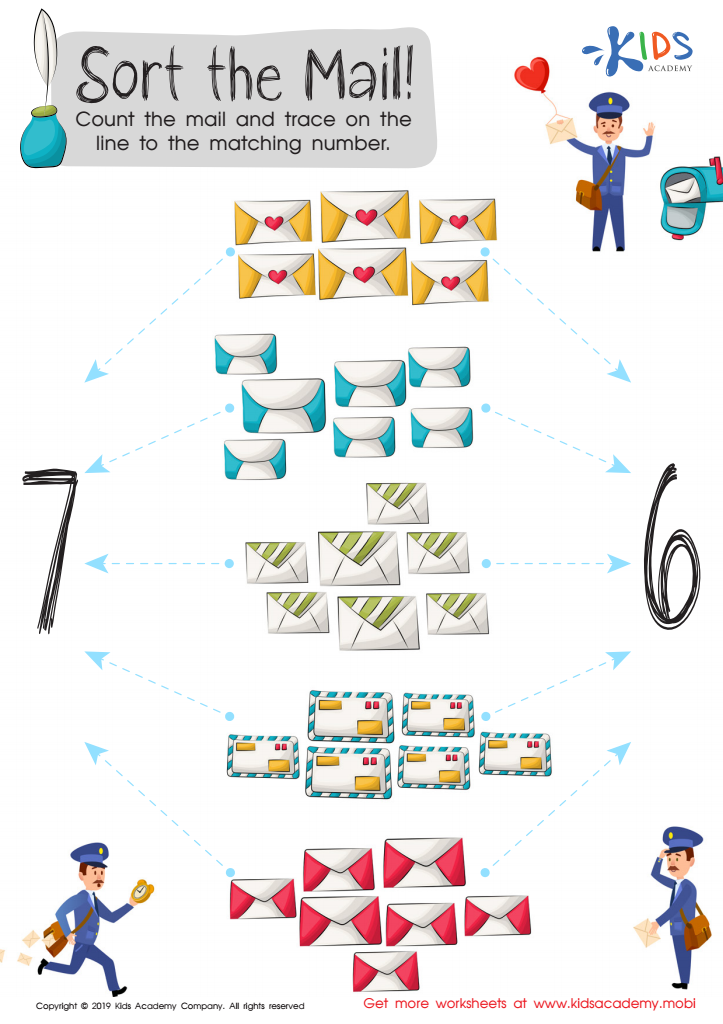
Sort the Mail Worksheet
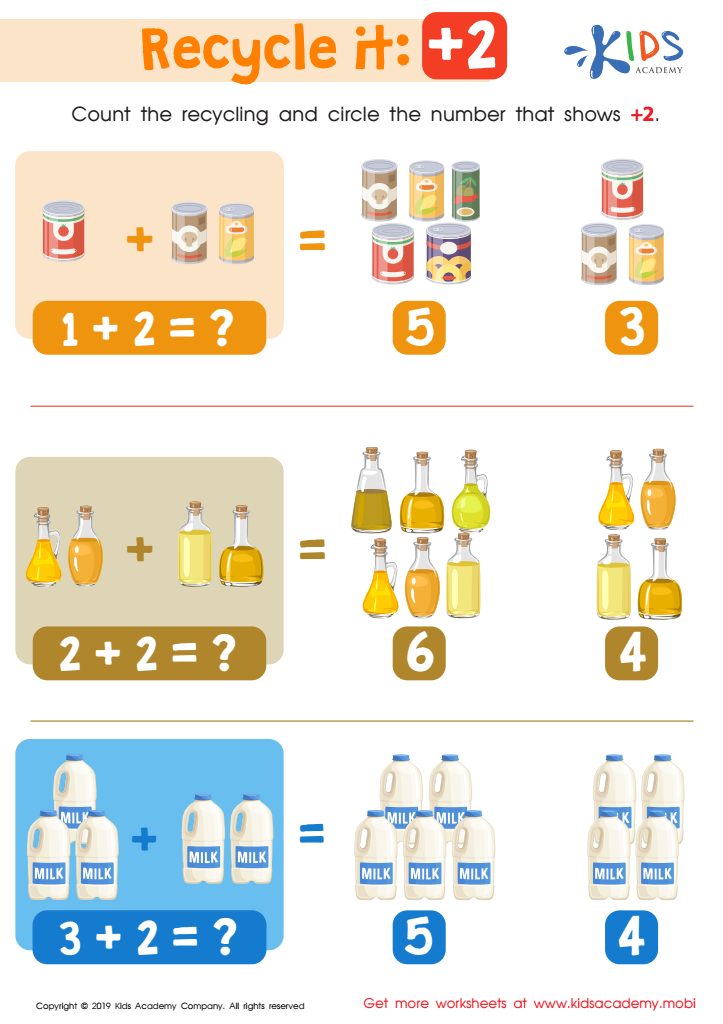
Recycle It: +2 Worksheet
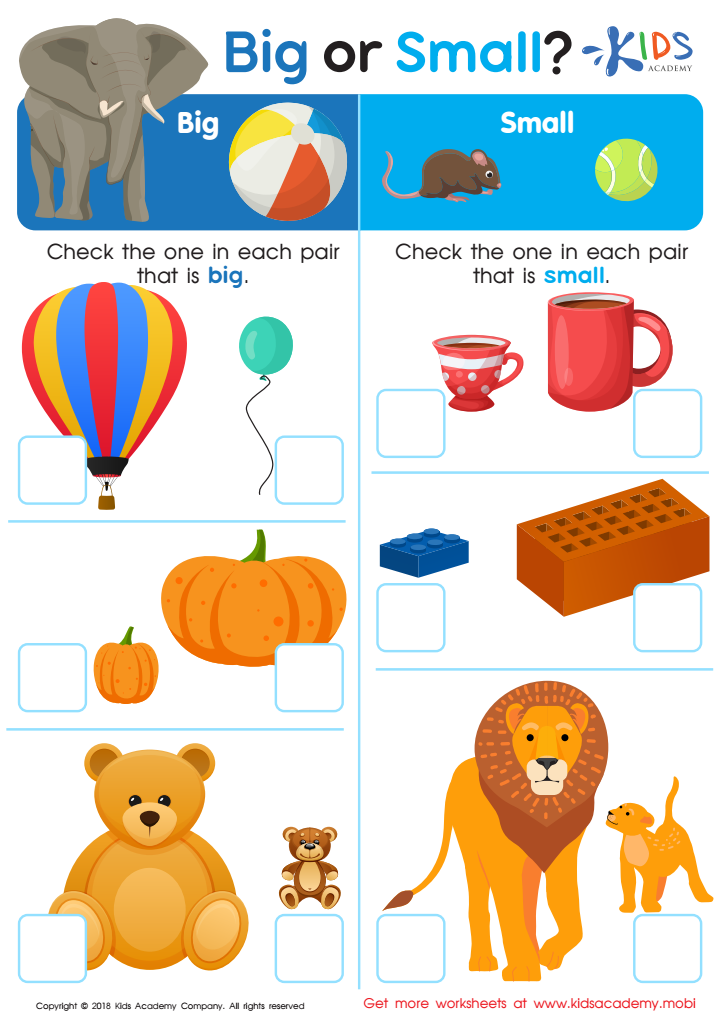
Big or Small? Worksheet




.jpg)



Sorting skills are foundational building blocks for young children, particularly for ages 5-6. Parents and teachers should prioritize these skills because they underpin essential cognitive development. Firstly, sorting helps children develop critical thinking and organizational abilities. By categorizing objects based on attributes like color, shape, or size, children learn to recognize patterns and make connections, promoting logical reasoning.
Additionally, sorting fosters early math skills. It introduces concepts such as classification, subtraction, and counting, laying the groundwork for future mathematical understanding. For instance, when sorting blocks, children can see how many belong to each category, enhancing their numerical comprehension.
Socially, sorting activities encourage collaboration and communication among peers. Group sorting tasks help children express their ideas and negotiate differences, developing vital teamwork skills.
Moreover, sorting can enhance language development. As children describe their sorting criteria, they build vocabulary and improve articulation.
Lastly, sorting activities can be fun and engaging, making learning enjoyable. Overall, fostering sorting skills at this young age empowers children not only academically but also socially and emotionally, preparing them for future challenges and instilling a love for learning. Thus, parents and teachers should actively incorporate sorting activities into daily routines.








