Shape Recognition Easy Numbers Worksheets for Ages 5-6
3 filtered results
-
From - To
Discover our "Shape Recognition Easy Numbers Worksheets" designed specifically for children ages 5-6! These engaging worksheets help young learners build essential math skills while recognizing different shapes. Each activity incorporates fun illustrations and colorful designs that capture kids' attention and make learning enjoyable. As children explore basic shapes like circles, squares, and triangles, they’ll develop critical thinking skills and enhance their ability to identify numbers and shapes in everyday life. Ideal for home or classroom use, these worksheets promote interactive learning and cater to various skill levels. Start your child's journey to math mastery today with our creative and educational resources!
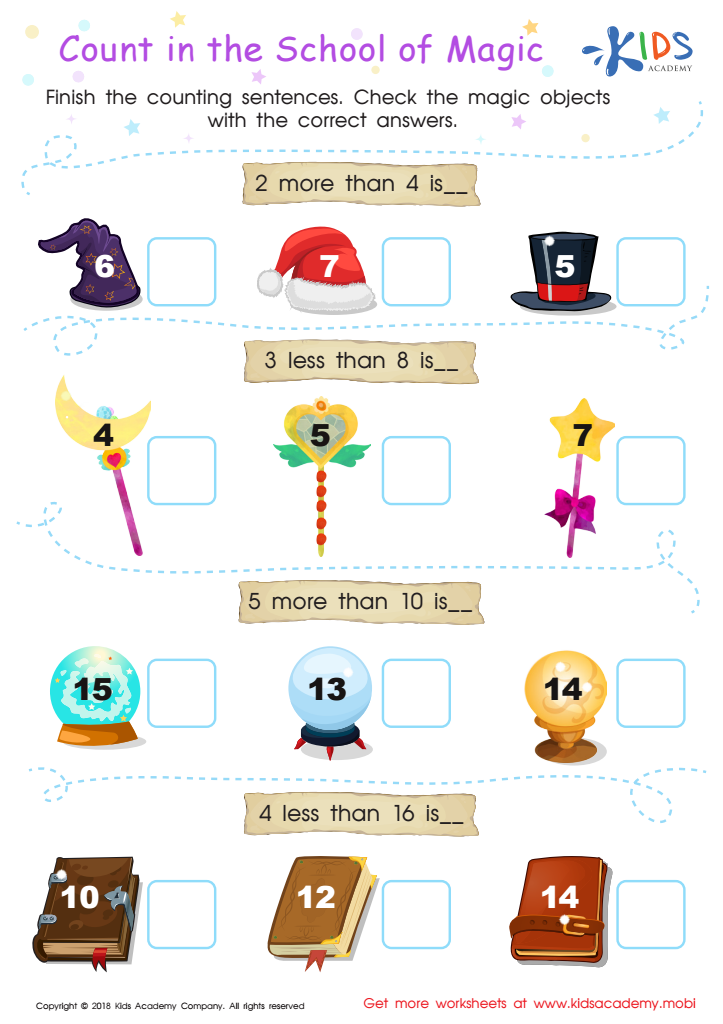
Count in the School of Magic Worksheet
 Assign to My Students
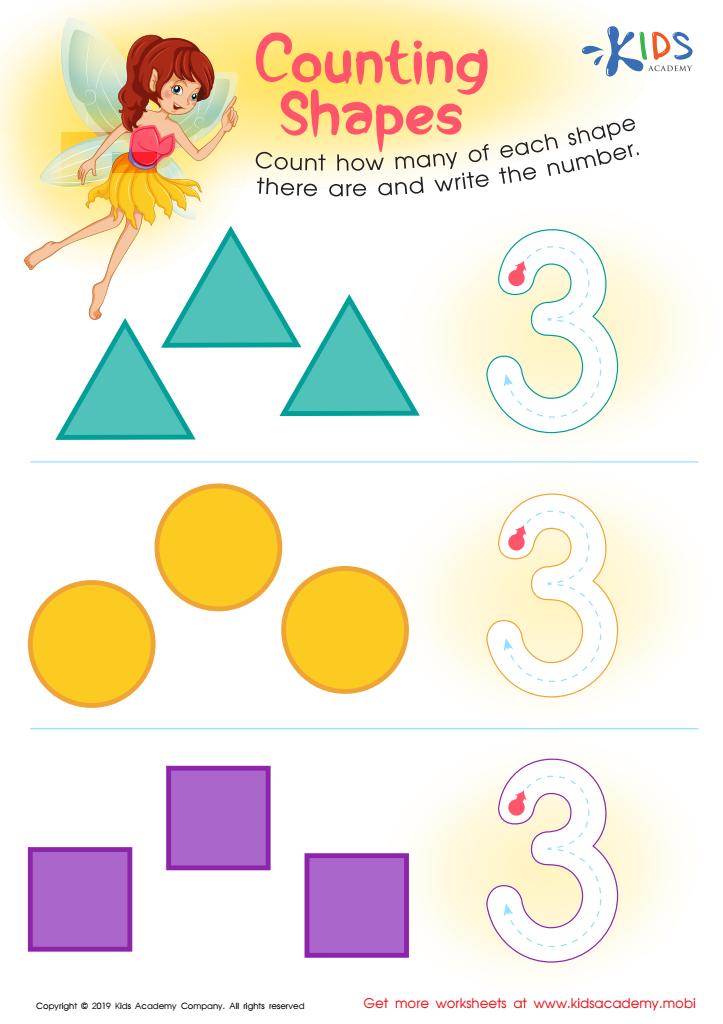
Counting Shapes Worksheet
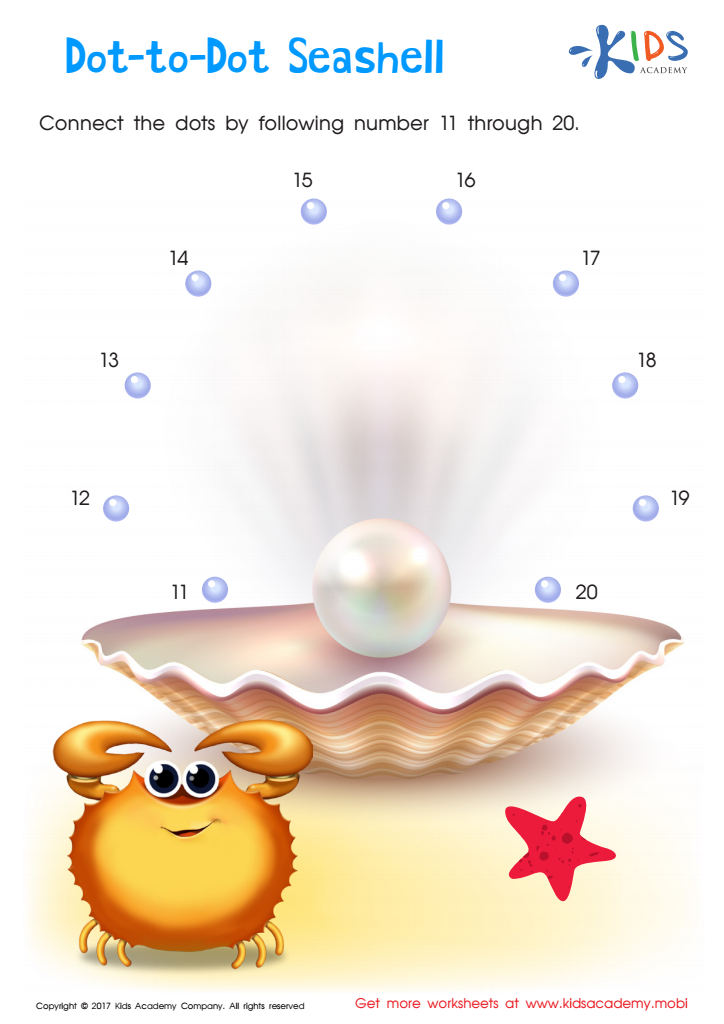
Ordering 11–20: Dot–to–dot Seashell Printable








Shape recognition and the understanding of easy numbers are foundational skills for children aged 5-6 that directly impact their cognitive and mathematical development. First, shape recognition helps children identify and categorize objects in their environment, fostering spatial awareness and critical thinking skills. Recognizing shapes lays the groundwork for geometry and helps children make connections between visual principles and real-world objects.
Furthermore, introducing easy numbers alongside shape recognition promotes strong early mathematical skills. At this age, children begin to understand numbers, counting, and basic operations, which are essential for their future academic success. Easy numbers can also be incorporated with shapes—like identifying the number of sides on a triangle or counting the shapes in their surroundings—enhancing both math and shape recognition skills.
Parents and teachers play a crucial role in nurturing these abilities by providing engaging, hands-on activities that make learning fun. By emphasizing the importance of these skills, caregivers can equip children with the tools they need for effective problem-solving and ensure a strong foundation for their lifelong learning journey. Supporting shape recognition and early number understanding promotes confidence, cognitive growth, and a sense of achievement in young learners, making it a priority for all educators and caregivers.








