Filters

10 filtered results

Clear all filters
Favorites
With answer key
Interactive

10 filtered results

Difficulty Level

Grade


Discover our engaging Reading Comprehension Easy Building Vocabulary Worksheets, specially designed for children ages 5-6. These worksheets aim to enhance young learners' vocabulary while fostering their reading skills in a fun and interactive way. With vibrant illustrations and age-appropriate exercises, kids will enjoy exploring words and their meanings. Each worksheet promotes critical thinking and comprehension through simple yet effective activities. Help your child build a solid foundation for literacy with our well-crafted resources that encourage a love for reading. Enrich their learning experience and watch them thrive as they develop essential vocabulary skills! Perfect for both classroom and home use!

Check out this FREE Trial Lesson on Building Vocabulary for age 5-6!

How Are You?

Favorites
With answer key
Interactive
  • 5-6
  • Reading comprehension
  • Building Vocabulary
  • Easy
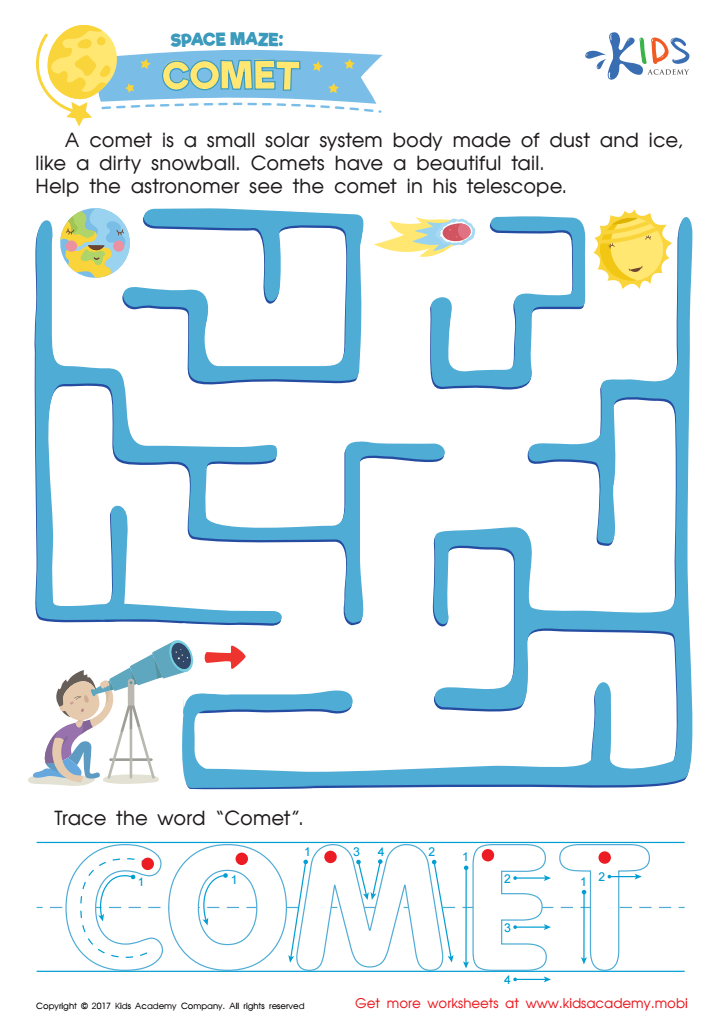
Space Maze: Comet
Space Maze: Comet

Space Maze: Comet Worksheet

Join them on their journey and explore comets with Space Maze: Comet.
Space Maze: Comet Worksheet
Worksheet
What Does It Mean? Worksheet

What Does It Mean? Worksheet

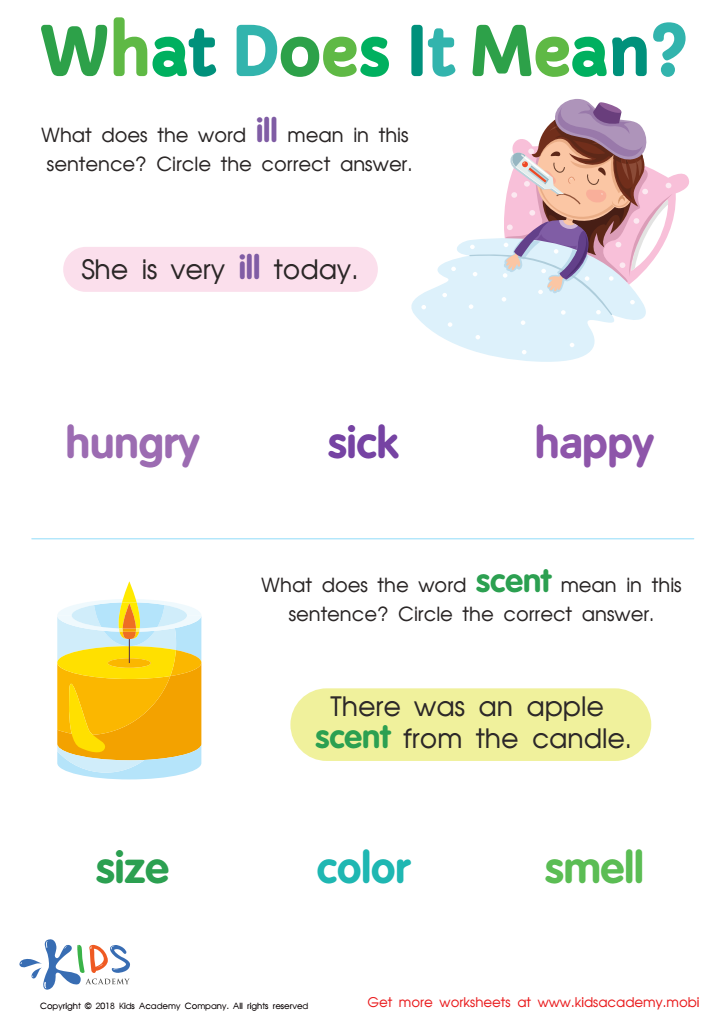
Students should know the meaning of words, even when used in different contexts. This worksheet has two sections. In the first, there's a picture on the right side. Ask students the meaning of 'ill' in "she is very ill today". Help them circle the correct answer from the options. The second section follows the same pattern. Make sure students circle the right answer.
What Does It Mean? Worksheet
Worksheet
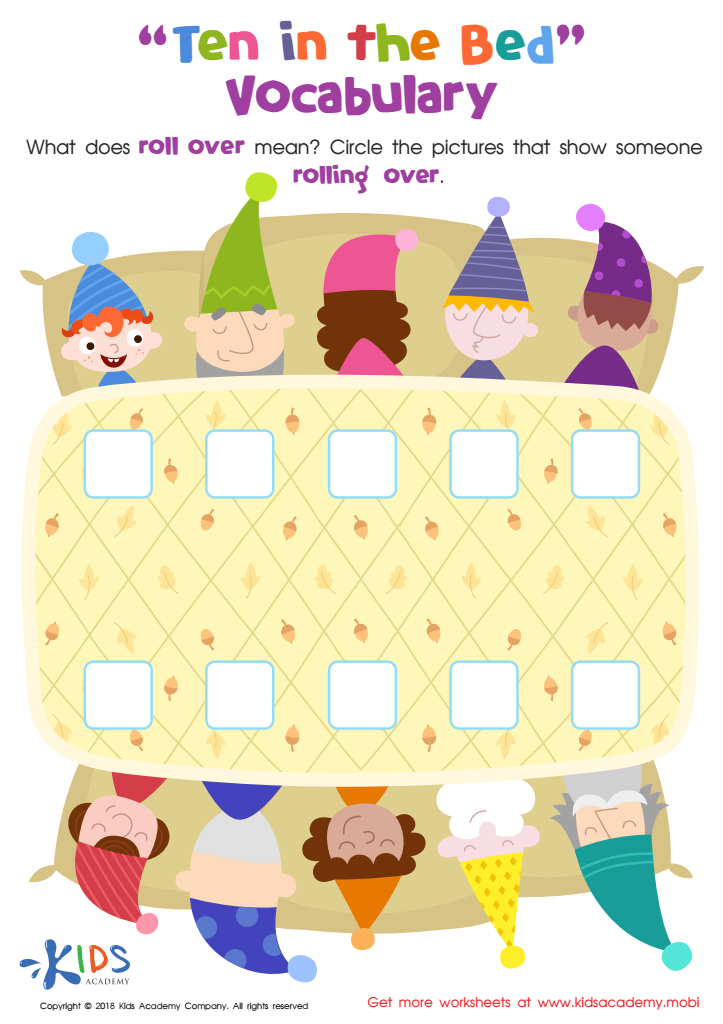
Ten in the Bed: Vocabulary Worksheet

Ten in the Bed: Vocabulary Worksheet

It's essential for emerging readers to be proficient in positional and directional words. This worksheet uses cheerful faces to help students identify who has "rolled over". Knowing these words is an essential part of reading and writing for pre-K and Kindergarteners. It also helps them to follow directions and use precise language.
Ten in the Bed: Vocabulary Worksheet
Worksheet
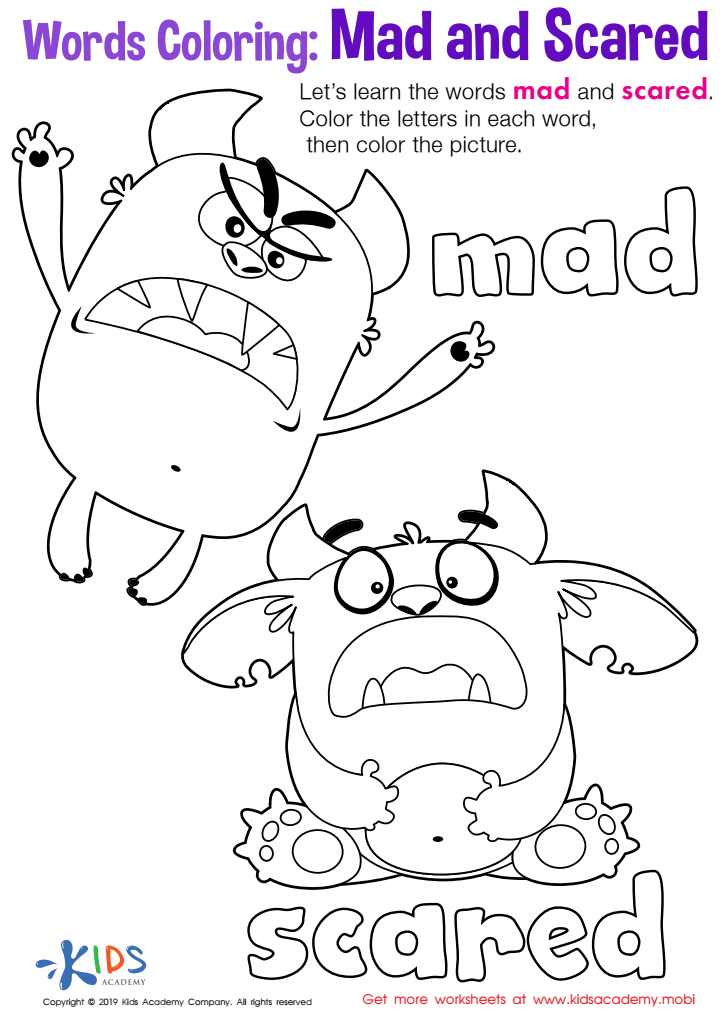
Mad and Scared Words Coloring Worksheet

Mad and Scared Words Coloring Worksheet

This worksheet teaches "mad" and "scared" with fun monster pictures to color. Helping students learn by sight, it encourages sharing what makes them feel those strong emotions. Perfect for social studies, it expands student's vocabulary in an entertaining way.
Download (PDF)
Assign to My Students
Mad and Scared Words Coloring Worksheet
Worksheet
High Frequency Words: Assessment 2 Worksheet

High Frequency Words: Assessment 2 Worksheet

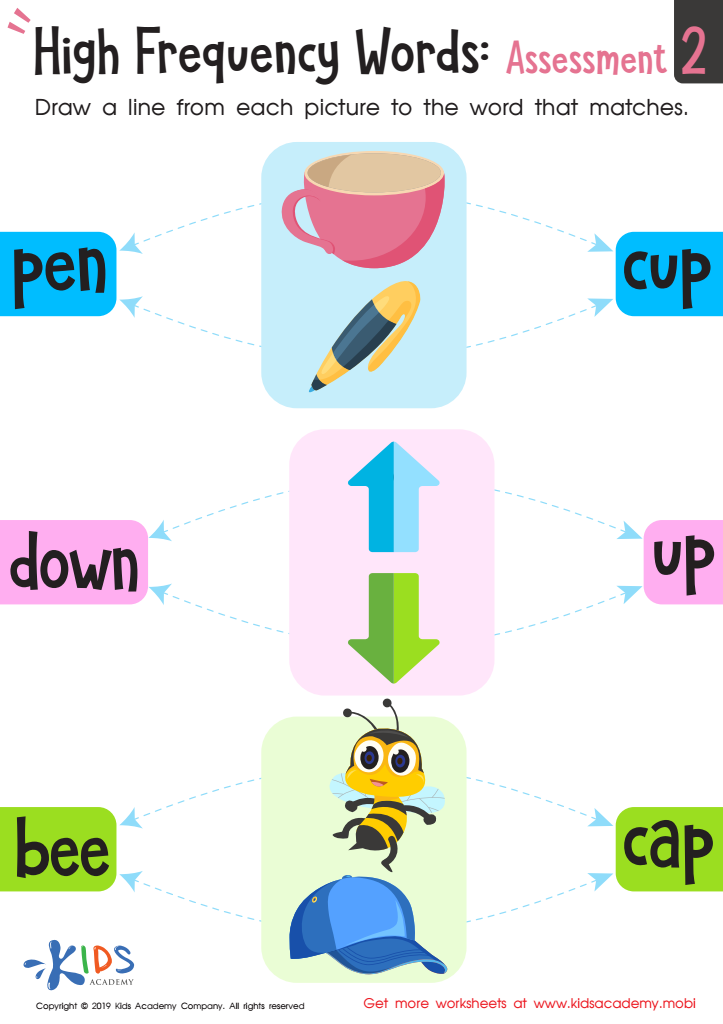
Having knowledge of high frequency words can make emergent readers stronger and boost comprehension. This free assessment worksheet uses traceable lines to connect the picture to its corresponding words, allowing them to feel successful. It's a great way to reinforce high frequency words with familiar imagery.
High Frequency Words: Assessment 2 Worksheet
Worksheet
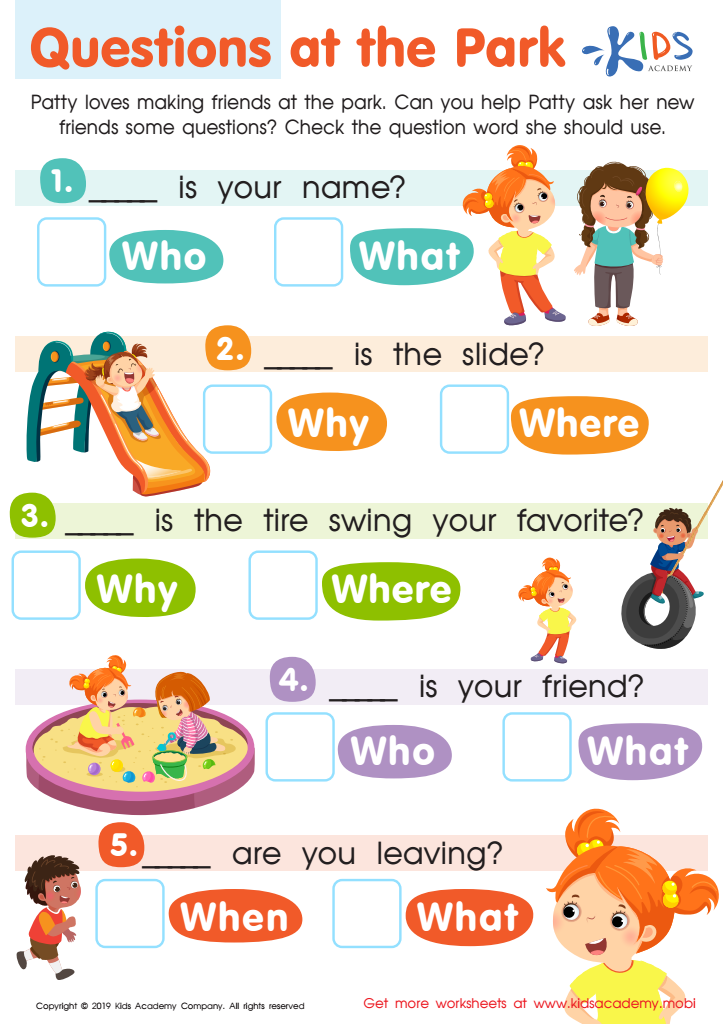
Questions at the Park Worksheet

Questions at the Park Worksheet

Parks are great for fun! Kids can play, run and be as loud as they want! Ask them what their favorite activities are. If they love making friends, like Patty in this worksheet, help them practice their question words to get to know their new pals better.
Questions at the Park Worksheet
Worksheet
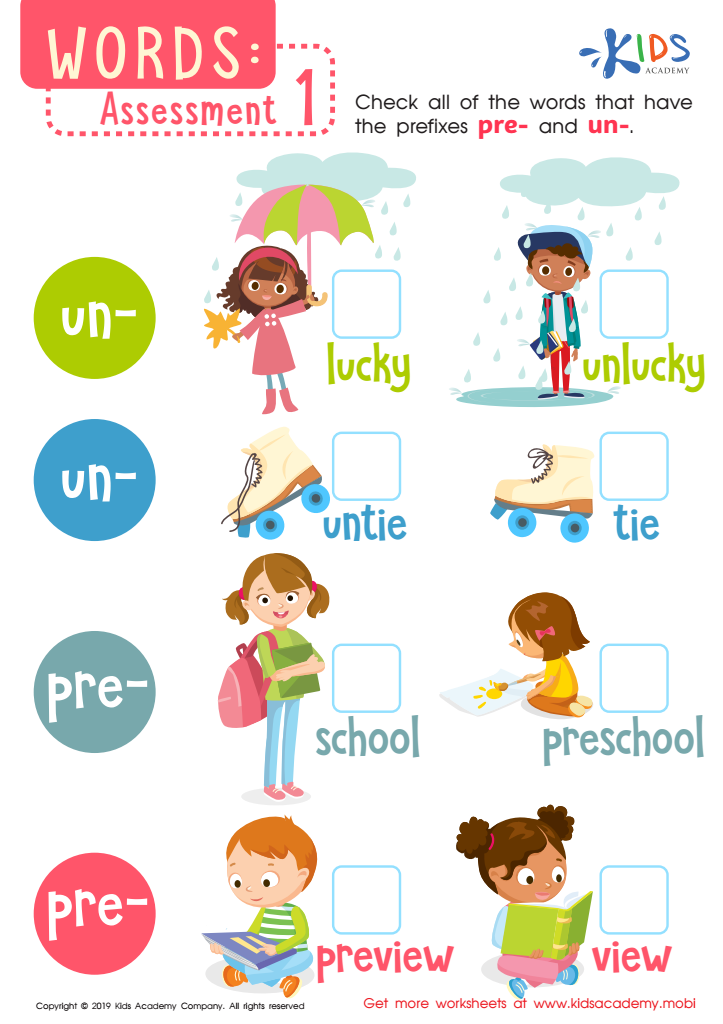
Words: Assessment 1 Worksheet

Words: Assessment 1 Worksheet

Help your child develop their knowledge of prefixes and suffixes with Kids Academy! This worksheet can test their understanding of pre- and un-. Have them view the illustrations and read the words to find the targeted prefix in each row. This is a great way to enhance their words and clarify meanings!
Words: Assessment 1 Worksheet
Worksheet
=
=

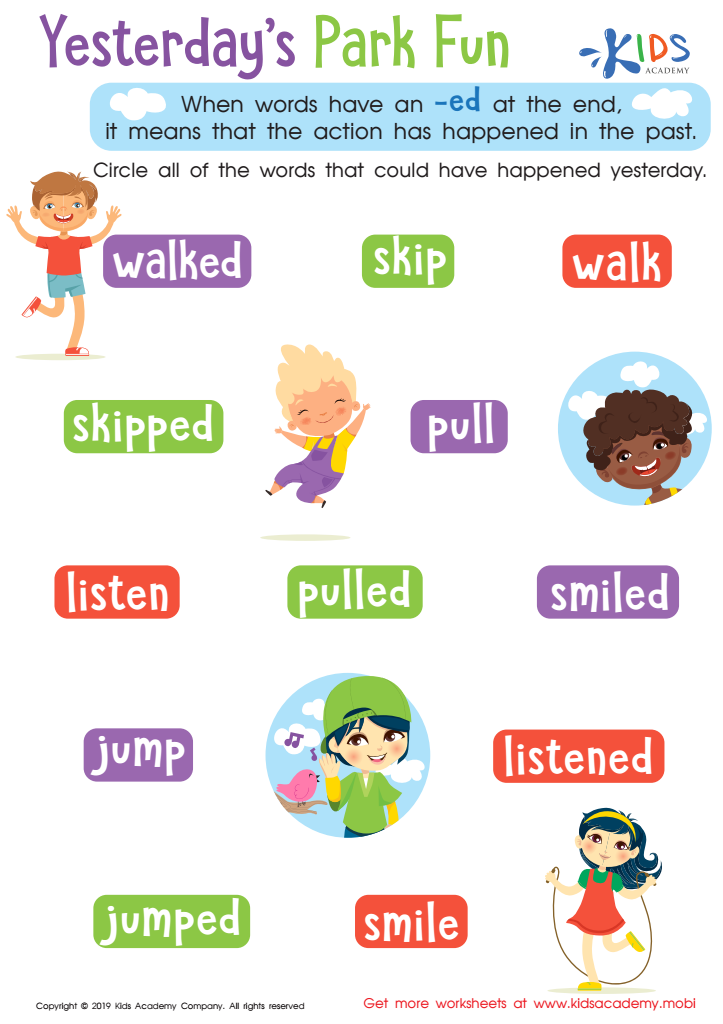
Yesterday's Park Fun Worksheet

Add -ed to the end of words and you get a word that happened in the past. This PDF helps your child understand this concept by giving practice examples: walk, pull, jump and smile can all be transformed into the past tense with a -ed suffix. They'll circle all the words that happened yesterday and learn about the past tense.
Yesterday's Park Fun Worksheet
Worksheet
What Does It Mean? Worksheet

What Does It Mean? Worksheet

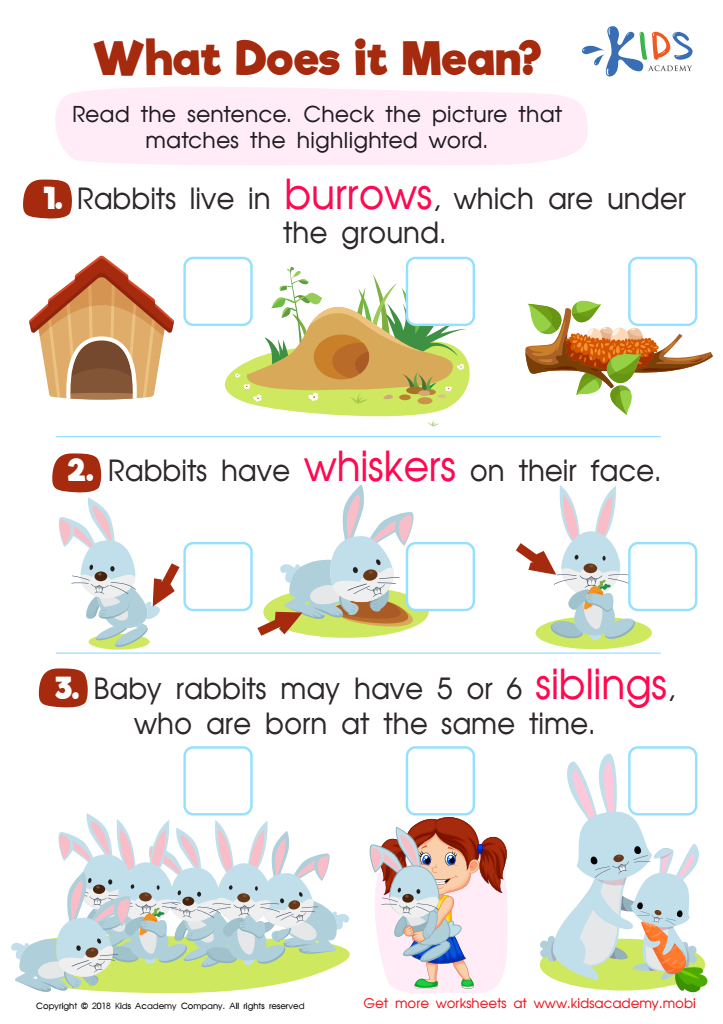
Teach your child to use context clues with this engaging Kids Academy worksheet. Read the sentences and find the pink-highlighted word. Use the other words in the sentence to figure out the meaning, then check the box next to the picture that represents it.
What Does It Mean? Worksheet
Worksheet
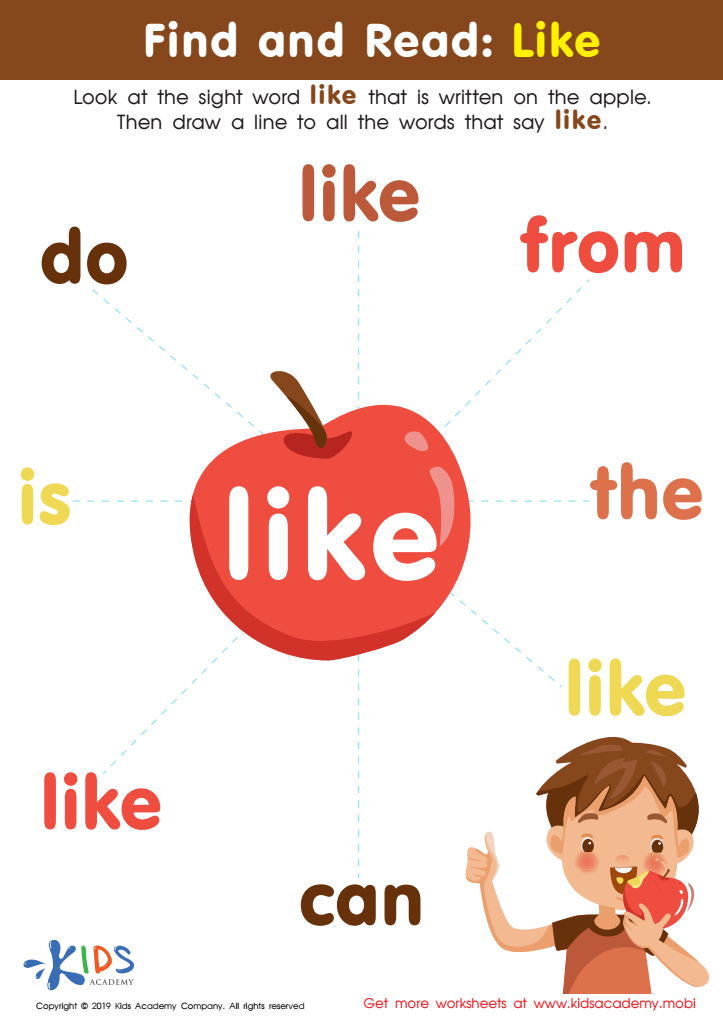
Find and Read: Like Worksheet


Find and Read: Like Worksheet

Reading starts with learning sight words. This free PDF worksheet helps kids learn the word "like" in various ways. It encourages their visual discrimination skills with its colorful design and traceable lines. It's a great way to help them recognize and differentiate this common sight word from other words that look similar.
Find and Read: Like Worksheet
Worksheet


Reading comprehension and vocabulary development are foundational skills for young learners, especially for children aged 5-6. During this critical period, kids are transitioning from learning to read to reading to learn, making robust comprehension skills essential for their academic journey.

When children can easily build their vocabulary, they enhance their understanding of texts. A rich vocabulary allows them to express themselves effectively and recognize words in context, leading to deeper comprehension. Engaging in activities that promote understanding—such as storytelling, discussions, and interactive reading—stimulates their cognitive skills and helps them connect new information to what they already know.

Additionally, strong reading comprehension boosts confidence, fosters a love for reading, and encourages a lifelong interest in learning. Parents and teachers play a crucial role by creating a supportive environment and providing stimulating resources—like books, games, and conversations—that challenge and engage young minds. It’s not just about decodable texts; it’s about making meaning from what they read.

In conclusion, investing time and resources in building reading comprehension and vocabulary is not merely an academic necessity; it's a gateway to richer life experiences for children as they navigate a complex world. This investment is vital for their overall development and future success.