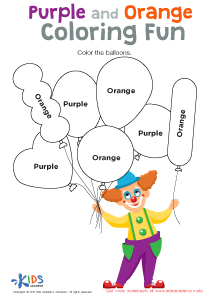
Alphabet Recognition Easy English for Beginners Worksheets for Ages 5-7
6 filtered results
-
From - To
Welcome to our "Alphabet Recognition Easy English for Beginners Worksheets" designed specifically for ages 5-7! These engaging and interactive worksheets aim to enhance young learners' understanding of the alphabet, laying a strong foundation for their English language skills. The activities include colorful illustrations, letter tracing, and fun games that make learning exciting. Each worksheet is tailored to boost confidence and encourage children to recognize and use letters effectively. Perfect for classrooms or home learning, these resources provide an enjoyable way for beginners to enhance their alphabet recognition skills. Start your child's educational journey with our thoughtfully crafted worksheets today!
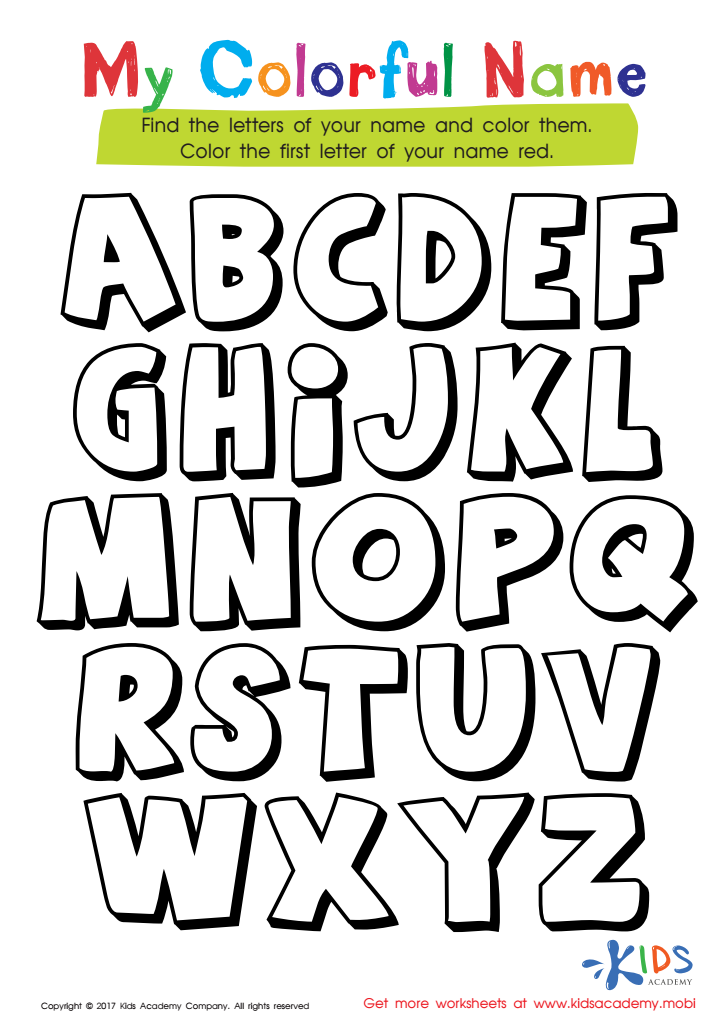
My Colorful Name Worksheet
 Assign to My Students
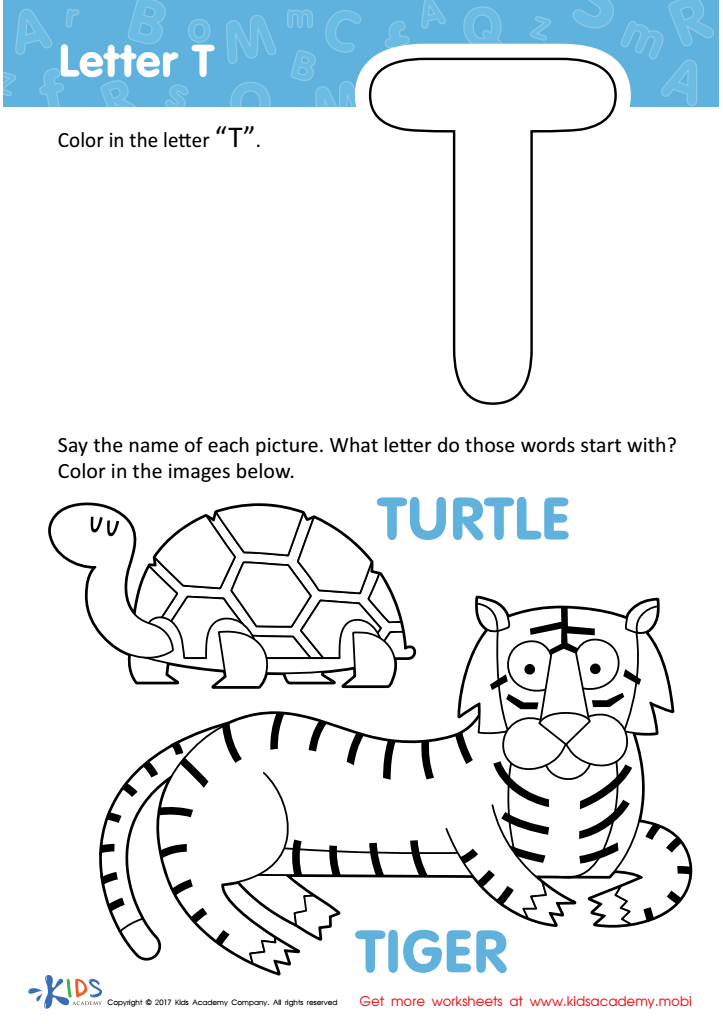
Letter T Coloring Sheet
Assign to My Students
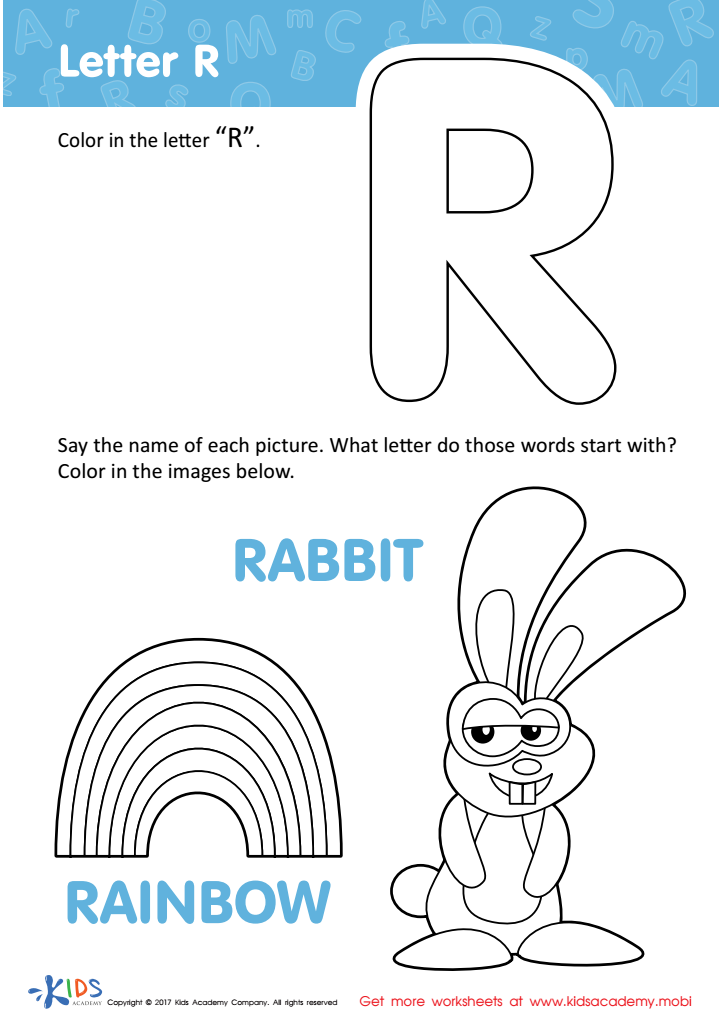
Letter R Coloring Sheet
Assign to My Students
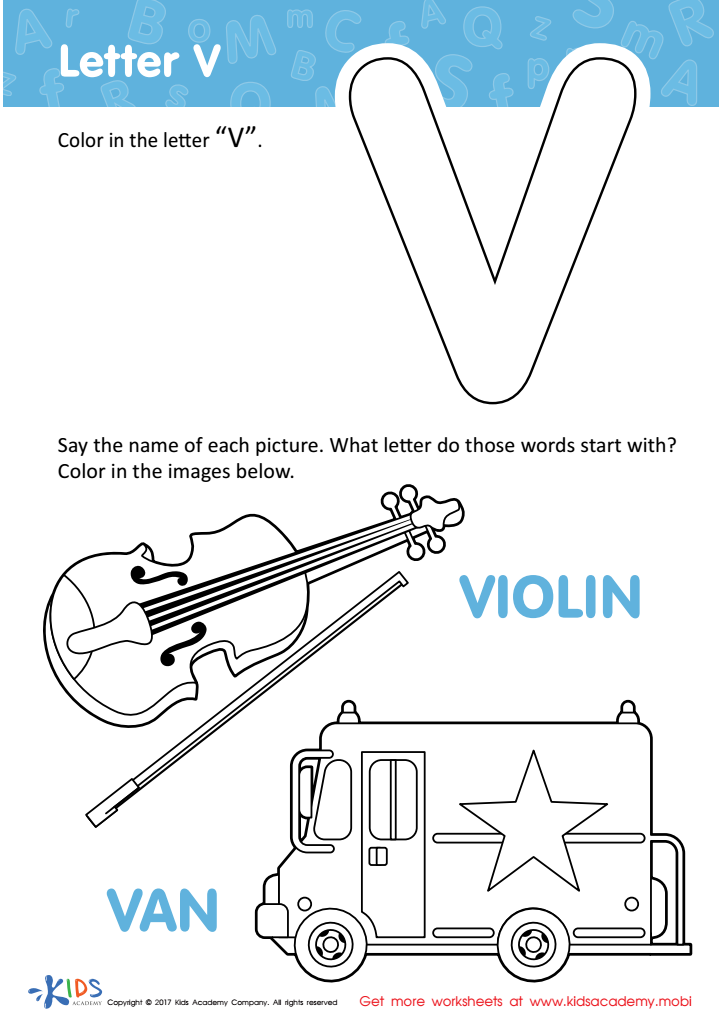
Letter V Coloring Sheet
Assign to My Students
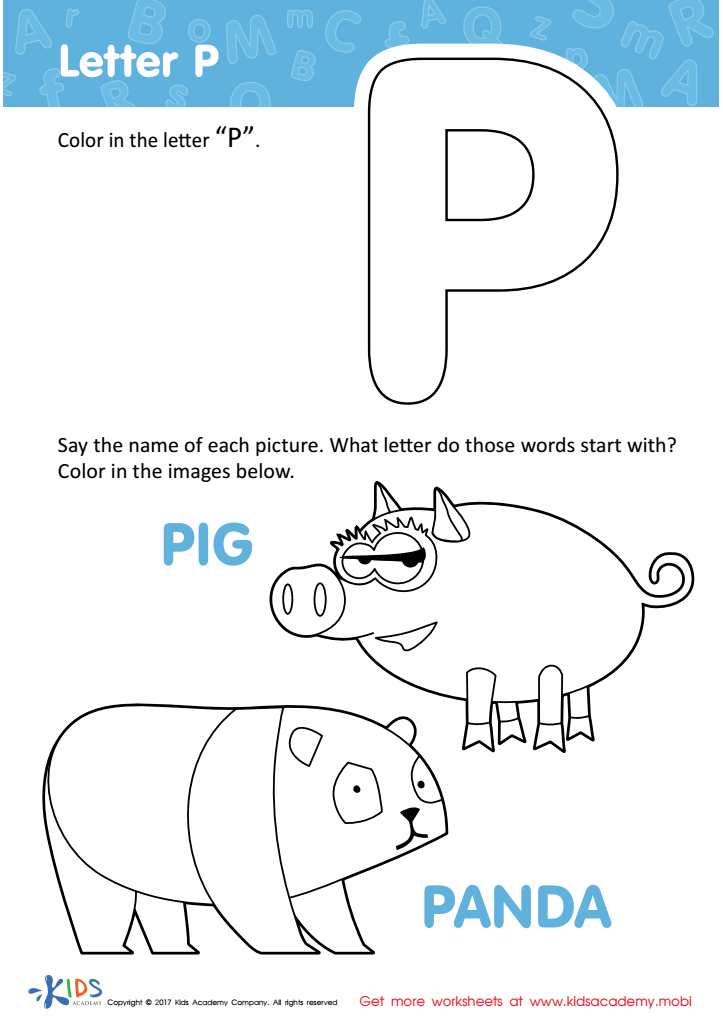
Letter P Coloring Sheet
Assign to My Students
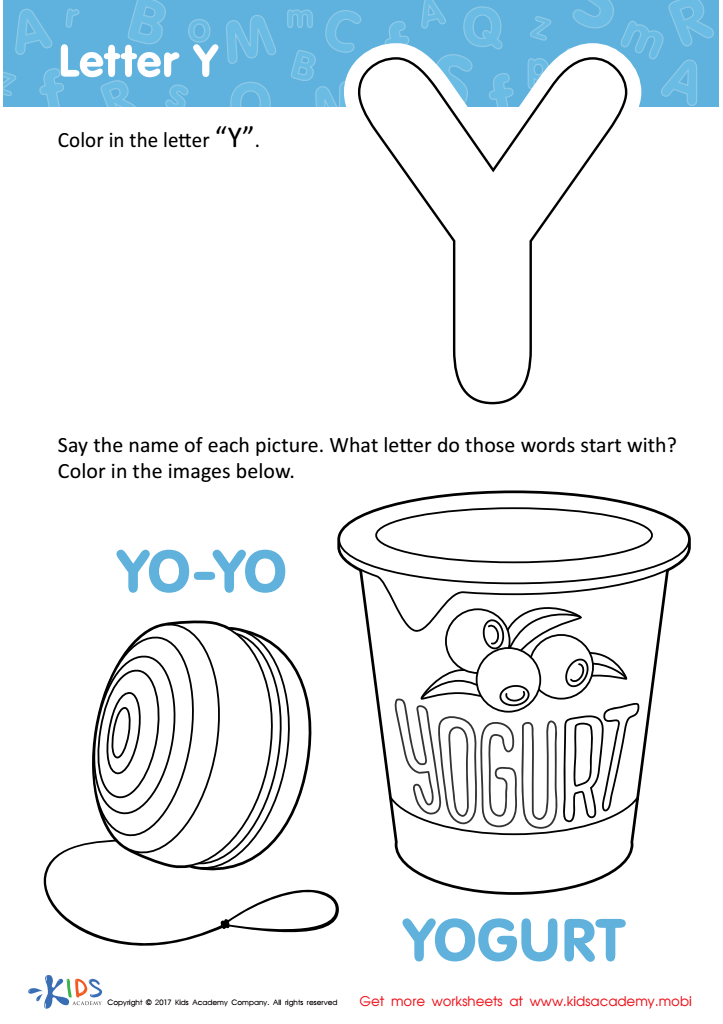
Letter Y Coloring Sheet
Assign to My Students




Alphabet recognition is a foundational skill for young learners, particularly for children aged 5-7 who are beginning their journey into literacy. Parents and teachers should prioritize Alphabet Recognition Easy English programs for several reasons. First, recognizing letters is crucial for reading and writing; it helps children decode words and understand their relationships with sounds. A solid grasp of the alphabet will provide kids with the confidence they need to engage with books, paving the way for a lifelong love of reading.
Additionally, at this stage of development, children's cognitive skills are highly receptive; they thrive in environments filled with interactive and engaging learning experiences. Programs specifically designed for young learners—like Alphabet Recognition Easy English—often incorporate games, songs, and visuals that cater to this propensity for playful learning, making education enjoyable.
Moreover, early mastery of the alphabet can significantly impact children's academic success, boosting their performance in language arts and other subjects that require comprehension and communication skills. By focusing on alphabet recognition early on, parents and educators can help set children on a path of positive learning experiences, fostering both skills and enthusiasm for future educational challenges. In essence, this foundational skill is a significant building block for essential literacy development.